Culichitown Las Vegas
Culichitown Las Vegas brings the seafood-forward cooking of Culiacán, Sinaloa to the West Sahara corridor, where Pacific-coast Mexican traditions rarely surface this far inland. The format centers on aguachile, mariscos, and the coastal preparations that define northern Mexico's fishing culture. It is one of the few places in Las Vegas where that regional specificity is the entire point.
Pearl is the En Primeur Club membership app — saves, bookings, and concierge access live there. Same editors, same standards.
- Address
- 2400 W Sahara Ave, Las Vegas, NV 89102
- Phone
- +17026656150
- Website
- culichitownlasvegas.com
- Directions
- Get directions
 Saves & bookings on Pearl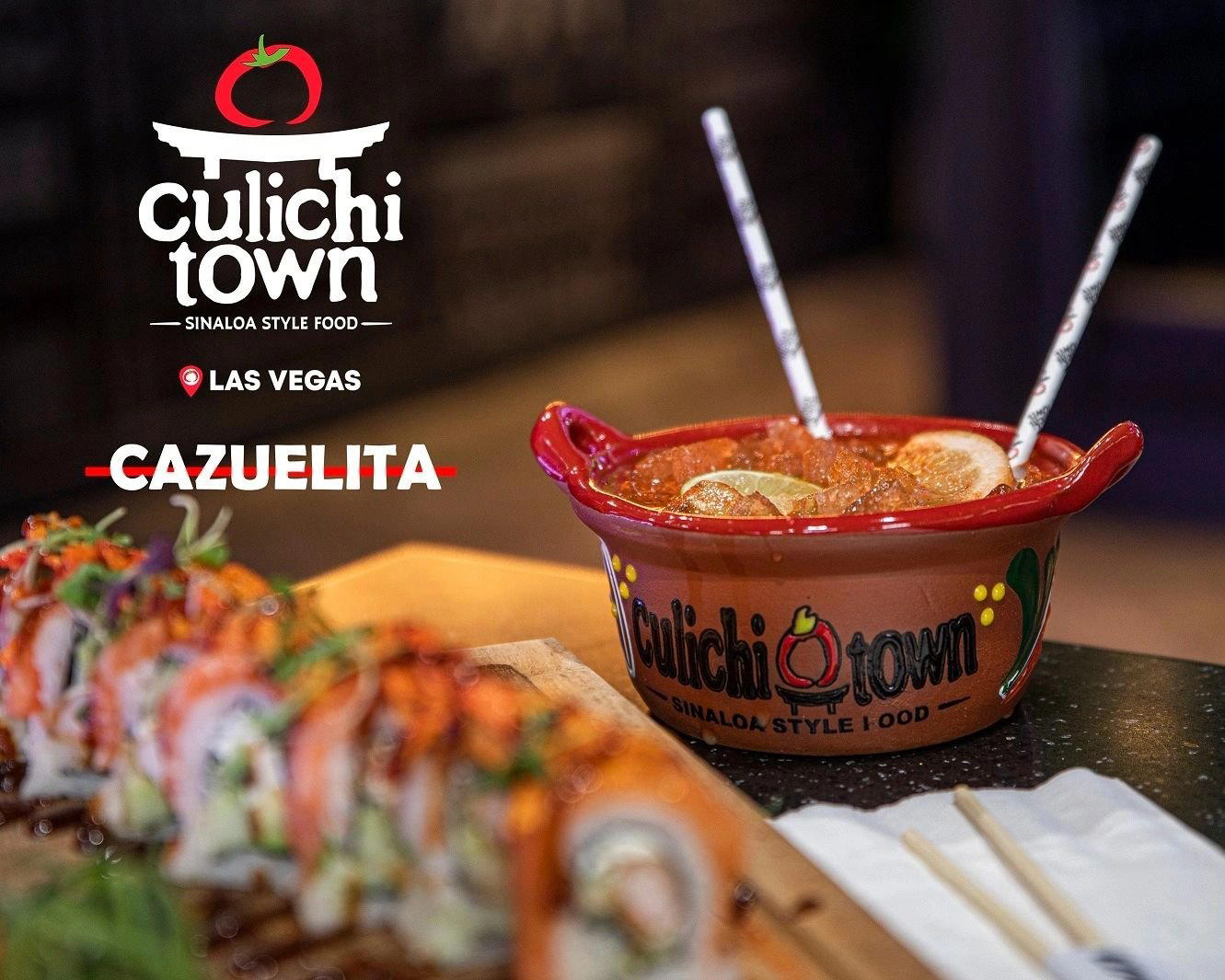
Where Pacific Coast Mexico Arrives in the Desert
Las Vegas has built its restaurant reputation on theatrical scale and imported prestige, but the city's most telling food story has always run parallel to that: a dense, working Mexican-American community along the west side corridors that supports regional specificity most visitors never encounter. West Sahara Avenue, where Culichitown operates at number 2400, sits inside that geography. The strip mall setting is deliberate context, not an afterthought. This is a neighborhood built around the food traditions its residents actually came from, not a tourist approximation of them.
The name telegraphs the premise directly. Culichitown is a colloquial reference to people from Culiacán, the capital of Sinaloa, on Mexico's Pacific coast. Sinaloan cooking is seafood-first in a way that differs structurally from the Guadalajara or Mexico City traditions most American diners know. The Pacific catch, the particular heat of regional chiles, and preparations like aguachile and callo de hacha define the cuisine. Bringing that to a landlocked desert city without compromising its coastal character is the operational challenge this restaurant is built around.
The Sinaloan Mariscos Tradition and Why Sourcing Defines It
Aguachile is the clearest lens for understanding what separates Sinaloan seafood cooking from generalized Mexican cuisine. The dish is raw shrimp cured in chile-lime liquid, calibrated for heat and acid in a ratio that varies significantly by region and cook. At its origin, it was a fisherman's preparation, made with the morning's catch and whatever chiles were on hand. The freshness of the protein is not incidental to the dish, it is the dish. When that preparation travels inland, the quality of the supply chain becomes the single most important variable.
Mariscos restaurants operating outside coastal Mexico face a direct logistical problem: the Pacific shrimp, sea bass, and shellfish that Sinaloan cooking depends on must be sourced with enough frequency and care to support raw preparations. Operations that cut corners shift toward cooked formats or frozen product in ways that change the dish fundamentally. Restaurants that maintain the raw-cure tradition are signaling something about how seriously they treat the supply chain. That commitment is what separates the category's upper tier from the convenience-driven middle.
This sourcing imperative places Culichitown in a different competitive frame than most Las Vegas seafood. The relevant comparison is not the high-volume international spreads of the Strip, nor the Japanese-trained precision of venues like 108 Eats or the sushi counters that have built Las Vegas's raw-fish reputation. It is a smaller comparable set: regional mariscos specialists that treat provenance and freshness as the organizing principle of the menu, rather than spectacle or breadth.
A Regional Tradition in a City Built on Generalization
Las Vegas's dining culture has historically rewarded scale and brand recognition over regional depth. The buffet format, still represented by operations like Bacchanal, is the architectural expression of that tendency: abundance over specificity, international range over local identity. The Latin dining category on the Strip skews similarly broad, with venues like Chica working a pan-Latin register that speaks to visitor recognition rather than regional authenticity.
Culichitown operates from a different premise. Sinaloan mariscos is a narrow category, and the restaurant's West Sahara location is evidence of that positioning: it is oriented toward a community that already understands the cuisine, not toward visitors who need it explained. That is a meaningful distinction in a city where most restaurants are engineered for maximum accessibility. Regional Mexican specialists that trust their audience tend to cook with less dilution, and that generally produces a more accurate version of what they are attempting.
For the EP Club reader accustomed to supply-chain-conscious cooking at venues like Single Thread Farm in Healdsburg or the hyper-local sourcing discipline of Blue Hill at Stone Barns in Tarrytown, the framing here is different but the underlying principle is the same: the ingredient's origin and condition determine what the kitchen can do. At Culichitown, that means Pacific seafood handled with the brevity that raw Sinaloan preparations demand.
West Sahara and the Broader Las Vegas Off-Strip Food Geography
The restaurants along West Sahara and the adjacent streets represent a layer of Las Vegas dining that operates largely outside the EP Club comparable set but rewards visitors willing to move beyond the resort corridor. Alongside Culichitown, venues like 777 Korean Restaurant, 18bin, and A Different Beast demonstrate that the city's most specific, community-driven food exists at a significant remove from the resort district both geographically and in terms of its intended audience.
The Strip's mariscos options are either absorbed into broader Latin menus or absent entirely. Finding Sinaloan-specific preparations requires going to where the Sinaloan community actually eats, which is the west side. That geographic logic applies across Las Vegas's immigrant food traditions, and it is one reason why our full Las Vegas restaurants guide covers both the resort corridor and the neighborhoods that sustain the city's working population.
For context on how regional American and Americas-adjacent cuisines have evolved in other cities, EP Club covers venues including Emeril's in New Orleans, Providence in Los Angeles, and Addison in San Diego, the last of which sits close enough to Baja California to feel the same Pacific-coast sourcing pressures that define Sinaloan cooking.
Know Before You Go
| Address | 2400 W Sahara Ave, Las Vegas, NV 89102 |
|---|---|
| Neighborhood | West Sahara corridor, off-Strip |
| Cuisine Focus | Sinaloan mariscos, Pacific-coast Mexican seafood |
| Price Range | |
| Hours | Not confirmed, verify before visiting |
| Reservations | Not confirmed, walk-in availability unknown |
| Getting There | Accessible by car from the Strip in under 10 minutes; street parking available in the shopping center |
Style and Standing
Comparable venues nearby, for context on price, style, and recognition.
| Venue | Cuisine | Price | Notes |
|---|---|---|---|
| Culichitown Las VegasThis venue — the venue you are viewing | Mexican-Sushi Fusion | $$ | Not listed |
| Border Grill | Modern Mexican | $$ | Boulder Junction |
| Jose Cuervo Tequileria | Mexican Tequileria | $$ | Paradise |
| Gonzalez Y Gonzalez | Authentic Mexican | $$ | The Strip |
| Baja Miguel's | Authentic Mexican Cantina | $$ | The Highlands |
| La Casa De Juliette | Polished Mexican Cocina | $$ | Centennial Hills |
Continue exploring
More in Las Vegas
Restaurants in Las Vegas
Browse all →
Bars in Las Vegas
Browse all →




At a Glance
- Lively
- Energetic
- Modern
- Family
- Group Dining
- Casual Hangout
- Celebration
- Live Music
- Standalone
- Craft Cocktails
Current opening hours
- Monday
- 2–11 PM
- Tuesday
- 2–11 PM
- Wednesday
- 2–11 PM
- Thursday
- 2–11 PM
- Friday
- 12 PM–2 AM
- Saturday
- 12 PM–2 AM
- Sunday
- 11 AM–11 PM
Hours can change for holidays and private events. Last verified .
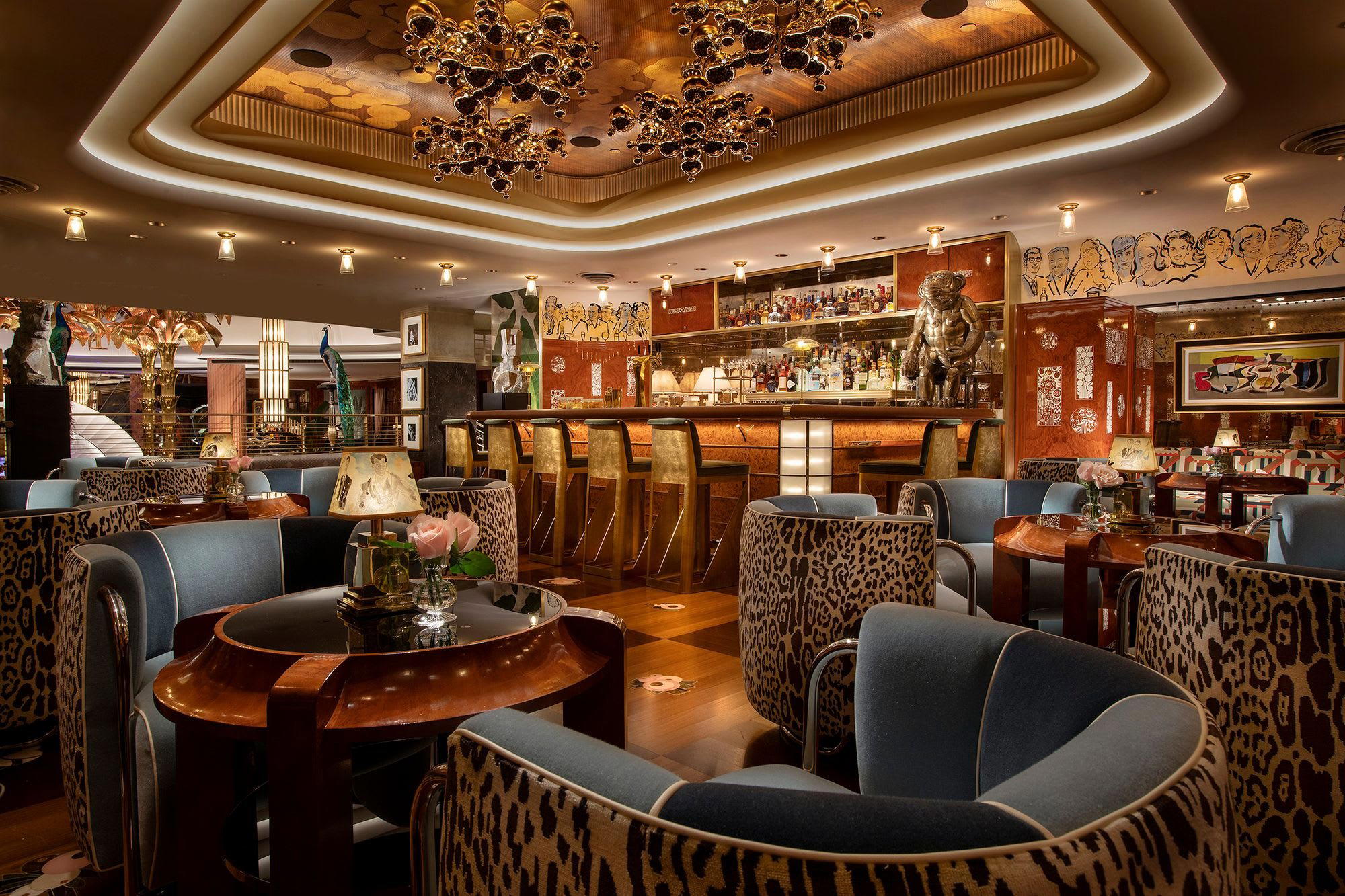
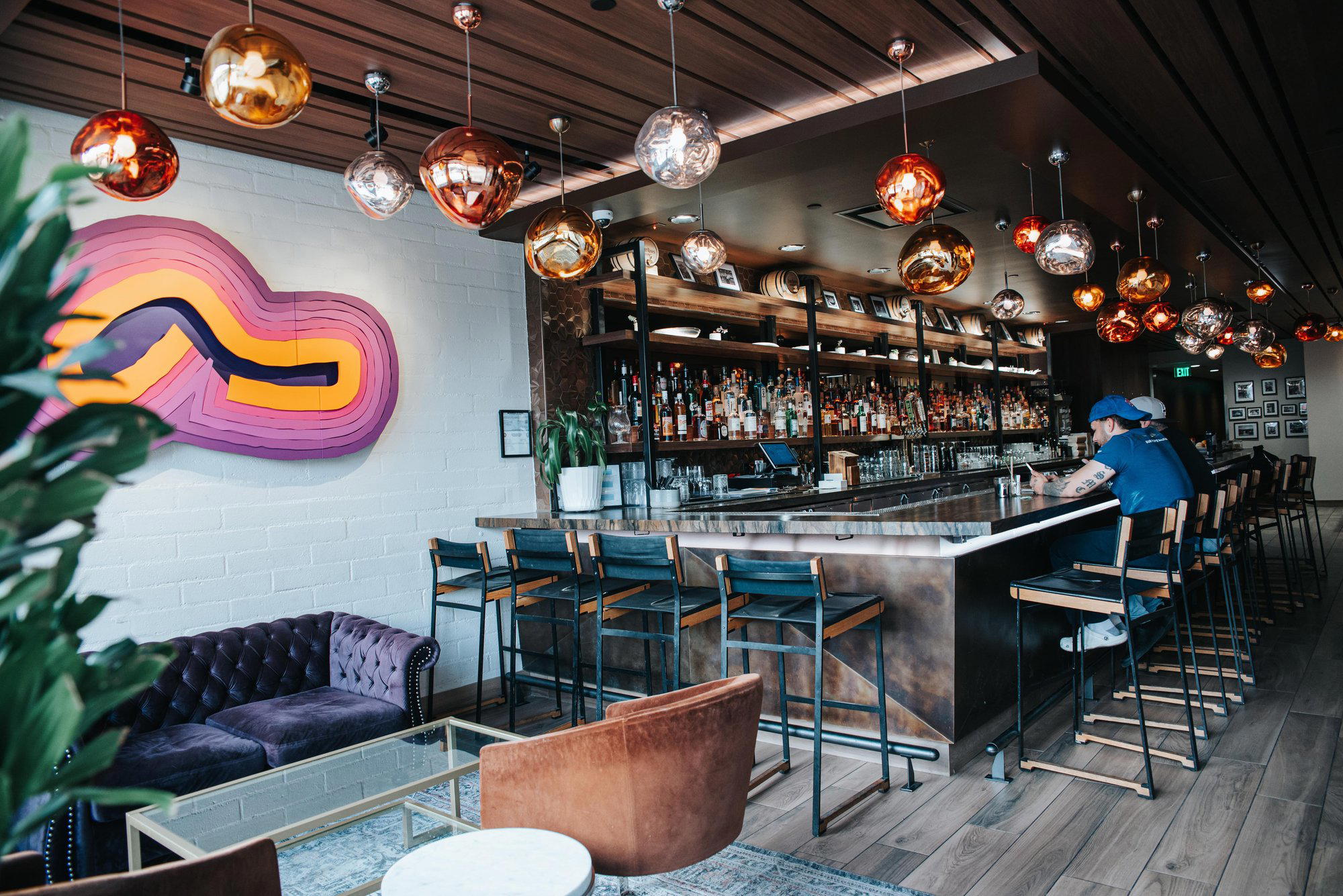
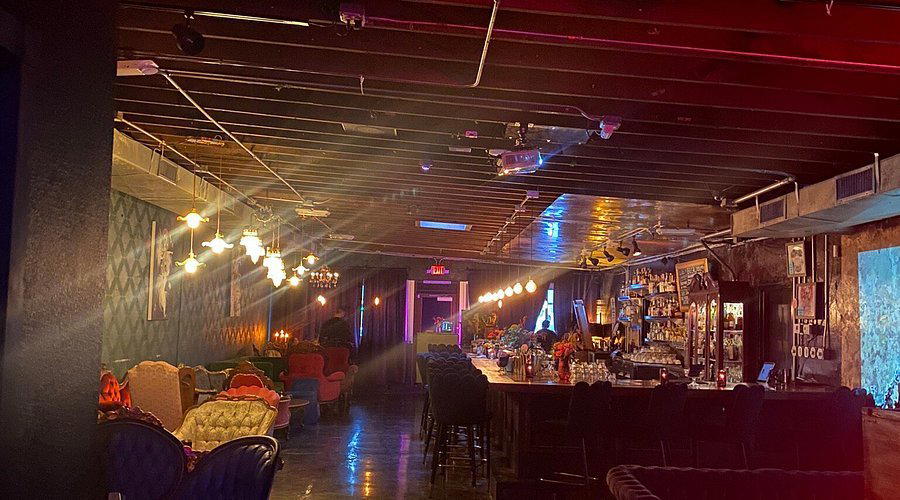
Modern, lively atmosphere with live music creating an energetic and welcoming dining environment for families and groups.