Seoul Tofu House
Our verdict
Seoul Tofu House sits in Seattle's Chinatown-International District, one of the city's most historically layered dining corridors, where Korean comfort food has held a long and unbroken presence. The restaurant draws regulars from across the city for its soondubu jjigae and related Korean staples. For visitors to the neighbourhood, it functions as an anchor point in a block-by-block eating culture that rewards walking and comparison.
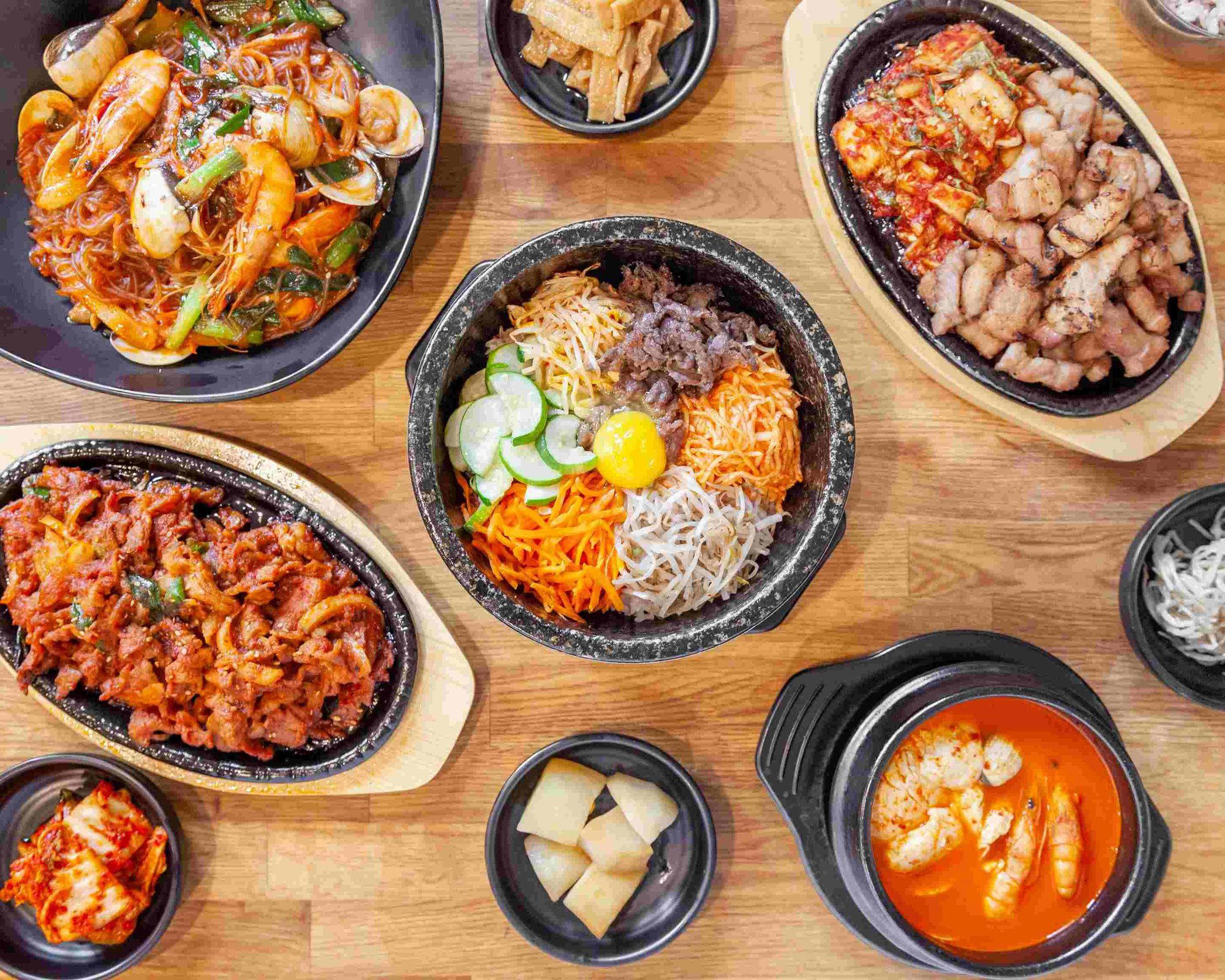
The menu
What to order
- Soft Tofu Soup
- Bulgogi
- Seafood Green Onion Pancake
The International District's Korean Comfort Food Anchor
Sixth Avenue South in Seattle's Chinatown-International District doesn't announce itself the way Pike Place Market or Capitol Hill do. The storefronts are low-rise, the signage a mix of Korean, Vietnamese, Japanese, and Chinese scripts, and the foot traffic on any given weekday runs more toward regulars than tourists. This is where Seoul Tofu House sits, at 516 6th Ave S, inside a neighbourhood that has functioned as Seattle's primary Asian dining corridor for well over a century. The venue's address is itself a positioning statement: this is not a restaurant that relocated uphill to be closer to a hipper demographic. It stayed in the district.
That geographic commitment matters more than it might initially appear. The Chinatown-International District has faced consistent pressure from development and changing tenant economics over the past decade, and restaurants that maintain presence here carry a different kind of credibility from those operating in South Lake Union or Belltown. The neighbourhood's dining culture is comparison-based and granular: a few blocks in any direction produces a different regional cuisine, a different price register, a different crowd. Seoul Tofu House's position within that grid places it in direct conversation with the broader Korean food tradition that has run through this district for decades.
Soondubu Jjigae and the Case for Specialisation
Korean cuisine in the United States has undergone a significant shift in the past ten years. The conversation that once centred on Korean barbecue, tabletop grills, shared plates, banchan spreads, has expanded to accommodate a wider range of regional and format specialisations. Soondubu jjigae, the soft tofu stew that functions as the backbone of venues like Seoul Tofu House, represents a different strand of that tradition: individual, broth-forward, served in a stone pot that continues cooking at the table.
The dish's appeal to a certain kind of diner is structural. It is calibrated to heat level by the kitchen, meaning a first-time visitor can specify their spice tolerance and receive a consistent result. The soft tofu that gives the dish its name collapses into the broth differently from firm tofu, creating a texture that is neither soup nor stew in the conventional Western sense. Variants typically include seafood, pork, kimchi, or a combination, with a raw egg cracked into the pot at the table. This is the format that built Seoul Tofu House's local reputation, and it is the reference point most returning visitors use when describing the restaurant to others in the area. For context on how Korean fine dining has developed at the national level, Atomix in New York City sits at the opposite end of the formality spectrum, offering a useful point of comparison for how the same culinary tradition can express itself across different registers.
The International District as a Dining Destination
Seattle's dining coverage tends to concentrate on the same cluster of neighbourhoods: Capitol Hill, Ballard, the Pike/Pine corridor, Fremont. The Chinatown-International District receives thinner editorial attention relative to the density and quality of what is actually available there. That gap between reputation and reality is worth naming directly, because it affects how visitors plan their time.
The district's Korean, Japanese, Vietnamese, and Chinese restaurants operate in a mode that is closer to the eating culture of large Asian cities than to the curated, reservation-led model that dominates Seattle's upper dining tier. Places like Canlis or Joule occupy a different market entirely: destination-driven, weeks-in-advance booking, prix-fixe or semi-structured formats. The International District runs on a more immediate, drop-in logic, where the decision to eat is made on the street and confirmed by what you see through the window. Seoul Tofu House fits that mode. It is a neighbourhood restaurant in the truest sense: functional, consistent, embedded in a local eating culture rather than positioned for external recognition.
For visitors arriving from other cities with high-profile Korean dining scenes, Los Angeles, New York, Houston, the International District's Korean corridor will read as smaller and less developed than those markets. That is an accurate reading. But it is also a district where the restaurants that have persisted have done so because they are genuinely used by the community, not because they are written about. Seoul Tofu House's longevity in a neighbourhood under real economic pressure is a form of endorsement that no award can fully replicate. For comparison, venues at the formal end of American fine dining, from The French Laundry in Napa to Le Bernardin in New York City, operate inside institutional frameworks that insulate them from that kind of market pressure. An International District tofu house does not have that buffer.
How It Sits Among Seattle's Broader Scene
Seattle's restaurant range is wider than its national profile suggests. At the formal end, tasting-menu restaurants and serious wine programs position the city alongside second-tier food capitals in the United States. At the neighbourhood end, immigrant-community restaurants in the International District, along with spots like those on 1415 1st Ave, 1744 NW Market St, and 2963 4th Ave S, provide the kind of granular, affordable, culturally specific eating that defines a city's actual food character as much as its Michelin-recognised venues do. Seoul Tofu House belongs to that second category, and that is not a diminishment. It is a category that includes some of the most instructive and satisfying meals a visitor can have in any American city.
For those building a broader Pacific Northwest itinerary that extends to formal dining, Single Thread Farm in Healdsburg, Lazy Bear in San Francisco, and Providence in Los Angeles represent the structured, multi-course end of West Coast fine dining. Closer to home, Smyth in Chicago, Blue Hill at Stone Barns in Tarrytown, Addison in San Diego, The Inn at Little Washington, Emeril's in New Orleans, and Atelier Moessmer Norbert Niederkofler in Brunico all represent different national and international expressions of the formal dining tier. Seoul Tofu House sits at the opposite coordinate from all of them, and that is precisely the point. A well-constructed Seattle visit has room for both ends of that range. See our full Seattle restaurants guide for a complete view of the city's dining geography.
Know Before You Go
Address: 516 6th Ave S, Seattle, WA 98104
Neighbourhood: Chinatown-International District
Price range:, expect neighbourhood casual pricing consistent with the district
Booking: See walk-in FAQ below; available
Getting there: The International District/Chinatown light rail station (Link Light Rail) is within walking distance of 6th Ave S, making this one of the more transit-accessible dining destinations in Seattle
Frequently asked questions
Where exactly is Seoul Tofu House?
Seoul Tofu House is located at 516 6th Ave S, Seattle, WA 98104, Seattle.
Is Seoul Tofu House in Seattle's International District good for a quick solo lunch?
The soondubu jjigae format is structured for individual diners: each order is a self-contained stone pot rather than a shared platter, which makes it one of the more practical solo dining options on 6th Avenue South in Seattle's Chinatown-International District. The focused menu also keeps ordering straightforward, with no expectation of building a multi-dish spread.
What dish is Seoul Tofu House famous for?
Seoul Tofu House is identified with soondubu jjigae, the Korean soft tofu stew served in a stone pot. The format is built around that single dish category rather than the broader Korean barbecue model that dominates much of the American Korean dining conversation. Each pot arrives at the table still boiling, a characteristic of the stone pot service style common to soondubu specialists.
Can I walk in to Seoul Tofu House?
No confirmed reservations system is documented for Seoul Tofu House at 516 6th Ave S, which aligns with the walk-in culture typical of soondubu-focused spots in urban Korean dining corridors. Timing your visit outside peak lunch and dinner windows is the practical approach for shorter waits.
| Venue | Cuisine | Price | Awards |
|---|---|---|---|
| Seoul Tofu HouseThis venue (the venue you are viewing) | Traditional Korean Tofu House | Not listed | Not listed |
| Canlis | Modern American Fine Dining | $200–300 | Star Wine List · James Beard Award Semi Finalist |
| Joule | Korean-Fusion Steakhouse | $50–100 | James Beard Award Outstanding Bar Program |
| Kamonegi | Handmade Soba Noodles | $50–100 | Not listed |
| Maneki | Traditional Japanese | $20–30 | Not listed |
| Walrus & Carpenter | Seattle Oyster Bar | $50–100 | Not listed |
Continue exploring
More in Seattle
Restaurants in Seattle
All restaurants in Seattle →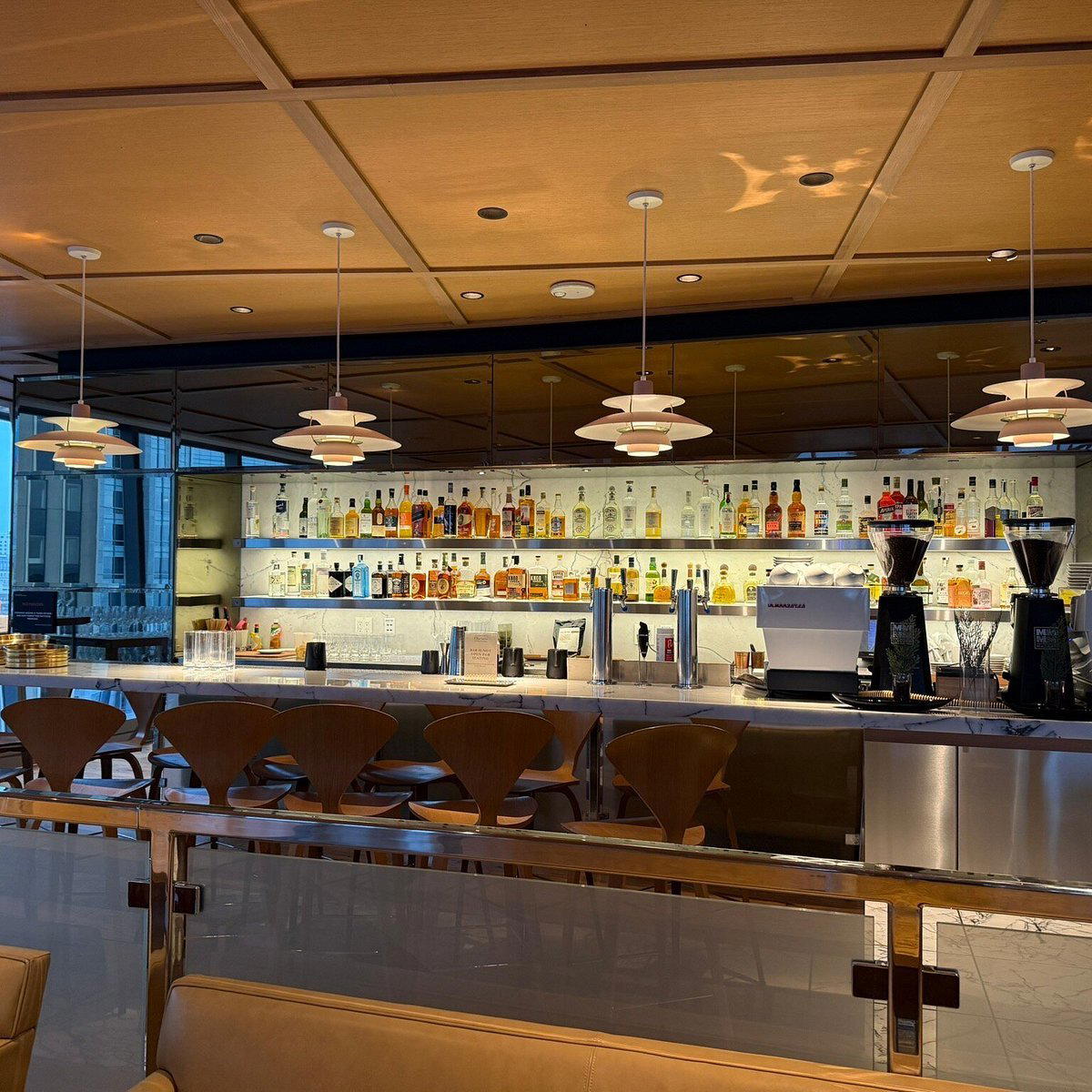
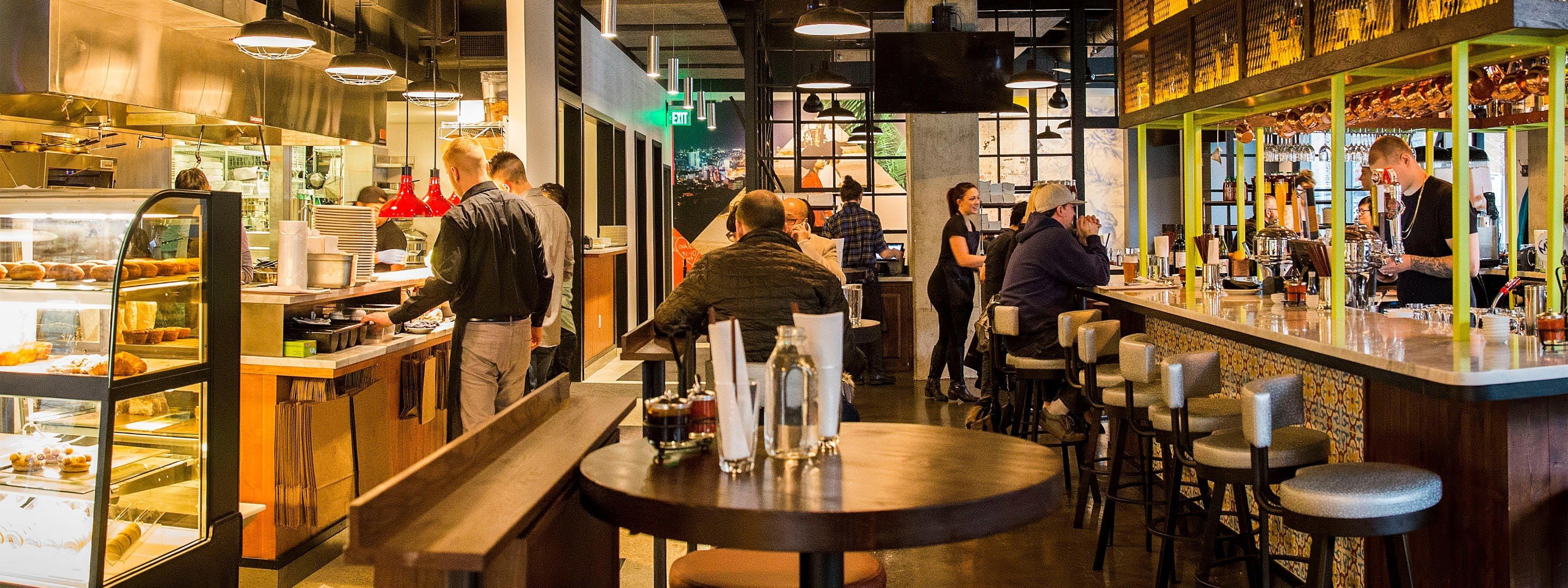
Bars in Seattle
All bars in Seattle →

Details
- Cozy
- Casual
- Casual Hangout
- Family
- Open Kitchen
- A La Carte
- Vegetarian Friendly
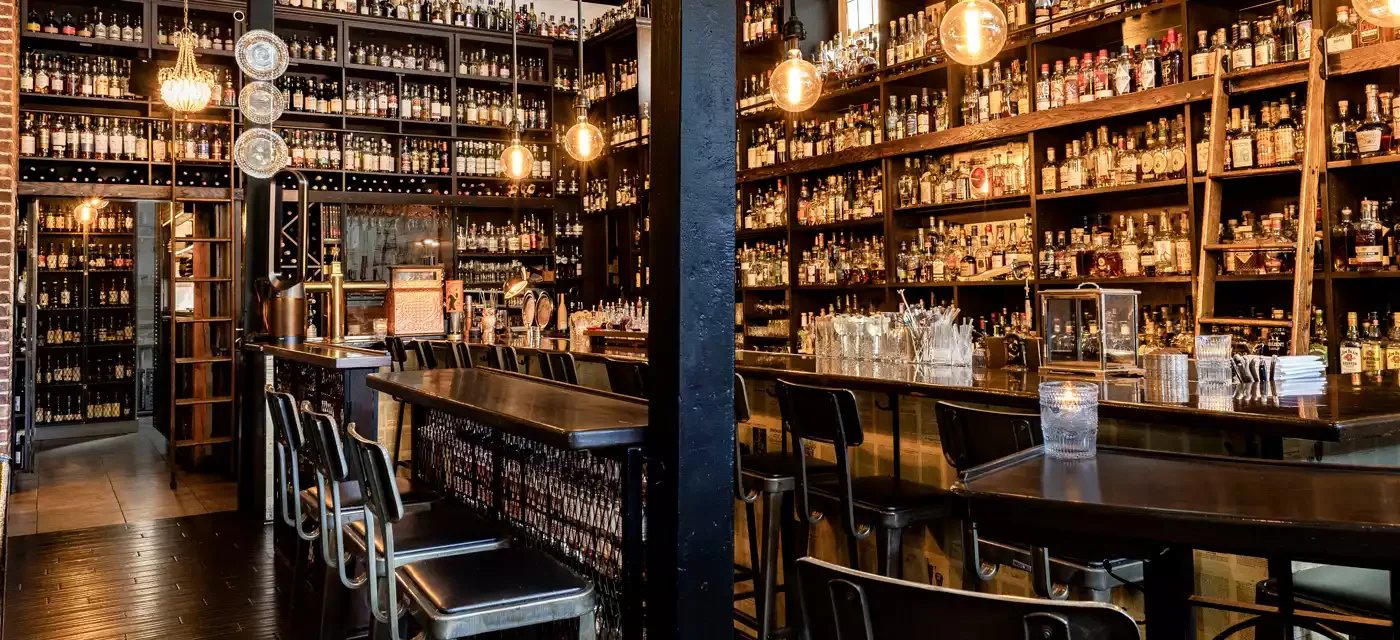
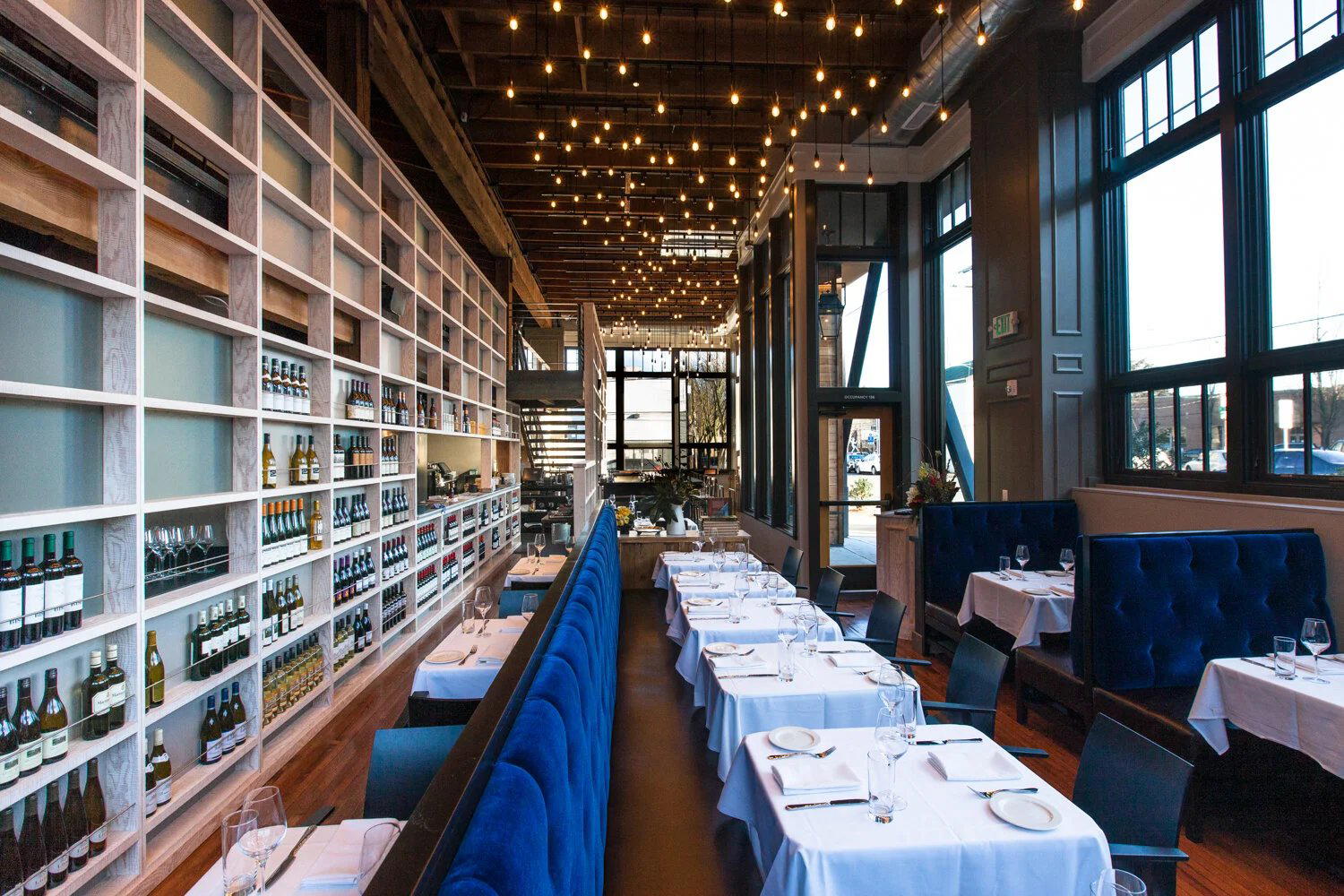
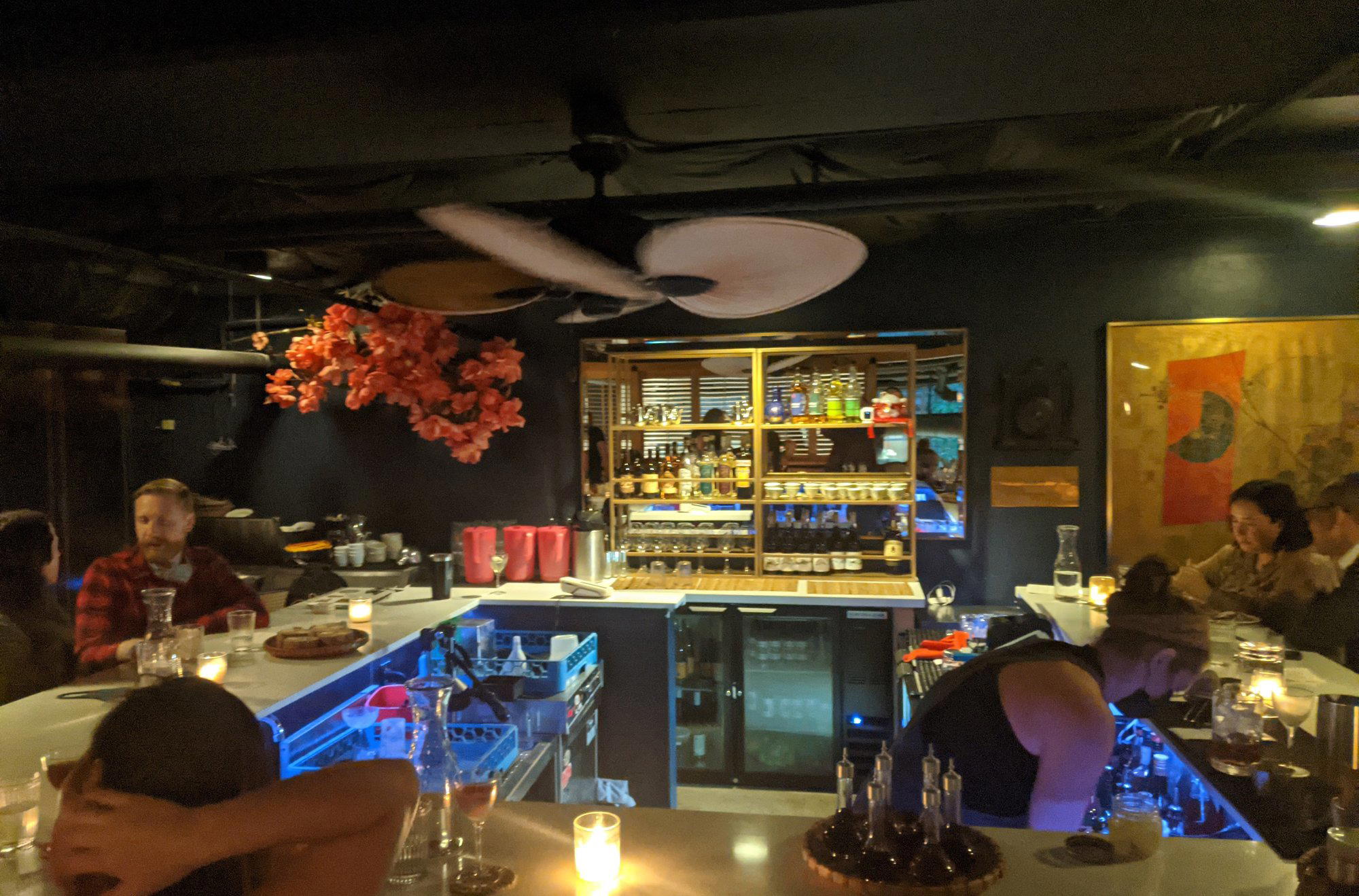
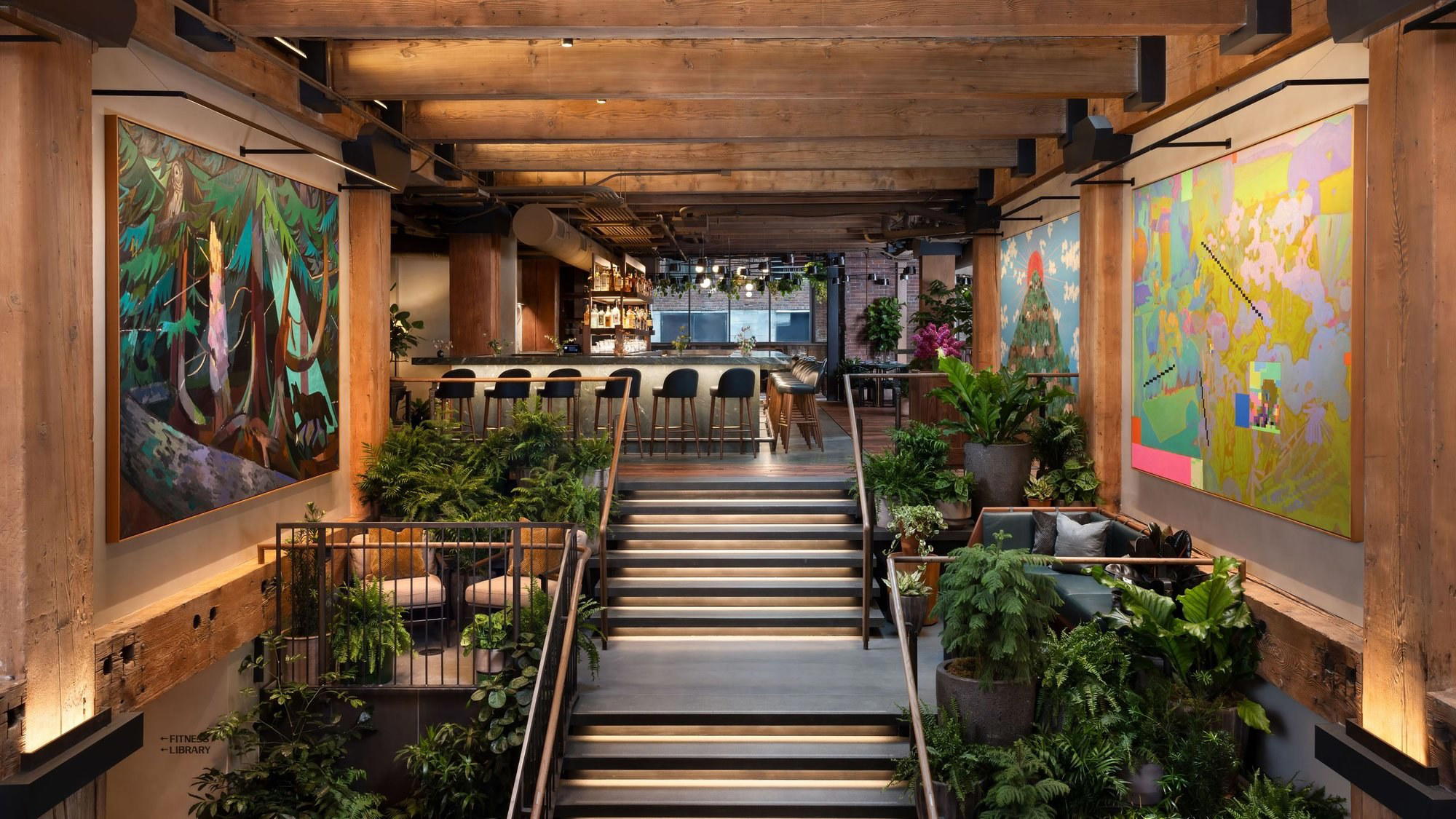
Steamy, crowded basement with chatty students, minimalist hole-in-the-wall feel, and a casual, hearty atmosphere.