Duke's Seafood - Lake Union
Duke's Seafood on Lake Union occupies one of Seattle's most direct waterfront positions, trading in Pacific Northwest fish and shellfish against a backdrop of working water. The restaurant has evolved through multiple chapters of Seattle's dining scene, making it a useful reference point for how casual-upscale seafood formats have shifted in a city defined by its proximity to some of North America's most productive fishing grounds.
Pearl is the En Primeur Club membership app — saves, bookings, and concierge access live there. Same editors, same standards.
- Address
- 1111 Fairview Ave N, Seattle, WA 98109
- Phone
- +12063829963
- Website
- dukesseafood.com
- Directions
- Get directions
 Saves & bookings on Pearl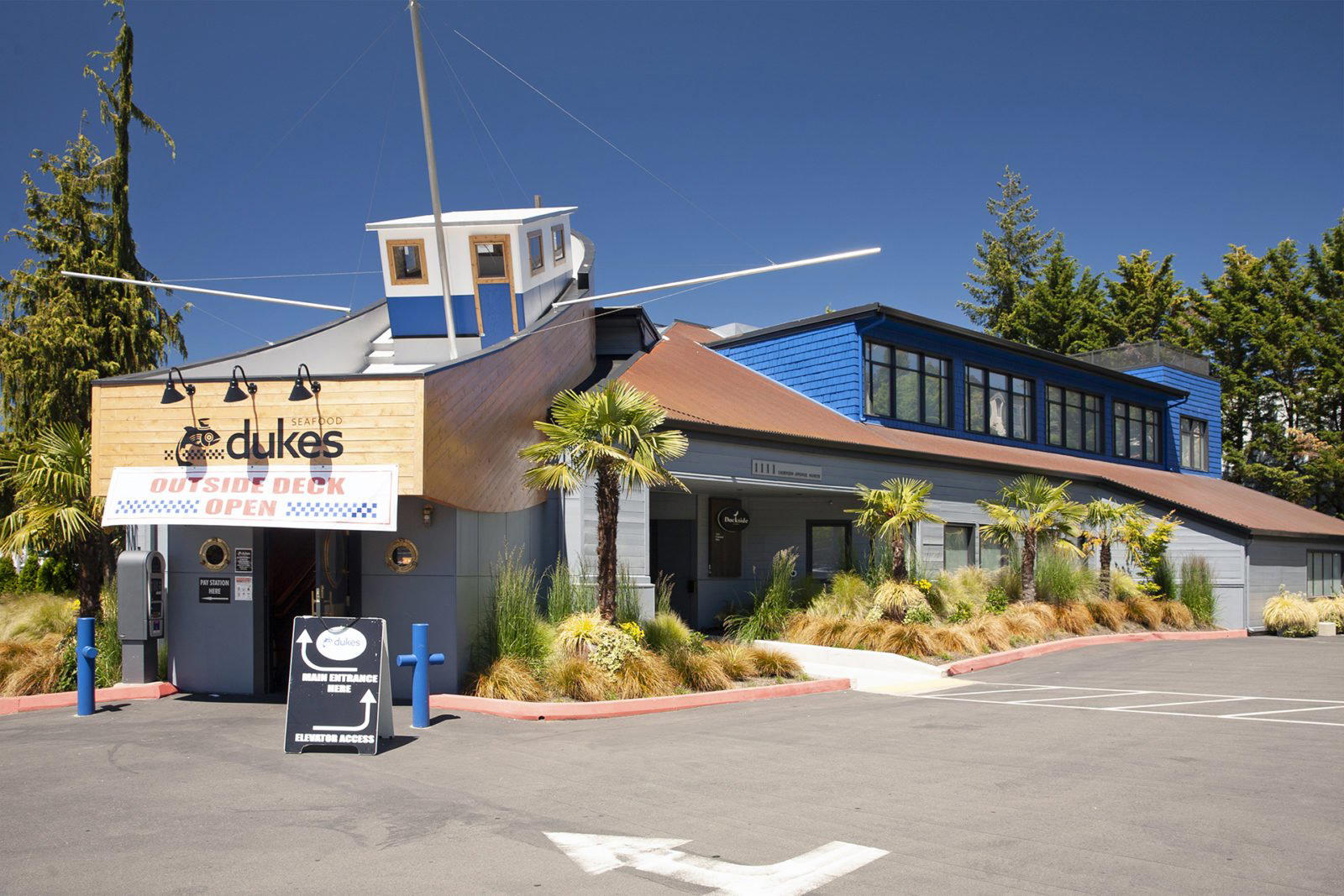
Water as Context: Dining at the Edge of Lake Union
Seattle restaurants that claim waterfront positioning often mean something approximate: a rooftop view, a window facing the right direction, a marina in the distance. Duke's Seafood at 1111 Fairview Ave N operates with less distance between the dining room and the water than most. Lake Union, working lake, seaplane corridor, houseboat community, sits directly outside, and that proximity is not decorative. It shapes what the room feels like at different hours, and it anchors the restaurant's identity in a way that a purely inland seafood operation cannot replicate.
Lake Union is not Elliott Bay, and Duke's is not a fish market counter. What the location provides is a sense of continuity with Seattle's aquatic character without the tourist density of Pike Place Market or the fine-dining register of a waterfront special-occasion room. The format here has always occupied a middle register: accessible enough for a regular Tuesday, composed enough to read as a considered choice.
How Seattle's Casual-Upscale Seafood Tier Has Moved
Duke's Lake Union sits in Seattle's mid-range seafood category, where waterfront setting and accessibility matter as much as the menu. The early 2000s saw a consolidation around the classic Pacific Northwest template: Dungeness crab, wild salmon, chowder, a wine list weighted toward Washington and Oregon whites. That format was commercially reliable but editorially underdeveloped. Menus across the category read similarly, differentiated mainly by view and price point.
The decade that followed introduced pressure from two directions. On one side, the craft-casual movement pushed even approachable restaurants toward sourcing transparency and regional specificity, not just "Pacific salmon" but named fisheries, seasonal windows, and preparation methods that acknowledged the ingredient rather than obscuring it. On the other, the rise of destination tasting-menu culture in Seattle, represented by rooms like Canlis and the more recent wave of chef-driven formats at Joule, reset expectations for what a serious meal in the city could look like.
Duke's Seafood, as a multi-location operation with history on both sides of that inflection point, had to decide what it was becoming. The Lake Union location is the clearest expression of the answer: a restaurant that has leaned into its waterfront setting and its accessibility rather than reaching toward tasting-menu complexity, while updating its approach to sourcing and presentation to meet a more informed guest.
The Evolution Argument: Why Longevity in Seattle Seafood Is Not Automatic
Longevity in a specific restaurant category is sometimes read as proof of quality and sometimes as proof of inertia. In Seattle's seafood sector, the distinction matters. The city's fishing and aquaculture supply chain has become more sophisticated, not less, over the past twenty years. Restaurants that did not update their sourcing relationships and their kitchen approaches risk falling behind a guest base that now cross-references sustainability certifications, reads fishery reports, and has eaten at operations from Le Bernardin in New York City to Providence in Los Angeles that have made ingredient transparency a central editorial statement.
Duke's public positioning on sustainability and sourcing, a consistent part of its communication across locations, represents a direct response to that shift. It is a strategic move as much as an ethical one: in a market where independent operators and newer entrants can credibly claim sourcing rigor, an established multi-location brand needs to make the same argument or cede that ground. Whether the execution at Lake Union matches the positioning is a question each visit resolves differently, but the fact that the argument is being made at all reflects how much the category has moved.
For comparison: the evolution Duke's has undergone at a brand level parallels what larger-format seafood institutions have navigated in other American cities. Emeril's in New Orleans represents a different model of branded longevity in American dining, one where the chef's name carries the institution through market cycles. Duke's operates without that kind of named culinary identity at the forefront, relying instead on format consistency, location advantage, and category positioning.
The Lake Union Room: What the Setting Determines
Waterfront dining rooms in Seattle operate on different rhythms depending on orientation and season. Lake Union's northern position in the city means the room catches long summer light in ways that shift the atmosphere considerably from the grey-water November experience. Summer evenings at the Fairview Ave address carry a particular energy: seaplanes on approach, kayakers on the lake, the kind of ambient motion that makes the room feel connected to something larger than the meal itself.
That seasonality is relevant to planning. Seattle's dining calendar splits fairly cleanly between the high-activity window from June through September and the quieter months where the city's restaurant scene becomes more local and less tourist-adjacent. For a waterfront room like this one, the gap between those periods is more pronounced than at an inland address. Coming in the shoulder season, late May or October, offers the view without the peak-period compression.
Seattle's broader waterfront and South Lake Union development has also changed the competitive context around this address. The neighborhood has attracted tech-adjacent dining, hotel restaurants, and new casual formats that have raised the general standard of the immediate area. Duke's Lake Union now operates in a denser competitive cluster than it did a decade ago, which is an argument for arriving with specific intent rather than defaulting to it as the nearest waterfront option.
How Duke's Lake Union Compares Logistically
| Venue | Format | Location Type | Price Register | Booking Approach |
|---|---|---|---|---|
| Duke's Seafood – Lake Union | Casual-upscale seafood | Lakefront, South Lake Union | Mid-range | Walk-in and reservation |
| Canlis | Fine dining, New American | Queen Anne hillside | Premium | Advance reservation required |
| Walrus & Carpenter | Oyster bar, New American seafood | Ballard | Mid-range | Walk-in only, queues form early |
| Joule | Chef-driven, New Asian | Wallingford | Mid-to-upper | Reservation recommended |
Planning Notes for Duke's Lake Union
The Lake Union location is one of several Duke's Seafood addresses in the Seattle area. If the waterfront setting is the specific draw, confirm you are booking or arriving at the Fairview Ave N address rather than a suburban location. The South Lake Union neighborhood is walkable from the streetcar line and accessible by rideshare from Capitol Hill and downtown in under ten minutes, depending on traffic.
South Lake Union now has enough adjacent interest, the Museum of History and Industry, the lake itself, the newer retail and bar openings, to justify orienting a half-day around this part of the city.
Recognition Snapshot
Comparable venues nearby, for context on price, style, and recognition.
| Venue | Cuisine | Price | Notes |
|---|---|---|---|
| Duke's Seafood - Lake UnionThis venue — the venue you are viewing | Sustainable Northwest Seafood | $$ | Not listed |
| Mr. Fish Chips & Chowder | Pacific Northwest Fish & Chips and Chowder | $$ | Pike Place Market |
| Ray's Cafe | Casual Northwest Seafood | $$ | Sunset Hill |
| RIDER | Pacific Northwest Seafood & Wood-Fired Grill | $$$ | Central Business District |
| Cinder + Salt | Modern Pacific Northwest Coastal Seafood | $$$ | Central Business District |
| Lil Woody's Capitol Hill | Seattle Burger Joint | $$ | Pike/Pine |
Continue exploring
More in Seattle
Restaurants in Seattle
Browse all →
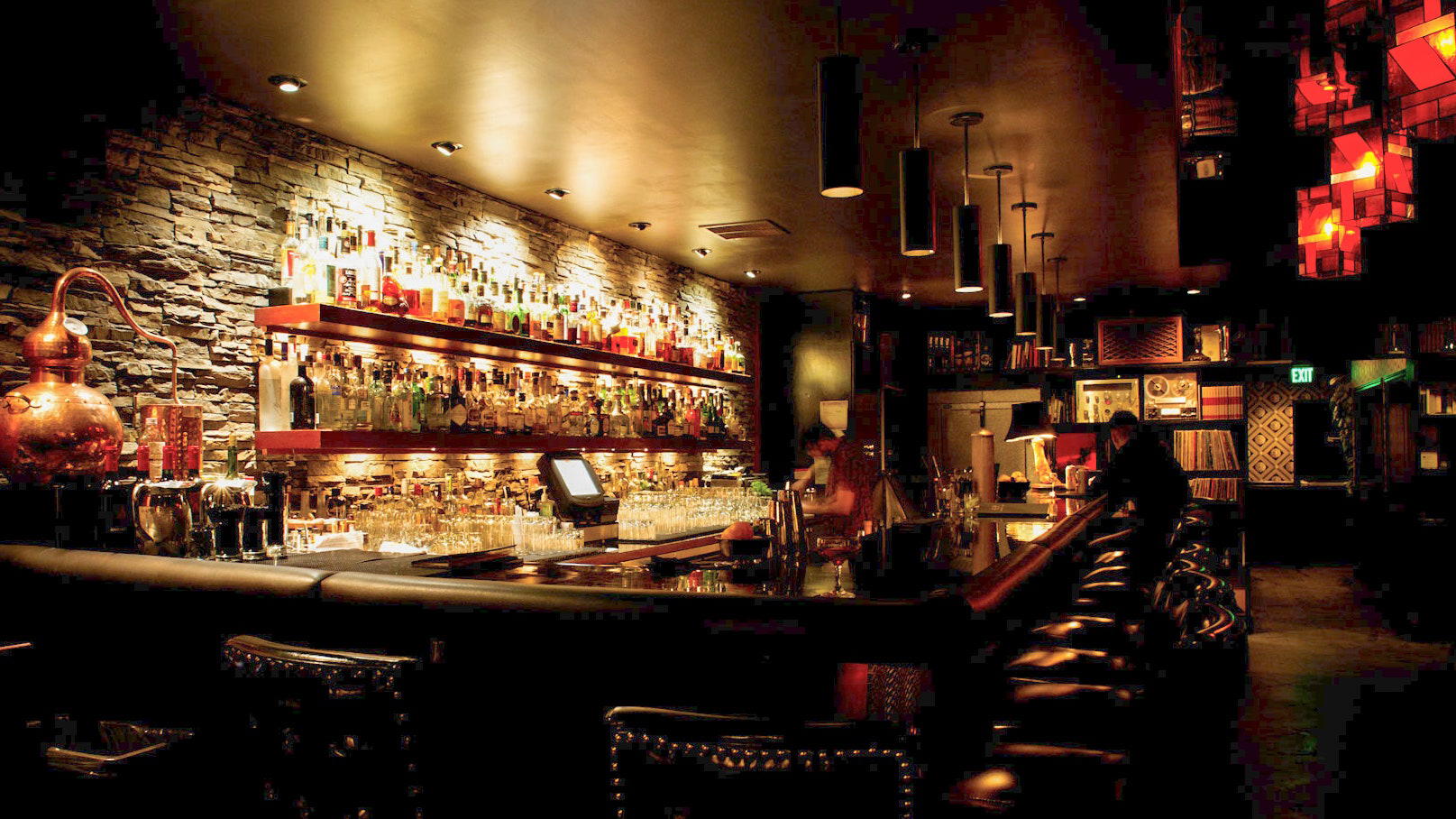
Bars in Seattle
Browse all →
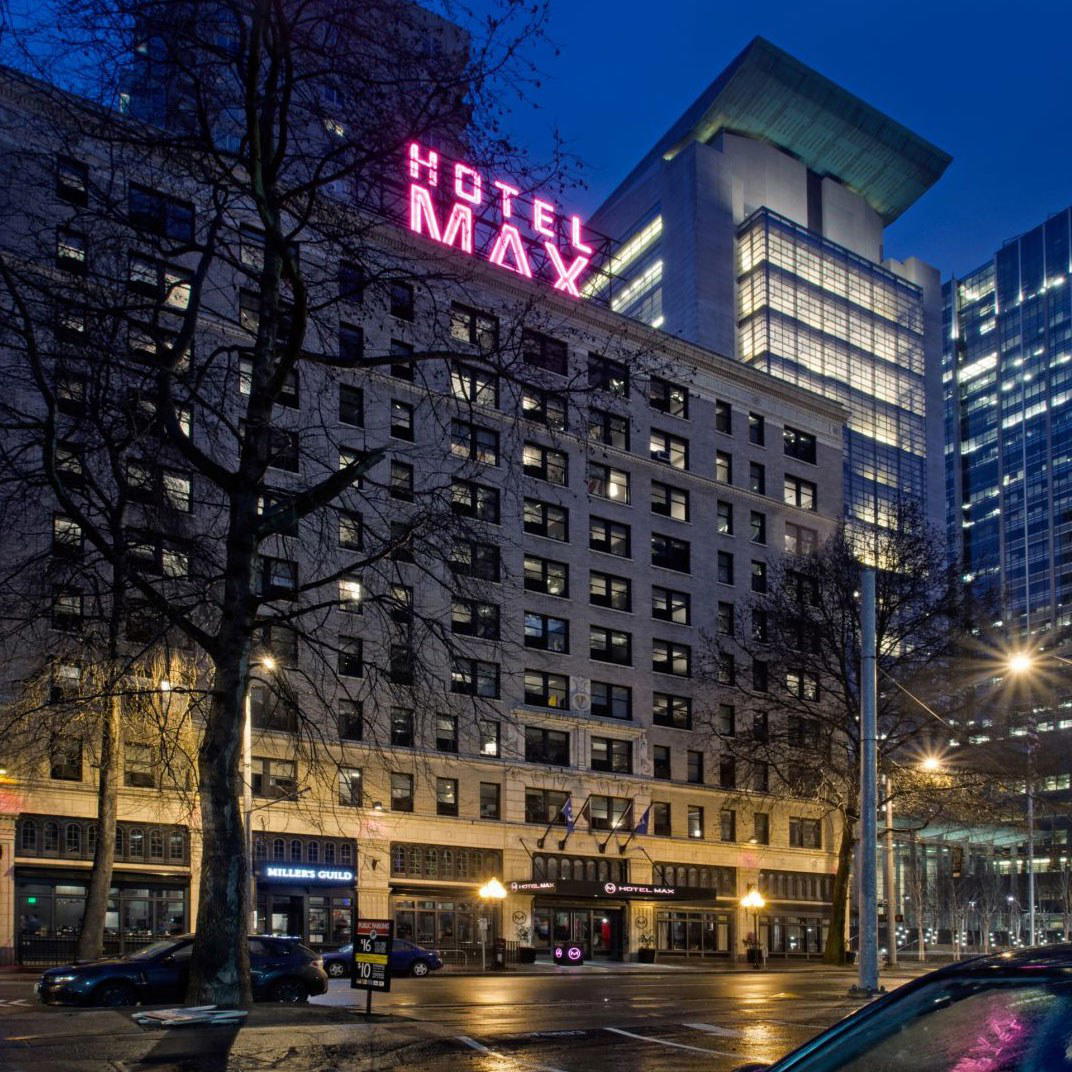
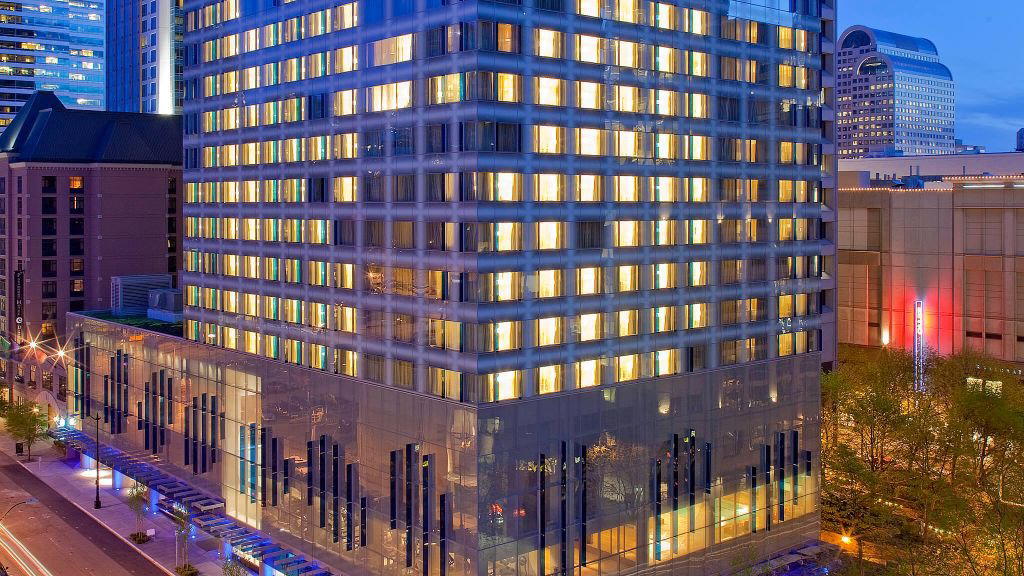
Hotels in Seattle
Browse all →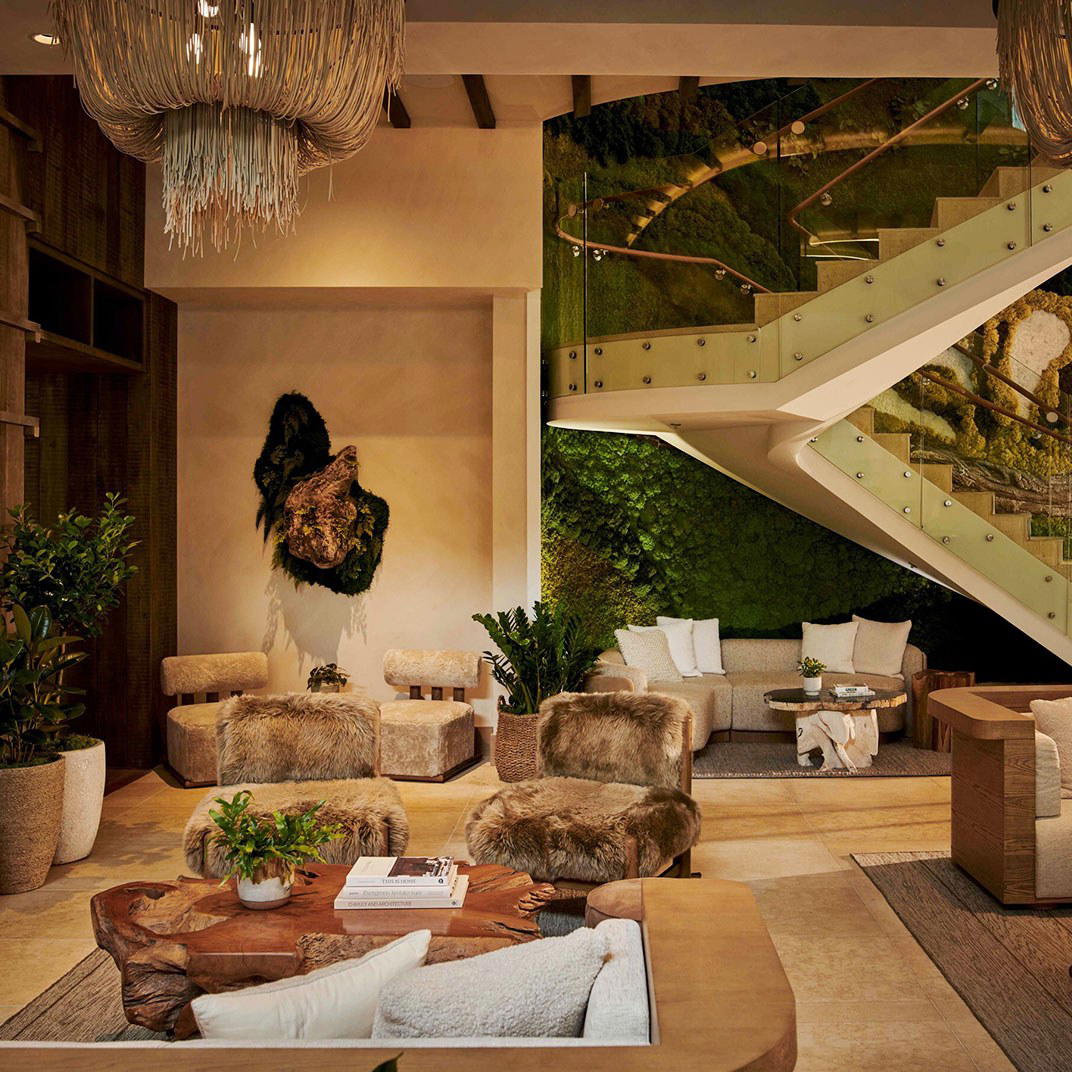
At a Glance
- Scenic
- Lively
- Well Known
- Group Dining
- Casual Hangout
- Celebration
- Waterfront
- Sustainable Seafood
- Local Sourcing
- Waterfront
- Skyline
Current opening hours
- Monday
- 11 AM–10 PM
- Tuesday
- 11 AM–10 PM
- Wednesday
- 11 AM–10 PM
- Thursday
- 11 AM–10 PM
- Friday
- 11 AM–11 PM
- Saturday
- 11 AM–11 PM
- Sunday
- 11 AM–10 PM
Hours can change for holidays and private events. Last verified .
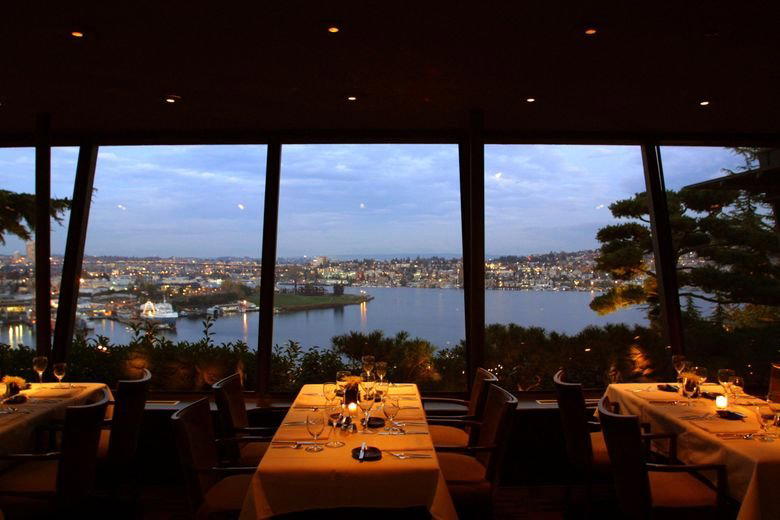
Lively and packed atmosphere with quirky fishing-themed decor, marina views from the second-story dining room, and a festive vibe enhanced by outdoor deck seating.