Pasta Casalinga
Our verdict
Pasta Casalinga occupies a second-floor address on Pike Street, steps from Pike Place Market, where Seattle's hand-rolled pasta tradition finds one of its more focused expressions. The format sits within a broader city shift toward Italian regional cooking done with ingredient discipline rather than red-sauce nostalgia. For visitors mapping the downtown dining corridor, it belongs on any shortlist of pasta-forward stops near the Market.

Pearl is the En Primeur Club membership app, where members save venues, book tables and use the concierge.
The menu
What to order
- Lasagna alla boscaiola
- Tagliolini Con Salmon E Zucchine
- Pappardelle Con Finferli E Salsiccia
Pike Street, Second Floor: Where Seattle's Pasta Tradition Gets Serious
Seattle's relationship with Italian cooking has shifted considerably over the past decade. The city that once defaulted to broad-strokes trattorias and red-sauce standards has developed a quieter, more ingredient-driven cohort of pasta-focused restaurants, many of them concentrated along the Pike and Pine corridor where proximity to Pike Place Market's produce and artisan suppliers gives kitchens a structural advantage. Pasta Casalinga sits at 93 Pike St, second floor, directly inside that geography. The address alone places it within walking distance of the market's pasta vendors, fishmongers, and specialty importers, a supply chain that shapes what serious pasta restaurants in this city can do that their counterparts in landlocked metros cannot.
The name itself signals intent. Casalinga, Italian for home-style, or literally "of the house", is a word that carries weight in Italian culinary tradition. It implies cooking rooted in domestic technique rather than restaurant showmanship: dough made by hand, rested properly, shaped with consistency rather than precision-tool uniformity. Whether the kitchen delivers on that etymology is a question leading answered by ordering pasta rather than reading about it, but the framing matters. It places Pasta Casalinga in a specific competitive tier: not the white-tablecloth northern Italian fine-dining category represented by Seattle's more formally ambitious rooms, and not the casual pizza-pasta hybrid that fills the middle market. It occupies the considered-casual register that has proven commercially durable in cities like San Francisco and New York, where pasta-specialist formats now command serious critical attention.
The Wine Question: What a Pasta-Focused List Looks Like in Seattle
In Italian regional cooking, the wine list is rarely decorative. The tradition of pairing regional pasta with regional wine is deeply embedded, you don't serve Piedmontese tajarin with something from the Rhône without drawing attention to the mismatch. For a restaurant whose name invokes Italian domestic tradition, the cellar's orientation toward Italian producers is both logical and, when executed well, one of the most useful things it can offer a diner who wants to eat and drink coherently.
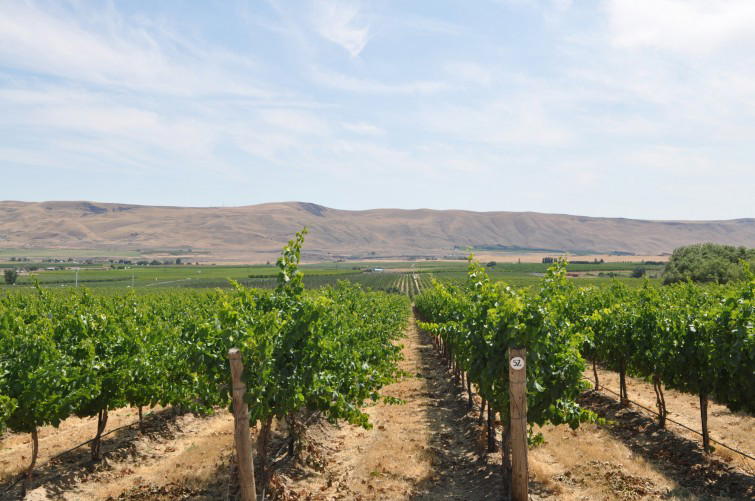
Seattle is not a wine-producing region in the Italian sense, but Washington State's wine industry has matured to the point where local Sangiovese, Nebbiolo, and Barbera expressions from the Columbia Valley and Walla Walla now appear on serious Italian-leaning lists alongside their Old World counterparts. A pasta restaurant at this address, positioned between the tourist traffic of Pike Place and the working population of the Belltown-to-Capitol Hill corridor, has access to a customer base that ranges from casual visitors to serious collectors. The cellar curation challenge is balancing accessibility, approachable bottles at the lower price points that work with simple cacio e pepe or amatriciana, with sufficient depth to satisfy the reader who wants a Taurasi or a mature Barolo alongside something more elaborate.
For comparison, restaurants like Canlis (New American) and Joule (New Asian) demonstrate that Seattle's more committed dining rooms treat the wine program as a distinct editorial statement rather than a procurement afterthought. The best-positioned pasta specialists in other American cities follow the same logic: at Lazy Bear in San Francisco or Atomix in New York City, the beverage program is inseparable from the kitchen's identity. That standard is increasingly the expectation, not the exception.
The Downtown Corridor: Where Pasta Casalinga Sits in Seattle's Dining Map
Pike Street between 1st and 2nd Avenue is one of Seattle's most compressed dining corridors. Within a short walk, you encounter everything from market-stall eat-standing options to the more structured rooms that serve the downtown professional lunch and the pre-theater dinner crowd. 1415 1st Ave and 1744 NW Market St represent the kind of address-specific dining that defines this neighborhood's character: rooms shaped by their precise location rather than by a broader brand strategy. Pasta Casalinga's second-floor position on Pike Street puts it slightly above the street-level noise, physically and, arguably, in terms of the deliberateness required to find it, which tends to self-select for diners who came with a purpose rather than passing foot traffic.
That self-selection dynamic matters for a restaurant operating in the casalinga register. Pasta made properly is labor-intensive and margin-thin. The formats that sustain it in competitive urban markets tend to rely on return customers who understand what they're getting, rather than volume driven by location alone. 2963 4th Ave S exemplifies a similar neighborhood-anchored logic on the south side of the city. For the full picture of where Pasta Casalinga sits within Seattle's broader dining ecosystem, our full Seattle restaurants guide maps the city's dining character by neighborhood and category.
Italian Pasta in American Cities: The Broader Context
The pasta-specialist format has gained significant traction in American fine and mid-fine dining over the past several years. Restaurants across the country have moved away from pasta as a secondary course within broader Italian-American menus toward formats where handmade pasta is the organizing principle. This mirrors developments at the higher end of the American dining spectrum: places like The French Laundry in Napa, Alinea in Chicago, and Single Thread Farm in Healdsburg have all, in different ways, demonstrated that American diners are willing to organize an entire meal around a single culinary grammar when the execution is precise enough.
At the more accessible price points where pasta specialists operate, the same principle applies with different economics. Italian regional pasta traditions are extraordinarily diverse: the egg-rich doughs of Emilia-Romagna, the semolina-water pastas of Puglia and Sicily, the trofie and trenette of Liguria. A restaurant that commits to this diversity rather than defaulting to a short list of crowd-pleasers is making a curatorial argument about what Italian cooking can be in an American city. Whether Pasta Casalinga makes that argument, and how persuasively, is what a visit will tell you. Comparable operations in other markets, from the direct Italian rooms that form the mid-tier of Le Bernardin in New York City's competitive neighborhood to the regional specialists that have emerged near Emeril's in New Orleans, suggest there is appetite for the format when the kitchen is disciplined.
Internationally, the benchmark for serious Italian pasta outside Italy includes rooms like 8 1/2 Otto e Mezzo Bombana in Hong Kong, which has demonstrated that Italian regional precision translates across very different dining cultures when the sourcing and technique hold. Seattle, with its particular access to Pacific Northwest ingredients and its increasingly sophisticated dining public, has the infrastructure to support serious Italian cooking at multiple price points.
Planning Your Visit
Does Pasta Casalinga's Pike Place proximity affect what's on the plate?
The restaurant's address at 93 Pike St places it within the immediate supply radius of Pike Place Market, one of the country's longest-running and most diverse urban food markets. In Seattle's Italian-leaning kitchens, that proximity has historically translated into menu responsiveness to seasonal produce, locally sourced seafood, and specialty imports available through the market's artisan vendors.
Frequently asked questions
Where exactly is Pasta Casalinga?
Pasta Casalinga is located at 93 Pike St #201, Seattle, WA 98101, Seattle.
Is Pasta Casalinga inside Pike Place Market or near it?
Pasta Casalinga is not inside Pike Place Market itself, the restaurant's address is 93 Pike St, Suite 201, Seattle, which places it on the second floor of a building on Pike Street, within close proximity to the market. That distinction matters practically: the restaurant has its own entrance and operates independently of market hours and vendors. The proximity to Pike Place does position it within the supply radius of the market's fish, produce, and specialty goods stalls.
What's the best thing to order at Pasta Casalinga?
The name casalinga points toward home-style Italian technique, which typically means hand-rolled, cut-to-order pasta forms rather than extruded or factory-shaped alternatives. At restaurants operating in this format in Seattle, the pasta itself is the draw, the sauce choices matter less than the quality of the dough.
Do they take walk-ins at Pasta Casalinga?
Pasta Casalinga occupies a second-floor space at 93 Pike St, which tends to filter casual foot traffic relative to street-level spots on the same corridor. Walk-in availability is likely to vary by day and time; weekday lunches and early weeknight seatings typically offer more flexibility than Friday and Saturday dinner service in Seattle's downtown core. Calling ahead or checking directly with the restaurant before arriving is the practical approach.
What is Pasta Casalinga known for?
The name casalinga translates roughly to 'housewife-style' in Italian, a signal toward rustic, domestic technique rather than the formal architecture of contemporary fine-dining Italian cooking. In Seattle's current restaurant landscape, that positions Pasta Casalinga within a small group of pasta-focused spots that prioritize craft over concept. The Pike Street address places it close to Pike Place Market, one of the country's oldest continuously operating public markets, which shapes ingredient sourcing for restaurants in the immediate vicinity.
How does Pasta Casalinga handle allergies?
At a pasta-focused restaurant, gluten is structural to most of the menu, which is worth confirming directly before booking if that is a concern. Guests with dietary restrictions should contact the restaurant at 93 Pike St, Seattle ahead of their visit to discuss options.
Is Pasta Casalinga good value for money?
As a reference point, handmade pasta restaurants in Seattle's downtown corridor, particularly those close to Pike Place Market, typically run in the mid-range tier, with pasta courses sitting between $18 and $28 depending on format.
Comparable Venues
Comparable venues nearby, for context on price, style, and recognition.
| Venue | Cuisine | Price | Notes |
|---|---|---|---|
| Pasta CasalingaThis venue (the venue you are viewing) | Handmade Italian Pasta with Northwest Flavors | $10–20 | Not listed |
| Willmott's Ghost | Roman-Style Italian Pizza | $20–30 | Denny Triangle |
| Agrodolce | Sicilian-Inspired Trattoria | Not listed | Fremont |
| Mioposto | Wood-Fired Italian Pizzeria | $20–30 | Mount Baker |
| Autumn Seattle | Italian-inspired Pasta & Seasonal | $50–100 | Phinney Ridge |
| A.K. Pizza | New York-Style Pizza | $30–50 | Othello |
Continue exploring
More in Seattle
Restaurants in Seattle
All restaurants in Seattle →
Bars in Seattle
All bars in Seattle →
Details
- Cozy
- Rustic
- Intimate
- Casual Hangout
- Open Kitchen
- Local Sourcing
- Street Scene
- A La Carte
- Vegetarian Friendly
Current opening hours
- Monday
- 11 AM–4:45 PM
- Tuesday
- 11 AM–4:45 PM
- Wednesday
- 11 AM–4:45 PM
- Thursday
- 11 AM–4:45 PM
- Friday
- 11 AM–4:45 PM
- Saturday
- 11 AM–4:45 PM
- Sunday
- 11 AM–4:45 PM
Hours can change for holidays and private events. Hours as of .
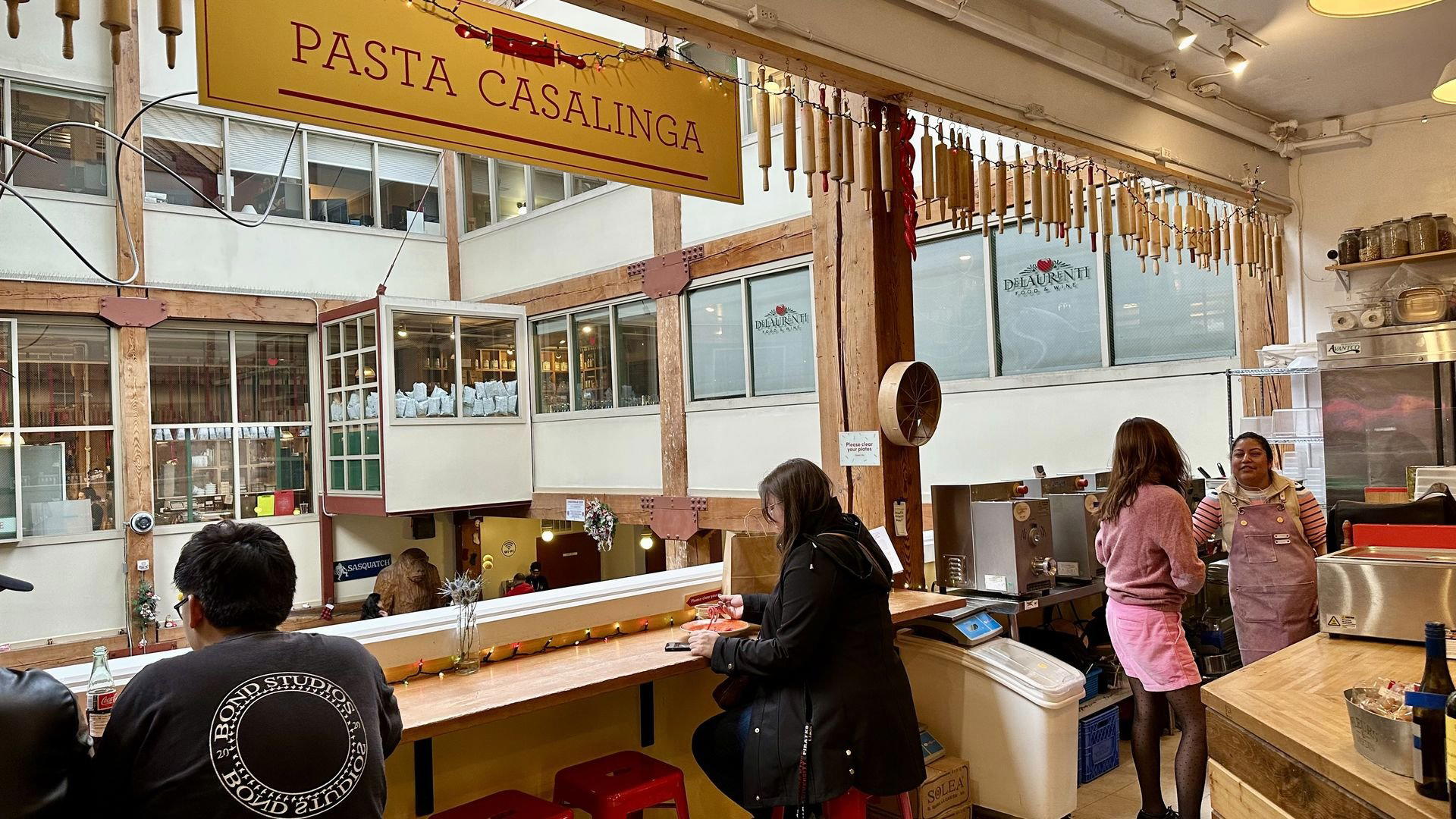
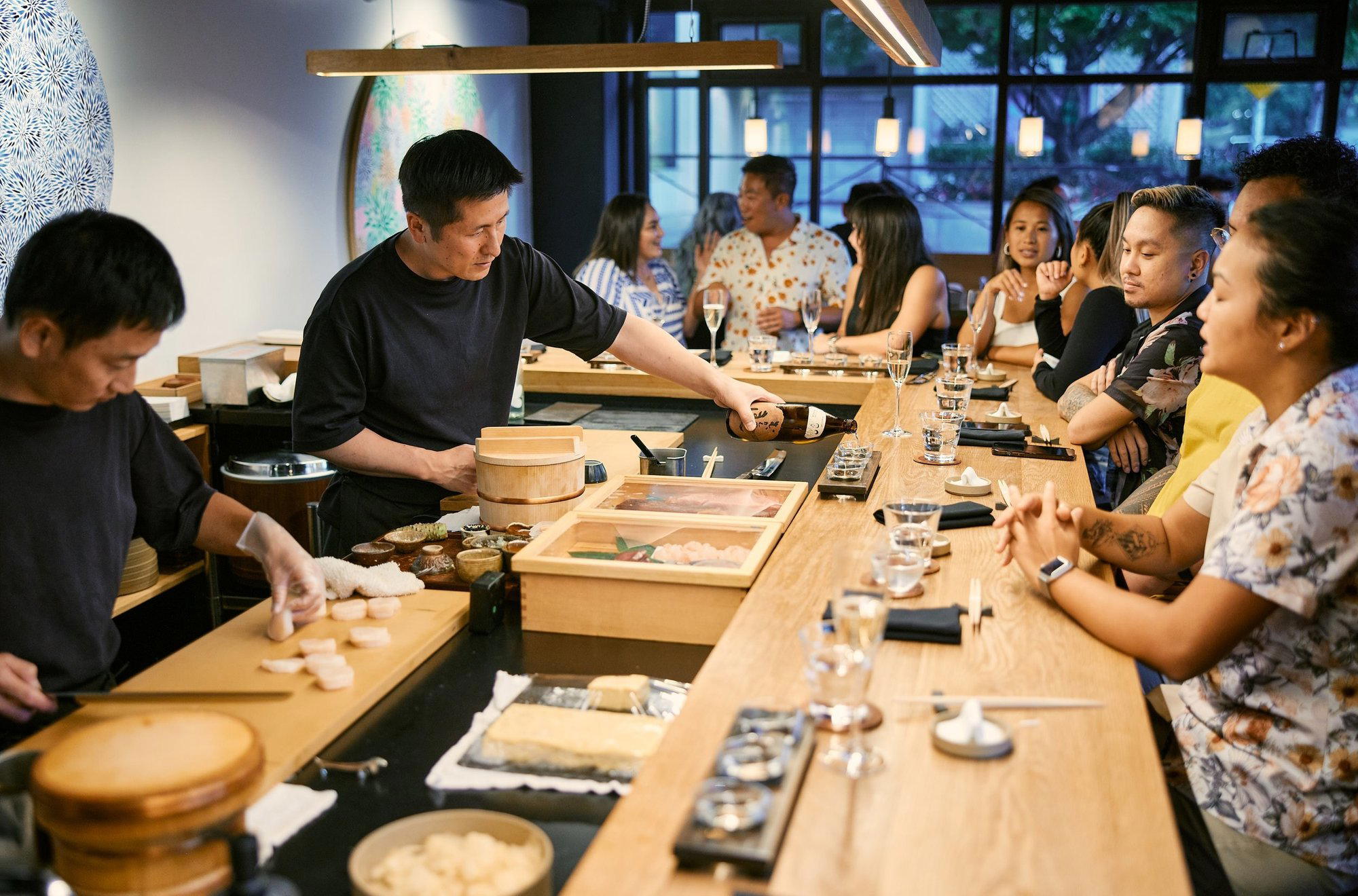
Warm welcoming kitchen atmosphere with counter seating overlooking the bustling market.