La Cocina Oaxaqueña
On Capitol Hill's Pine Street corridor, La Cocina Oaxaqueña brings the cooking traditions of southern Mexico to a Seattle dining scene more accustomed to Pacific Rim and New American formats. The restaurant draws on Oaxacan culinary foundations, mole, mezcal culture, and corn-based staples, that remain underrepresented at this address. For Seattle diners tracking regional Mexican depth, it occupies a distinct position in the city's broader restaurant map.
Pearl is the En Primeur Club membership app — saves, bookings, and concierge access live there. Same editors, same standards.
- Address
- 1216 Pine St, Seattle, WA 98101
- Phone
- +1 206 623 8226
- Website
- lacocinaoaxaquena.com
- Directions
- Get directions
 Saves & bookings on Pearl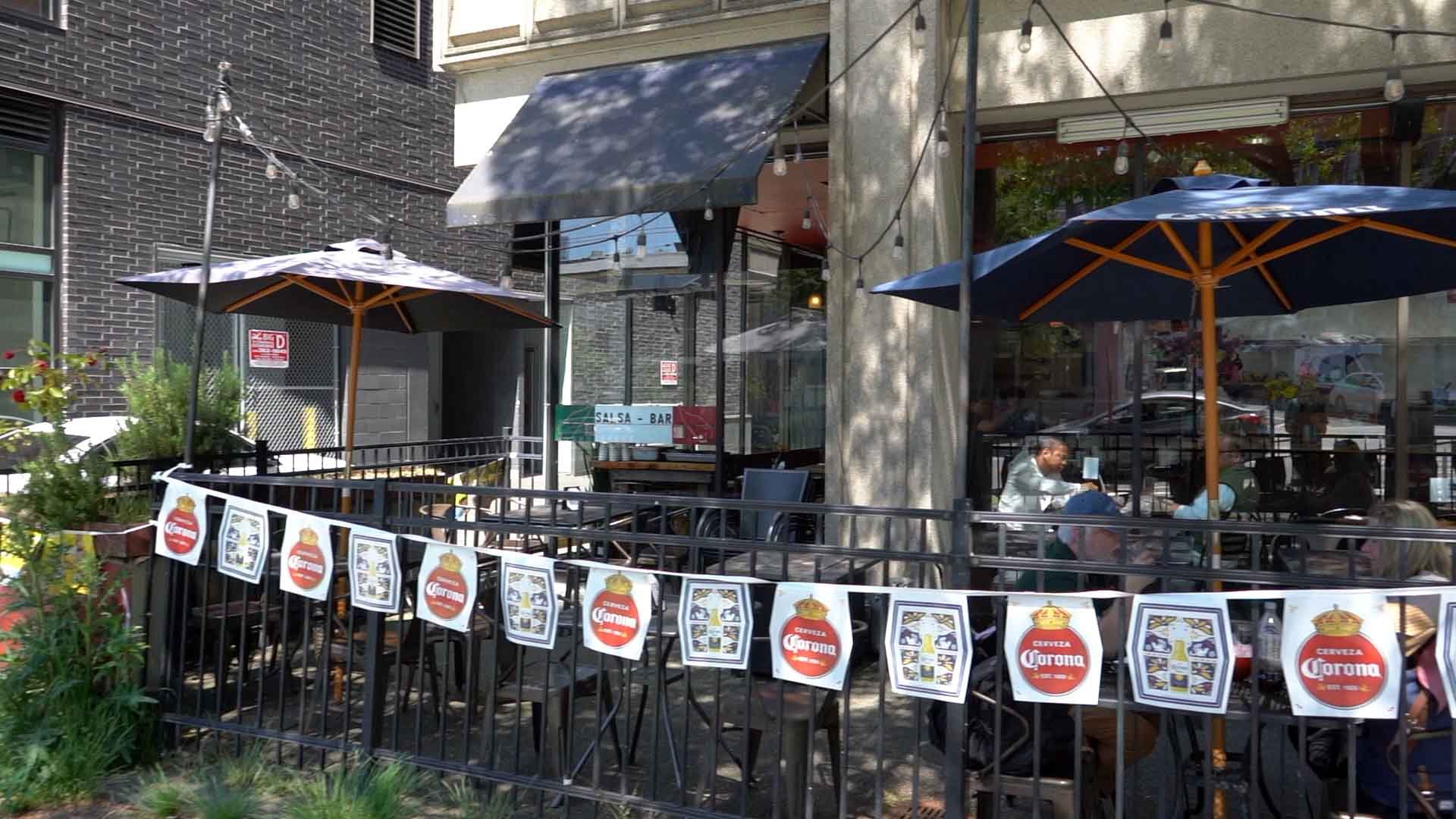
A Southern Mexican Kitchen on Capitol Hill
Capitol Hill has long functioned as Seattle's most restless dining corridor, the neighbourhood where formats cycle quickly and independent operators take the kind of creative risks that more conservative districts rarely sustain. Pine Street, specifically, runs through that energy rather than around it. In this context, La Cocina Oaxaqueña at 1216 Pine St occupies an interesting position: it brings one of Mexico's most technique-driven regional cuisines into a block more often associated with Pacific Rim inflections and New American experimentation,
Oaxacan cooking is not a shorthand for tacos and chips. It is among the more codified regional traditions in Mexican gastronomy, a canon built on seven distinct mole sauces, nixtamalized corn preparations, smoked and dried chiles, and a mezcal culture that predates the spirit's global revival by several centuries. When a kitchen commits to that tradition seriously, it operates in a different register from generalist Mexican restaurants, and Seattle has had limited representation in that specific niche.
What the Cooking Tradition Brings to the Table
The sensory grammar of Oaxacan cuisine is distinctive enough that it reshapes dining expectations before a dish arrives. Smoke is not incidental here, it is structural. Mezcal production relies on pit-roasting agave hearts, and that same relationship with char and slow heat carries into the kitchen through chicatanas (flying ants), chapulines (grasshoppers), and chiles negros toasted until their oils darken and concentrate. The smell of a serious Oaxacan kitchen tends to arrive before the food does: warm corn masa, charred dried chiles, and the particular sweetness of a mole negro that has been cooking for hours.
That sensory layering is what separates regional Mexican cooking from its more generic relatives. A mole negro, done properly, can contain more than thirty ingredients and takes multiple days to develop. Tlayudas, the large, partially crisped tortillas that function as Oaxaca's most recognizable street format, depend on the quality of the masa and the proportion of asiento (unrefined pork fat) to beans. These are not casual preparations, and kitchens that take them seriously tend to distinguish themselves quickly in cities where Mexican food has historically been compressed into a narrower set of flavours.
For Seattle diners used to the precision of restaurants like Smyth in Chicago or the sourcing discipline of Blue Hill at Stone Barns in Tarrytown, the appeal of serious regional Mexican cooking lies in its comparable depth, different in form but equivalent in the degree to which it rewards attention. The same instinct that sends a diner toward the tasting menu at The French Laundry in Napa or the hyper-seasonal counter at Single Thread Farm in Healdsburg can lead them toward a properly executed mole negro, if the kitchen is doing its work.
Seattle's Regional Mexican Gap
Seattle's dining profile has been shaped by its geography: proximity to Japan, Korea, and Southeast Asia has produced particularly technically sophisticated Asian cooking outside those countries' own restaurant scenes. The city's New American tradition has found expression in places ranging from neighborhood bistros to the longstanding formal ambition of destinations like Canlis. Mexican cooking, by contrast, has often been represented at the casual or fast-casual tier, with fewer kitchens committing to the granular specificity of any single regional tradition.
That gap matters, because Oaxacan cuisine in particular has the complexity to sit alongside the kind of cooking that defines the serious end of Seattle's restaurant conversation. It is not a cuisine that scales well without losing something, the seven moles alone require dedicated preparation time and sourcing of dried chiles that do not travel as well as pantry staples. Kitchens that do it properly tend to be smaller operations with focused menus rather than broad Mexican-American hybrids.
Across the wider US dining scene, Oaxacan cooking has gained significant critical traction in cities like Los Angeles, where chefs trained in the state's culinary traditions have found receptive audiences among the same diners who follow restaurants like Providence or Addison in San Diego. Seattle's exposure to that conversation has been more limited, which makes a committed Oaxacan kitchen on Capitol Hill worth paying attention to.
The Capitol Hill Setting
The address at 1216 Pine St places La Cocina Oaxaqueña in the thickest part of Capitol Hill's commercial strip, a few blocks from the Pike-Pine corridor where much of the neighbourhood's independent dining energy is concentrated. This is a location that tends to favour operators with a defined identity rather than those hoping broad foot traffic will carry them, the neighbourhood's dining culture has become informed enough that novelty alone does not sustain a room. Longevity on Pine Street generally signals that a kitchen has found a genuine local constituency.
The neighbourhood dynamic rewards walking: restaurants, bars, and coffee shops operate in close proximity, and the area's character shifts noticeably from the more corporate texture of Belltown to the south. Other independent operators in the broader Seattle scene, from the address-specific spots tracked at 1415 1st Ave and 1744 NW Market St to the South Seattle kitchens near 2963 4th Ave S, illustrate how broadly Seattle's serious independent dining has spread beyond its downtown core.
How It Compares in the National Picture
For context on where serious regional Mexican cooking sits in the US dining hierarchy, it is worth noting that the category has rarely attracted the same institutional recognition as French-derived or Japanese-influenced kitchens. Restaurants like Le Bernardin in New York City, Atomix in New York City, or Lazy Bear in San Francisco occupy their positions in part because their parent traditions already carry institutional prestige. Regional Mexican cooking, including Oaxacan cuisine, has historically been undervalued by formal recognition systems relative to the technical complexity it demands. That gap between critical recognition and actual culinary depth is precisely where some of the more interesting US restaurant stories have emerged in recent years. Venues like Emeril's in New Orleans or The Inn at Little Washington built their reputations in part by taking regional American traditions seriously at a time when the establishment looked elsewhere. The dynamic for Oaxacan cooking in cities like Seattle may be following a comparable arc. For a different angle on how regional specificity drives reputation in a European context, the sourcing focus at Atelier Moessmer Norbert Niederkofler in Brunico offers an instructive parallel.
A Pricing-First Comparison
Comparable venues nearby, for context on price, style, and recognition.
| Venue | Cuisine | Price | Notes |
|---|---|---|---|
| La Cocina OaxaqueñaThis venue — the venue you are viewing | Broadway, Authentic Oaxacan Mexican | $$ | Not listed |
| Poquitos | Not listed | $$ | Broadway, Authentic Mexican with Northwest Sourcing |
| Cactus | Not listed | $$ | West Seattle, Innovative Mexican & Southwestern |
| Mama's Mexican Kitchen | Not listed | $$ | Seattle, Traditional Mexican with Northwest Twists |
| Jackalope Tex Mex & Cantina | Columbia City, Tex-Mex with BBQ | $$ | Not listed |
| Fonda La Catrina | Not listed | $$ | Mid-Beacon Hill, Mexico City-Style Mexican |
Continue exploring
More in Seattle
Restaurants in Seattle
Browse all →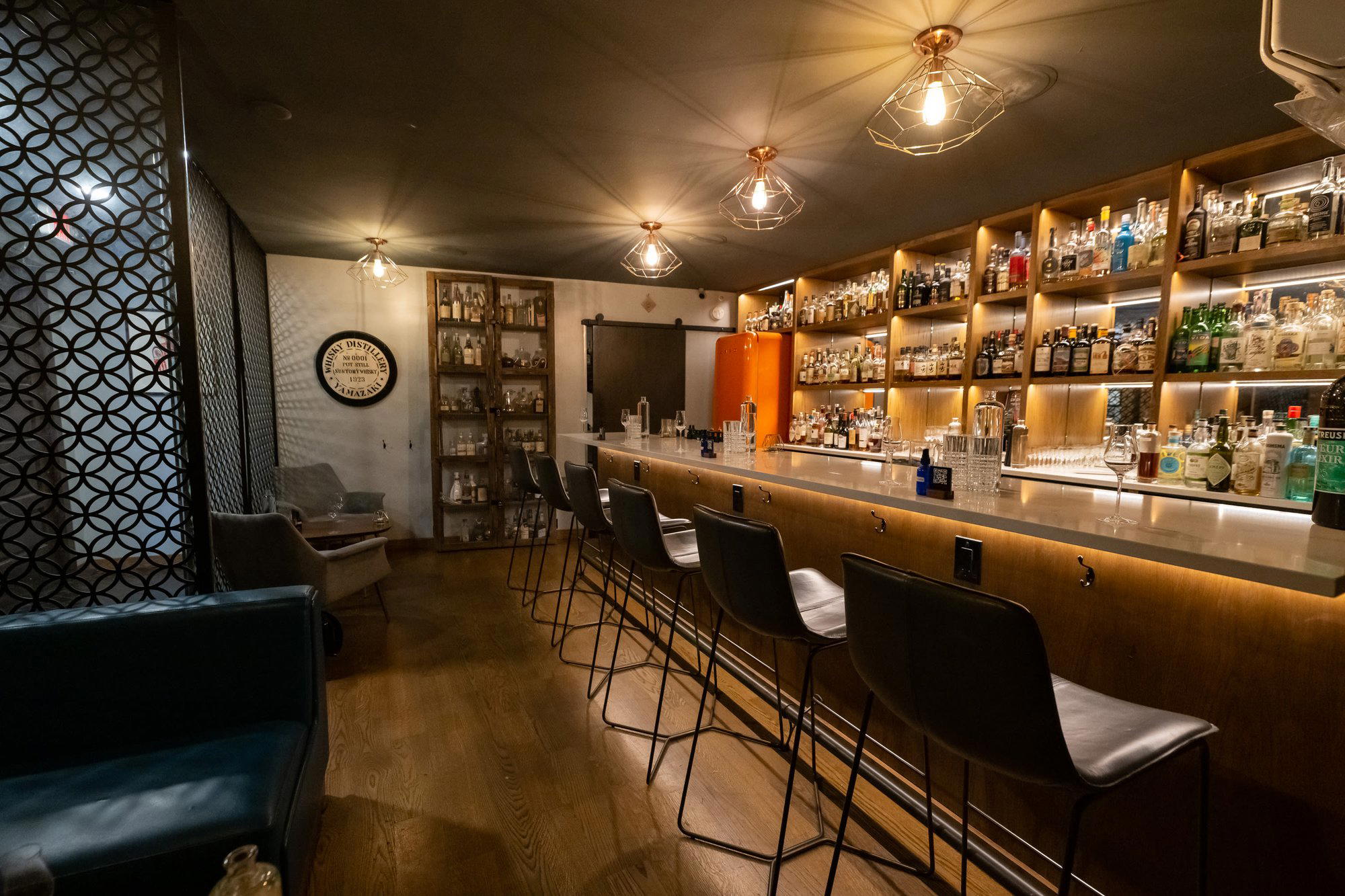
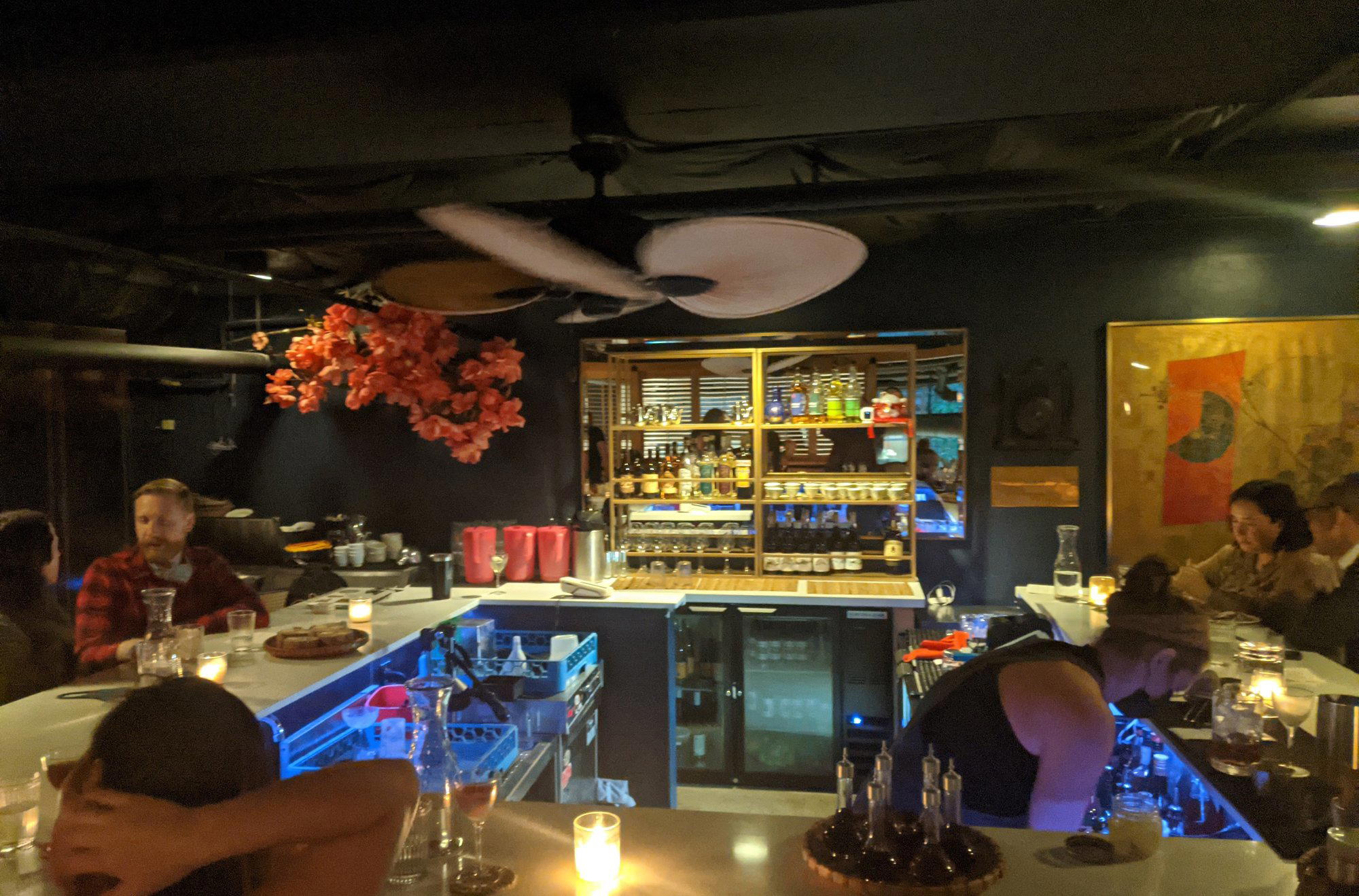
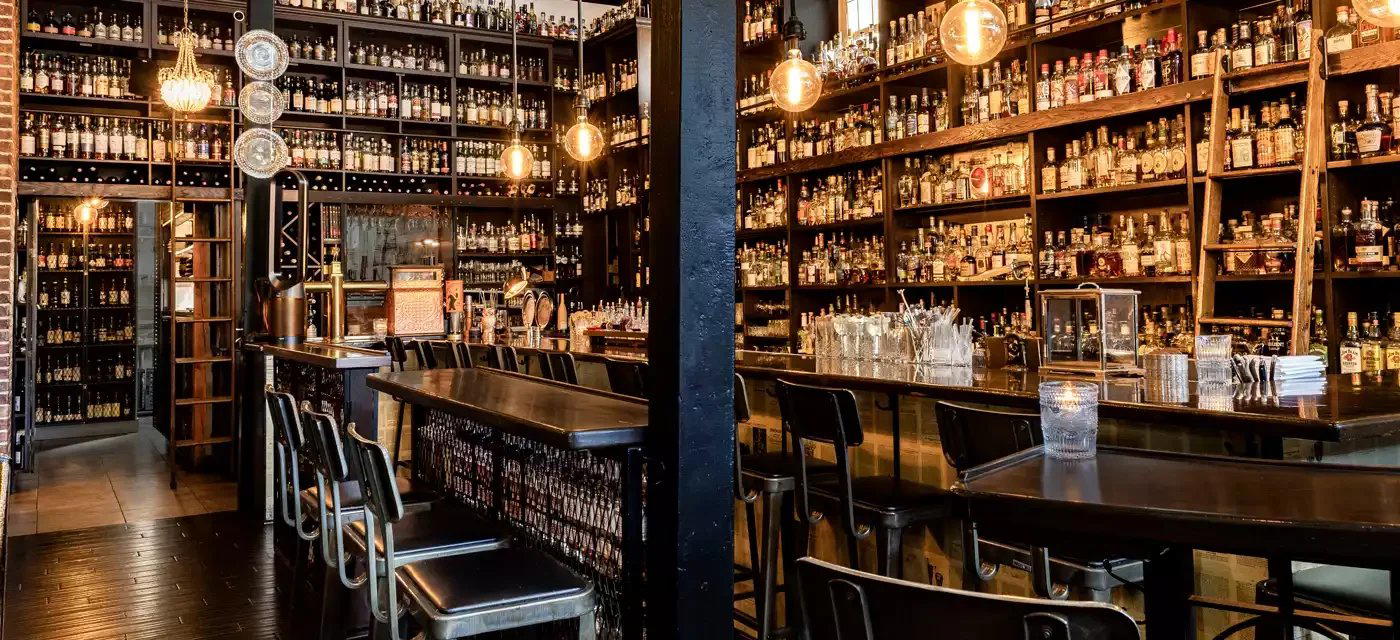
Bars in Seattle
Browse all →
Hotels in Seattle
Browse all →

At a Glance
- Rustic
- Cozy
- Casual Hangout
- Group Dining
- Family
- Open Kitchen
- Craft Cocktails
Current opening hours
- Monday
- Closed
- Tuesday
- 11 AM–10 PM
- Wednesday
- 11 AM–10 PM
- Thursday
- 11 AM–10 PM
- Friday
- 11 AM–10 PM
- Saturday
- 11 AM–10 PM
- Sunday
- 11 AM–9 PM
Hours can change for holidays and private events. Last verified .
Casual family-run spot with warm, welcoming atmosphere focused on homemade dishes and lively patio seating during happy hour.