Sekizawa

Tabelog 100 #79
Our verdict
Sekizawa places Obuse soba in a serious regional frame: buckwheat noodles, sake, shochu, a 29-seat room, and repeated selection in Tabelog’s Soba Hyakumeiten. The appeal is not luxury theatre but ingredient discipline, small-scale service, and the kind of rural Nagano address where the meal makes more sense when treated as part of an Obuse food day rather than a quick stop.

Pearl is the En Primeur Club membership app — saves, bookings, and concierge access live there. Same editors, same standards.
- Address
- 872-9 Nakamatsu, Obuse, Kamitakai District, Nagano 381-0209, Japan
- Phone
- +81 26-247-5652
- Hours
- Mon–Tue 11:30 AM–2:20 PMWed–Thu ClosedFri–Sun 11:30 AM–2:20 PM
- Website
- soba-sekizawa.com
- Directions
- Get directions
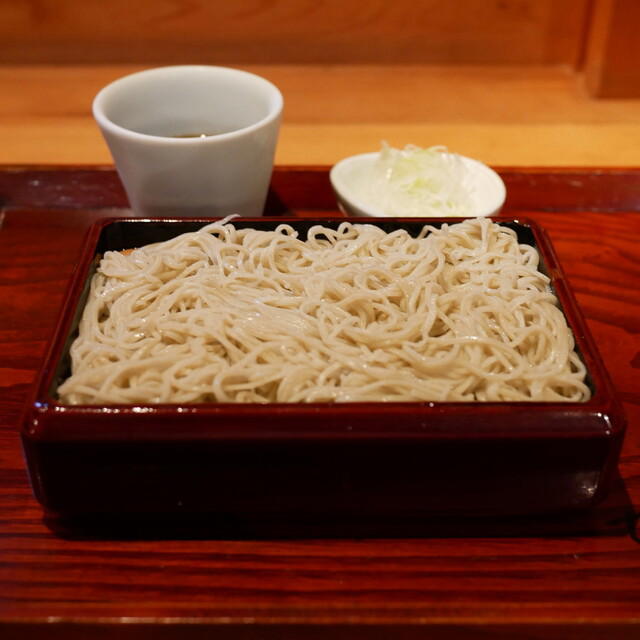
The menu
What to order
- Three types of soba course
- Yuzu soba
- Shiitake soba
Approaching Sekizawa in Kamitakai-gun changes the register of a soba meal. The area’s dining culture is best approached through focused local stops and small specialist rooms rather than metropolitan spectacle. Here, soba reads less like a noodle category than a regional argument: grain, water, milling, cooking time, and restraint shape the experience before garnish or service choreography intrude.
Sekizawa belongs to that quiet specialist tradition. Its selection for Tabelog’s Soba Hyakumeiten, including the 2025 recognition, is a clear trust signal in a category judged by precision rather than display. The Tabelog score is 3.78, useful context in Japan’s restaurant-rating culture, but the telling detail is focus: this is a soba specialist rather than a broad izakaya spread.
Kamitakai-gun soba makes sense when the grain stays in charge
Soba’s appeal rests on the Japanese appetite for noodles that show restraint. Buckwheat is unforgiving; it has little gluten and quickly exposes poor handling. In serious soba rooms, the point is calibration: texture, fragrance, water, dipping sauce, and timing between boiling and serving. Ingredient handling is not backstory. It is the basis of the dish.
Kamitakai-gun sharpens that point. This is not a major-city format, where soba can be an elegant pause between appointments or a highly formalized bowl. Around Kamitakai-gun, the category sits close to other focused local food stops. Visitors often pair soba with nearby venues such as Kuri no Ki Terrace Obuse ten, Patisserie Rond-to, or Sakurai Kanseido Honten, making a compact, coherent food itinerary: buckwheat at one table, another local expression at the next.
That comparison separates Sekizawa from general regional dining. Another counter or dining room may express the area through a different pace and format; a soba room expresses it through grain and temperature control. Both can be local, but ask different things of the diner. Soba rewards attention to plainness and leaves little room to hide behind richness.
The format is small, disciplined, and not built for spectacle
The service model signals intent without needing metropolitan gloss. Sekizawa is best understood as a specialist room where the production window matters and the meal is organized around soba. The restaurant protects focus rather than stretching into a catch-all format, which is part of the appeal for diners seeking a precise regional stop.
Sekizawa sits outside the easy language of the new-wave rural dining boom. It does not need tasting-menu vocabulary to justify the trip, and the category itself supplies the discipline. The pleasure is not breadth for its own sake, but the quiet confidence of a place whose identity is already legible through buckwheat noodles.
Practical strictness suits the genre. Soba’s central demand is simple: eat while the noodles are in condition. The category does not benefit from delay, and the best meals in this style return attention to timing, temperature, and texture rather than documentation or spectacle.
Pricing is restrained for a recognized specialist: lunch is listed at JPY 1,000 to JPY 1,999, dinner at JPY 3,000 to JPY 3,999. That separates the room from luxury dining economics and from casual noodle counters. The value is focus, not breadth, and the budget keeps the experience close to regional dining rather than destination luxury.
How to place it in a Kamitakai-gun food day
Read Sekizawa as an anchor in a Kamitakai-gun itinerary rather than a standalone trophy booking. Its value is clearest when placed alongside other local food traditions and unnamed regional dining rooms rather than treated as an isolated checklist stop. In Japan, travel rhythm often shapes the day’s eating as much as appetite.
For a broader route, start with the local dining map rather than a single reservation. The full Kamitakai-gun restaurants guide gives the restaurant context among regional tables, while the Kamitakai-gun hotels guide, bars guide, wineries guide, and experiences guide help turn a soba stop into a measured countryside stay. Kamitakai-gun rewards that slower structure; rushing through for one bowl misses the local logic that makes the meal persuasive.
Japan’s regional dining range is wide, and soba should not be judged by the markers used for urban sushi, beef counters, or cocktail-led rooms. Other dining rooms across Japan operate with different pleasures and expectations, while nearby comparisons such as French restaurant la rencontre or Kikuzushi belong to different categories. Sekizawa’s lane is narrower: buckwheat, timing, and the confidence to keep the experience small.
For travellers comparing categories across Japan and beyond, that narrowness is the point. The decision is not between soba and a broad restaurant crawl; it is between a specialist meal rooted in place and a flexible city format. Even when other food cultures make certain Japanese formats feel portable, soba at this level remains strongly local. That is why the table matters.
Frequently asked questions
What should I budget for a meal at Sekizawa?
Pricing at Sekizawa is listed as Dinner: JPY 3,000 - JPY 3,999; Lunch: JPY 1,000 - JPY 1,999.
Where do I go for Sekizawa?
Sekizawa is located in Kamitakai-gun.
What's the standout thing about Sekizawa?
Sekizawa is a soba specialist with Tabelog Hyakumeiten recognition in 2025 and a Tabelog score of 3.78, which is the clearest trust signal here.
What if I have allergies at Sekizawa?
For any allergy concern, raise it before booking or visiting. Sekizawa’s contact number is +81-26-247-5652.
Fast Comparison
Comparable venues by cuisine and price in the same metro.
| Venue | Cuisine | Price | Awards | Notes |
|---|---|---|---|---|
| SekizawaThis venue — the venue you are viewing | Traditional Soba Restaurant | $10–20 | Tabelog 100 #79 | Not listed |
| Sakurai Kanseido Honten | Traditional Japanese chestnut confectionery shop | Not listed | Tabelog 100 #34 | Obuse |
| Kuri no Ki Terrace Obuse ten | Black tea & cake café with chestnut sweets | $10–20 | Tabelog 100 #7 | Obuse-machi |
| Patisserie Rond-to | Japanese patisserie & cafe | $1–10 | Tabelog 100 #3 | Obuse-machi |
| Nagano Meijitei | Nagano Sauce Katsudon | $10–20 | Not listed | Nagano Station |
| 北のうまいもん碧水 | 北海道ローカルフード | Not listed | Not listed | 支笏湖温泉 |
Recognition history
Dated appearances from independent guides and award organizations, with the underlying list record or original source where available.
Tabelog 100 #79 · No. 79
Tabelog · Tabelog 100 - Soba - EAST - 2025
Continue exploring
More in Kamitakai-gun
Restaurants in Kamitakai-gun
Browse all →
Hotels in Kamitakai-gun
Browse all →
Wineries in Kamitakai-gun
Browse all →
Details
- Quiet
- Rustic
- Classic
- Intimate
- Solo
- Family
- Casual Hangout
- Standalone
- Design Destination
- Local Sourcing
- A La Carte
- Set Menu
Current opening hours
- Monday
- 11:30 AM–2:20 PM
- Tuesday
- 11:30 AM–2:20 PM
- Wednesday
- Closed
- Thursday
- Closed
- Friday
- 11:30 AM–2:20 PM
- Saturday
- 11:30 AM–2:20 PM
- Sunday
- 11:30 AM–2:20 PM
Hours can change for holidays and private events. Last verified .
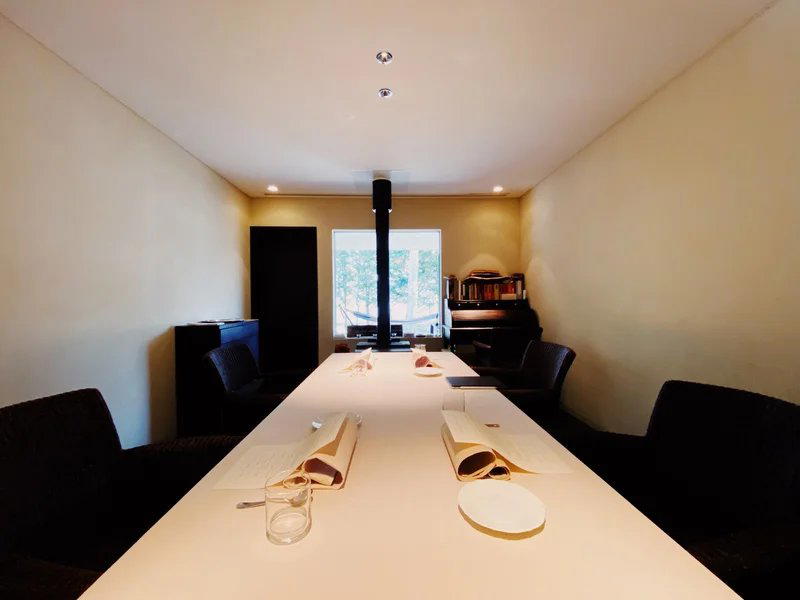
Traditional Japanese house-restaurant with a calm, intimate atmosphere, simple rustic decor, and a focus on the serene experience of eating soba without distractions such as photography.