
Tabelog 100 #86
Our verdict
Sekaiichi Himana Ramen Ya belongs to Osaka’s democratic ramen tier: low-cost, fast-paced, and judged by repeat recognition rather than ceremony. Its Nakanoshima setting, Tabelog Ramen OSAKA 100 selection for 2025, counter-and-table layout, and ramen-abura-soba-maze-soba range make it a useful reading of how Osaka treats ramen as both everyday fuel and serious craft.

Pearl is the En Primeur Club membership app, where members save venues, book tables and use the concierge.
The menu
What to order
- Abura soba (broth-less ramen)
- Maze-soba mixed noodles
- House chashu-topped ramen
Osaka changes the usual ramen approach. The city can feel brisk and businesslike in one moment, then casual and food-obsessed in the next: office rhythms, station traffic, everyday interiors, and a lunch pace that moves with purpose. In that setting, ramen becomes less about street theatre and more about ritual efficiency: arrive, read the room, choose quickly, eat while the bowl is at its intended temperature, and leave the seat for the next diner. Sekaiichi Himana Ramen Ya fits that Osaka grammar without pretending ramen needs ceremony to earn attention.
Osaka’s ramen culture sits beside a louder local food identity built on takoyaki, okonomiyaki, kushikatsu, and department-store basement grazing. That makes serious ramen in the city especially revealing. It has to compete not just with other noodle shops, but with a civic habit of eating casually, affordably, and often on impulse. A Tabelog Hyakumeiten selection in 2025 places Sekaiichi Himana Ramen Ya inside the city’s recognized ramen conversation, where repeatability, speed, and bowl identity matter more than luxury cues.
Osaka ramen with a dining-room rhythm, not alley-counter compression
The notable shift here is category focus. Many ramen meals in Japan rely on tight choreography, with diners moving through ordering, seating, and concentrated eating. This Osaka ramen address is best read through that practical frame rather than through ceremony or luxury. Ramen remains quick, but the experience can still feel like part of a larger city food day rather than a compressed refuelling stop. That matters in Osaka, where meals often sit between workday errands, cultural stops, shopping, and walks rather than bar-hopping or station-platform eating.
The menu categories tell the other half of the story: ramen, abura-soba, maze-soba, and dumplings. That range suggests noodles as a flexible meal rather than a single broth-bound proposition. Abura-soba and maze-soba bring the ritual closer to mixing, coating, and seasoning, while ramen keeps the classic bowl structure. The diner’s task is practical, not theatrical: decide whether the meal should be broth-led, sauce-led, or rounded out with dumplings.
Recognition helps separate the room from Osaka’s huge middle tier of competent ramen counters. Tabelog’s Hyakumeiten selections are not Michelin-style luxury signals; they are stronger as category signals, especially in genres where local users reward consistency over spectacle. The 2025 listing indicates a shop that has remained visible in a crowded field rather than a venue being framed only by novelty.
The Osaka ramen ritual is short, specific, and democratic
Good ramen etiquette in Osaka is less fragile than sushi etiquette, but it is not careless. The rhythm rewards decisiveness: avoid lingering unnecessarily, keep bags compact, and treat the bowl as time-sensitive. Noodles change as they sit. Broth cools. Dry-style noodles need mixing before they clump. The meal is designed around momentum, which is why ramen can feel so exacting even when the price remains low.
That democratic price band is part of the appeal. In a city where premium dining can include places such as Varier and Donostia, ramen occupies a different lane: high frequency, low barrier, and judged by whether a diner would return on an ordinary day. Osaka options such as Kyu Yam Tei Nakanoshima youkan and Cafe AMADEUS STORY sit in the same broader daytime economy of the city, but ramen carries a different expectation. It has to satisfy quickly without flattening into utility.
For travelers building a food day, this is the kind of stop that pairs better with city movement than with a long tasting-menu schedule. Osaka’s appeal is cumulative: architecture, cultural institutions, business-district order, shopping routes, then a bowl that does not demand the rest of the afternoon. The decision is less “special occasion” than smart placement. It is a way to read Osaka through a form locals use constantly.
How to place it in an Osaka eating itinerary
Use Sekaiichi Himana Ramen Ya as a ramen anchor rather than as the whole plan. Osaka rewards contrast: a noodle bowl, a bakery stop elsewhere, a department-store snack run, then a more structured dinner if appetite allows. EP Club’s Osaka coverage can help build that spread, from our full Osaka restaurants guide to our full Osaka hotels guide, our full Osaka bars guide, our full Osaka wineries guide, and our full Osaka experiences guide.
Within the wider city file, the useful comparison is not only ramen against ramen. It is ramen against the other ways Osaka feeds people quickly and well: portable comfort food, morning baking, softer daytime cafes, imported craft filtered through Osaka informality, and longer meals when the evening should stretch. Against that landscape, Sekaiichi Himana Ramen Ya works best as a precise, affordable, category-led stop rather than as a venue that asks to dominate the whole itinerary.
The national context is equally useful. Japan’s casual-specialist dining culture is broad, ranging across noodle counters, curry rooms, snack-led stops, dumpling specialists, and other focused everyday formats. Abroad, Japanese-format casual dining takes different shapes as it adapts to local habits. Seen against that wider map, this Osaka ramen address is not trying to be grand. Its value lies in category discipline: recognized ramen, everyday pricing, and a room built for the way the city actually eats.
Frequently asked questions
Is Sekaiichi Himana Ramen Ya good for families?
Sekaiichi Himana Ramen Ya is an Osaka ramen stop with an everyday price band, so it is easiest to think of it as a casual noodle meal rather than a formal dining room. Families should judge fit by the usual ramen rhythm: order decisively, eat while the bowl is hot, and keep the meal moving.
What kind of setting is Sekaiichi Himana Ramen Ya?
It is an Osaka ramen venue recognized in the Tabelog Hyakumeiten context for 2025. The experience is best understood through the category: quick, focused, and built around noodles rather than luxury cues.
What should I budget for a meal at Sekaiichi Himana Ramen Ya?
Pricing at Sekaiichi Himana Ramen Ya is listed as - JPY 999 - JPY 999. Tabelog also lists the budget as Dinner: - JPY 999; Lunch: - JPY 999.
How do I find Sekaiichi Himana Ramen Ya?
Osaka.
Can I walk in to Sekaiichi Himana Ramen Ya?
Plan around a casual ramen visit rather than a long reserved meal. As with many Osaka noodle stops, the practical approach is to arrive ready to order, eat while the bowl is at its best, and keep the rhythm moving.
What's Sekaiichi Himana Ramen Ya best at?
Its credentials are in the ramen category itself: it was selected for Tabelog Hyakumeiten in 2025 and is listed with a 3.69 score. The categories also extend to ramen, abura-soba, maze-soba, and dumplings, which gives the room more range than a single-bowl stop.
Style and Standing
Comparable venues by price and recognition.
| Venue | Cuisine | Price | Awards | Notes |
|---|---|---|---|---|
| Sekaiichi Himana Ramen YaThis venue (the venue you are viewing) | Ramen shop specializing in broth-less and soupy bowls | $10–20 | Tabelog 100 #86 | Not listed |
| カドヤ食堂 本店 | Japanese Ramen | $10–20 | Tabelog 100 #24 | Nishi-Ku / Nishi-Nagahori |
| Oban | Traditional Yakiniku Counter | $30–50 | Tabelog 100 #72 | Kita |
| KURODARUMA | Creative Japanese standing bar (izakaya-style) | $10–20 | Tabelog 100 #68 | Chūō |
| Datedachi | Stand-up Yakitori & Izakaya | $30–50 | Tabelog 100 #85 | Chūō |
| Soba Kiri Tsutaya | Traditional Soba | $20–30 | Tabelog 100 #74 | Nose |
Recognition history
Dated appearances from independent guides and award organizations, with the underlying list record or original source where available.
Tabelog 100 #86 · No. 86
Tabelog · Tabelog 100 - Ramen - OSAKA - 2025
Continue exploring
More in Osaka
Restaurants in Osaka
All restaurants in Osaka →




Bars in Osaka
All bars in Osaka →




Hotels in Osaka
All hotels in Osaka →



Wineries in Osaka
Browse all →
Details
- Lively
- Modern
- Trendy
- Solo
- Casual Hangout
- After Work
- Group Dining
- Standalone
- A La Carte
- Counter Dining
- Beer Program
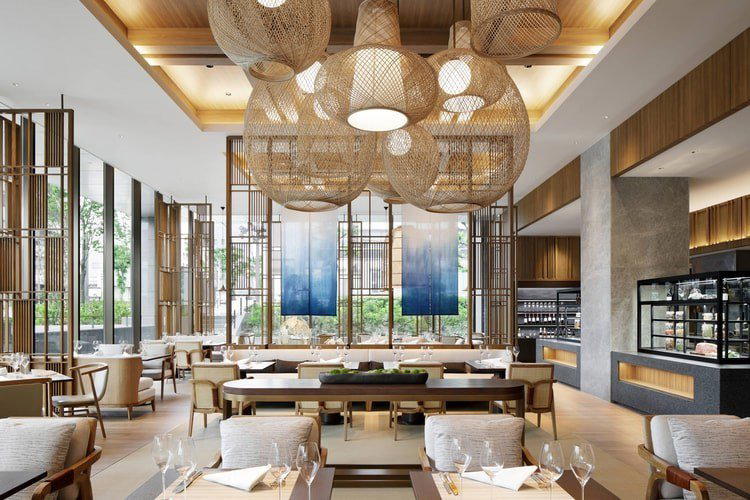
Modern ramen shop inside a high-rise office building with clean counter and table seating, bright but not harsh lighting, and a casual, energetic atmosphere driven by quick-turnover noodle service rather than lingering dining.