SEIVA
.png)

SEIVA brings serious plant-based cooking to Leça da Palmeira, with a seasonal menu built on fermentation, transformation, and produce-led creativity. Holding a Michelin Plate and 4 Radishes from the Smart Green Guide, Chef David Jesus constructs dishes, kimchi nigiri, rice tagliatelle with passion fruit curry, vegetable brioche with condensed tamarind milk, that reframe vegetables as the primary technical subject, not a substitute for something else.
Pearl is the En Primeur Club membership app — saves, bookings, and concierge access live there. Same editors, same standards.
- Address
- Porto PT, R. Sarmento Pimentel 63, 4450-790 Leça da Palmeira, Portugal
- Phone
- +351 910 546 756
- Website
- seivarestaurante.pt
 Saves & bookings on Pearl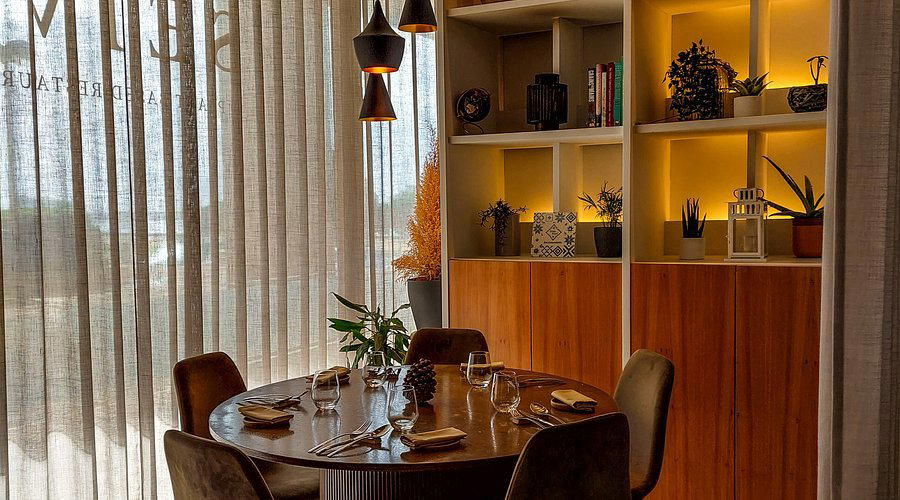
Where the Atlantic Coast Meets the Plant Kingdom
Leça da Palmeira sits just north of Porto along a coastline defined, almost entirely, by seafood. The restaurants that draw international attention here, including Casa de Chá da Boa Nova, Álvaro Siza Vieira's tide-washed architectural monument to Portuguese fish cookery, position this stretch of the Atlantic as a temple to the ocean's harvest. Against that backdrop, a fully plant-based kitchen earning a Michelin Plate is not an anomaly you walk past without registering. SEIVA, on Rua Sarmento Pimentel, occupies a category that barely exists in this part of Portugal at this level of ambition, and that tension between setting and subject is part of what makes it worth understanding.
The Portuguese dining scene has consolidated significant Michelin recognition across the country, from Belcanto in Lisbon to Ocean in Porches, but nearly all of that recognition flows toward meat, fish, and the deep umami architecture of traditional Portuguese flavour. SEIVA's consecutive Michelin Plates in 2024 and 2025, combined with 4 Radishes from the Smart Green Guide, place it in a narrow comparable set: restaurants where plant-based cooking is the primary technical language, not a dietary accommodation. Globally, that comparable set includes venues like Fu He Hui in Shanghai and Lamdre in Beijing, where vegetarian cooking carries the full weight of a fine-dining proposition. SEIVA belongs in that conversation, placed at the €€ price tier, which, given its recognition level, represents one of the more considered-value entries in the Porto metro area for serious plant-forward cooking.
Technique as the Argument
The central editorial claim of SEIVA's menu is that vegetables, when subjected to serious transformation, generate complexity that requires no protein scaffolding. This is a technique argument, not a lifestyle argument, and the menu articulates it through a set of specific moves. Fermentation appears in the kimchi nigiri, a form borrowed from Japanese rice cookery and redirected through Korean lacto-fermentation, producing acidity and umami from vegetable sources alone. The structure of a nigiri demands precision in rice seasoning, in temperature, in the balance between the grain and its topping; applying that structure to fermented cabbage is a statement about technical confidence rather than fusion novelty.
Croquette with a creamy centre is a textural argument: croquettes in the Iberian tradition depend on a béchamel interior that melts against the fried shell, and reproducing that dynamic with plant-based dairy alternatives requires both precision and palate. The Smart Green Guide specifically cited the texture of this dish alongside its creaminess, a recognition that the transformation is succeeding at the level where most plant-based cooking fails, which is mouthfeel and structural contrast rather than flavour alone.
Perhaps the most technically layered dish on the menu is the cuttlefish from the roots, rice tagliatelle with passion fruit curry and crispy cabbage. No cuttlefish is present; the name is an act of positioning, a deliberate reference to the coastal tradition SEIVA exists within, answered entirely through plant matter. Rice tagliatelle introduces a starch-on-starch logic that only works when the surrounding acidity and heat are calibrated with care. Passion fruit brings tropical tartness; crispy cabbage provides the textural register that the absent seafood would have delivered. This is cooking that makes its argument through substitution without apology, using brightness and crunch to occupy the roles that protein and fat usually fill.
The vegetable brioche with almond milk and condensed tamarind milk closes the menu with a dessert logic applied to bread. Brioche depends on enrichment, typically butter and eggs, and reproducing its characteristic tenderness through plant-based fats is a precision baking problem. Tamarind's sour-sweet depth against almond milk's mild richness creates a closing flavour register that is complex without being theatrical.
Seasonal Architecture and the Porto Region's Produce Calendar
Northern Portugal's agricultural calendar gives chefs working at this latitude access to a produce rotation that changes meaningfully across seasons. The Minho and Douro valleys, both within reach of Leça da Palmeira, produce a range of brassicas, alliums, legumes, and root vegetables that carry real intensity. SEIVA's menu changes with the seasons, a commitment that, at the €€ tier, signals operational discipline rather than marketing language. Seasonal menus require more frequent R&D;, more supplier coordination, and more kitchen flexibility than fixed formats. That Chef David Jesus pursues this alongside a mandate to innovate and create new combinations places SEIVA in the category of restaurants where returning visits are structurally rewarded: the menu you ate in February will not be the menu available in September.
This seasonal logic also intensifies the technique-focused approach. Fermentation timelines align with harvest cycles; what can be kimchi'd in autumn is different from what is available in spring. Roasting and smoking intensify when root vegetables are at peak starch density in late autumn and winter. The menu's intellectual architecture shifts with availability, which means the cooking methods are always being re-applied to different raw material, keeping the technique visible rather than formulaic.
SEIVA in Porto's Broader Dining Conversation
Porto's recognised fine-dining addresses sit at price tiers well above SEIVA. Antiqvvm operates at the starred level with a classical Portuguese register. The Yeatman in Vila Nova de Gaia anchors wine-country hospitality at the top of the region's price range. Against these, SEIVA's €€ positioning and Michelin Plate recognition create a specific argument: that the city's most interesting plant-based cooking is available at a price point well below the starred tier, and that it is being judged by the same frameworks.
Within Leça da Palmeira itself, Cibû offers Regional European cooking as another point of reference for the area's dining register. SEIVA's vegetarian focus makes direct comparison with its neighbours less useful than placing it within the national plant-based picture, where it occupies a position without many peers at this recognition level.
Portugal's award-recognised restaurants beyond the Porto metro, including A Cozinha in Guimarães, A Ver Tavira in Tavira, Al Sud in Lagos, Il Gallo d'Oro in Funchal, and Vila Joya in Albufeira, provide a national frame of reference for how SEIVA sits within Portugal's fine-dining recognition structure.
Planning a Visit
SEIVA is located at Rua Sarmento Pimentel 63, 4450-790 Leça da Palmeira, a short drive or taxi ride from central Porto. The price range at €€ positions it as an accessible entry point for Michelin-recognised plant-based cooking in the region. Booking ahead is advisable given the recognition and limited awareness of the category in this market; the restaurant's seasonal menu rotation means it is worth confirming the current format and availability directly with the venue before travelling. Google reviewers rate it at 4.8 from 620 reviews.
What's the Leading Thing to Order at SEIVA?
The kimchi nigiri and the croquette with a creamy centre are dishes that demonstrate SEIVA's technical range most clearly. The croquette is the stronger argument for first-time visitors: it tests the kitchen's ability to replicate a classical texture through plant-based means, and the assessment from the Smart Green Guide confirmed both the creaminess and the structural contrast that define the dish. For those returning, the cuttlefish from the roots, rice tagliatelle, passion fruit curry, crispy cabbage, represents the menu's most conceptually ambitious statement: a coastal reference answered entirely in plant matter, with technique carrying the full weight of the proposition. The fermentation-forward and baked preparations on the menu justify that standing within the plant-based category.
Style and Standing
Comparable venues nearby, for context on price, style, and recognition.
| Venue | Cuisine | Price | Awards | Notes |
|---|---|---|---|---|
| SEIVA | Modern Vegan Portuguese | $$$ | Michelin Plate | Leça da Palmeira |
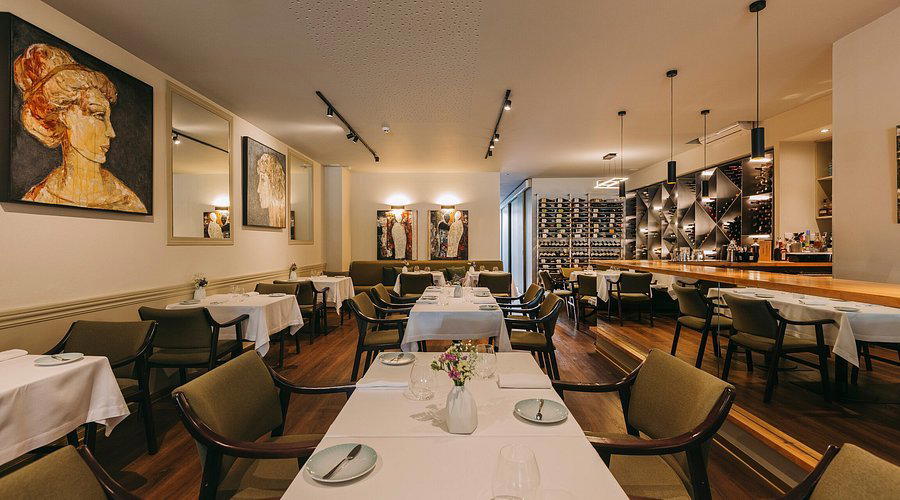
| Cibû | Modern Portuguese | $$$ | Michelin Plate | Leça da Palmeira |
| Fava Tonka | Modern Vegetarian | $$$ | Leça da Palmeira | |
| Casa de Chá da Boa Nova | Modern Portuguese Seafood | $$$$ | Michelin 2 Star | Leça da Palmeira |
| Ferrugem | Modern Portuguese Minho Cuisine | $$$ | Michelin Plate | Portela |
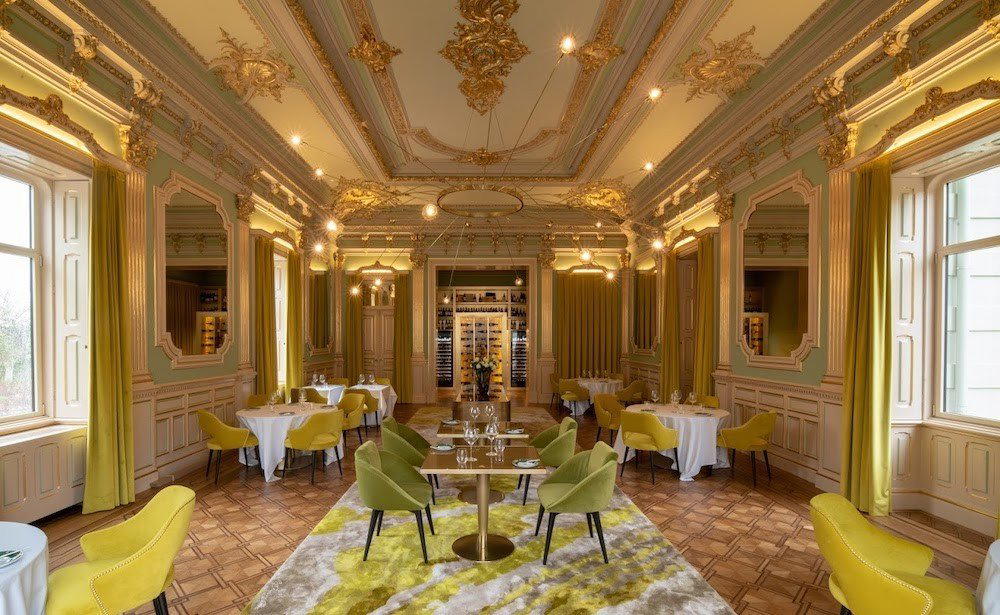
| Real by Casa da Calçada | Modern Portuguese Fine Dining | $$$ | Michelin Plate | Santo Ildefonso |
Continue exploring
More in Leça da Palmeira
Restaurants in Leça da Palmeira
Browse all →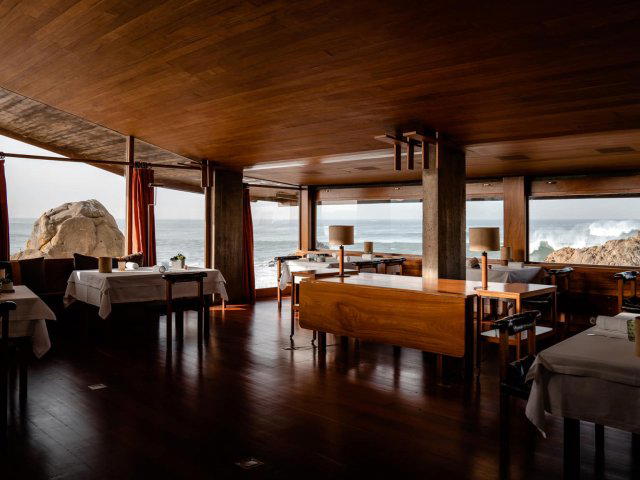
Bars in Leça da Palmeira
Browse all →
Hotels in Leça da Palmeira
Browse all →

At a Glance
- Modern
- Elegant
- Cozy
- Sophisticated
- Date Night
- Special Occasion
- Open Kitchen
- Extensive Wine List
- Local Sourcing
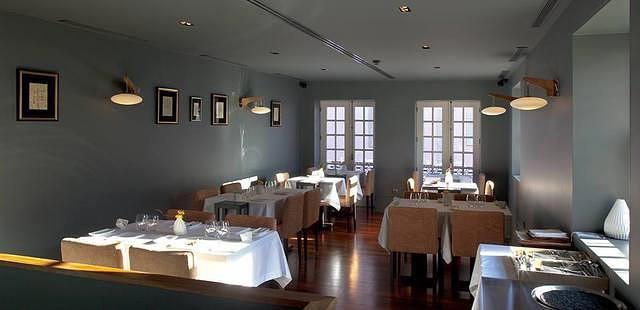
Warm, inviting space with modern design, beautiful plating, and attentive service creating a refined and memorable atmosphere.