

1 Michelin Star · Relais Chateaux Award
Our verdict
Seesteg holds a Michelin star on the North Sea island of Norderney, placing it among a small tier of destination-quality restaurants on Germany's Frisian coast. Chef Chetan Shetty works within a German seafood framework that draws directly from the cold, tidal waters of the Wadden Sea. At the €€€ price point, it sits alongside La Mer and Müllers auf Norderney as one of the island's most serious dining propositions.

Pearl is the En Primeur Club membership app — saves, bookings, and concierge access live there. Same editors, same standards.
- Address
- Damenpfad 36A, 26548 Norderney, Germany
- Phone
- +49 4932 893600
- Hours
- Daily 12–10 PM
- Website
- seesteg-norderney.de
- Directions
- Get directions
The menu
What to order
- Helgoland lobster bisque
- Spring roll with melon
Cold Water, Serious Cooking: Norderney's Michelin-Starred Seafood Counter
Approaching Norderney by ferry from Norddeich, the island announces itself through its light before anything else: flat, silvered, bouncing off the tidal flats of the Wadden Sea in a way that has no equivalent on mainland Germany. This is one of the most ecologically specific coastlines in northern Europe, a UNESCO World Heritage site where the North Sea recedes twice daily to expose kilometres of exposed sediment, and where the cold, nutrient-dense water produces shellfish and flatfish with a flavour profile that differs markedly from warmer Atlantic or Mediterranean catches. It is in this context that Seesteg, on Damenpfad 36A, earns its Michelin star rather than simply displaying it.
The island has a small but concentrated fine-dining tier. At the €€€ price point, La Mer, Müllers auf Norderney, and Oktopussy occupy the same general bracket as Seesteg, making this a genuinely competitive local scene for a North Sea island of roughly 6,000 residents and a seasonal visitor population that peaks sharply in summer. What separates Seesteg from its nearest peers is the Michelin endorsement, sustained across both 2024 and 2025, and the classification under Michelin's Cooking Classics category, which signals technically grounded, ingredient-led cooking rather than novelty-driven cuisine.
What the North Sea Produces: Provenance on This Coastline
The editorial category of German Seafood requires some unpacking. The North Sea catch landing at the Frisian Islands bears little resemblance to the warmer-water seafood traditions of southern Germany or the Baltic coast. The Wadden Sea's tidal rhythm creates unusually rich feeding grounds: brown shrimp (Nordseekrabben) are the most famous regional product, peeled by hand in a tradition that survives almost entirely on the German and Dutch coast, but the waters also produce sole, plaice, turbot, and North Sea crab in quantities that make local sourcing not just philosophically appealing but logistically practical. Cold-water flatfish in particular develop firmer flesh and more pronounced mineral character than warmer-water equivalents, a difference that matters enormously at the technical level Seesteg operates.
This provenance context explains why a Michelin star on Norderney carries different weight than the same award in a landlocked setting. The island's position within a protected tidal ecosystem creates a direct supply chain that chefs in Frankfurt or Munich cannot replicate regardless of budget. The ingredients arrive with a specificity of origin that is geographically enforced rather than marketing-led, and the Michelin Cooking Classics designation suggests that Seesteg's kitchen treats this material with rigour rather than novelty. For comparison, Restaurant Haerlin in Hamburg operates in a comparable northern German seafood tradition, drawing on similar North Sea sourcing but within an urban grand-hotel context that inevitably adds a different register to the experience.
Chef Chetan Shetty and the Question of Technique
The presence of Chef Chetan Shetty in a Frisian Island seafood kitchen is worth noting as a scene observation rather than a biographical point. Northern Germany's Michelin-starred tier has absorbed chefs with training lineages and backgrounds that do not originate from the regional tradition, a pattern visible across Germany's fine-dining tier from JAN in Munich to CODA Dessert Dining in Berlin. What matters at the Michelin Cooking Classics level is not origin but output: the technical execution of classical frameworks applied to local material. The sustained star across two consecutive years indicates that the kitchen has achieved consistency, which is the harder qualification in a seasonal island setting where supply chains and staffing face pressures that mainland urban restaurants rarely encounter.
Shetty's position also points to a broader shift in how Germany's fine-dining tier sources its talent. Restaurants such as Schwarzwaldstube in Baiersbronn, Aqua in Wolfsburg, and Vendôme in Bergisch Gladbach have each built their kitchens around international training and classical French foundations applied to German produce. Seesteg fits this pattern at a smaller, more geographically specific scale.
Seasonal Timing: When the Island and the Menu Align
Norderney dining follows a pronounced seasonal rhythm that mainland German restaurants simply do not experience. The island's visitor population surges in May, July, and September, which correspond precisely to the peak months for North Sea seafood availability. Spring brings the first brown shrimp of the season and early flatfish runs; late summer extends the catch window while the water remains warm enough to sustain the tourist economy that makes a restaurant at Seesteg's price point viable; September often delivers the season's most complex flavours, when shrimp and sole have had the full growing period and the island quiets enough to shift the atmosphere from resort dining to something closer to destination dining.
Booking ahead is the relevant practical instruction for any of the peak months. An island with limited year-round restaurant infrastructure at this level, and a table allocation that cannot expand arbitrarily, means that availability at Seesteg compresses faster than equivalent Michelin-starred rooms on the mainland. Planning a visit around the September window in particular tends to combine the leading seafood timing with lower ambient noise on the island, a consideration that matters both at the table and in the ferry queue from Norddeich.
For broader island planning, the full Norderney restaurants guide covers the island's dining range, while the Norderney hotels guide, bars guide, wineries guide, and experiences guide provide the surrounding context for a stay that extends beyond a single dinner.
Where Seesteg Sits in Germany's Fine-Dining Geography
Germany's Michelin map is more geographically dispersed than France's or the United Kingdom's, with starred restaurants spread across spa towns, wine villages, and provincial cities rather than concentrated in a single capital. This matters for how Seesteg is correctly read. It is not a city restaurant that happens to serve seafood; it is a coastal specialist whose location is intrinsic to its identity in the same way that Schanz in Piesport is inseparable from the Moselle, or ES:SENZ in Grassau from the Bavarian foothills. The ingredient geography and the restaurant geography are the same geography.
For international visitors who use seafood-focused Michelin rooms as a reference point, the comparison range runs from Le Bernardin in New York City at the three-star end of the spectrum to Atomix in New York City as an example of the precision-tasting format increasingly common at the one-star level. Seesteg operates closer to the latter in format ambition while drawing on a regional seafood tradition that is geographically specific rather than internationally composite.
Planning a Visit
Seesteg is at Damenpfad 36A on Norderney. The island is accessible by Reederei Frisia ferry from Norddeich Mole on the mainland; the crossing takes approximately 55 minutes and runs year-round, with reduced frequency outside peak season. Given the island's finite restaurant capacity at this level and the compression of demand into the May, July, and September peaks, reservations made several weeks in advance are the practical baseline. The price range at €€€ places it in the same bracket as the island's other leading tables, and at the Michelin-starred tier within the broader German fine-dining context.
Frequently Asked Questions
What is the signature dish at Seesteg?
No specific signature dish is documented in the public record for Seesteg, and the Michelin Cooking Classics classification suggests a menu built around technical execution of seasonal produce rather than a single fixed centrepiece. The most reliable guide to the current menu is direct contact with the restaurant or checking current booking platforms ahead of a visit. Given the kitchen's coastal context, dishes built around North Sea flatfish, local brown shrimp, and tidal-flat shellfish represent the core ingredient framework that the award acknowledges, but specific dish details should be confirmed at the time of reservation.
The Essentials
| Venue | Cuisine | Price | Awards | Notes |
|---|---|---|---|---|
| SeestegThis venue — the venue you are viewing | Modern Coastal German Fine Dining | $100–150 | 1 Michelin Star · Relais Chateaux Award | Not listed |
| La Mer | Modern French Fine Dining | Not listed | Michelin Plate · La Liste Top Restaurants | French, Classic French |
| Müllers auf Norderney | Contemporary German Bistro with Luxury Ingredients | $50–100 | Michelin Plate | Contemporary |
| Oktopussy | Modern International with Regional Influences | $50–100 | Michelin Plate | Contemporary |
Recognition history
Dated appearances from independent guides and award organizations, with the underlying list record or original source where available.
Michelin 1 Star
Michelin
Relais Chateaux Award
Relais Chateaux
Full recognition history (4 entries)
Michelin 1 Star
Michelin
Michelin 1 Star
Michelin
Continue exploring
More in Norderney
Restaurants in Norderney
Browse all →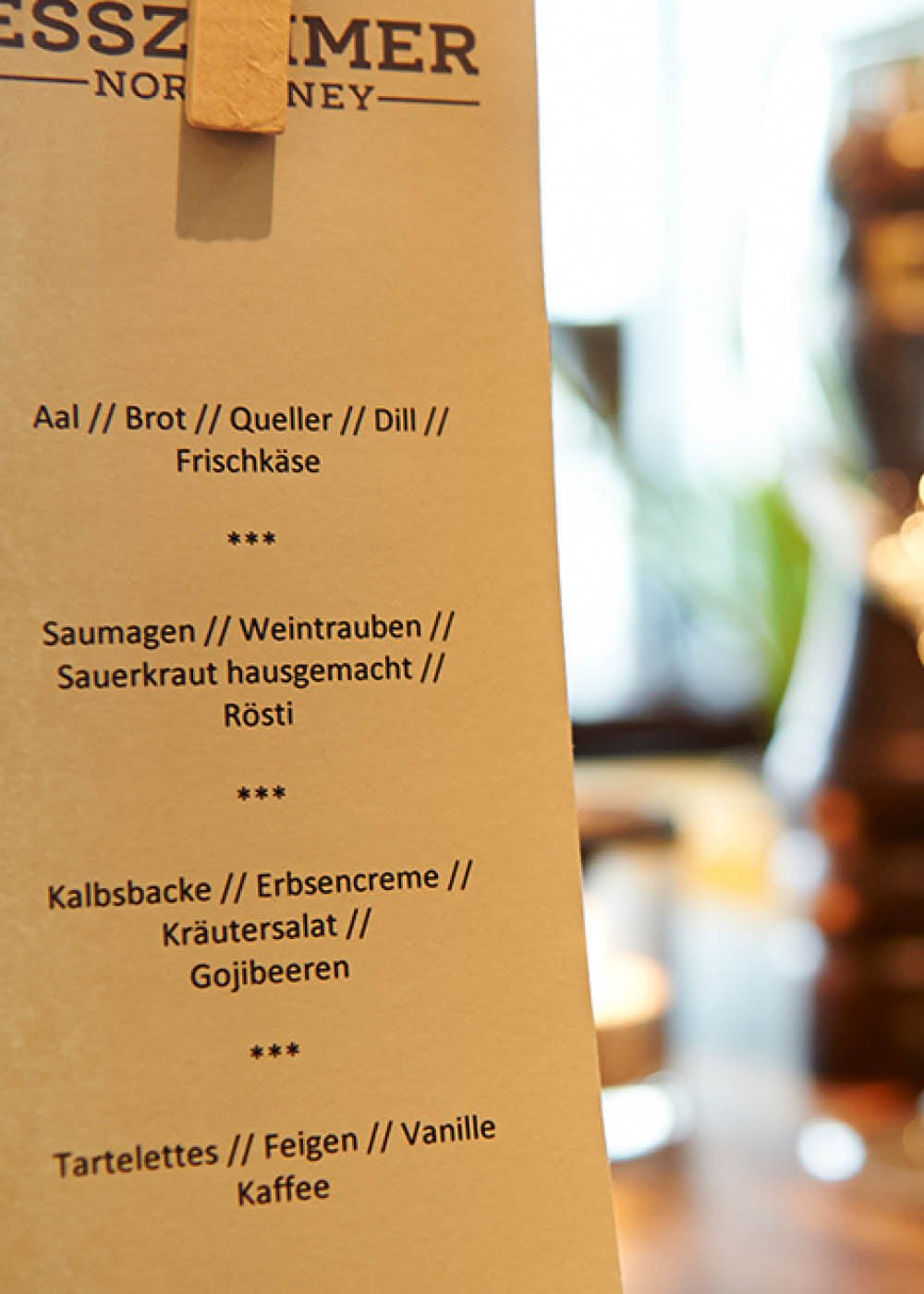
Bars in Norderney
Browse all →
Details
- Elegant
- Sophisticated
- Intimate
- Scenic
- Date Night
- Special Occasion
- Waterfront
- Open Kitchen
- Terrace
- Extensive Wine List
- Local Sourcing
- Waterfront
- Tasting Menu
- A La Carte
- Vegetarian Friendly
- Vegan Options
Current opening hours
- Monday
- 12–10 PM
- Tuesday
- 12–10 PM
- Wednesday
- 12–10 PM
- Thursday
- 12–10 PM
- Friday
- 12–10 PM
- Saturday
- 12–10 PM
- Sunday
- 12–10 PM
Hours can change for holidays and private events. Last verified .
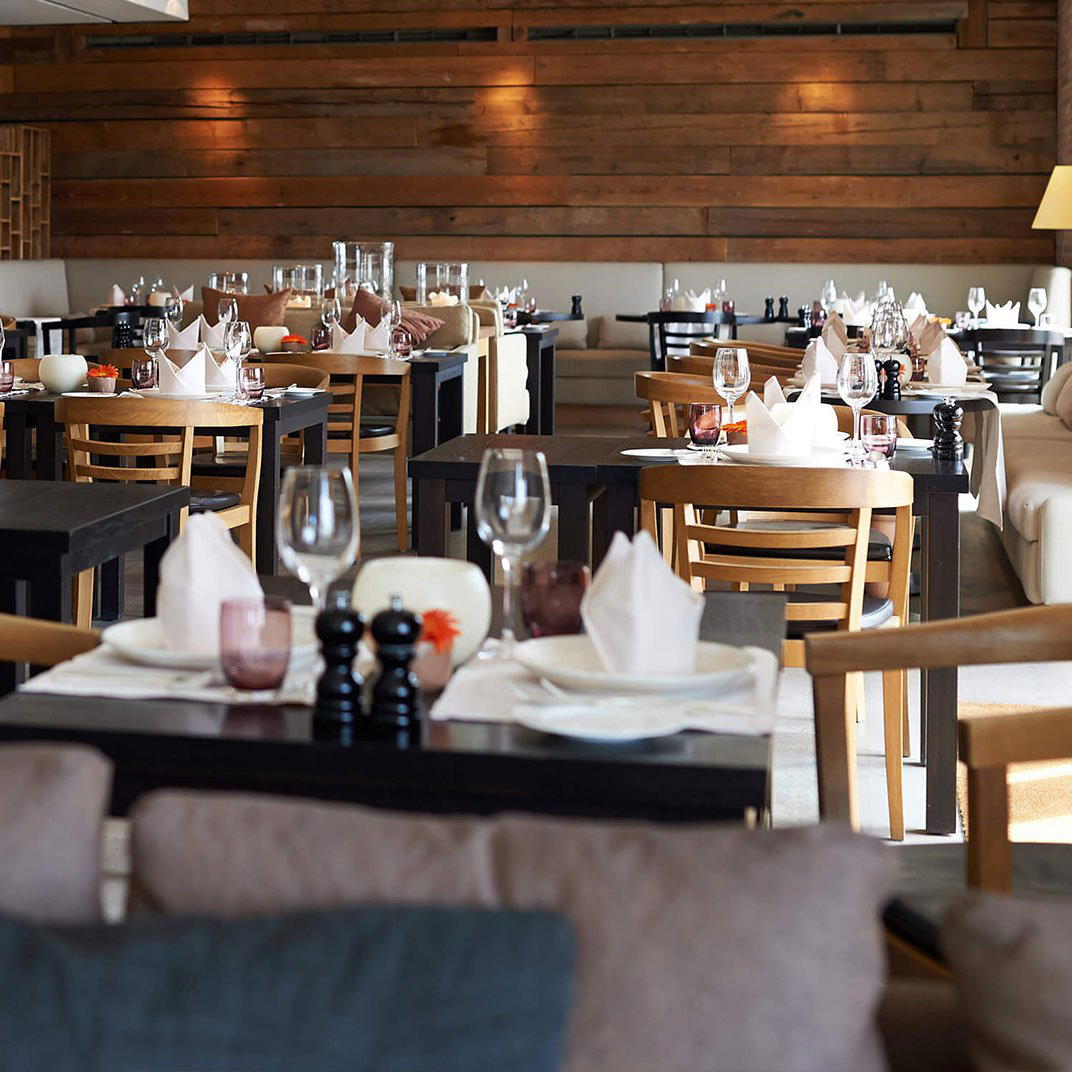
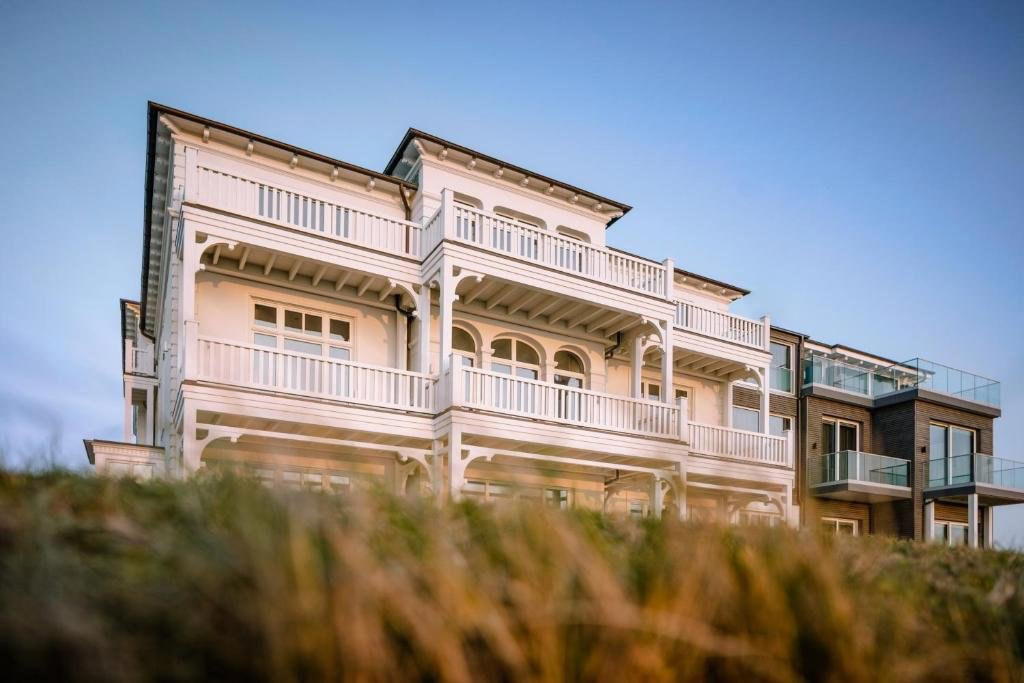
Elegantly appointed space blending contemporary design and maritime charm, light-filled with open kitchen energy and spectacular ocean vistas.