Sears Fine Food
On Powell Street in Union Square, Sears Fine Food occupies a particular position in San Francisco's dining memory — a sit-down diner that has outlasted trends by staying exactly what it is. The room reads mid-century without trying to, and the menu anchors itself to the kind of American breakfast and lunch cooking that once defined neighborhood hospitality across the country.
Pearl is the En Primeur Club membership app — saves, bookings, and concierge access live there. Same editors, same standards.
- Address
- 439 Powell St, San Francisco, CA 94102
- Phone
- +14159860700
- Website
- searsfinefood.com
- Directions
- Get directions
 Saves & bookings on Pearl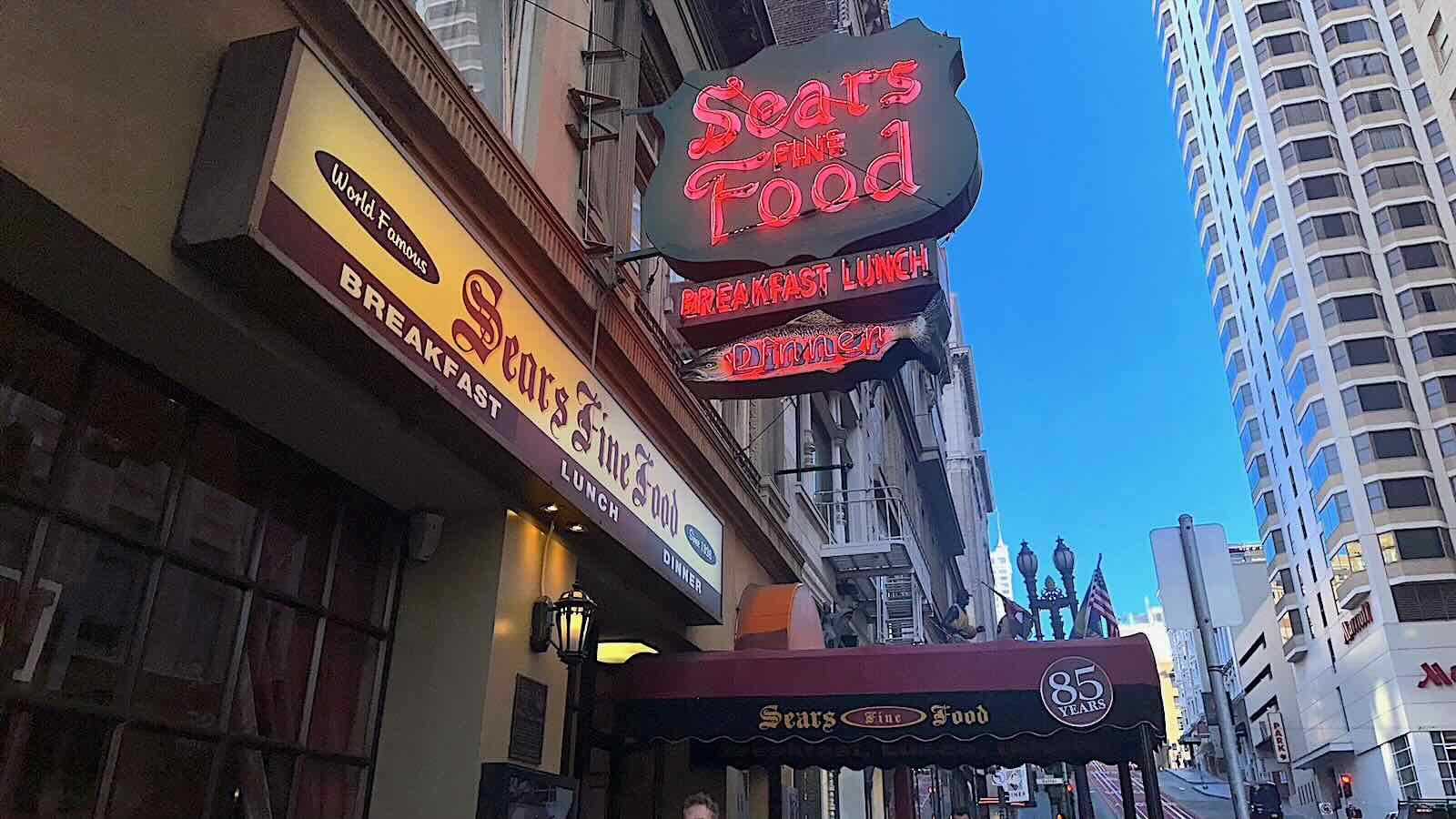
Powell Street and the American Diner as Institution
Union Square has cycled through more restaurant concepts than most San Francisco neighborhoods. Hotel dining rooms have opened and closed, fast-casual formats have colonized the ground floors of office buildings, and the blocks around Powell Street have absorbed every wave of the city's dining reinvention. Against that backdrop, the longevity of a sit-down diner in this location is not sentimental — it is structural. Places like Sears Fine Food at 439 Powell St survive in high-rent corridors not because the city is nostalgic but because they occupy a category that more fashionable formats rarely replace cleanly: the all-hours, all-comers American breakfast house.
That category has cultural weight that extends well beyond San Francisco. The American diner as a form developed in the Northeast in the late nineteenth century and spread westward as a democratic eating institution — a space where price point, speed, and comfort mattered more than theatre. In cities like New York, Chicago, and Los Angeles, diner culture persists in parallel with fine dining, not beneath it. San Francisco's version of that tradition runs through North Beach coffee counters, the Castro's neighborhood cafes, and a handful of Union Square holdouts that predate the city's current identity as a destination for tasting-menu progressives and French-influenced contemporaries.
The Room Before the Menu
Walking into Sears Fine Food from Powell Street, you move from one of the city's more commercially pressured blocks into a room that operates on a different register entirely. The physical environment reads as a resolved version of mid-century American dining: compact, deliberate in its layout, organized around counter and booth rather than open-plan flexibility. There is no ambient soundtrack engineered by a hospitality group, no mood lighting calibrated to shift from lunch to dinner service. The atmosphere is functional in the leading sense, a room designed to be used, not photographed.
This matters as a signal. In a city where multi-course tasting experiences and Italian-inflected contemporary rooms dominate the upper conversation, the absence of designed atmosphere is itself a design statement. Sears reads as a place that has earned its aesthetic through continued operation rather than periodic renovation.
Breakfast Culture and the California Tradition
The American breakfast, as a serious culinary category, is often underestimated in fine-dining conversations. But it carries its own rigor. The diner model, where eggs, pancakes, and griddle work are the primary expression of a kitchen's competence, demands consistency at volume, precision in timing, and a menu that can hold across years without feeling dated. These are not easy standards to maintain.
California's contribution to that tradition runs through the state's agricultural reach. The proximity of Central Valley produce, Northern California dairy, and a culture that has historically valued fresh, locally sourced ingredients, even in casual formats, gives a well-run California diner access to materials that refine the category without advertising it. This is the culinary context in which Sears operates: not as a counterpoint to the state's ambitious restaurants, but as a different expression of the same underlying instinct toward ingredient quality.
For comparison, the dining cities that define American fine dining, from New York's technically precise seafood rooms to Chicago's conceptual tasting formats to New Orleans' tradition-rooted cooking, all sit alongside diner and breakfast traditions that persist independently of prestige. The same dynamic holds in the Bay Area, where Californian fine dining and farm-driven tasting menus in Healdsburg occupy one end of the spectrum while places like Sears hold the other.
Where Sears Sits in the San Francisco Hierarchy
San Francisco's restaurant conversation is often framed around its Michelin-starred tier, The French Laundry in Napa, Benu, and their peers set the standard that most food media coverage orbits. But the city's actual dining character is more layered than that framing suggests. A city of San Francisco's density and cultural range runs on its mid-tier and its institutions as much as on its starred addresses. The venues that fill Powell Street, the Tenderloin edge, and the lower Nob Hill approach are rarely reviewed but consistently occupied.
Sears Fine Food sits in that institutional middle, a place that locals factor into a morning itinerary without deliberating over it, and that visitors discover through proximity rather than recommendation algorithm. That mode of discovery is increasingly rare. Most dining in San Francisco now routes through booking platforms and curated lists, with lead times that track closer to Los Angeles destination dining or New York's farm-to-table appointments than to the walk-in rhythm of a traditional diner. A place that still operates on the walk-in model in Union Square is filling a gap in the city's current format landscape.
For readers building a San Francisco itinerary around the city's full range, our full San Francisco restaurants guide maps the tasting-menu tier alongside the neighborhood institutions that give the city its actual texture. That context matters: Addison in San Diego, Atomix in New York, and The Inn at Little Washington all represent the planned, deliberate end of American dining. Sears represents the other end, the part of a city's food culture that functions without reservation infrastructure.
Planning Your Visit
Sears Fine Food is located at 439 Powell Street in Union Square, directly accessible from the Powell Street BART and Muni station, which makes it one of the most transit-accessible dining addresses in the city. The Union Square location places it within walking distance of the major hotel corridor running along Geary and Post streets, which accounts for a meaningful portion of its foot traffic.
Given the venue's format and neighborhood positioning, mornings and weekend brunch periods represent the highest-demand windows, arrive early or expect a queue. The diner model does not operate on reservations in the conventional sense, so timing and patience are the primary booking strategies. Dress is entirely casual; the room has no code and no expectation beyond basic propriety. This is a daytime and morning venue by character; plan accordingly.
Quick reference: 439 Powell St, Union Square, San Francisco, walk-in format, transit-accessible via Powell Street BART/Muni, morning and brunch hours primary.
How Sears Fine Food compares with similar nearby venues.
| Venue | Cuisine |
|---|---|
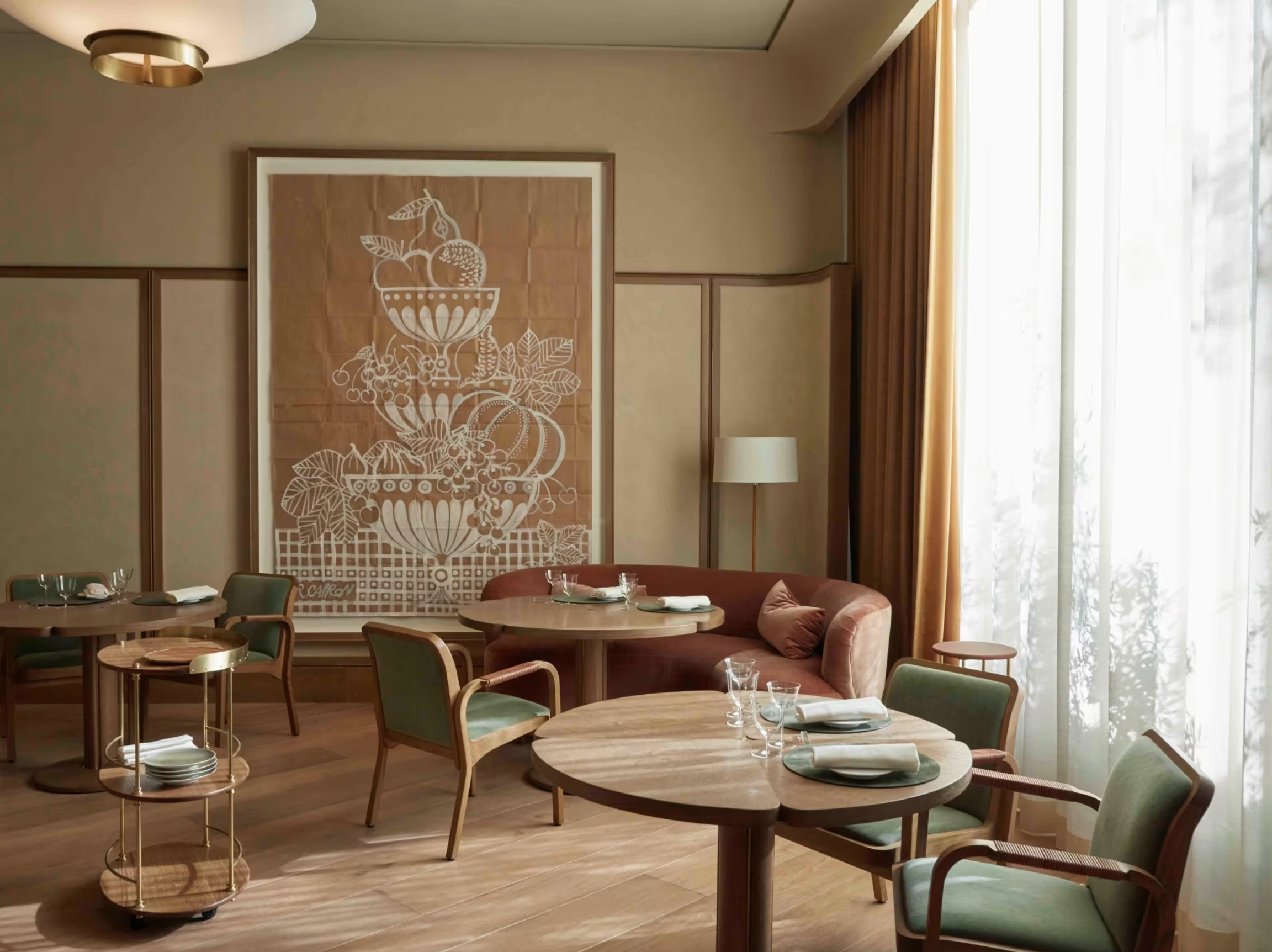
| Restaurant Naides | Filipino, fine‑dining tasting menu |
Continue exploring
More in San Francisco
Restaurants in San Francisco
Browse all →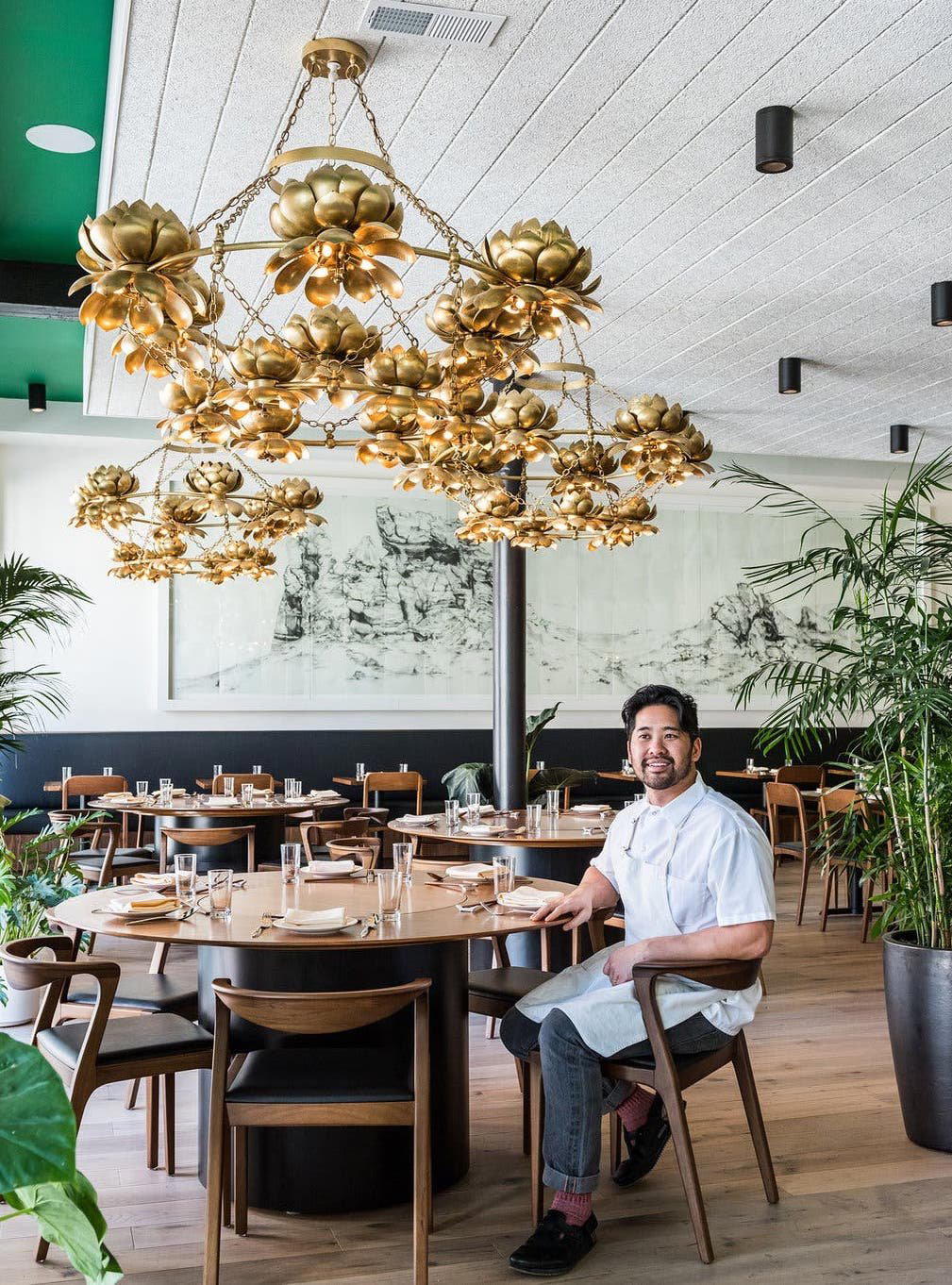
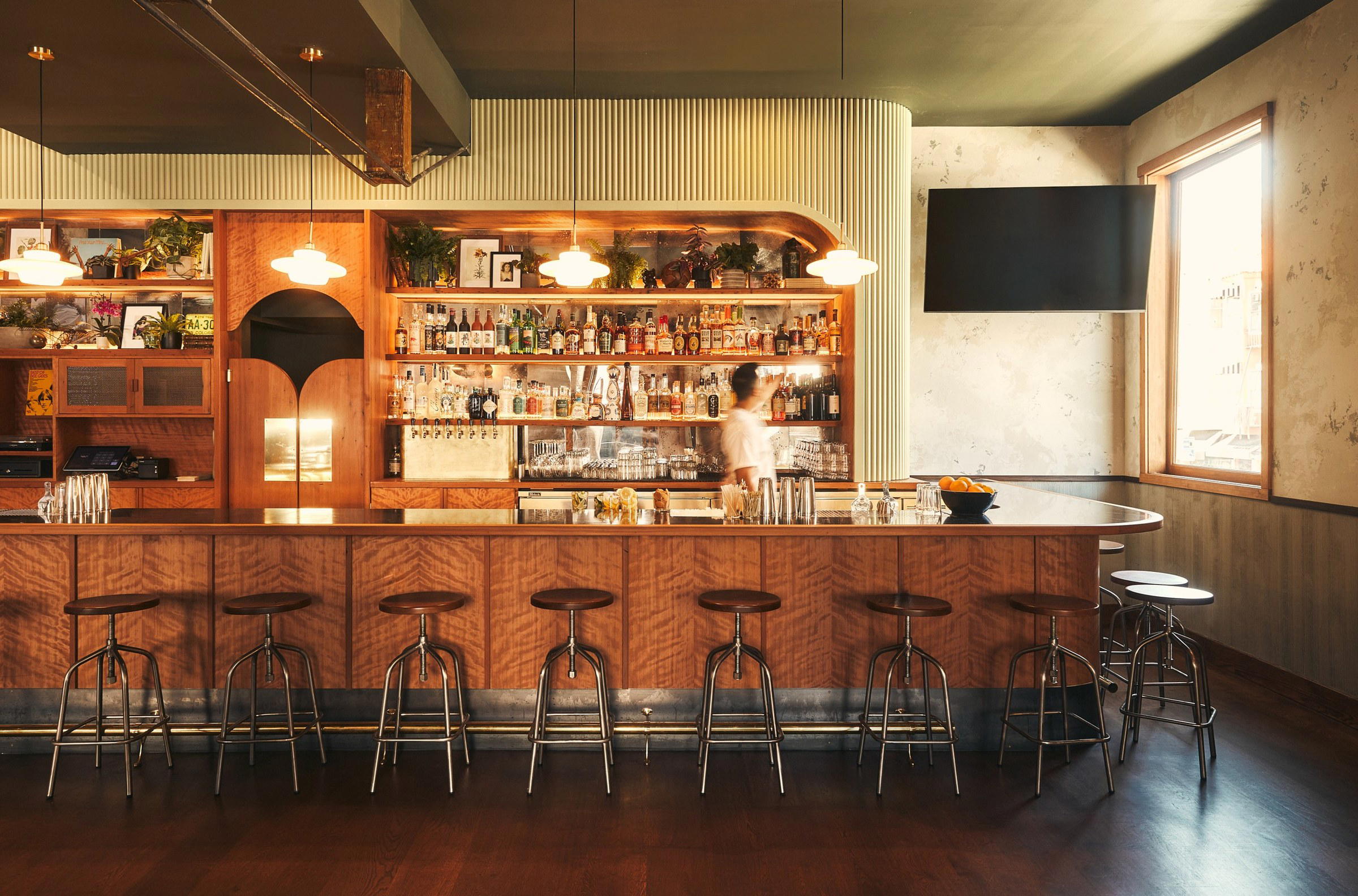
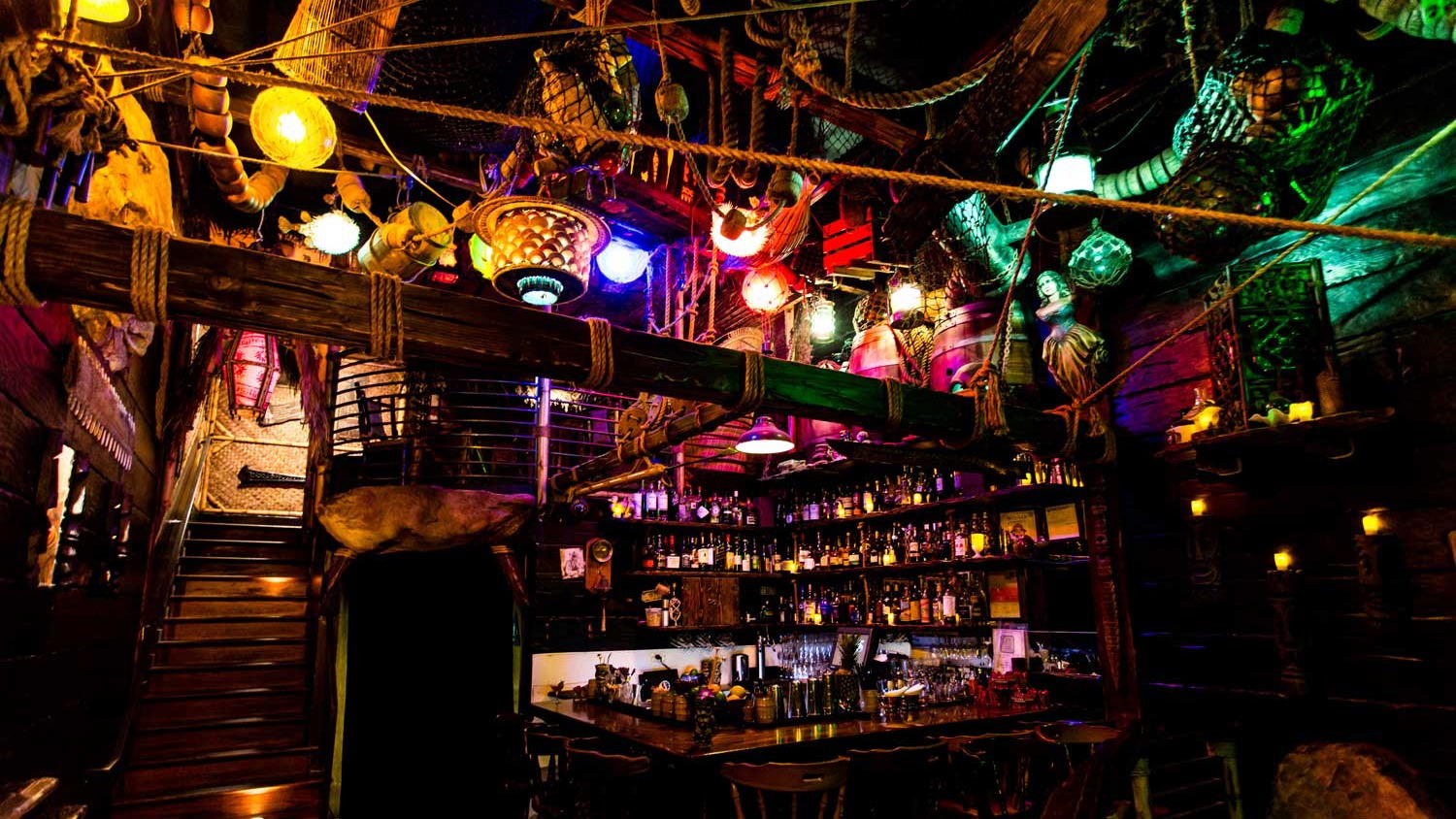
Bars in San Francisco
Browse all →
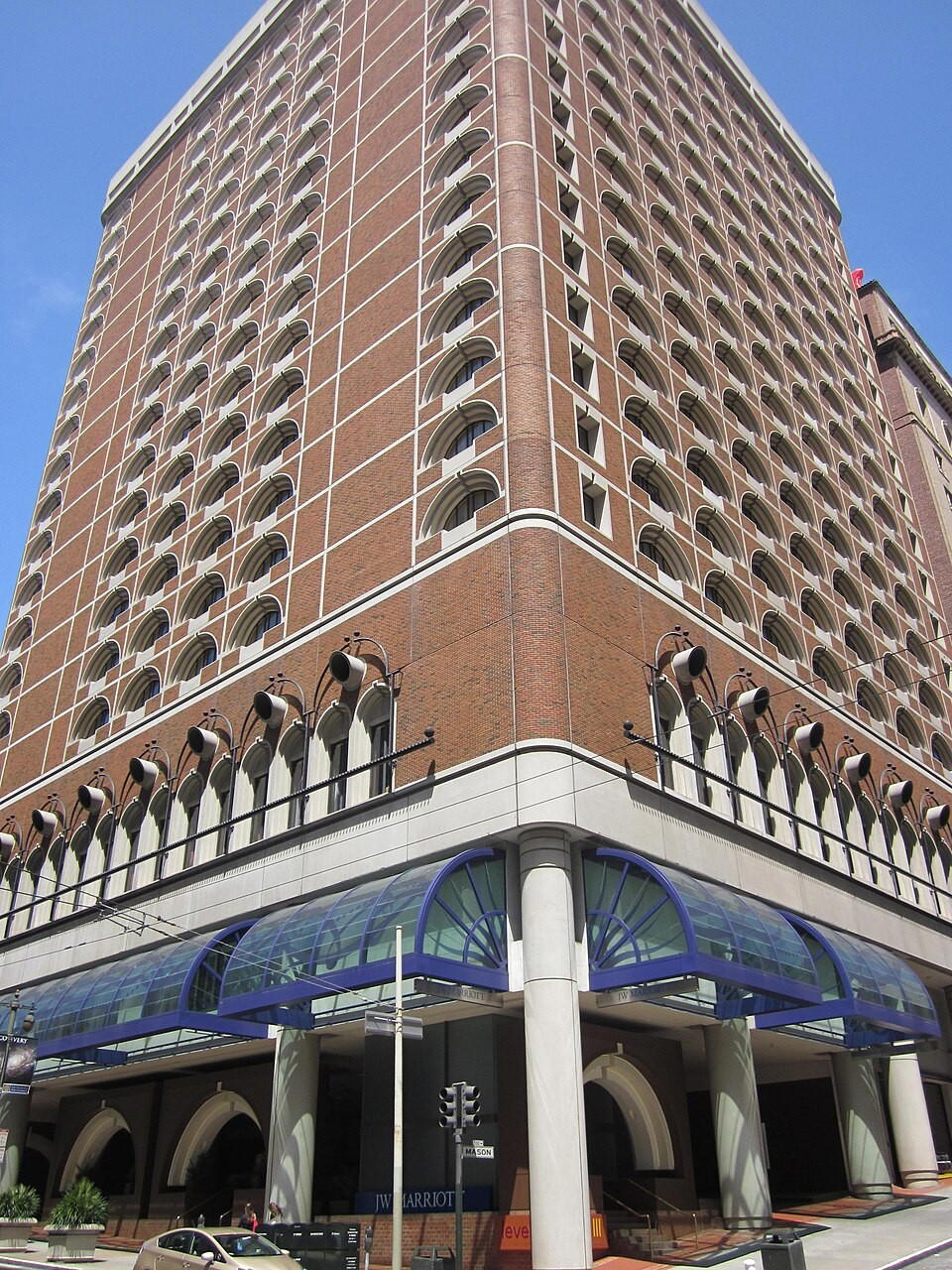
Hotels in San Francisco
Browse all →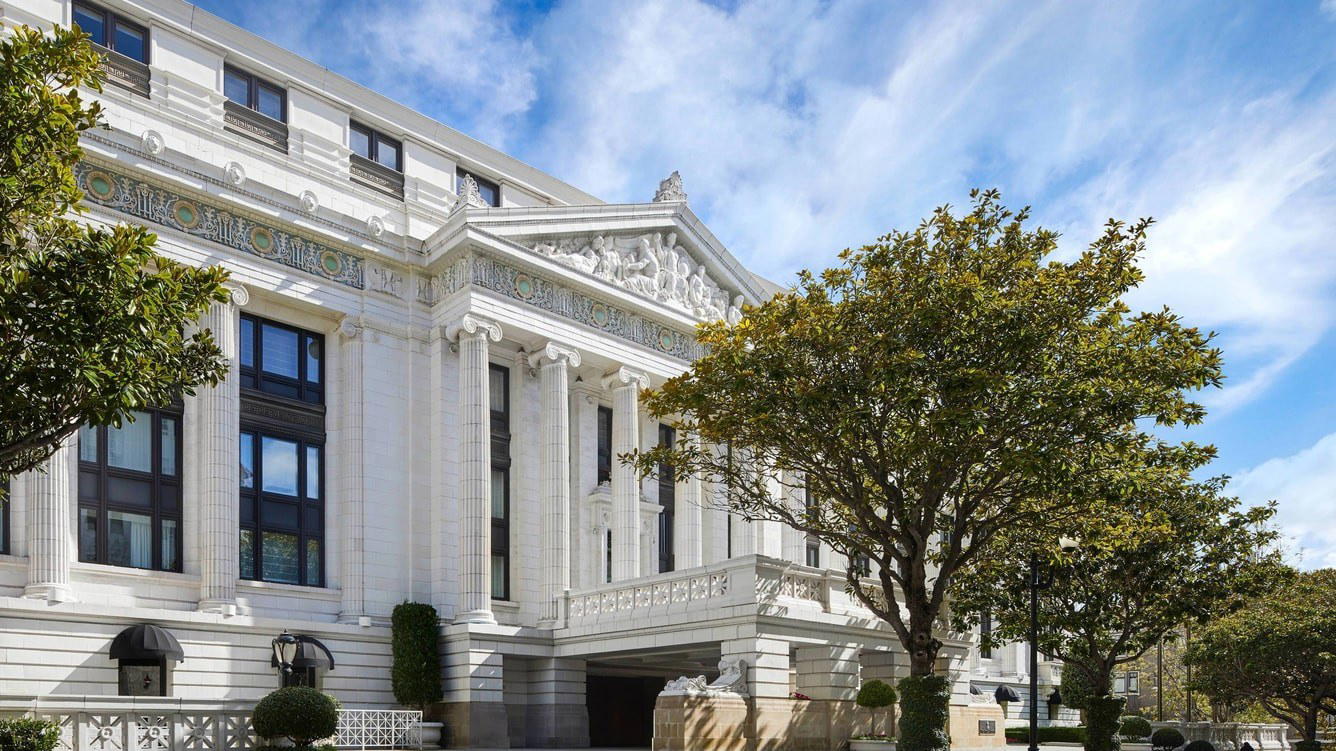
At a Glance
- Classic
- Well Known
- Cozy
- Brunch
- Casual Hangout
- Family
- Historic Building
- Street Scene
Current opening hours
- Monday
- 7 AM–3 PM
- Tuesday
- 7 AM–3 PM
- Wednesday
- 7 AM–3 PM
- Thursday
- 7 AM–5:30 PM
- Friday
- 7 AM–3 PM
- Saturday
- 7 AM–3 PM
- Sunday
- 7 AM–3 PM
Hours can change for holidays and private events. Last verified .
Classic old-fashioned diner atmosphere preserving 1938 history and tradition with a relaxing vibe.