Schloss Niederweis

A Michelin Plate recipient in consecutive years (2024 and 2025), Schloss Niederweis brings classic cuisine to a village setting in Germany's Eifel region, where the rural character of the surroundings shapes the food as much as the kitchen does.
Pearl is the En Primeur Club membership app — saves, bookings, and concierge access live there. Same editors, same standards.
- Address
- Hauptstraße 9, 54668 Niederweis, Germany
- Phone
- +49 6568 9696450
- Website
- schloss-niederweis.de
- Directions
- Get directions
 Saves & bookings on Pearl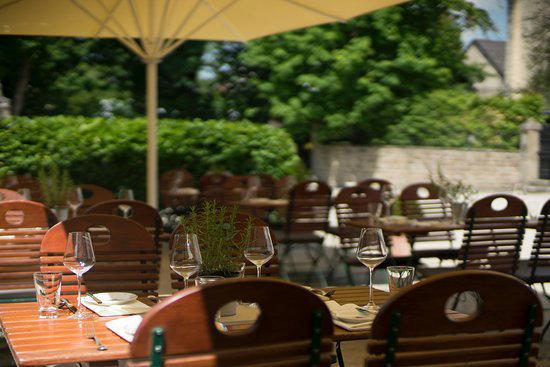
Where the Eifel Shapes the Plate
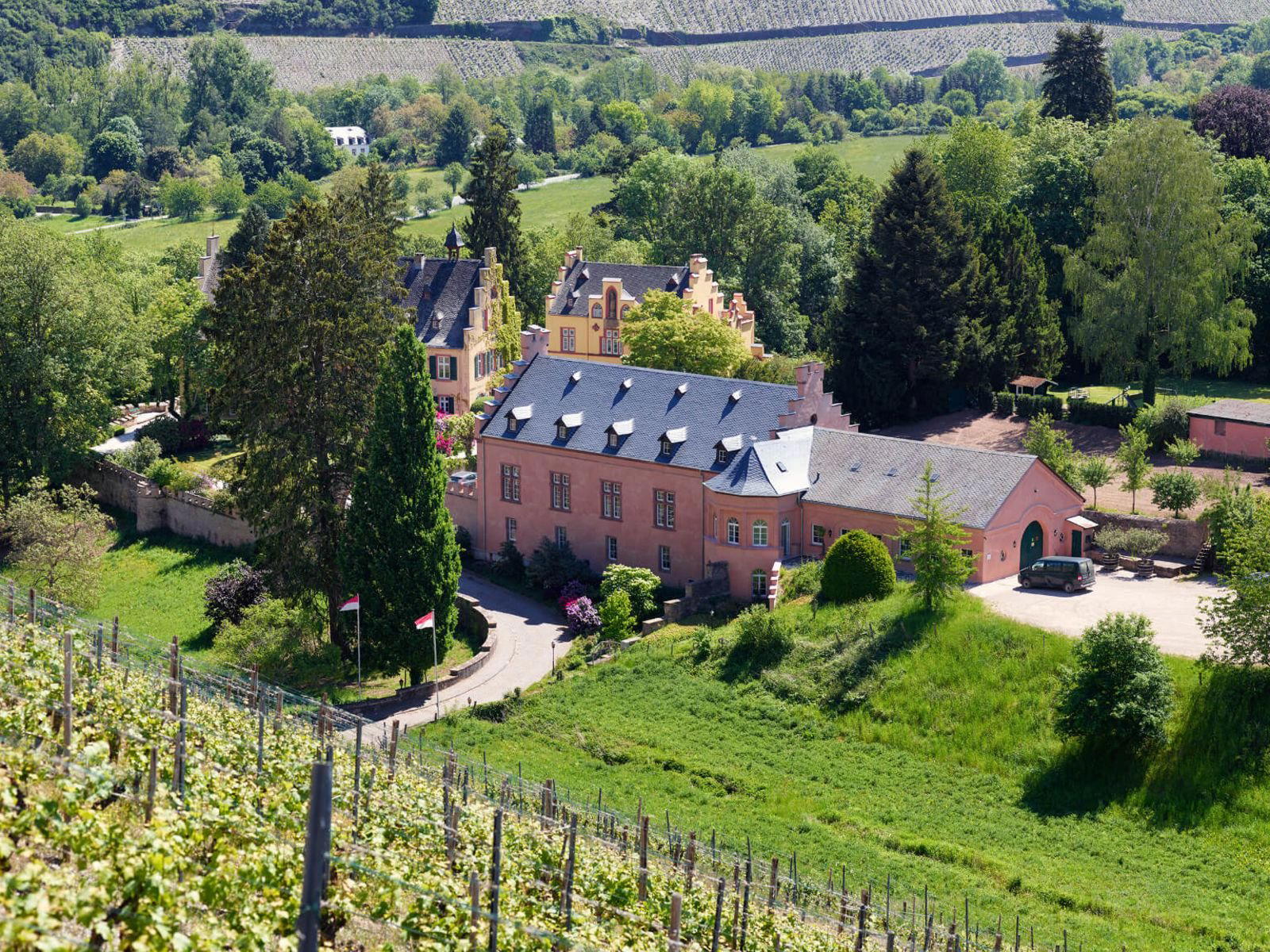
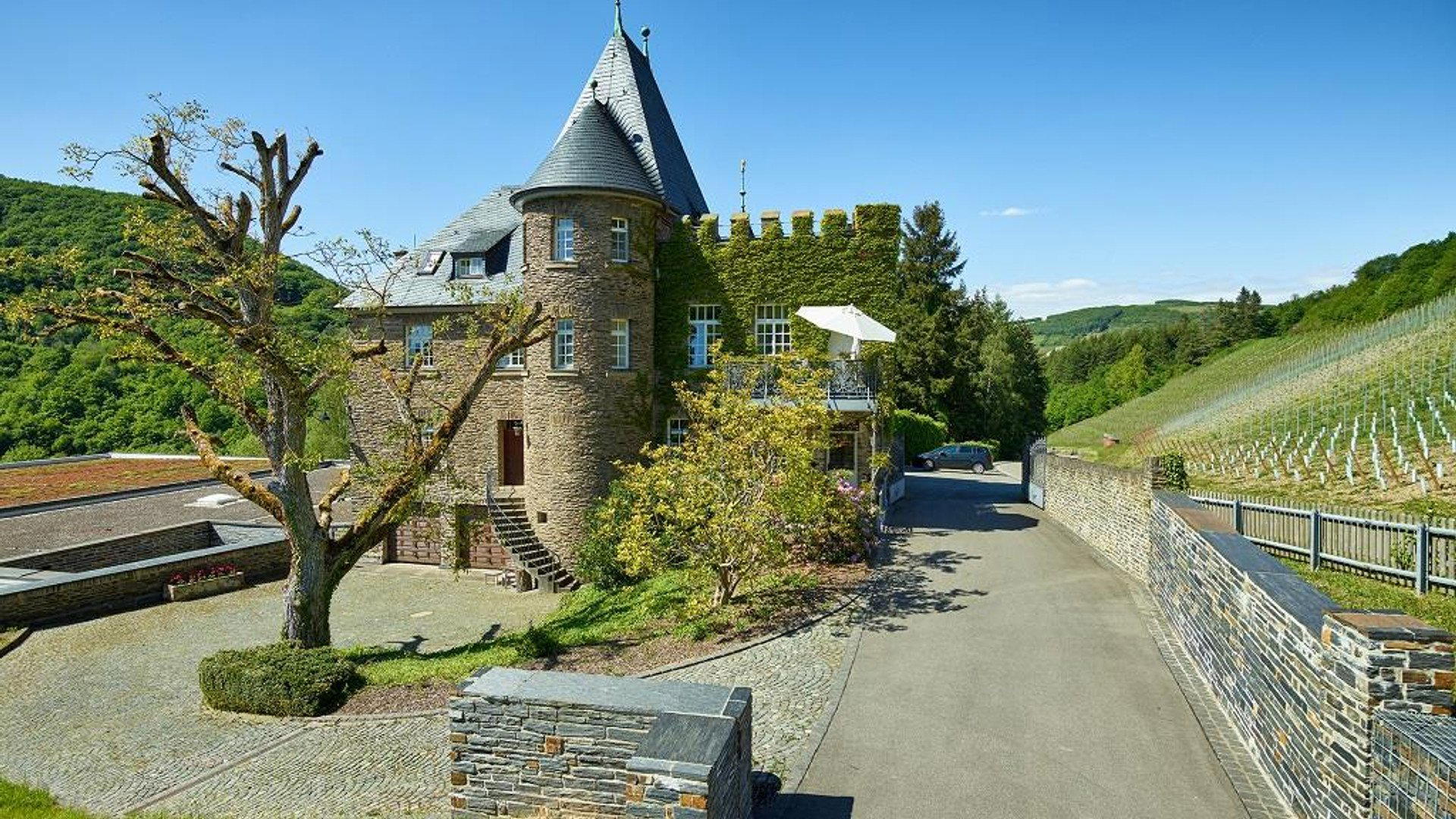
Schloss Niederweis is a restaurant in Niederweis, Germany, known for modern German fine dining and a Michelin Plate in 2025. The road into Niederweis doesn't prepare you for a Michelin-recognised kitchen. The Eifel plateau is farming country: dense woodland, open pasture, and the kind of village quiet that makes urban Germany feel like a different country entirely. Schloss Niederweis sits on Hauptstraße 9, and the architecture does what the address suggests, stone, solidity, a building that belongs to the landscape rather than imposed upon it. Approaching the entrance, the sense is not of a destination restaurant performing for a metropolitan audience, but of a place that has settled into its context over time.
That context matters directly for what ends up on the plate. Classic cuisine, as a category, depends on provenance in a way that urban restaurants often have to simulate. The Eifel offers the real version: agricultural land within reach, regional producers embedded in the local economy, and a culinary tradition in this part of Rhineland-Palatinate and the border with Luxembourg that moves between German solidity and French precision. Schloss Niederweis operates within that tradition, drawing on a landscape that produces quality raw material without the premium logistics costs that define sourcing for city kitchens.
Classic Cuisine in Its Regional Form
Germany's fine dining conversation in 2025 is largely dominated by restaurants at the €€€€ price tier, many of them operating in urban centres or resort contexts. Schwarzwaldstube in Baiersbronn, Aqua in Wolfsburg, and Vendôme in Bergisch Gladbach all operate at the leading price bracket. The restaurant sits at €€, a mid-range position that places it in a different competitive set, one where the cooking has to justify the Michelin recognition against a significantly lower price expectation. That it has held the Michelin Plate in 2025 at this price point signals consistent kitchen discipline rather than a one-season performance.
The Michelin Plate is Michelin's recognition that a restaurant serves good food, without the elaboration of a starred tier. In a rural village of modest scale, that designation carries weight. For the Eifel specifically, it positions the restaurant within a regional cluster of quality dining that includes Waldhotel Sonnora in Dreis and Schanz in Piesport, the latter operating near the Mosel, with its own strong sense of regional identity. That cluster demonstrates something broader: the triangle between the Eifel, Moselle Valley, and the Luxembourg border has become one of the more coherent fine and serious dining zones in western Germany, without the profile of Munich or Hamburg.
For context on what classic cuisine looks like at the starred level in Germany, JAN in Munich and KOMU in Munich offer urban reference points, while Maison Rostang in Paris shows how the classic French tradition that informs much of German classical cooking performs at the highest level in its home context.
Sourcing as the Editorial Argument
The case for eating at the restaurant rather than driving to a starred address closer to Trier or towards the Mosel partly rests on what rural sourcing actually delivers. In kitchens at this price point operating in city centres, ingredient quality is either a budget compromise or a premium logistics exercise. In the Eifel, proximity to producers, game from local forests, dairy and meat from regional farms, freshwater fish from the region's rivers, is structural rather than marketing. The landscape produces these things without requiring a supply chain story.
Classic cuisine as a format, unlike creative or contemporary tasting menus, keeps the ingredient close to the surface. A dish in the classic tradition is not obscuring its protein under technique, it is presenting it through technique. That makes sourcing legible in a way that avant-garde cooking sometimes makes harder to trace. When the format and the geography align, as they do here, the result is food that reads as honest rather than performative.
Restaurants in the same region that take a more creative or contemporary approach, including Victor's Fine Dining by Christian Bau in Perl, operate with a different set of sourcing assumptions, where international luxury ingredients become part of the design language. The restaurant functions at the opposite end of that spectrum: regional identity as a positive constraint, not a limitation to overcome.
The Google Rating as a Signal
Michelin recognition typically drives a surge of one-time visits from food tourists assessing the food against starred-tier expectations. When those visits consistently produce near-well-suited scores at €€ pricing, it points to a room that is managing guest expectations accurately, and probably exceeding them. The gap between what a place costs and what it delivers is where genuine satisfaction lives. High scores at high prices are expected; high scores at mid-range prices reflect a kitchen and a room that understand their position.
For further dining options across the region, Bagatelle in Trier offers a reference point for what the nearest city of scale is producing, while Restaurant Haerlin in Hamburg and CODA Dessert Dining in Berlin illustrate the range of what Michelin recognition signals across different German cities and formats.
Planning a Visit
The restaurant is at Hauptstraße 9, 54668 Niederweis, a village address in the Eifel that requires a car or planned transfer from Trier, approximately 30 kilometres to the southeast. The restaurant is recommended for reservations and is open Wednesday through Sunday for lunch and dinner. The ES:SENZ in Grassau provides an additional reference for rural Michelin-recognised dining in southern Germany, should the comparison between regional formats be useful for trip planning.
How It Stacks Up
Comparable venues nearby, for context on price, style, and recognition.
| Venue | Cuisine | Price | Awards | Notes |
|---|---|---|---|---|
| Schloss NiederweisThis venue — the venue you are viewing | Modern German Fine Dining | $$$ | Michelin Plate | Not listed |
| Kaiserblick | Regional German Farm-to-Table | $$$ | Michelin Plate | Burg Nideggen |
| Kucher's Weinwirtschaft | Regional German Country Cooking with Mediterranean Inflections | $$$ | Michelin Plate | Darscheid |
| Kräutergarten | Classic German Seasonal | $$$ | Michelin Plate | Wachtberg |
| Villa's Wine & Dine | Modern German Fine Dining | $$$ | Michelin Plate | Reil |
| vierzehn 85 | Contemporary Regional German | $$$ | Michelin Plate | Leiwen |
Recognition history
Dated appearances from independent guides and award organizations, with the underlying list record or original source where available.
Michelin Plate
Michelin · 2026 Michelin Plate
Michelin Plate
Michelin
Michelin Plate
Michelin
Continue exploring
More in Niederweis
Restaurants in Niederweis
Browse all →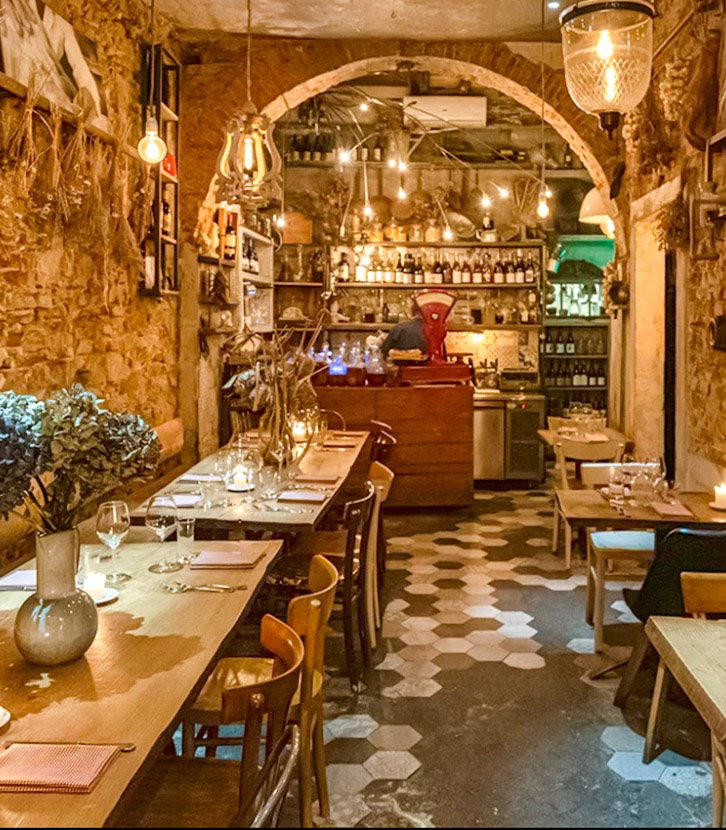
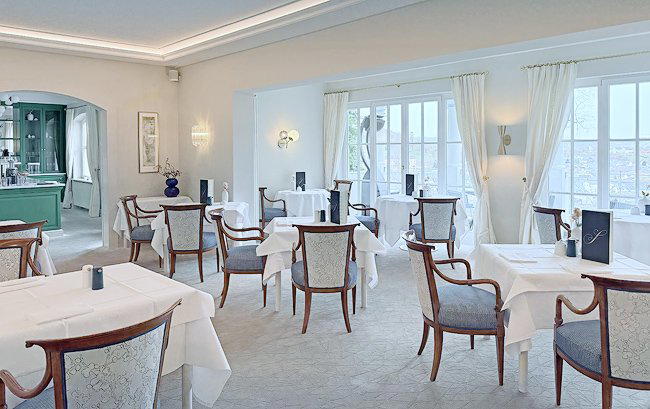
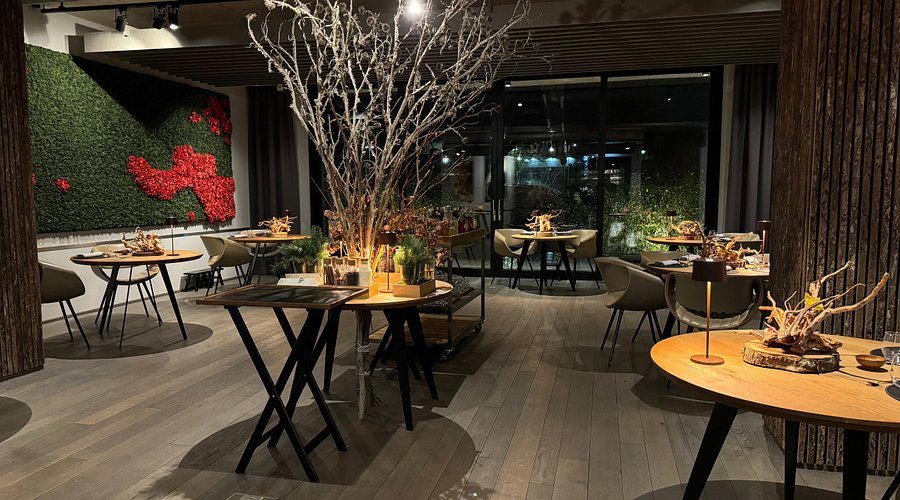
Bars in Niederweis
Browse all →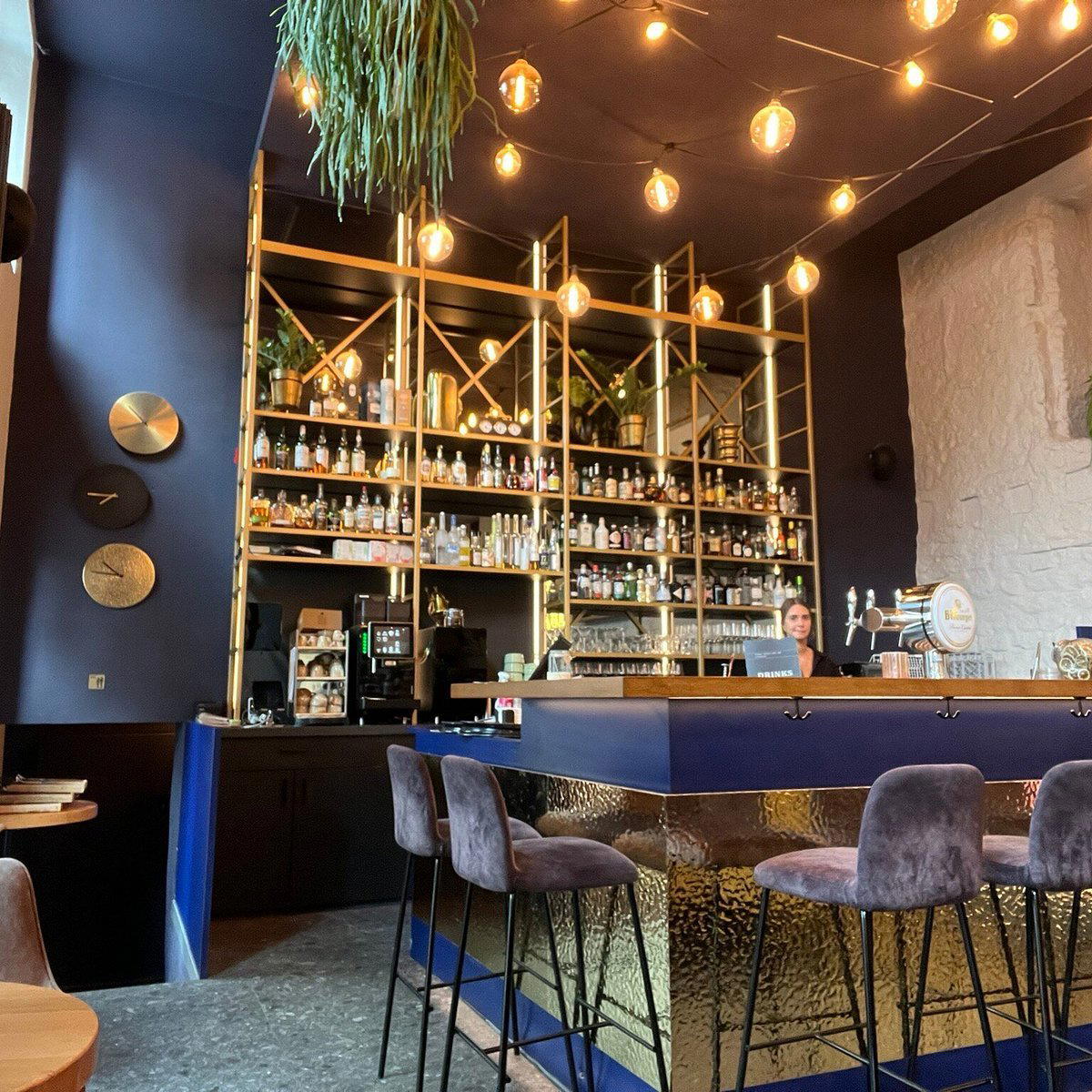
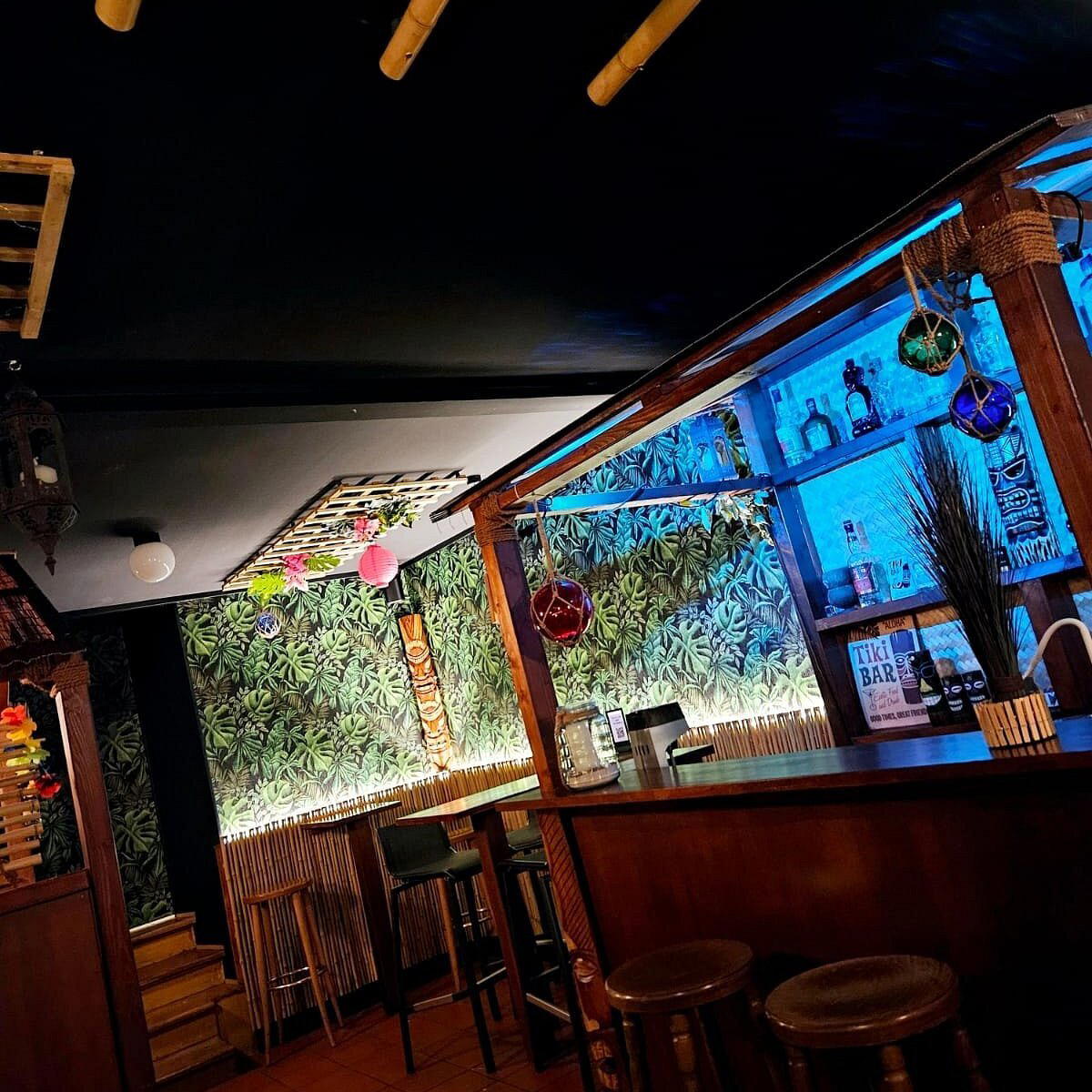
Hotels in Niederweis
Browse all →

At a Glance
- Elegant
- Cozy
- Scenic
- Classic
- Date Night
- Special Occasion
- Historic Building
- Terrace
- Extensive Wine List
- Local Sourcing
- Garden
Current opening hours
- Monday
- Closed
- Tuesday
- Closed
- Wednesday
- 12–2 PM, 6–9 PM
- Thursday
- 12–2 PM, 6–9 PM
- Friday
- 12–2 PM, 6–9 PM
- Saturday
- 12–2 PM, 6–9 PM
- Sunday
- 12–2 PM, 6–9 PM
Hours can change for holidays and private events. Last verified .
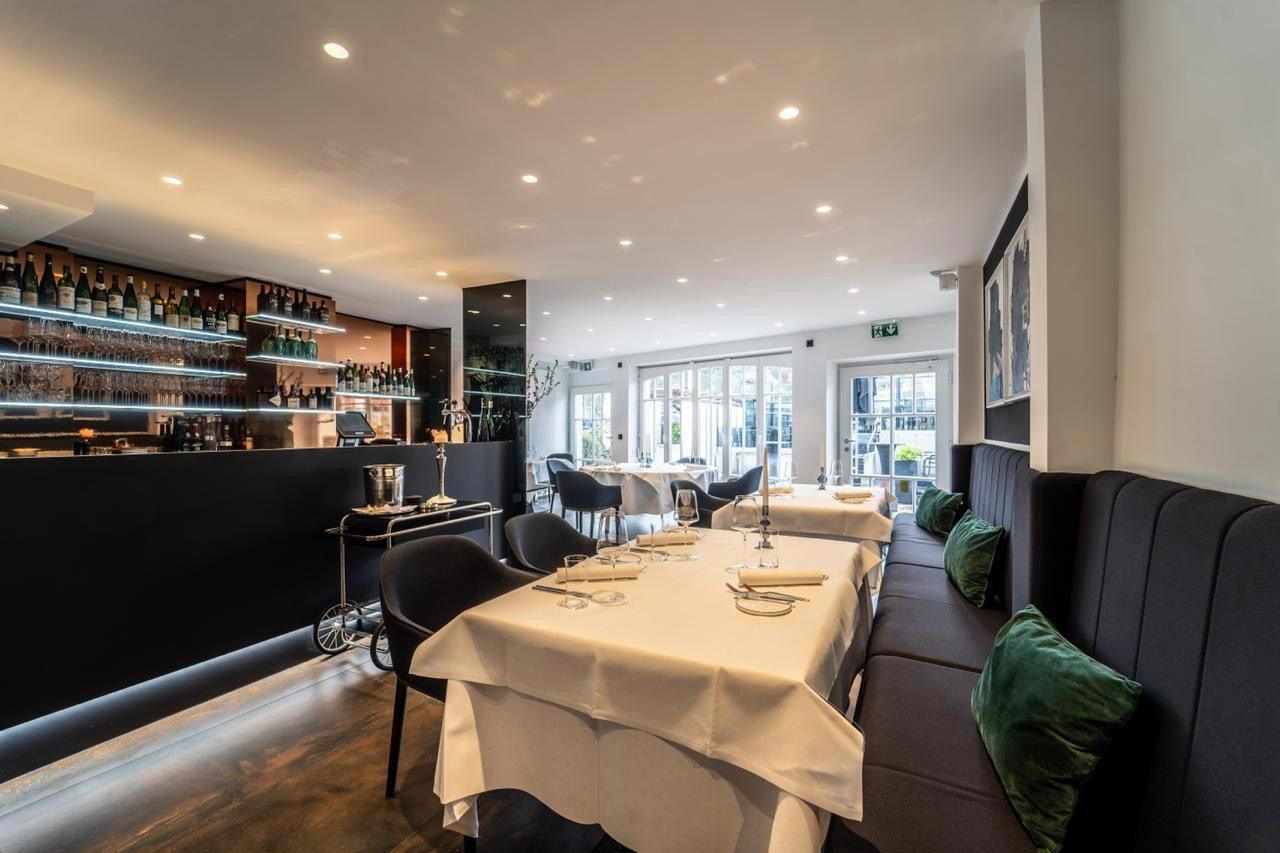
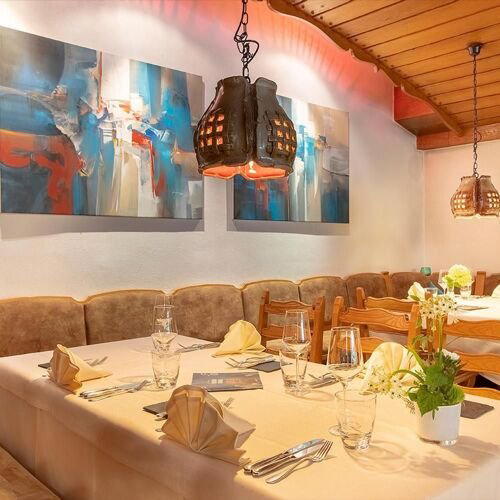
Pleasant, cozy ambience in historic castle setting with pleasant lighting and comfortable atmosphere.