Le Clervaux

Michelin Selected
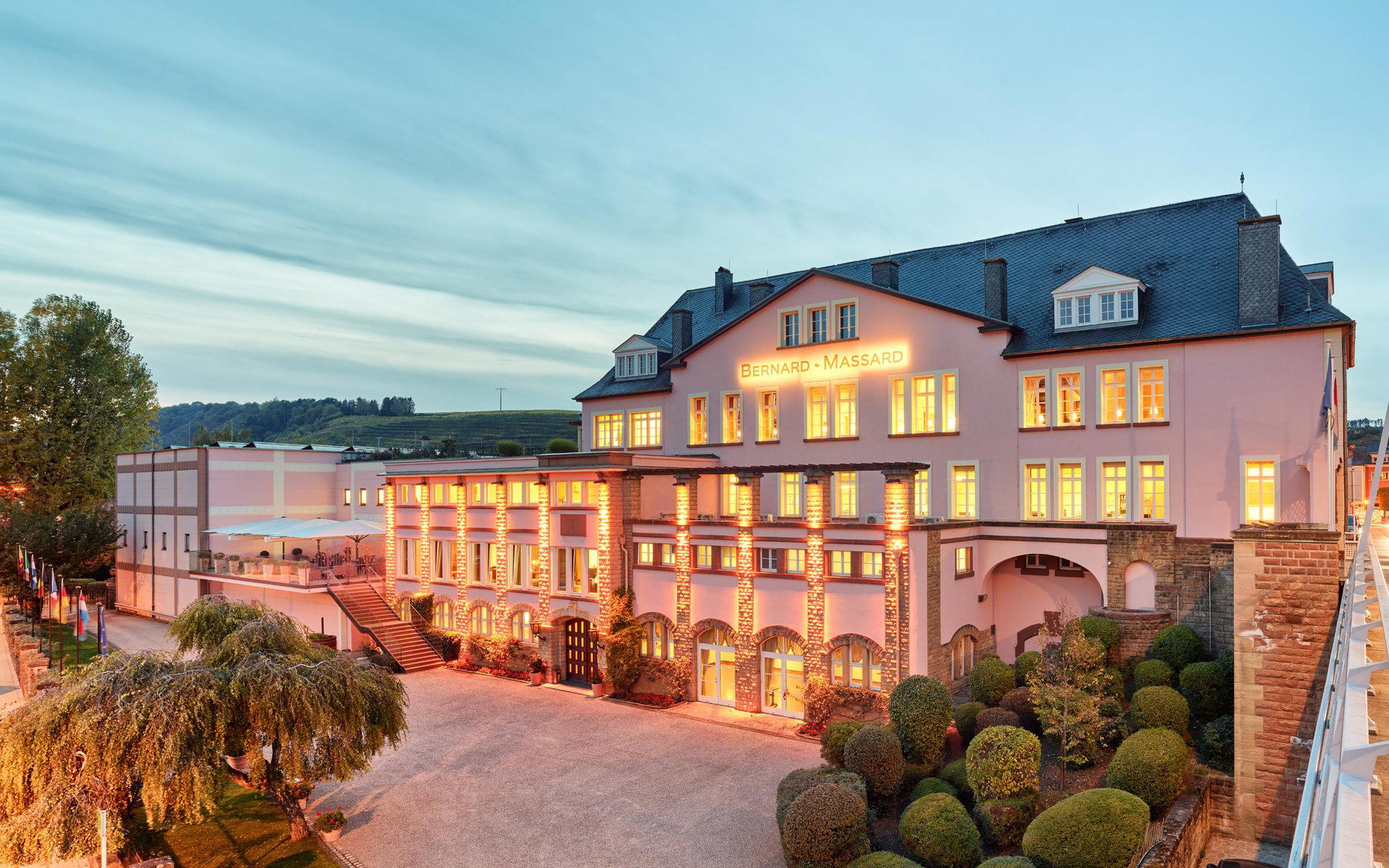
Le Clervaux occupies a considered position in Luxembourg's Ardennes town of the same name, earning MICHELIN Selected status for 2025. The property sits on Grand Rue at the heart of a medieval town defined by its abbey and castle, making it the natural base for exploring the northern reaches of the Grand Duchy. For travellers moving through this corner of Europe, it represents the most formally recognised accommodation in the area.

Pearl is the En Primeur Club membership app — saves, bookings, and concierge access live there. Same editors, same standards.
- Address
- 9 Grand-Rue, 9710 Clervaux, Luxembourg
- Phone
- +352 92 93 92
- Directions
- Get directions
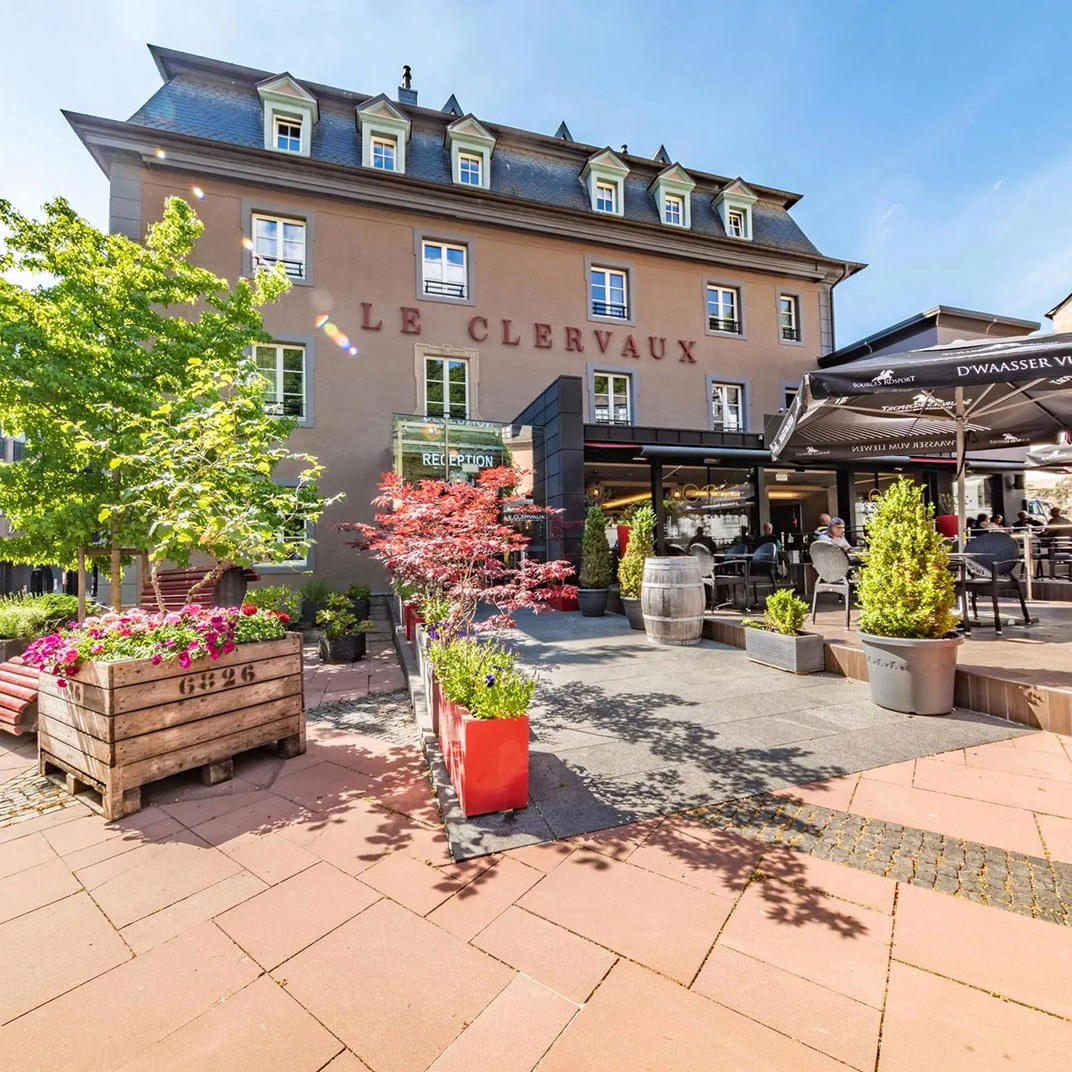
Stone, Silence, and the Ardennes Above
Arriving in Clervaux by road from the south, the town reveals itself slowly: the valley floor narrows, the Clerve river appears between tree lines, and the silhouette of the Benedictine abbey above the rooftops sets a tone that is architectural before it is hospitable. The Abbey of Saint-Maurice and Saint-Maur has watched over this valley since the twelfth century, and the built fabric of Clervaux has arranged itself in deference to that weight ever since. Hotels here do not compete with the landscape so much as take their cue from it. Le Clervaux, on Grand Rue at the centre of town, sits within that tradition: a property positioned where the pedestrian life of the old town concentrates, within walking distance of the castle that houses Edward Steichen's The Family of Man photography exhibition, a UNESCO Memory of the World collection that gives Clervaux a cultural gravity well beyond its population.
The MICHELIN Selected designation for 2025 places Le Clervaux in a specific tier of European accommodation: properties that the Guide's inspectors have assessed as meeting a threshold of quality without necessarily carrying a star classification. Within Luxembourg, that cohort includes properties across the capital and the Moselle valley, from Perrin in Luxembourg City to Villa Pétrusse, and further north, Château d'Urspelt in Urspelt and Archibald De Prince in Echternach. In Clervaux specifically, Le Clervaux holds that recognition alone, which clarifies its position for anyone planning a stay in the northern Ardennes.
The Physical Logic of Grand Rue
Grand Rue functions as Clervaux's main artery, running parallel to the river and connecting the station end of town with the castle approach. Properties on this street benefit from both accessibility and a certain civic centrality: the movement of the town passes by, yet the scale remains domestic rather than metropolitan. This is not a high street in any urban sense; it is a medieval market spine that happens to have survived intact, with the density of a small Luxembourgish town and the architectural continuity that comes from building within a confined valley where expansion was always constrained by topography.
In that context, a hotel on Grand Rue occupies a position that is simultaneously practical and atmospheric. Guests arrive, in most cases, having driven through the forests of the Ardennes or stepped off the train line that connects Clervaux to Luxembourg City in under ninety minutes. The approach to the property is on foot from either direction along the street, past stone facades that vary between nineteenth-century bourgeois townhouse and earlier vernacular construction. The palette is consistent: cream render, grey stone, slate, the occasional dark timber frame. Le Clervaux reads within that palette rather than against it.
Clervaux as a Design-Driven Destination
Northern Luxembourg has seen incremental investment in design-led hospitality over the past decade, partly driven by the success of the Müllerthal trail and Ardennes walking tourism, partly by a broader European trend toward slower, landscape-oriented travel. The properties that have gained the most recognition in this movement tend to be those that engage honestly with their regional context rather than importing an international hotel idiom wholesale. Château d'Urspelt, a few kilometres south, represents one version of this: a castle conversion that uses heritage structure as its primary design statement. Le Clervaux, operating in a townhouse format on the main street, represents a different register within the same regional sensibility.
The contrast between these two models is useful for travellers. Castle and manor conversions offer drama and spatial generosity; town-centre properties offer proximity to the abbey, the castle museum, and the everyday rhythm of a small Luxembourgish town. Neither is categorically superior to the other. The choice depends on whether a guest wants to be in the landscape looking at the town, or in the town looking out at the landscape. Le Clervaux positions itself firmly in the latter mode.
For comparison points at the international level, the logic of a well-placed town-centre property with cultural adjacency and formal recognition follows a pattern seen elsewhere in European heritage towns. Properties like Hotel Sacher Wien in Vienna or Le Bristol Paris represent the metropolitan extreme of that model; Le Clervaux operates at human scale, in a town of fewer than two thousand residents, where the cultural anchors are a medieval abbey and a UNESCO photography collection rather than opera houses and grand boulevards. The principle, though, is the same: position matters, and Grand Rue is the right street.
Planning a Stay in the Northern Ardennes
Clervaux sits in the far north of Luxembourg, approximately twelve kilometres from the Belgian border and within the broader Ardennes region that extends across Luxembourg, Belgium, and Germany. The town is reachable by direct train from Luxembourg City, with the journey running roughly eighty-five minutes; by car from the capital the drive through the Ardennes is under an hour, depending on the route taken through the Our valley or via Ettelbruck. For travellers arriving from Brussels or Germany's Eifel region, Clervaux is a natural first stop into Luxembourg from the north.
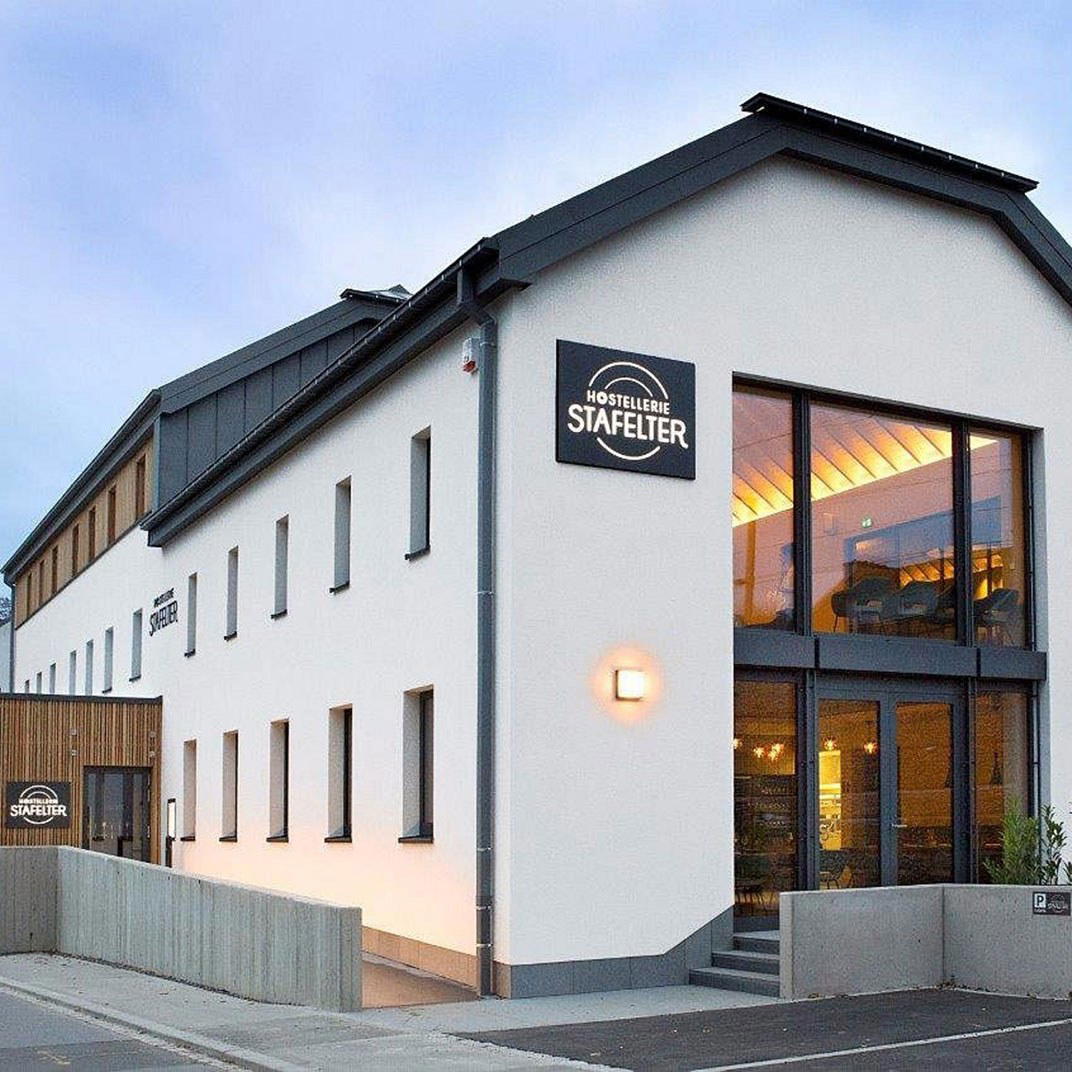
The town itself supports a full day or two of activity without requiring a car: the castle and The Family of Man exhibition, the abbey church, the valley walks along the Clerve, and the small town centre. Longer stays in the region benefit from a car, given the density of walking trails, wine estates in the Moselle to the south, and the Müllerthal's sandstone formations to the east. L'Écluse in Stadtbredimus and Hostellerie Stafelter in Walferdange cover the southern and central reaches of the Grand Duchy for those moving through on a longer itinerary.
Seasonally, the Ardennes rewards visits in autumn, when the forest cover turns and the light through the valley is low and lateral, and in late spring, when the trails are dry and the abbey gardens are in use. Winter brings a quieter town but also the intimacy that comes with off-season travel in a place that has a strong local identity and does not depend on tourism to function. Summer is the busiest period, with Belgian and German visitors making up a significant share of the traffic through Clervaux. For more on what the town and its surroundings offer across the year, see our full Clervaux restaurants guide.
Quick Comparison
Comparable venues nearby, for context on price, style, and recognition.
| Venue | Cuisine | Price | Awards | Notes |
|---|---|---|---|---|
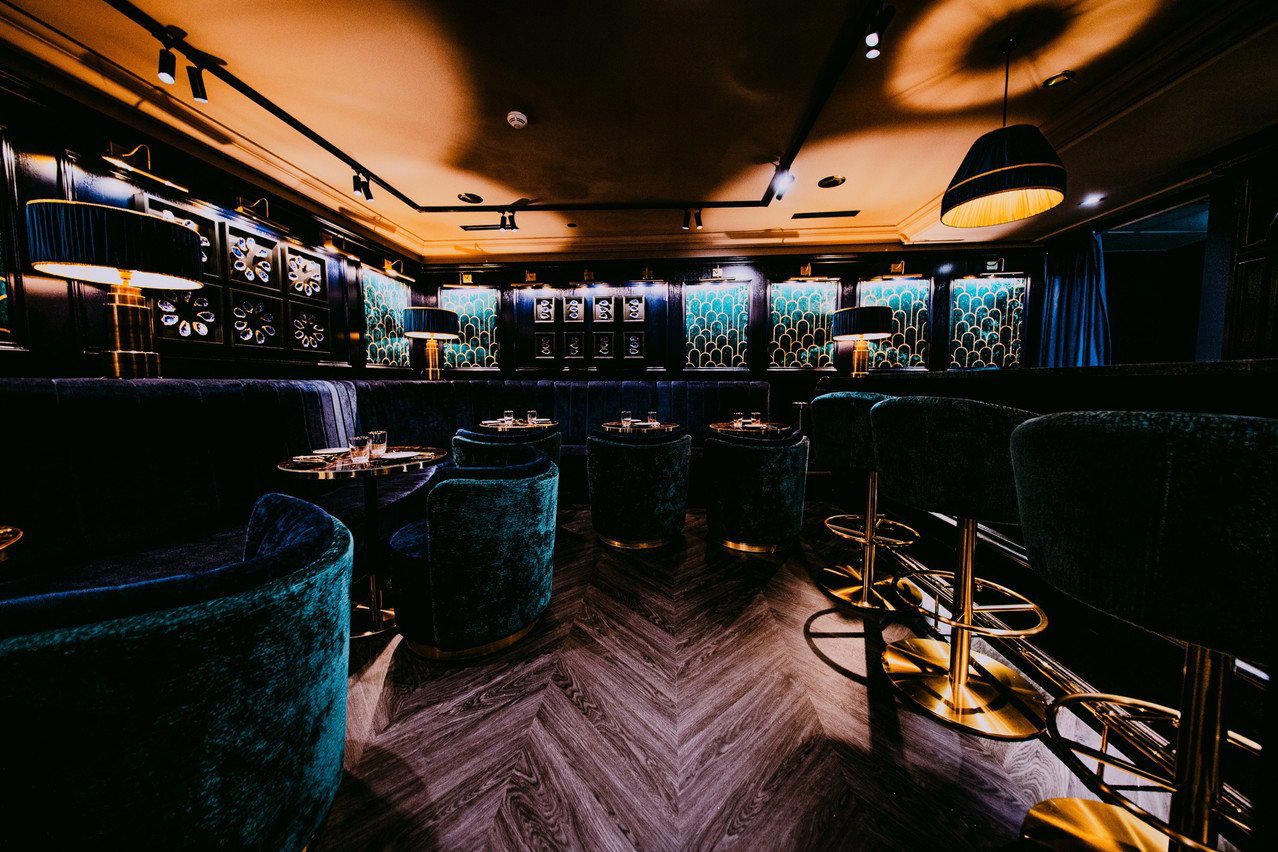
| Le ClervauxThis venue — the venue you are viewing | Art Deco boutique with baroque influences | $100–200 | Michelin Selected | Not listed |
| Hostellerie Stafelter | contemporary inn with personalized service | $100–200 | Michelin Selected | Walferdange |
| Château d'Urspelt | Historic castle hotel with modern comforts | Not listed | Michelin Selected | Urspelt |
| Les Jardins d'Anaïs | Intimate boutique hotel in historic quarter with ivy-covered facade and familial warmth. | Not listed | 4-Star | Ville Basses |
| Airfield Living | Renovated historic hunting lodge with intimate boutique positioning | $100–200 | Michelin Selected | Sandweiler |
| Sofitel Luxembourg Europe | Contemporary luxury with glass facade and modern French design | $200–300 | Michelin Selected · World Luxury Hotel Awards WLHA Country Winner | Kirchberg |
Recognition history
Dated appearances from independent guides and award organizations, with the underlying list record or original source where available.
Michelin Selected
Michelin
Continue exploring
More in Clervaux
Hotels in Clervaux
Browse all →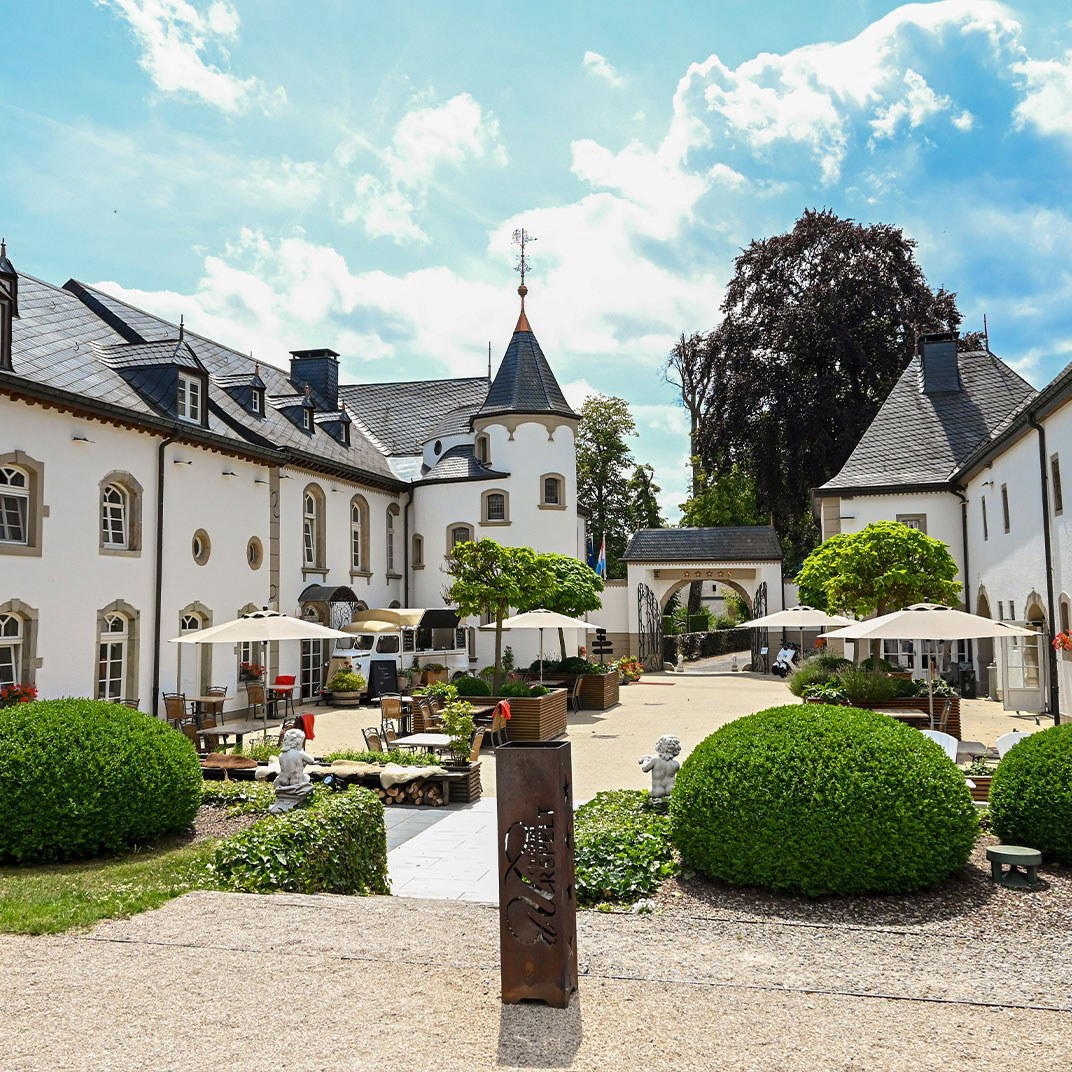
Bars in Clervaux
Browse all →
Restaurants in Clervaux
Browse all →
Details
- Romantic
- Elegant
- Sophisticated
- Cozy
- Romantic Getaway
- Wellness Retreat
- Weekend Escape
- Historic Building
- Wi Fi
- Pool
- Spa
- Fitness Center
- Room Service
- Concierge
- Restaurant
- Wheelchair Accessible
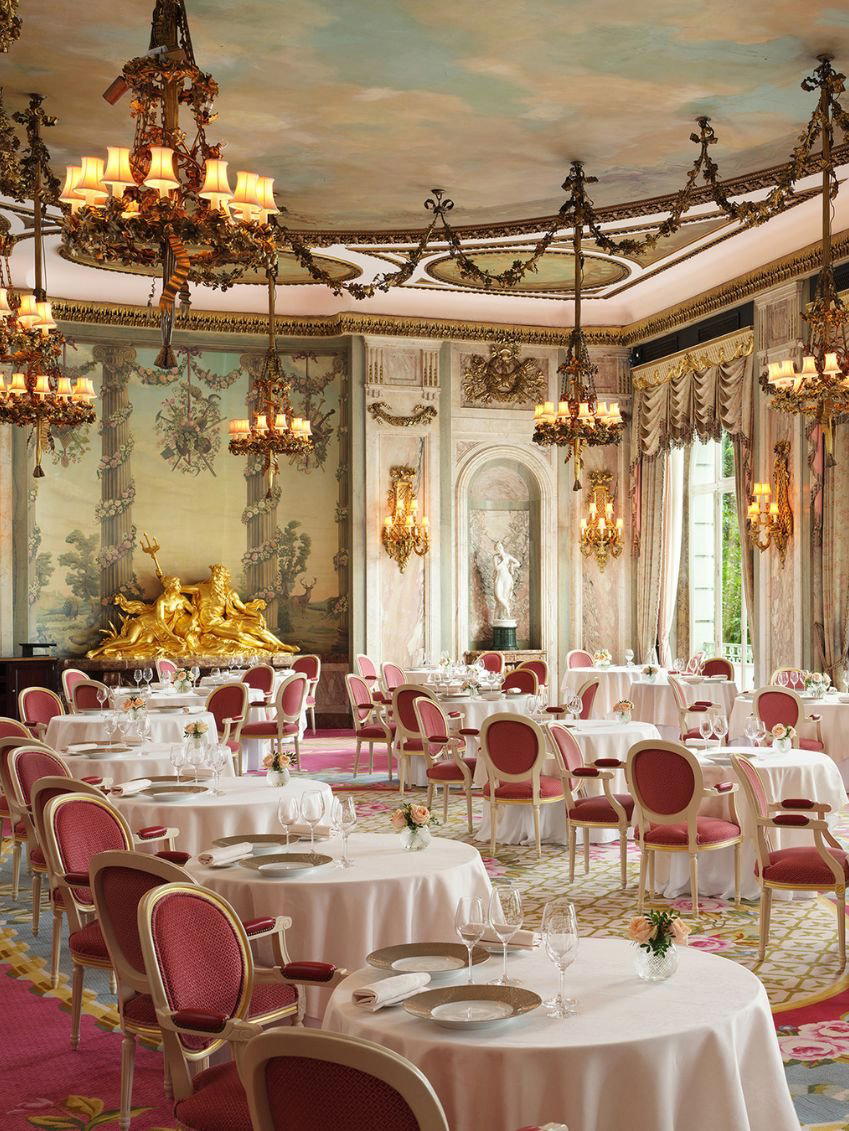
Elegant and serene with sophisticated Art Deco architecture, baroque touches, and a peaceful wellness atmosphere.