
Michelin Plate
Our verdict
A consecutive Michelin Plate holder for 2024 and 2025, Schimmel's delivers country cooking in the Baltic coastal town of Wustrow at a price point that sits well below the region's more formal dining. The kitchen works within a tradition where proximity to local farmland and the sea shapes what reaches the plate. For visitors arriving from the beach or the Fischland-Darß-Zingst peninsula, it reads as the kind of local room that earns its recognition quietly.

Pearl is the En Primeur Club membership app — saves, bookings, and concierge access live there. Same editors, same standards.
- Address
- Parkstraße 1, 18347 Wustrow, Germany
- Phone
- +49 38220 66500
- Hours
- Mon–Wed 2–10 PMThu ClosedFri 6–10 PMSat 2–10 PMSun 12–10 PM
- Website
- schimmels.de
- Directions
- Get directions
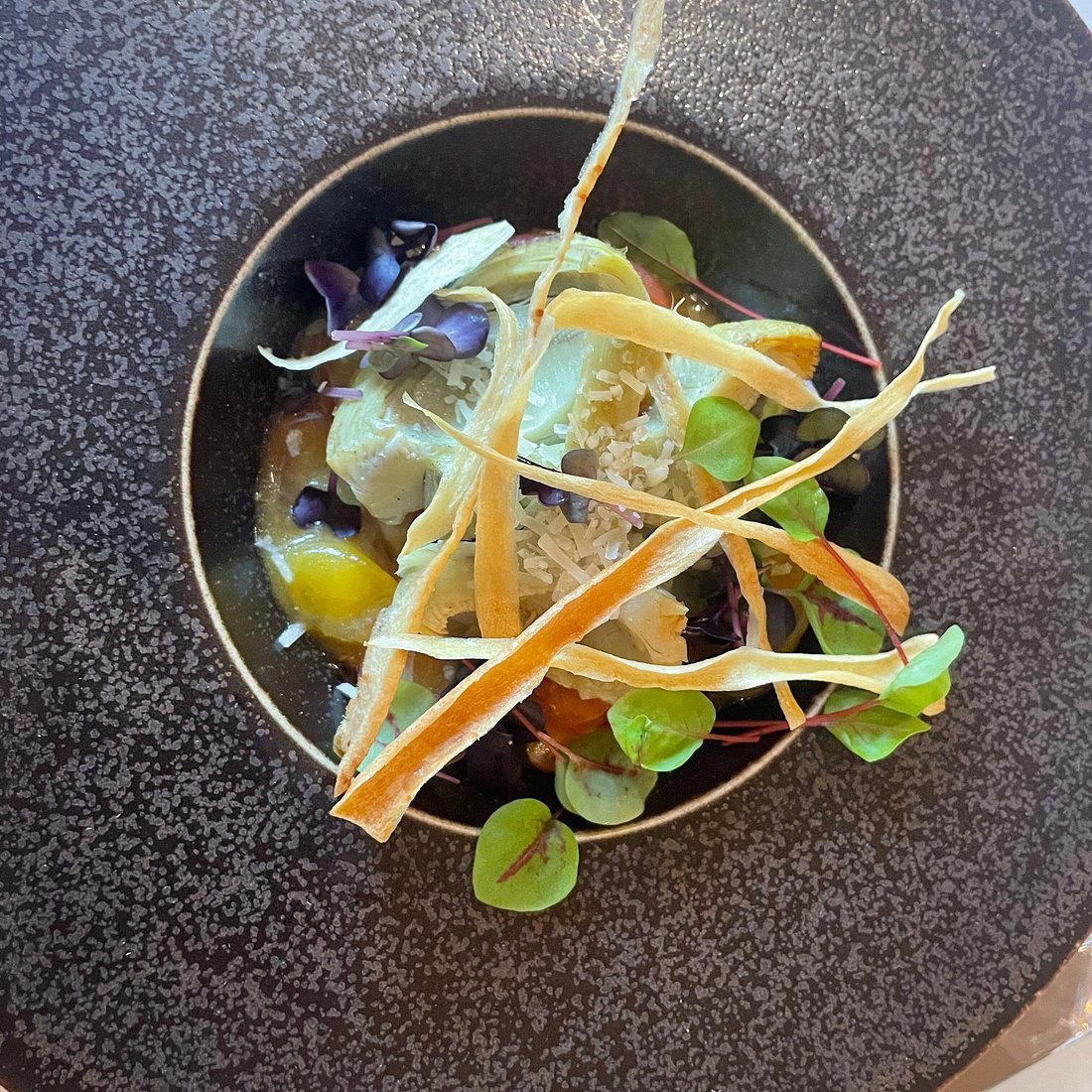
Wustrow's Quiet Case for Regional Cooking
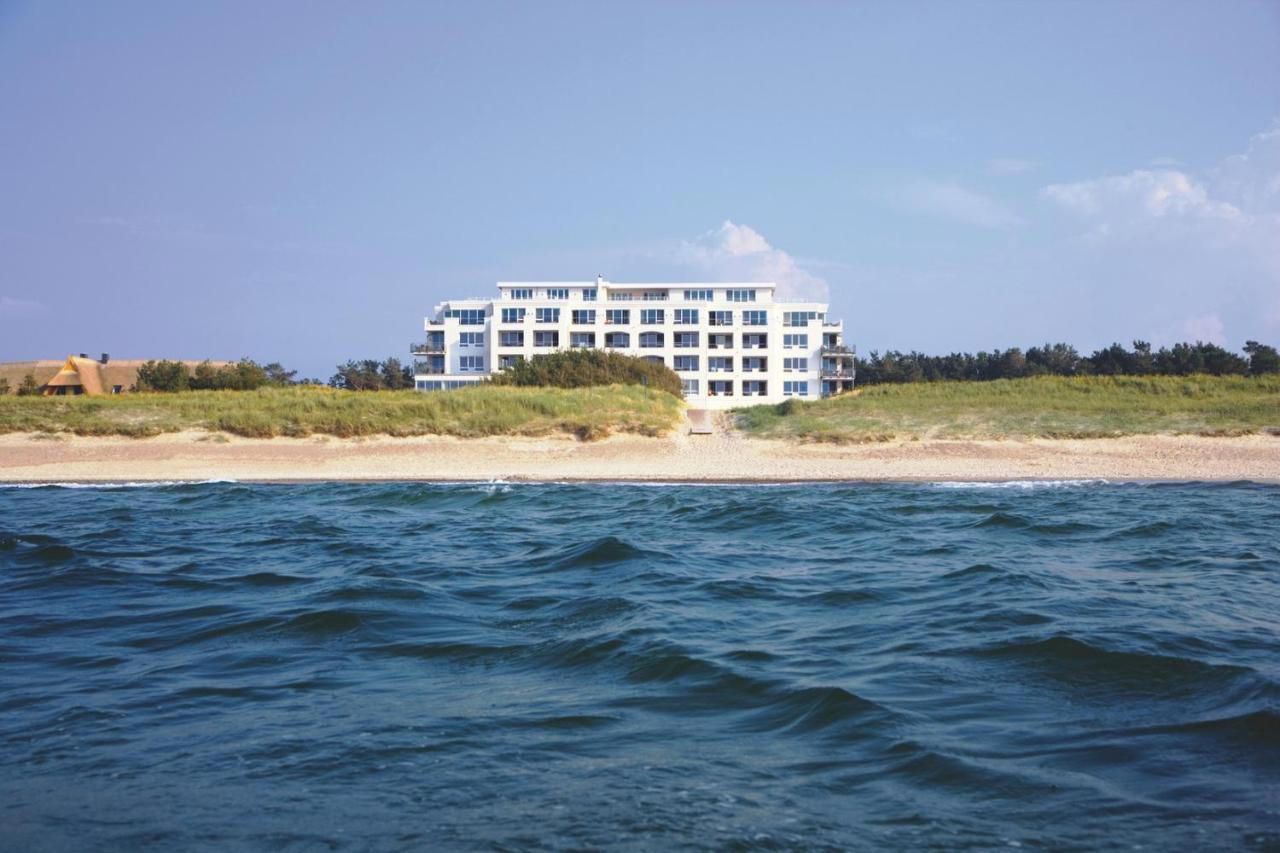
The Fischland-Darß-Zingst peninsula is a narrow strip of land between the Baltic Sea and the Bodden lagoons, where the light comes off the water at angles that change by the hour and the wind keeps most things honest. Wustrow sits at the southern tip of this peninsula, a village where the architecture runs to red brick and timber, the streets are narrow, and the dining scene operates at a register that has more to do with what local kitchens have always cooked than with what is currently fashionable in Hamburg or Berlin. It is in this context that Schimmel's, on Parkstraße, makes its clearest argument: that country cooking, done with enough discipline and consistency, earns the same attention as the kind of technically complex menus you find at places like Aqua in Wolfsburg or CODA Dessert Dining in Berlin, even if the conversation around it is quieter.
Where the Food Comes From
Country cooking in northern Germany is not a loose category. It is shaped, almost entirely, by what the surrounding land and water can provide. On the Fischland peninsula, that means fish from the Baltic, vegetables from the market gardens that have supplied local households for generations, and meat from inland farms close enough that supply chains remain short and seasonal variation is not a marketing claim but a practical reality. The kitchen at Schimmel's operates within this tradition, which is to say that the sourcing logic is baked into the format rather than announced on the menu. What arrives at the table reflects a particular geography: the brackish Bodden waters, the sandy soil of the peninsula, the cooler growing season of Mecklenburg-Vorpommern.
This is worth sitting with, because it represents a different approach to provenance than the one practised at destination restaurants further south. At Schwarzwaldstube in Baiersbronn or Vendôme in Bergisch Gladbach, sourcing is often one strand within a multi-layered technical conversation. Here, in a village of fewer than a thousand residents, the sourcing is the conversation. The kitchen does not import complexity from elsewhere; it works within what the region offers and treats that constraint as a creative condition rather than a limitation. You see this pattern in other European country cooking rooms too: 21.9 in Piobesi d'Alba and Andrea Monesi at Locanda di Orta operate by comparable logic, where regional identity is the organising principle and the surrounding terroir sets the terms.
Recognition at the Right Scale
Schimmel's has held the Michelin Plate in both 2024 and 2025. The Plate, distinct from the star tiers, signals that Michelin's inspectors found food prepared to a consistent standard worth noting, without elevating the venue into the destination dining bracket. For a room operating in a village this size, at the €€ price point, that is precisely the right tier of recognition. It places Schimmel's in a category of serious regional kitchens rather than ambitious fine dining projects, and it confirms that the consistency required to earn the distinction year-on-year is present. For comparison, the kinds of credentials that attach to JAN in Munich, Schanz in Piesport, or Waldhotel Sonnora in Dreis represent a different tier of ambition and price; Schimmel's is not competing with those rooms and does not need to.
Planning a Visit
Wustrow is reachable by road from Rostock in roughly an hour, or from Stralsund in a similar window, making it a viable day trip from either city for visitors already on the Baltic coast. The peninsula is a popular summer destination, particularly from late June through August, when the beaches draw considerable numbers from across northern Germany. Visiting in the shoulder months, particularly May or early October, brings the village back to its quieter register and is arguably when the country cooking format makes most sense: produce is in transition, the Bodden is still warm enough for late-season fish, and the room is not under the pressure of peak summer service. Booking ahead is advisable in summer; outside that window, the pace is more relaxed. The €€ price range positions Schimmel's well below what you would spend at most Michelin-recognised kitchens further south, making it an accessible option for travellers using Wustrow as a base to move between the peninsula's villages and nature reserve. For everything else the area offers, our full Wustrow restaurants guide, Wustrow hotels guide, bars guide, wineries guide, and experiences guide cover the wider area in detail.
How It Sits in the Wider German Scene
Germany's recognised dining scene tilts heavily toward fine dining rooms in cities and spa resort towns: Restaurant Haerlin in Hamburg, ES:SENZ in Grassau, Victor's Fine Dining by Christian Bau in Perl, and Bagatelle in Trier represent the kind of formal, destination-led experience that requires significant planning and budget. Schimmel's occupies a different position: a recognised regional room in a village setting, where the claim to attention rests on what the local larder supplies rather than on technical elaboration. That is a coherent and defensible position, and in a country where rural cooking traditions are often overlooked in favour of urban fine dining, it is a position that takes some discipline to hold.
Frequently asked questions
Is Schimmel's okay with children?
Is Schimmel's better for a quiet night or a lively one?
What do regulars order at Schimmel's?
Comparable Spots, Quickly
| Venue | Cuisine | Awards |
|---|---|---|
| Schimmel'sThis venue — the venue you are viewing | Modern German Regional | Michelin Plate |
| Schwarzwaldstube | French, Classic French | Michelin 3 Star |
| Aqua | Contemporary German, Italian/Japanese, Creative | Michelin 3 Star |
| CODA Dessert Dining | Creative | Michelin 2 Star |
| Tantris | Modern French, French Contemporary | Michelin 2 Star |
| Vendôme | Modern European, Creative | Michelin 2 Star |
Recognition history
Dated appearances from independent guides and award organizations, with the underlying list record or original source where available.
Michelin Plate
Michelin
Full recognition history (3 entries)
Michelin Plate
Michelin
Michelin Plate
Michelin
Details
- Modern
- Elegant
- Cozy
- Date Night
- Special Occasion
- Open Kitchen
- Local Sourcing
- A La Carte
- Set Menu
- Vegetarian Friendly
Current opening hours
- Monday
- 2–10 PM
- Tuesday
- 2–10 PM
- Wednesday
- 2–10 PM
- Thursday
- Closed
- Friday
- 6–10 PM
- Saturday
- 2–10 PM
- Sunday
- 12–10 PM
Hours can change for holidays and private events. Last verified .
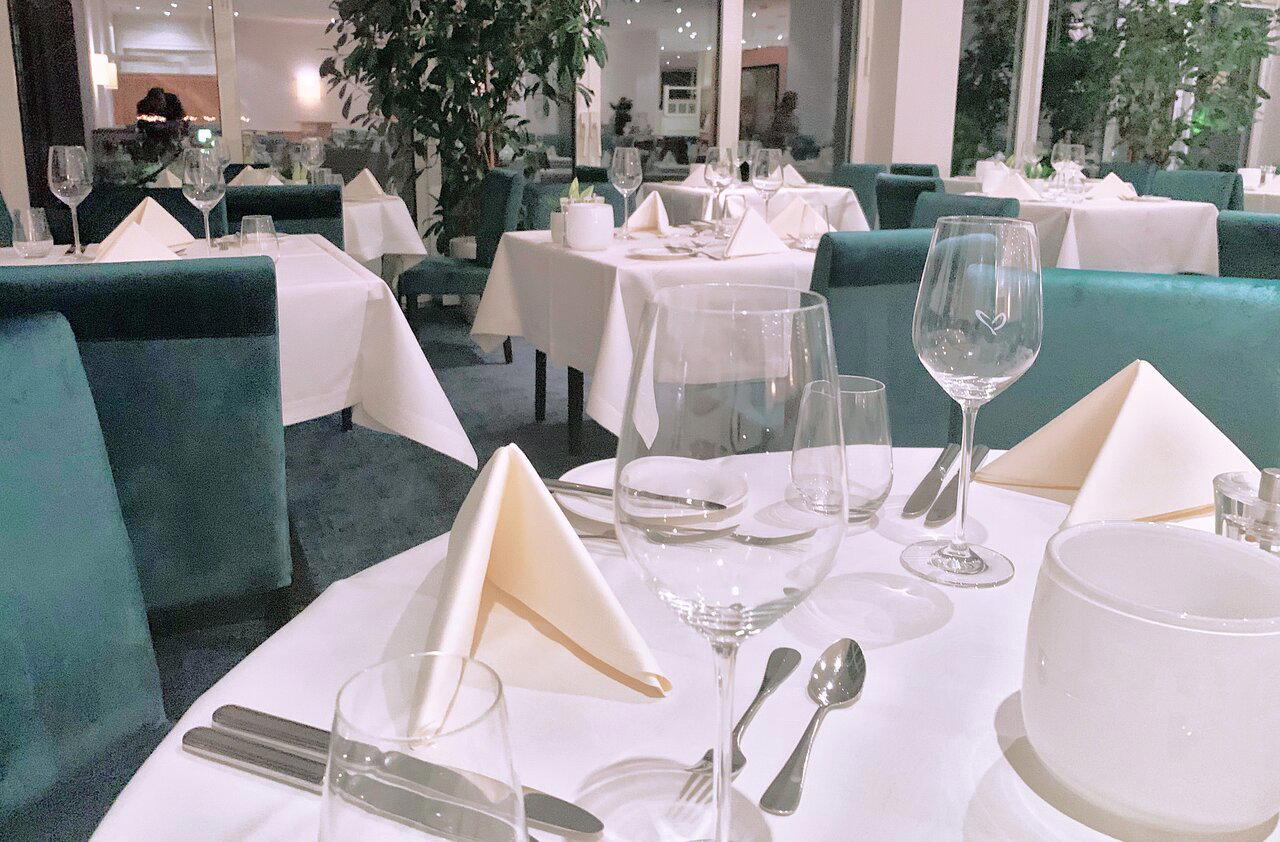
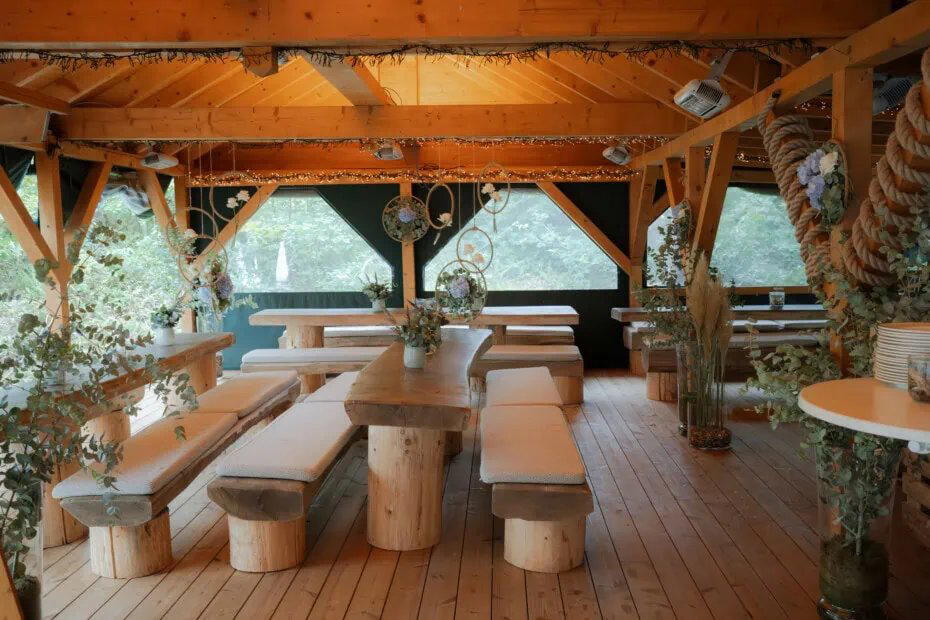
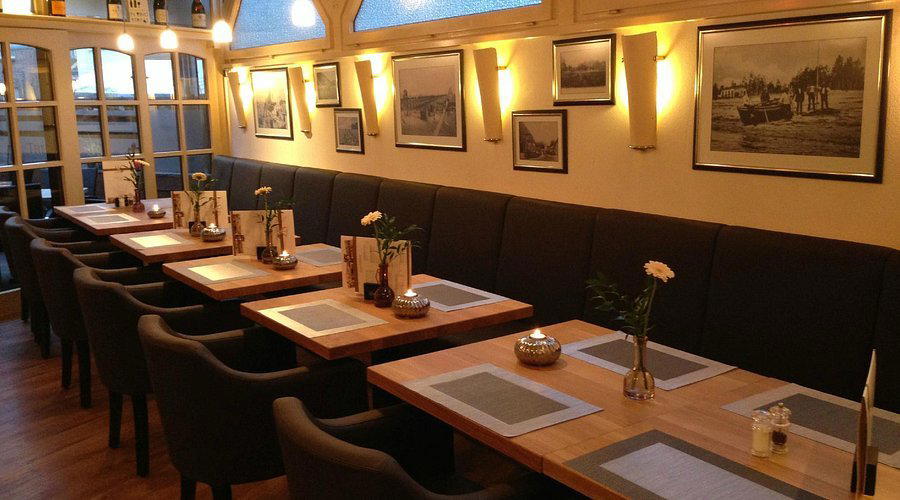
Smart, modern, and stylish interior with welcoming atmosphere, wooden tables, light and airy with direct view of the open kitchen.