Scalini Fedeli

For twenty-five years, Scalini Fedeli has occupied a 19th-century Tribeca building where Chef Michael Cetrulo's Italian prix-fixe format has cultivated one of downtown New York's most loyal dining rooms. The restaurant sits in a category of its own: a serious, room-driven Italian table that has resisted the churn defining much of the city's fine-dining scene. Reserve well ahead.
Pearl is the En Primeur Club membership app — saves, bookings, and concierge access live there. Same editors, same standards.
- Address
- 165 Duane St, New York, NY 10013
- Phone
- (212) 528-0400
- Website
- scalinifedeli.com
- Directions
- Get directions
 Saves & bookings on Pearl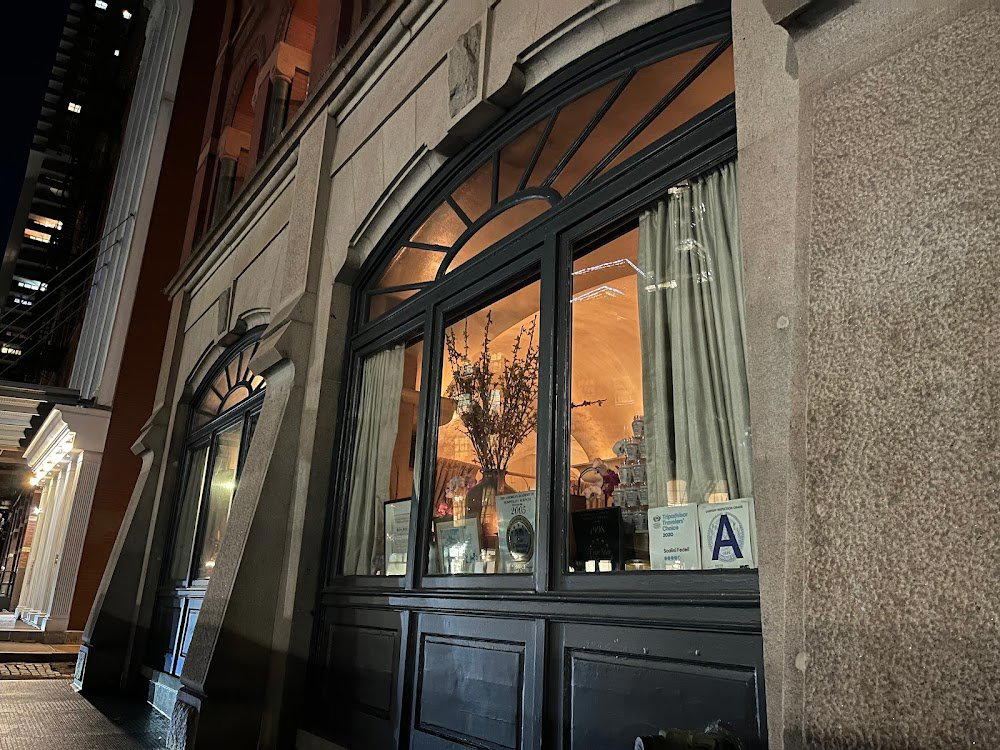
A Tribeca Address That Has Outlasted Trends
Tribeca's restaurant scene has reorganized itself several times over the past quarter century. Concepts have opened and closed around the neighbourhood's cast-iron facades, chasing each successive wave of downtown money and critical attention. Against that backdrop, the longevity of a white-tablecloth Italian room at 165 Duane Street reads less as nostalgia and more as a studied refusal to participate in the churn. The 19th-century building sets the tone immediately: the architecture belongs to a period when Tribeca was a mercantile district, and the dining room inside carries that gravity forward rather than working against it. You arrive through a neighbourhood that now trades in loft conversions and gallery openings; you step into a room that feels composed and assured.
That kind of institutional confidence is harder to manufacture than people assume. New York's fine-dining corridor, running from Midtown tables like Le Bernardin and Per Se down through the newer downtown guard, rewards novelty at one end and genuine track records at the other. Scalini Fedeli has had twenty-five years to accumulate the second kind of capital. That tenure means the room has absorbed generations of regulars, and the service culture that develops around a stable, returning clientele is qualitatively different from anything a newer opening can replicate.
Italian Fine Dining in a City That Keeps Reinventing the Category
New York's relationship with serious Italian cooking has always been complicated by the city's tendency to flatten distinctions. A prix-fixe Italian table with a fixed menu progression sits at a remove from the neighborhood trattoria model and even further from the modern small-plates Italian formats that have dominated critical conversation over the past decade. Scalini Fedeli has operated within the former tradition throughout: structured courses, an elegant room, and a commitment to the kind of cooking that rewards patience rather than provocation.
Across New York's fine-dining tier more broadly, Italian cuisine occupies a peculiar position. The French-lineage rooms, represented by places like Le Bernardin, and the Japanese-influenced counters like Masa command consistent critical scrutiny. Italian fine dining, when it holds the prix-fixe format, tends to draw a different kind of attention: less about conceptual novelty and more about execution sustained over time. Chef Michael Cetrulo's approach fits that framework. The loyalty of the clientele, documented across the restaurant's twenty-five-year span, signals that the cooking has consistently met a standard that returning guests, who have options, continue to find compelling.
For a broader view of where Scalini Fedeli sits within the city's fine-dining hierarchy, the EP Club New York City restaurants guide maps the full competitive set, from Midtown anchors to newer downtown formats. Comparable prix-fixe programs across the country, including The French Laundry in Napa and Alinea in Chicago, illustrate how the format functions when it prioritizes depth over experimentation, a useful reference point for understanding what Scalini Fedeli is and is not trying to do.
The Room as a Collaborative System
One important story at a restaurant that has lasted this long in one of the country's most competitive dining cities is the system that delivers the experience consistently, night after night, to an audience of regulars who know exactly what they expect. That system is a collaboration: kitchen, floor, and wine program operating with enough shared fluency that the seams don't show.
At the level of fine dining that restaurant occupies, front-of-house is not a support function, it is co-equal. The kind of loyal clientele the restaurant has built over a quarter century implies a floor team that knows its regulars, anticipates preferences, and manages the room's pacing as a craft in itself. The prix-fixe format reinforces this: when the menu is fixed and the kitchen's output follows a predetermined arc, the floor team carries a larger share of the experience's variability. They are the variable that turns a meal into an occasion for a returning guest who already knows the cooking.
The wine program at a room of this type typically functions as the third leg of that stool. Italian fine dining at the prix-fixe level pairs naturally with a cellar weighted toward the Italian peninsula's better appellations, and the service of those wines, the sequencing, the temperature, the moment of recommendation, falls to the sommelier as much as to the winemaker. Comparable Italian fine-dining formats at this level, from 8½ Otto e Mezzo Bombana in Hong Kong to Alain Ducasse's Louis XV in Monte Carlo, demonstrate how much the front-of-house ensemble shapes the guest's final impression relative to the kitchen alone.
Soulful Italian cooking, the descriptor applied to Cetrulo's work, is not a style that telegraphs itself through technical spectacle. It asks the room to carry part of the emotional register. That is a different kind of restaurant than the chef-as-auteur formats at, say, Lazy Bear in San Francisco or Saga in New York, where the kitchen's conceptual ambition is the dominant signal. At the restaurant, the ambition is in the integration.
Where Downtown Italian Fine Dining Sits Now
Twenty-five years of continuous operation in Tribeca places the restaurant in a peer group that is smaller than most people assume. Downtown Manhattan has absorbed a significant volume of serious restaurant openings in that period, and the attrition rate among rooms aiming at the white-tablecloth Italian tier has been high. The restaurants that remain at that level tend to share a common feature: a base of return visitors whose loyalty insulates them from the volatility that takes down concept-driven openings when the initial wave of attention recedes.
That does not mean stagnation. A dining room that has held the same format for twenty-five years while retaining a loyal clientele is, by definition, executing its format well enough to forestall the need for reinvention. In a city where César and other contemporary formats compete aggressively for the same discretionary spend, that kind of durability is worth taking seriously as a signal about the quality of the underlying operation.
Other US destinations operating serious prix-fixe Italian or European formats, including Providence in Los Angeles, Emeril's in New Orleans, and Single Thread Farm in Healdsburg, offer useful comparison points.
Cuisine and Awards Snapshot
Comparable venues nearby, for context on price, style, and recognition.
| Venue | Cuisine | Price | Notes |
|---|---|---|---|
| Scalini FedeliThis venue — the venue you are viewing | Northern Italian Fine Dining | $$$$ | Not listed |
| Bad Roman | Modern Italian | $$$$ | Upper West Side-Lincoln Square |
| Bocelli | Authentic Italian Trattoria | $$$$ | Grasmere-Arrochar-South Beach-Dongan Hills |
| Casa Lever | Modern Milanese Italian | $$$$ | Midtown-Times Square |
| House of Domes | Polished Tuscan Italian | $$$ | SoHo-Little Italy-Hudson Square |
| Eataly - Flatiron | Authentic Italian Marketplace with Pizza, Pasta & Seafood | $$$ | Midtown South-Flatiron-Union Square |
Recognition history
Dated appearances from independent guides and award organizations, with the underlying list record or original source where available.
Star Wine List
Star Wine List
Continue exploring
More in New York City
Restaurants in New York City
Browse all →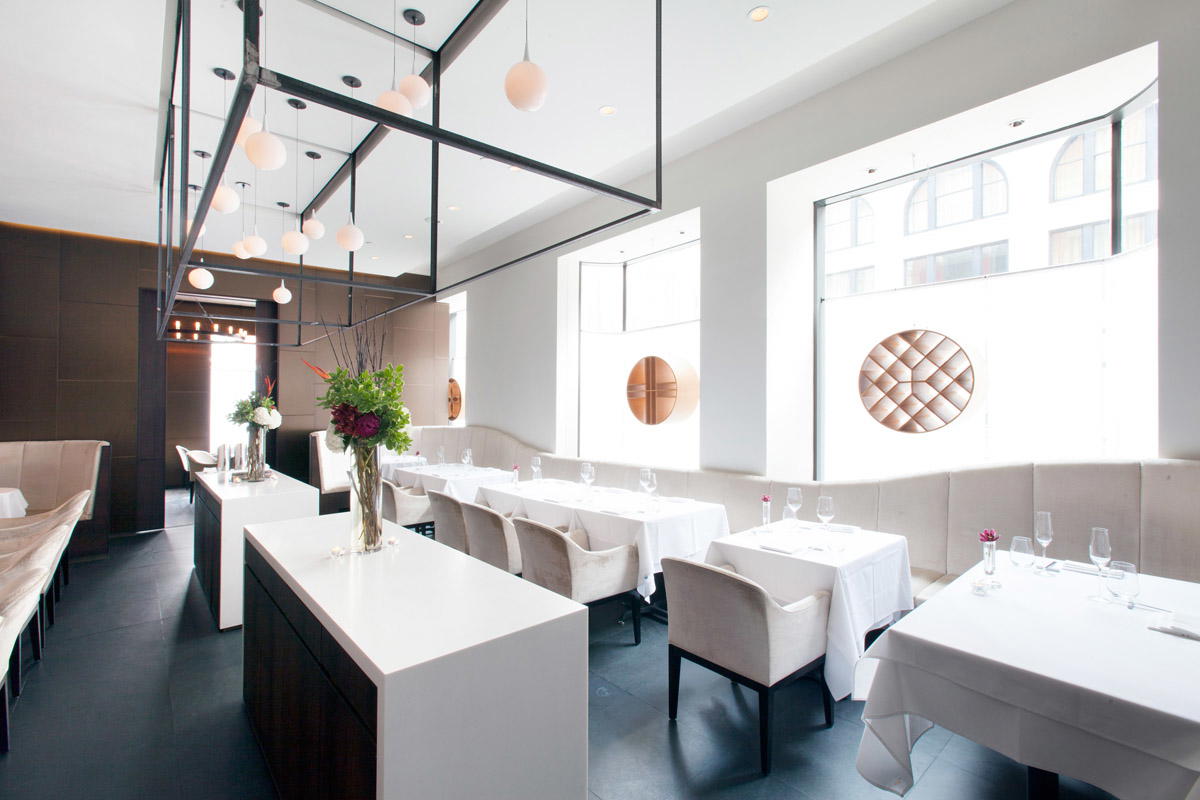
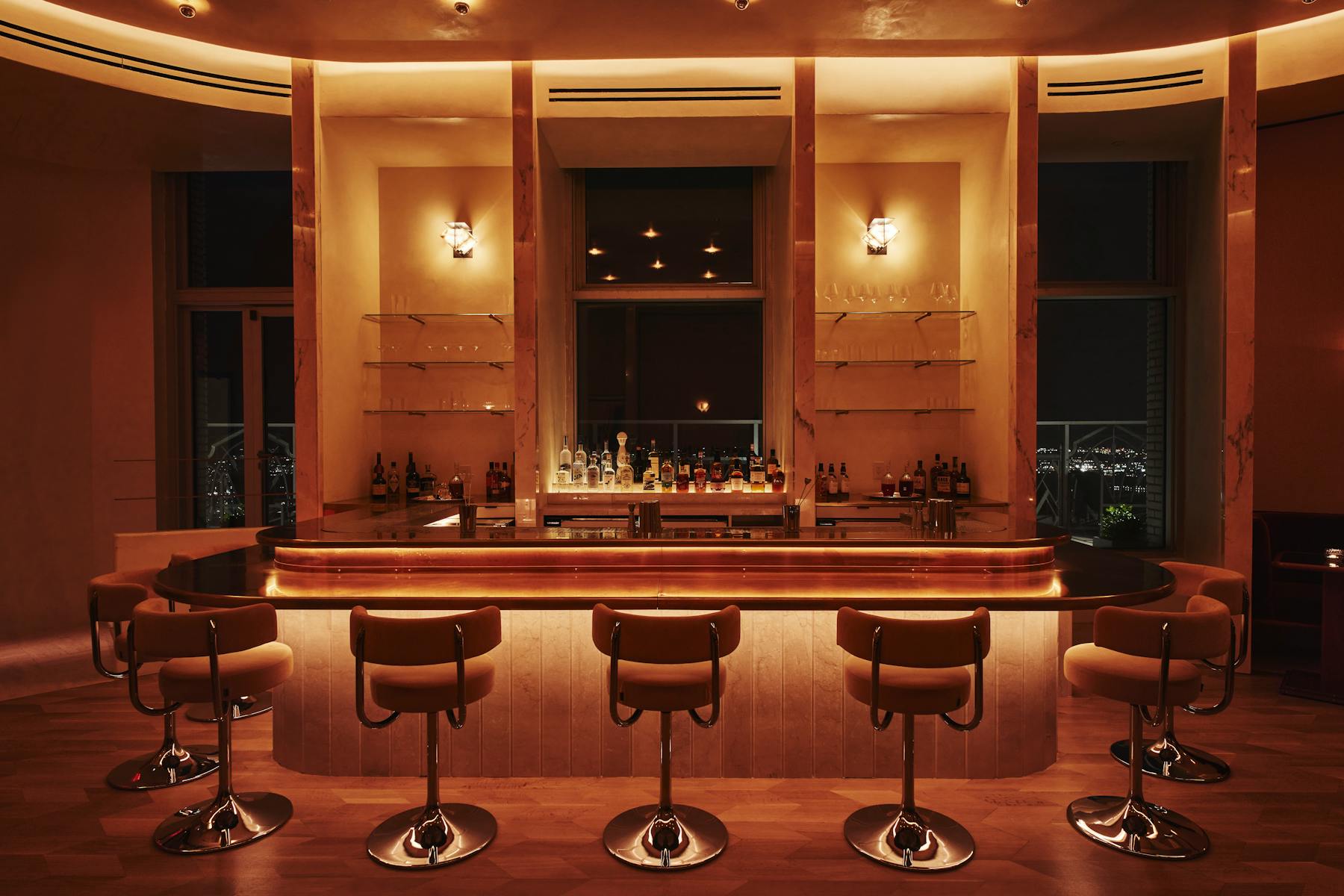
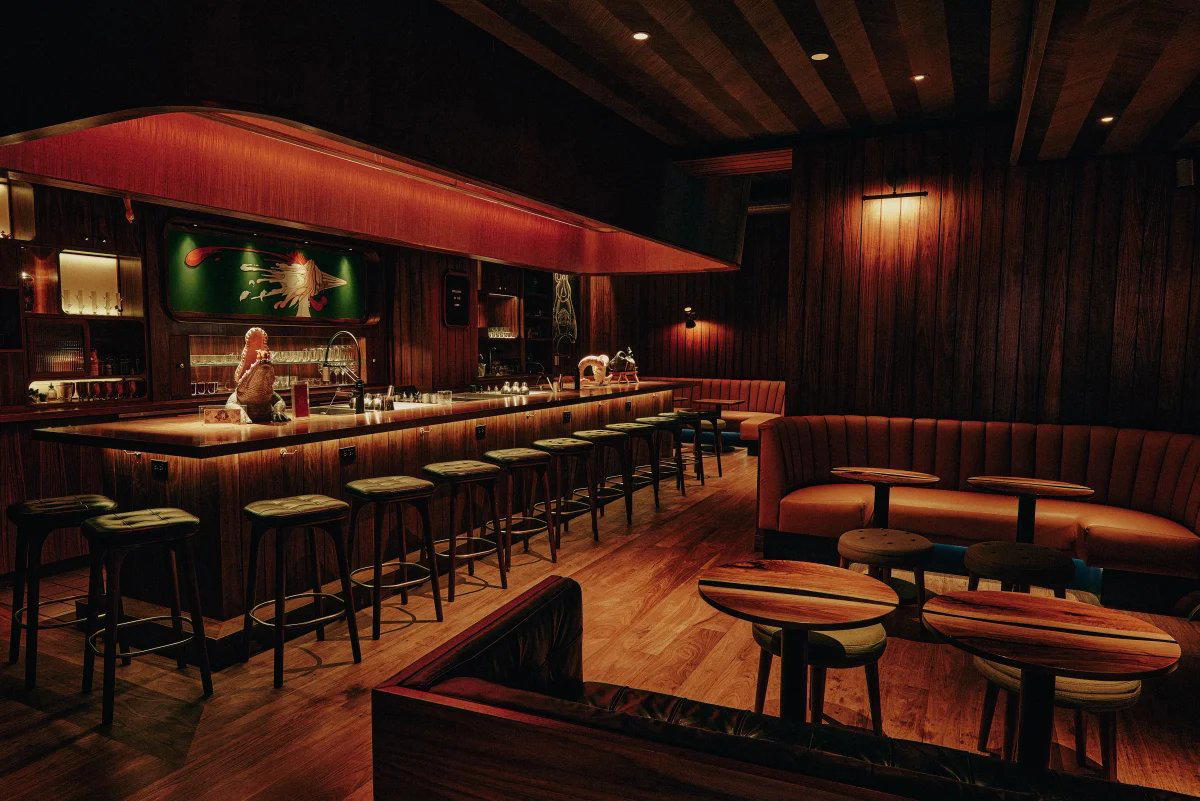
Bars in New York City
Browse all →
Hotels in New York City
Browse all →






At a Glance
- Romantic
- Elegant
- Classic
- Intimate
- Sophisticated
- Date Night
- Special Occasion
- Business Dinner
- Wine Cellar
- Private Dining
- Extensive Wine List
Current opening hours
- Monday
- Closed
- Tuesday
- 5:30–9 PM
- Wednesday
- 5:30–9 PM
- Thursday
- 5:30–9 PM
- Friday
- 5:30–10 PM
- Saturday
- 5:30–10 PM
- Sunday
- 4:30–8:30 PM
Hours can change for holidays and private events. Last verified .
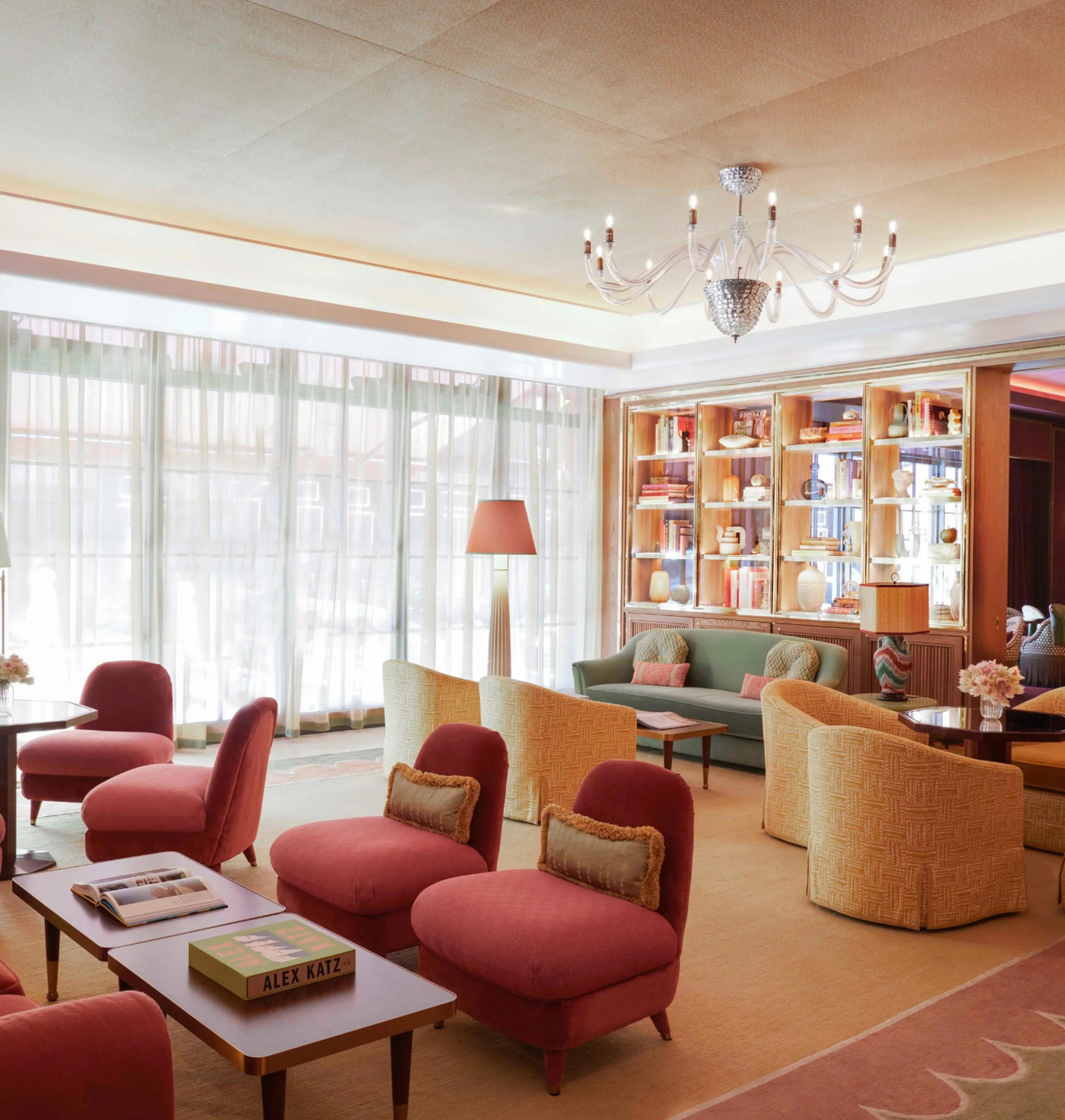
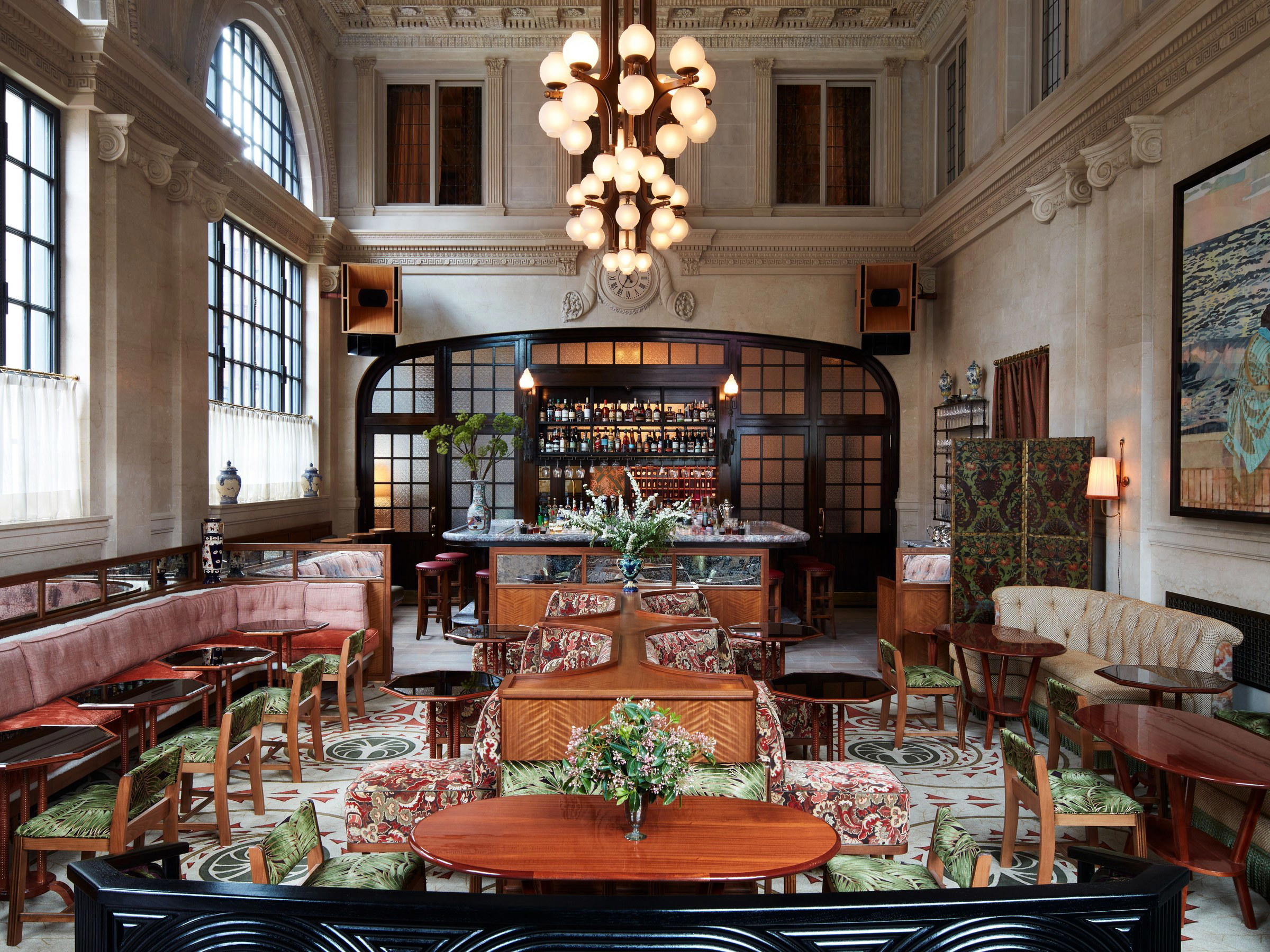
Intimate old-world atmosphere with vaulted ceilings, real candles on tables, low lighting, and a calm, conversational environment.