Sate Khas Senayan
Sate Khas Senayan is a long-established Jakarta institution anchoring Javanese and Sundanese grilled traditions in the Menteng district of Jakarta Pusat. The restaurant draws on Indonesia's deep satay culture, presenting regional skewer preparations alongside classic accompaniments in a setting that has served the city's professional and diplomatic classes for decades. For visitors orienting themselves in central Jakarta, it represents a direct line into the archipelago's most recognisable culinary form.
Pearl is the En Primeur Club membership app — saves, bookings, and concierge access live there. Same editors, same standards.
- Address
- Jl. Kebon Sirih No.31A, Kb. Sirih, Kec. Menteng, Kota Jakarta Pusat, Daerah Khusus Ibukota Jakarta 10340, Indonesia
- Phone
- +62 21 31926238
- Website
- sks.sarirasa.co.id
- Directions
- Get directions
 Saves & bookings on Pearl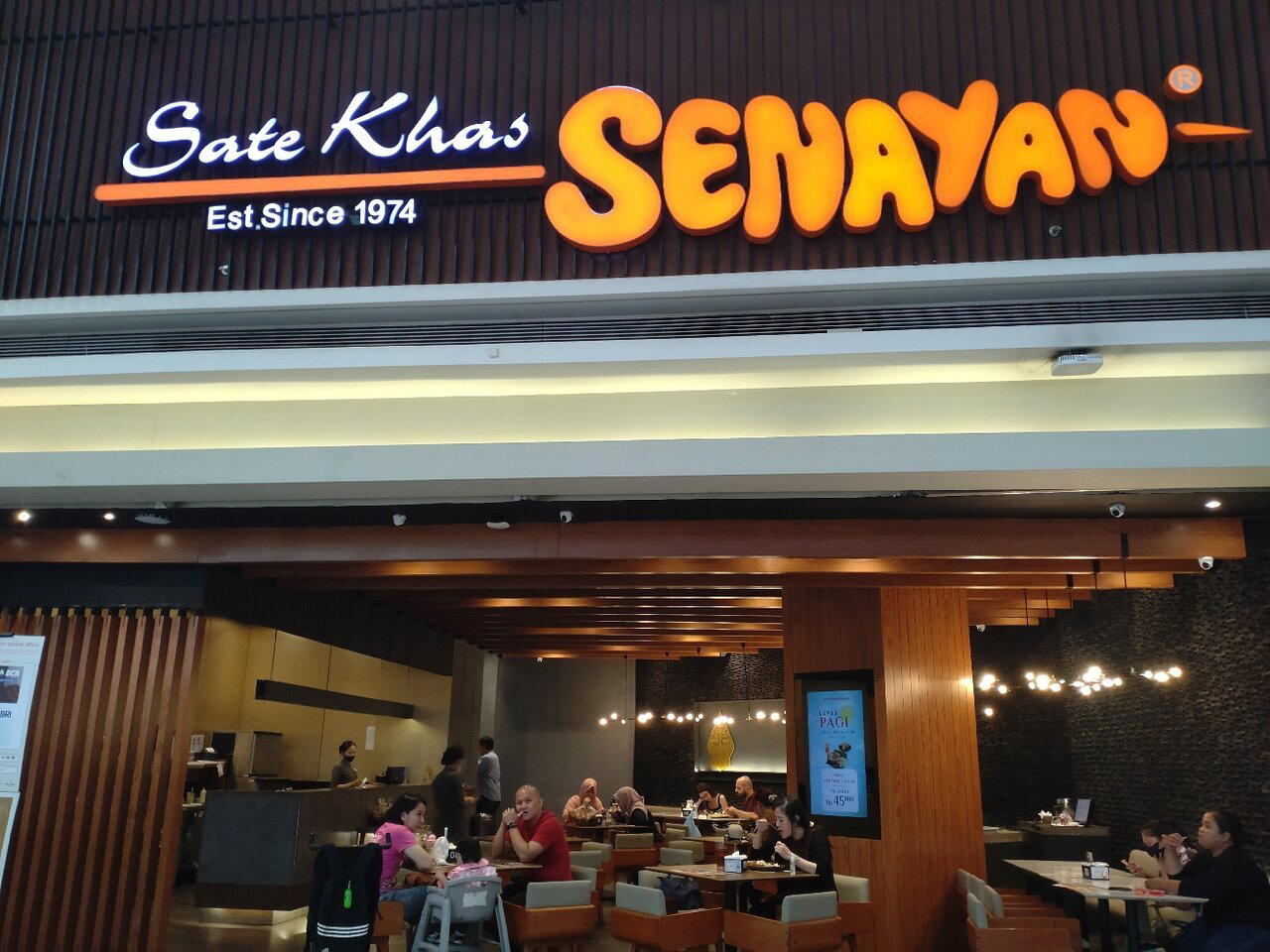
Satay as a Cultural Document
Few dishes carry as much indexical weight in Indonesian food culture as satay. Across the archipelago, the preparation shifts dramatically by region: Madura's version leans on sweet soy and peanut paste, Padang's uses a dry spice rub with no sauce, Makassar's employs marinated beef with a sharp vinegar note. What Jakarta's established satay houses do is consolidate that diversity into a legible urban format, presenting the dish not as street food but as the centrepiece of a sit-down experience with the full complement of rice, lontong, and ketupat accompaniments. Sate Khas Senayan, a restaurant on Jl. Kebon Sirih in Menteng, Jakarta Pusat, serves Indonesian satay in a sit-down format suited to family meals.
Menteng itself sets the tone. One of Jakarta's oldest planned residential neighbourhoods, developed during the Dutch colonial period and still defined by broad tree-lined streets and low-rise civic architecture, it has long functioned as the city's political and diplomatic quarter. Restaurants here operate in a different register from those in the mall-heavy commercial districts further south: the clientele tends toward government officials, established families, and international visitors staying in the adjacent hotel corridor around Jl. Thamrin. A restaurant surviving in this neighbourhood across decades is doing something right at the level of consistency and institutional trust.
The Grilling Tradition Behind the Menu
Satay's origins are contested, with food historians pointing variously to Arab kebab influence arriving through Muslim traders, indigenous Javanese grilling practices, and regional cattle-herding cultures in Madura and Lombok. What is less disputed is that the dish became a pan-Indonesian form precisely because it adapts so readily to local protein, spicing, and sauce conventions. The version most associated with central Java and the Sundanese-influenced West Java tradition, which is the lineage Senayan-style satay draws from, uses chicken and mutton on thin bamboo skewers, marinated in a mix of sweet soy, coriander, and palm sugar before grilling over coconut-shell charcoal. The peanut sauce is typically coarser and less sweet than the Madurese style, with a kaffir lime or lemongrass note cutting through the fat.
That charcoal grilling method matters beyond flavour. It connects the restaurant format to the warung and street cart tradition that remains the dominant mode of satay consumption across the country. The smoke, the char, the slightly caramelised edge where the marinade meets direct heat: these are qualities that are difficult to replicate at scale, which is why the better-regarded satay restaurants in Jakarta invest in maintaining traditional grilling setups rather than substituting gas or convection approaches.
Where Sate Khas Senayan Sits in Jakarta's Dining Framework
Jakarta's restaurant market has stratified considerably over the past decade. At the upper end, a small number of fine-dining addresses, including August in Jakarta, pursue international format and technique at prices comparable to European peers. Below that sits a broad mid-market of established Indonesian restaurants serving regional cuisines with consistent quality, a category where longevity and name recognition carry significant weight. Sate Khas Senayan operates in this mid-tier, where the competitive logic is less about novelty and more about trust: regulars return because the standard holds, and first-time visitors arrive because the reputation has accumulated over years rather than through recent press cycles.
Within Jakarta Pusat specifically, the restaurant competes with a range of establishments across cuisine types. Pondok Laguna Resto and Seribu Rasa both operate in the same district and draw on the same broad audience of local families and business diners. Kita 喜多 Restaurant And Bar in Kecamatan Menteng represents the newer wave of Menteng dining, oriented toward a more international format. The restaurant's positioning, by contrast, is built on specificity of product and depth of institutional history rather than format innovation.
The restaurant operates from a different premise: the fidelity is not to a research framework but to a specific regional preparation style maintained over time. Both approaches have intellectual coherence; they address different questions about what Indonesian food is and should be.
Planning a Visit
The restaurant is located at Jl. Kebon Sirih No.31A in Menteng, a central Jakarta neighbourhood accessible by Transjakarta bus corridor or short taxi ride from the Thamrin hotel district. The address places it within walking distance of several major government buildings and embassies, which shapes both the lunch crowd and the expectation of service efficiency during midday hours. For visitors from outside Jakarta Pusat, the Menteng location is a reasonable anchor for a broader exploration of the district's eating options, which range from the grilled traditions here to the Chinese-Indonesian formats represented by Hai Di Lao in Central Jakarta and the Japanese-influenced offerings at Hwang Fu Dimsum in Tangerang in the wider metropolitan area.
Reservations are recommended, and larger groups are better served by calling ahead. The format suits family meals across multiple generations, with the shared-skewer format creating a natural table rhythm that works for both celebratory occasions and routine weekday dining. Visitors accustomed to the tasting-menu format at destination restaurants like Le Bernardin in New York City or Atomix in New York City will find a different register entirely here: the logic is abundance, sharing, and repetition of a well-made core product, not sequential progression through a composed narrative.
Price Lens
Comparable venues nearby, for context on price, style, and recognition.
| Venue | Cuisine | Price | Notes |
|---|---|---|---|
| Sate Khas SenayanThis venue — the venue you are viewing | Jakarta Pusat, Indonesian Satay | $$$ | Not listed |
| Pondok Laguna Resto | Pecenongan, Indonesian Seafood | $$ | Not listed |
| Seribu Rasa | Menteng, Indonesian Seafood | $$$ | Not listed |
| Dailah Sajian Nusantara | Kebayoran Baru, Modern Nusantara | $$$ | Not listed |
| Namaaz Dining | Not listed | $$$$ | Kebayoran Baru, Progressive Indonesian Molecular Gastronomy |
| Rumah Makan SURYA Masakan Padang | Not listed | $$ | Bendungan Hilir, Authentic Padang (Nasi Padang) |
Continue exploring
More in Jakarta Pusat
Restaurants in Jakarta Pusat
Browse all →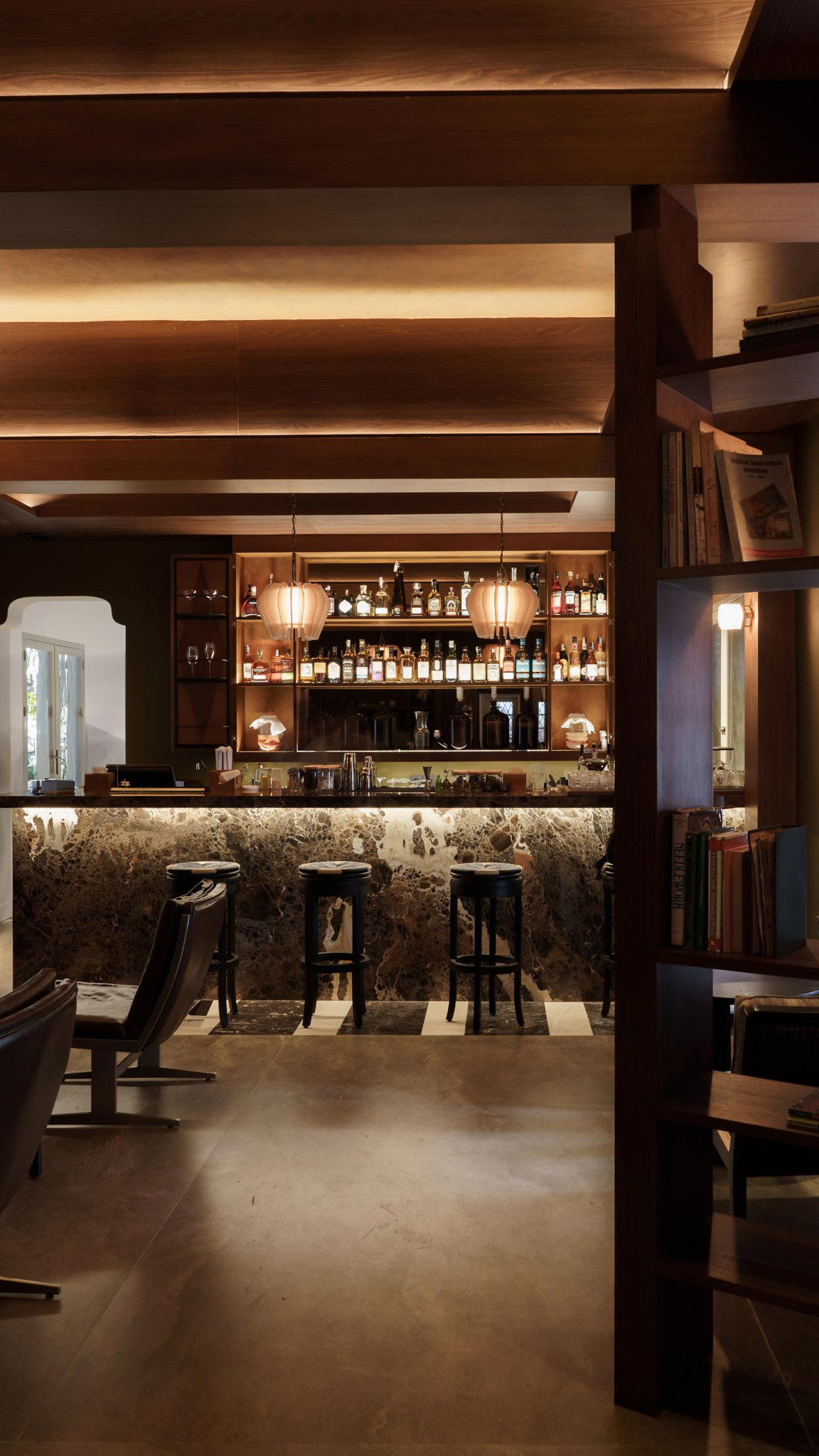
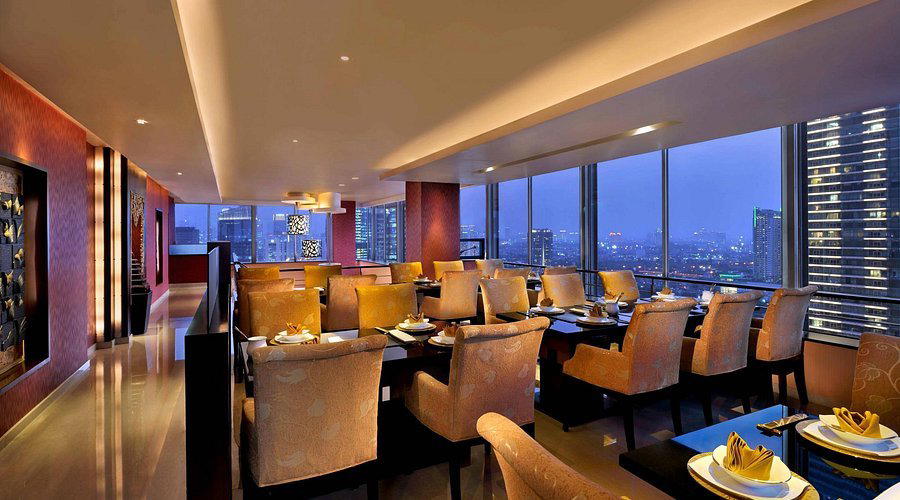
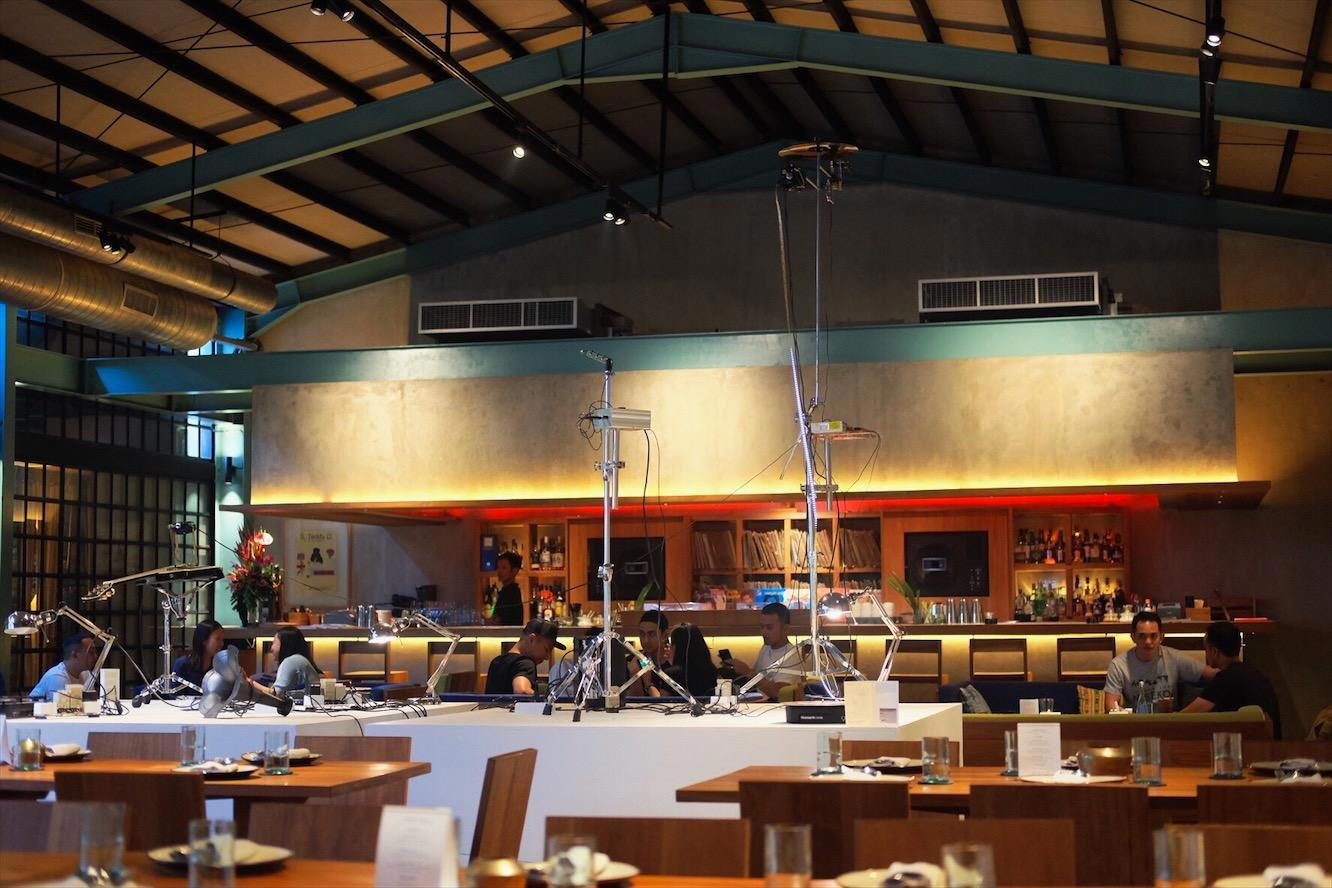
Bars in Jakarta Pusat
Browse all →
At a Glance
- Classic
- Well Known
- Family
- Group Dining
- Casual Hangout
- Standalone
Current opening hours
- Monday
- 8 AM–9 PM
- Tuesday
- 8 AM–9 PM
- Wednesday
- 8 AM–9 PM
- Thursday
- 8 AM–9 PM
- Friday
- 8 AM–9 PM
- Saturday
- 8 AM–9 PM
- Sunday
- 8 AM–9 PM
Hours can change for holidays and private events. Last verified .
Welcoming ambience with attentive service, offering comfort in a classic setting for enjoying local cuisine.