Seribu Rasa
On Jalan H. Agus Salim in Menteng, one of Central Jakarta's most characterful addresses, Seribu Rasa represents the kind of Indonesian dining room that prioritises the rhythm and texture of a shared meal over spectacle. The name translates roughly as 'a thousand flavours,' and the address places it squarely within Menteng's established dining corridor, where local tradition and urban appetite meet.
Pearl is the En Primeur Club membership app — saves, bookings, and concierge access live there. Same editors, same standards.
- Address
- Jl. H. Agus Salim No.128, RT.1/RW.5, Menteng, Kec. Menteng, Kota Jakarta Pusat, Daerah Khusus Ibukota Jakarta 10310, Indonesia
- Phone
- +62 811-1729-329
- Website
- arenacorp.com
- Directions
- Get directions
 Saves & bookings on Pearl
Menteng's Dining Character and Where Seribu Rasa Sits Within It
Menteng is not Jakarta's flashiest dining district, and that is precisely what gives it weight. The neighbourhood, laid out during the Dutch colonial period and long associated with the city's political and intellectual class, has developed a dining culture that skews toward substance over surface. The restaurants that last here tend to reward return visits rather than single-occasion spectacle. Jalan H. Agus Salim, the street where Seribu Rasa occupies number 128, has historically been one of those corridors where Jakartans eat seriously rather than performatively. For visitors arriving from the broader Jakarta Pusat area or from the airport corridor, Menteng functions as a useful orientation point: close enough to the commercial centre to be accessible, far enough from Sudirman and Thamrin to feel unhurried.
The Ritual of Indonesian Dining at This Address
Indonesian restaurant culture, particularly in its more traditional formats, organises the meal around a different logic than the sequential European model. The table is set as a field of possibilities rather than a progression: rice arrives as a constant anchor, sambals come in multiples and vary in heat and fermentation, and proteins, whether grilled, braised, or fried, are arranged for sharing rather than individual portioning. This structure means that the pacing of the meal is largely determined by the guests rather than by the kitchen's delivery sequence. It is a format that rewards slowing down, tasting comparatively, and adjusting as you go. The name Seribu Rasa, loosely translated as 'a thousand flavours', signals an alignment with this philosophy of abundance and layering rather than reduction and focus. In that sense, the name functions as a culinary positioning statement as much as a label.
Across Jakarta's Indonesian dining scene, the distinction between restaurants that treat this multi-dish format as a vehicle for regional exploration and those that use it as cover for generic crowd-pleasing is meaningful. The address on Jalan H. Agus Salim, in a neighbourhood with established local clientele and low tolerance for tourist-facing approximations, tends to attract restaurants that lean toward the former. Nearby options like Sate Khas Senayan and Pondok Laguna Resto illustrate the range within this tier: some emphasise a single regional lineage, others cast wider across the archipelago's traditions.
Approaching the Meal: What the Format Asks of You
For first-time visitors to this style of Indonesian dining room, a few contextual signals matter. The shared-table format means that ordering more dishes than feels strictly necessary is not excess, it is correct behaviour. The sambal selection, in most traditional establishments of this type, is where kitchen philosophy shows most clearly: whether the cooks work from fresh-ground daily preparations or rely on pre-made bases tells you a great deal about the kitchen's commitment. Rice is not a side dish here; it is the structural centre around which everything else is calibrated. Eating sequentially through dishes rather than building each spoonful as a composite of multiple elements tends to miss the point of how the food is designed to be consumed.
This approach to dining has parallels in other parts of the Indonesian archipelago, though the specific flavour registers shift considerably by region. Balinese kitchens such as those represented by Locavore NXT in Ubud work within a distinct spice vocabulary, more fresh herb-forward, with galangal and lemongrass carrying more weight than in Javanese cooking, which tends toward the sweeter and more fermented end of the spectrum. Jakarta's own culinary identity sits at the confluence of Betawi tradition, Sundanese influence from West Java, and Javanese influence from the east, which means a well-composed menu at a restaurant like Seribu Rasa could legitimately draw from several of those traditions without internal contradiction.
The Menteng Address as Context
The specific coordinates of Jalan H. Agus Salim place the restaurant within walking distance of Menteng's central park and within the general orbit of several embassies and government ministries, a geography that historically shaped the neighbourhood's restaurant culture toward mid-to-upper-local rather than tourist-facing. The RT.1/RW.5 administrative designation within Menteng Kecamatan puts the address in the denser, more active part of the street, where restaurants tend to carry significant local repeat business. This matters for practical reasons: the clientele at such addresses tends to be more demanding about consistency and authenticity than a tourist-heavy crowd would be, which disciplines the kitchen in ways that benefit all diners.
For those building a broader Jakarta itinerary, the Menteng dining corridor pairs usefully with the newer fine-dining formats that have emerged in the city's southern districts, where restaurants like August in Jakarta are working in a more contemporary European-influenced register. The contrast is instructive: Menteng's traditional Indonesian dining rooms and Jakarta Selatan's modern tasting-menu formats represent two different theories about what a serious meal looks like, and both have legitimate claims on a visitor's time. Further afield, the Indonesian dining scene in Bali ranges from heritage-focused operations to more experimental formats, Jungle Fish Bali in Gianyar and Bikini Restaurant Bali in Badung illustrate how far the range extends. Within Menteng itself, Kita Restaurant and Bar represents a different but proximate dining option worth considering when planning an evening in the neighbourhood.
Visitors arriving from other parts of Greater Jakarta or from satellite cities can orient around the broader EP Club Indonesia coverage, which includes addresses in Tangerang, Bogor, Bandung, and Yogyakarta, each representing a different regional expression of Indonesian food culture. For those interested in the hotpot and Chinese-Indonesian formats that occupy a significant share of Jakarta's dining market, Chongqing Liuyishou Hotpot in South Jakarta and Hai Di Lao in Central Jakarta provide useful reference points in a different dining register entirely.
Planning Your Visit
The restaurant's address at Jalan H. Agus Salim No.128 in Menteng is direct to reach by ride-share from most central Jakarta hotels, which remain especially practical transport option given Jakarta's traffic patterns. Menteng is a walkable neighbourhood once you are there, and the street itself has enough activity around mealtimes to make the approach feel like part of the experience rather than a logistical prelude. Indonesian dining rooms at this address and in this category tend to be more accommodating of walk-ins at lunch than at dinner, though this varies. The meal format, once you are seated, tends to unfold at whatever pace the table sets, a considered approach to ordering, beginning with the sambal range and working outward, generally produces a more coherent result than arriving with a fixed sequence in mind.
Cuisine-First Comparison
Comparable venues nearby, for context on price, style, and recognition.
| Venue | Cuisine | Price | Notes |
|---|---|---|---|
| Seribu RasaThis venue — the venue you are viewing | Indonesian Seafood | $$$ | Not listed |
| Pondok Laguna Resto | Indonesian Seafood | $$ | Pecenongan |
| Sate Khas Senayan | Indonesian Satay | $$$ | Jakarta Pusat |
| Kamui Restaurant | Authentic Japanese | $$$ | Kebon Melati |
| Bornga Blok M | Authentic Korean BBQ | $$$ | Kramat Pela |
| Okuzono Japanese Dining | Modern Japanese Izakaya | $$$ | Selong |
Continue exploring
More in Jakarta Pusat
Restaurants in Jakarta Pusat
Browse all →
Bars in Jakarta Pusat
Browse all →
At a Glance
- Cozy
- Elegant
- Classic
- Business Dinner
- Special Occasion
- Group Dining
- Private Dining
Current opening hours
- Monday
- 11 AM–10 PM
- Tuesday
- 11 AM–10 PM
- Wednesday
- 11 AM–10 PM
- Thursday
- 11 AM–10 PM
- Friday
- 11 AM–10 PM
- Saturday
- 11 AM–10 PM
- Sunday
- 11 AM–10 PM
Hours can change for holidays and private events. Last verified .
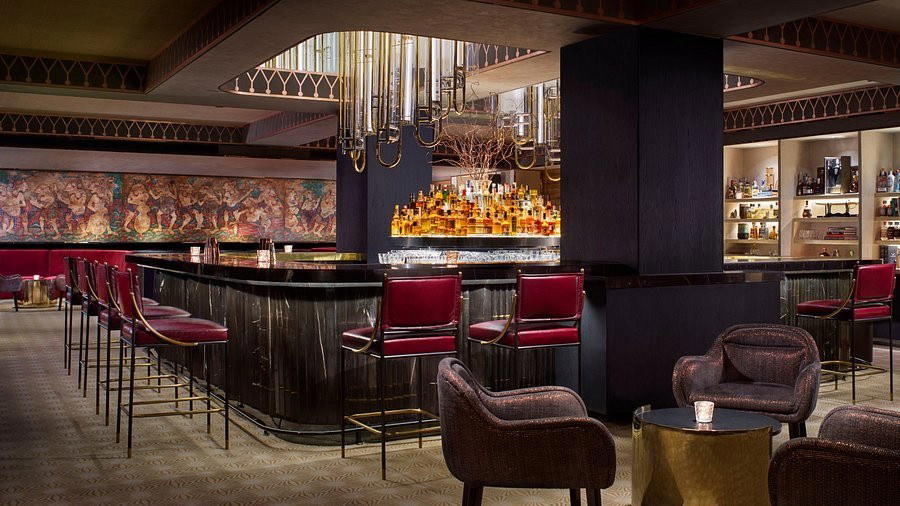
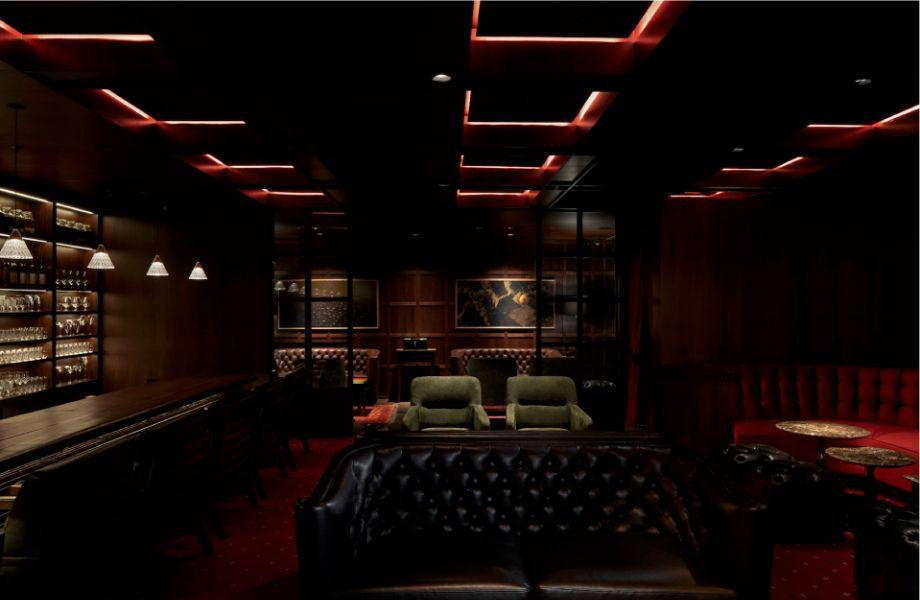
Comfortable and relaxed atmosphere with dim lighting, pleasant aromas, and a serene environment ideal for conversation.