Namaaz Dining
Namaaz Dining occupies a quietly serious position in Jakarta's fine dining scene, operating from a residential address in Kebayoran Baru that has become one of the city's most discussed experimental tables. The format leans on molecular technique applied to Indonesian culinary tradition, placing it in a comparable set more commonly found in Bali or abroad than in South Jakarta.
Pearl is the En Primeur Club membership app — saves, bookings, and concierge access live there. Same editors, same standards.
- Address
- Jl Gunawarman No 42 (Pulo), Kebayoran Baru, Jakarta 12110
 Saves & bookings on Pearl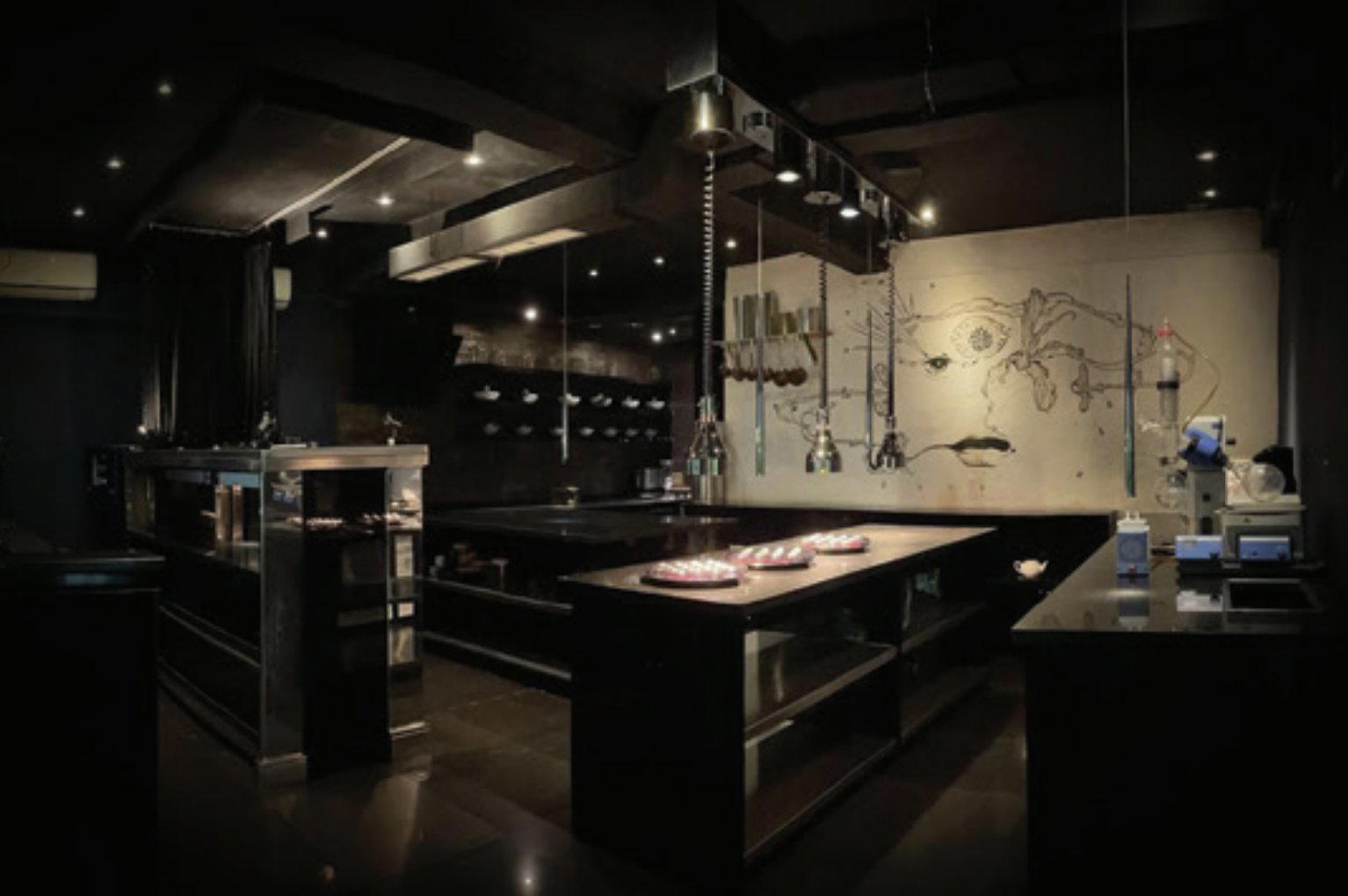
A Different Kind of Quiet in Kebayoran Baru
Kebayoran Baru is not where Jakarta's dining scene makes obvious noise. The neighbourhood sits south of the central business district, shaped by wide tree-lined streets, colonial-era planning, and a residential density that keeps the commercial energy lower than Sudirman or Senopati. That setting matters for understanding what Namaaz Dining represents. In a city where fine dining has historically clustered inside hotels or mall complexes, a serious tasting-menu restaurant operating from a street address on Jl Gunawarman signals a particular kind of confidence in its audience. The room, rather than announcing itself from a busy strip, draws in guests who already know to look for it. That contrast between neighbourhood calm and what happens inside defines the experience before a single dish arrives.
Jakarta's fine dining tier has expanded meaningfully over the past decade, driven partly by returning chefs trained abroad and partly by a domestic audience increasingly familiar with tasting-menu formats. Namaaz Dining sits within that movement, but at the end of it that applies molecular gastronomy to Indonesian culinary tradition rather than defaulting to European frameworks with local garnish. That distinction places it in a different conversation from most of the city's hotel dining rooms, and closer in spirit to what Locavore NXT in Ubud has built for the Bali market: a format that treats Indonesian ingredients and technique as the primary subject rather than the supporting cast.
Molecular Technique and Indonesian Source Material
The application of molecular gastronomy to a national cuisine is not inherently interesting. Done carelessly, it produces novelty for its own sake: Indonesian flavours transformed beyond recognition into forms that impress visually but lose the reference points that give the original food meaning. The more considered version, which Namaaz Dining has built its reputation around, treats technique as a tool for reframing familiar ingredients rather than replacing them. The result is a menu that asks guests to recognise something before it surprises them, which is a harder problem to solve than direct innovation.
That approach depends heavily on the quality and specificity of the source material. Indonesian cuisine draws on an exceptionally wide ingredient base: tempeh fermented from locally grown soya, rendang built on Sumatran spice combinations, coconut in forms that vary by island and preparation method, and a range of tropical fruits, tubers, and aromatics that rarely appear on fine dining menus outside the archipelago. When the cooking is genuinely grounded in those materials rather than approximating them with imported equivalents, the molecular treatment becomes a commentary on something real. That tension between transformation and recognition is where the format carries most of its intellectual weight.
This positions the restaurant alongside a small cohort of Indonesian restaurants internationally that have moved beyond celebrating local ingredients in conventional preparations. August in Jakarta approaches the same question from a different angle, using a French-trained sensibility against Indonesian produce. The two restaurants occupy different parts of the same argument about what sophisticated Indonesian cooking looks like in 2024.
Where It Sits in Jakarta's Fine Dining Tier
At the leading end, hotel restaurants with international backing and high per-cover pricing sit in one bracket. Independent tasting-menu restaurants with local ownership and lower capacity sit in another. The restaurant belongs to the second group, which means its competitive pressure comes from reputation and format discipline rather than from brand recognition or a hotel's captive audience.
Restaurants like Locavore NXT have built internationally recognised profiles around Indonesian-ingredient tasting menus, earning attention from the 50 Best and Michelin frameworks that have not yet formally covered Indonesia with the same depth. The restaurant has attracted comparable conversation within the regional food media circuit, positioning it as one of a small number of Jakarta restaurants that draw visitors specifically for the cooking rather than incidentally as part of a broader trip. That is a meaningful distinction in a city where dining is more often an amenity than a destination driver.
Atomix in New York City represents what that format can achieve at its most decorated, while Le Bernardin illustrates how sustained technical rigour over decades builds a category-defining reputation. Both sit in a different economic and recognition context from Namaaz, but the underlying question they share is the same: what does it mean to apply serious technique to a specific culinary tradition, and where does that technique serve the tradition rather than override it.
Planning Your Visit
The restaurant operates from Jl Gunawarman No 42 in Kebayoran Baru, a residential address that requires advance research to find rather than casual discovery. The format is a multi-course tasting menu, which means visits require reservation and a meaningful time commitment; turning up without a booking is not a workable strategy. Given the restaurant's profile in regional food media, reservations are advisable well in advance, particularly for weekend sittings. Kunyit Restaurant in Bandung or Gudeg Yu Djum in Yogyakarta as contrasting reference points for how different Indonesian regional cuisines are being presented at varying formality levels.
A Quick Peer Check
Comparable venues nearby, for context on price, style, and recognition.
| Venue | Cuisine | Price | Notes |
|---|---|---|---|
| Namaaz DiningThis venue — the venue you are viewing | Progressive Indonesian Molecular Gastronomy | $$$$ | Not listed |
| Rumari | Modern Indonesian Fine Dining | $$$ | Jimbaran |
| Super Grain | Build-Your-Own Grain Bowls | $$ | Menteng |
| bebek goreng harissa | Indonesian Fried Duck | $$ | Sidoarjo Regency |
| Cosmo Pony | Creative Cocktails with Indonesian Twists | $$$$ | Gondangdia |
| Four Seasons Bali at Sayan | Modern Balinese with Mediterranean Influences | $$$$ | Sayan |
At a Glance
- Intimate
- Elegant
- Sophisticated
- Well Known
- Special Occasion
- Celebration
- Date Night
- Private Dining
- Open Kitchen
- Design Destination
- Byob
- Local Sourcing
Dimly lit, intimate one-story dining room with only 28 seats, creating an exclusive and theatrical atmosphere for multi-sensory storytelling.