Satay
Satay occupies a strip-mall suite on West Anderson Lane, placing Southeast Asian skewer tradition squarely in Austin's north-central dining corridor. The format is approachable, the price point accessible, and the concept sits in a category that remains genuinely underrepresented across the city's restaurant scene. For Austin diners tracking the full range of what the city's kitchens are doing, it belongs on the list.
- Address
- 3202 W Anderson Ln. STE 205, Austin, TX 78757
- Phone
- +15124676731
- Website
- satayusa.com
- Directions
- Get directions
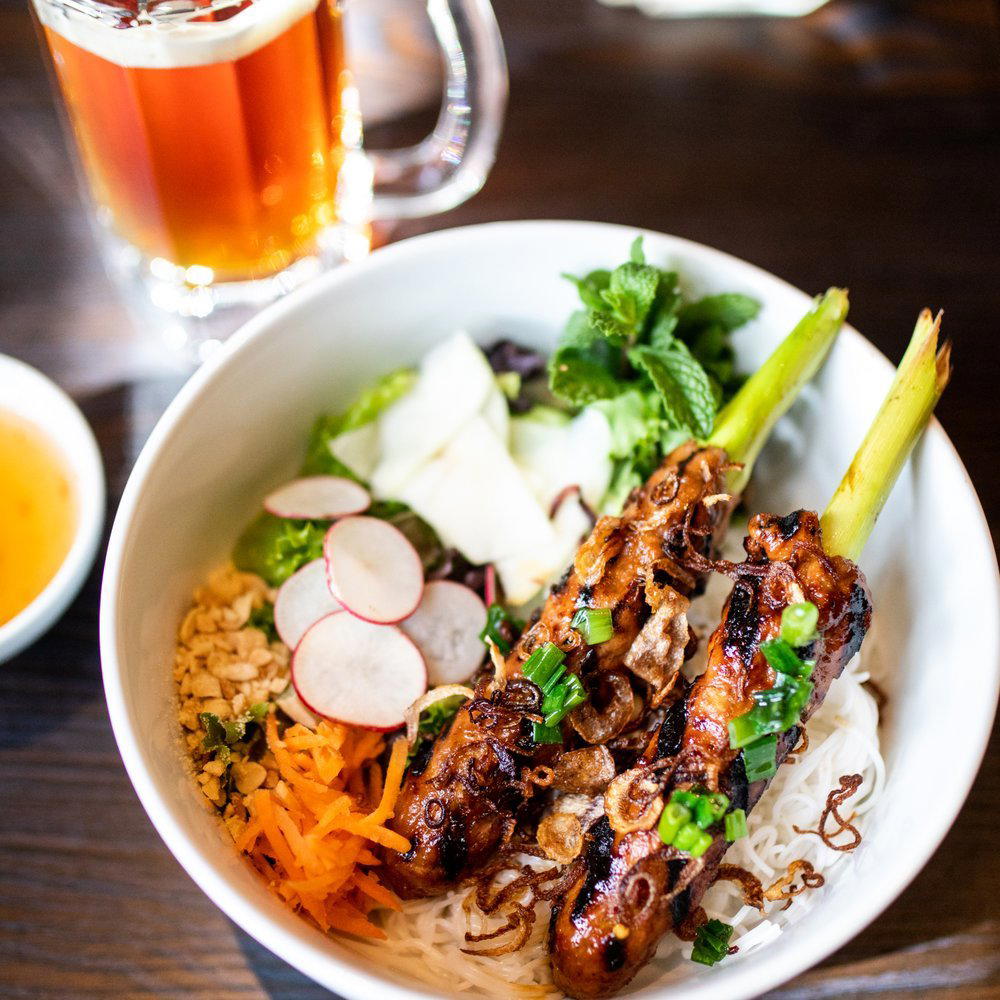
Smoke, Char, and the Strip-Mall Counter: Austin's Satay Scene
West Anderson Lane is not the kind of address that signals destination dining. The stretch runs through north-central Austin as a practical corridor of service businesses, auto shops, and the kind of strip-mall suites that restaurants occupy when rent is the deciding factor. Satay sits at 3202 W Anderson Lane, Suite 205, inside exactly that kind of building. The physical approach offers no theatre: a parking lot, a numbered suite, a door. What that context tells you, before you've seen a menu, is that the food is the argument here. Strip-mall restaurants in Austin either earn their audience or disappear quietly. The ones that last do so on the strength of the plate.
Across American cities, Southeast Asian skewer formats have historically occupied the lower tiers of the casual dining market, treated as quick-service or food-court fare rather than as a distinct culinary tradition worth serious attention. That positioning has been shifting in the last decade. Satay, as a cooking method and a cultural form, carries considerable technical specificity: marinade chemistry, skewer-to-heat ratios, the precise moment between char and dry. When a restaurant stakes its identity on that format in a city where smoked and fire-cooked proteins already command serious critical attention, the comparison set becomes interesting. Austin diners who follow Hestia for its live-fire New American program or InterStellar BBQ for its smoked meats are, in structural terms, already primed for the kind of heat-and-protein focus that satay demands. The cooking methods differ significantly, but the underlying attention to fire and texture overlaps more than casual observers might assume.
What the Format Means in Practice
Satay as a format is built around specificity rather than abundance. The skewer is a unit of measurement: a defined quantity of protein, marinated to a specific depth, cooked at close range to a direct heat source. In the street-food traditions of Malaysia, Indonesia, and Thailand from which the dish originates, the brevity is the point. You order several, you eat them standing or at a narrow counter, you make a decision about a second round. The dipping sauce, whether peanut-based, vinegar-forward, or something more complex, functions as the seasoning layer that the marinade alone cannot provide.
In a restaurant context, that format creates a particular kind of dining rhythm. It is sharing-oriented by default, sequential rather than simultaneous, and it rewards ordering across a range rather than committing to a single large plate. For Austin, a city whose dining culture has been shaped heavily by the communal logic of barbecue, that rhythm is not unfamiliar. The difference is portion scale and price entry point. Where Austin's stronger barbecue operations like la Barbecue are measured by the pound and priced accordingly, a satay counter operates in smaller increments, which can make the overall meal either more affordable or more expensive depending on how freely you order.
North-Central Austin's Dining Register
The West Anderson Lane address places Satay in a neighbourhood that does not carry the cultural weight of East Sixth Street, South Congress, or the Rainey Street corridor. North-central Austin's dining scene is more residential in character, oriented toward regulars rather than visitors, and the restaurants that anchor it tend to operate without significant press attention. That relative quietness is not a disadvantage. Neighbourhood restaurants that build audiences in lower-profile corridors often develop more consistent kitchen discipline than venues whose survival depends on tourist traffic and media cycles.
For context, the Austin dining scene that EP Club covers spans a wide register, from the tasting-menu format of Barley Swine at the upper end of New American ambition, to the more focused proposition of Craft Omakase in the Japanese counter format, to the casual accessibility of neighbourhood operations like Satay. Each occupies a different tier in the city's ecosystem. The satay format, priced for repeat visits rather than occasion dining, fits a niche that larger-format restaurants cannot easily fill. You can read EP Club's full assessment of where each venue sits in our full Austin restaurants guide.
How Satay Compares Across American Dining
To understand what a satay-focused restaurant is attempting, it helps to place the format against what it is not. The tasting-menu trajectory that defines much of America's most-discussed dining, from Alinea in Chicago to The French Laundry in Napa, is built around orchestration, sequence, and a single defined experience. A satay operation is the structural inverse: modular, informal, driven by the diner's own composition rather than a kitchen narrative. That is not a lesser ambition, but it is a different one. The same distinction applies when you compare satay to the hyper-locavore formats at places like Blue Hill at Stone Barns or the technically precise counters at Atomix in New York. These are different categories of restaurant ambition, not a hierarchy with a single apex. For diners who want a meal structured around their own choices rather than a kitchen's predetermined arc, the satay format has real appeal.
Know Before You Go
Planning Details
- Address: 3202 W Anderson Lane, Suite 205, Austin, TX 78757
- Parking: Strip-mall lot on-site; north-central location means no significant parking difficulty
- Phone / Website: Not listed in current data; search directly for current contact information
Cost and Credentials
A quick snapshot of similar venues for side-by-side context.
| Venue | Cuisine | Price | Awards |
|---|---|---|---|
| SatayThis venue — the venue you are viewing | Not listed | Not listed | Not listed |
| Barley Swine | New American, Contemporary | $$$$ | Michelin 1 Star |
| la Barbecue | Barbecue | $$ | Michelin 1 Star |
| Olamaie | Southern | $$$ | Michelin 1 Star |
| Kemuri Tatsu-ya | Izakaya | $$ | Not listed |
| Odd Duck | New American, American | $$$ | Not listed |
Continue exploring
More in Austin
Restaurants in Austin
Browse all →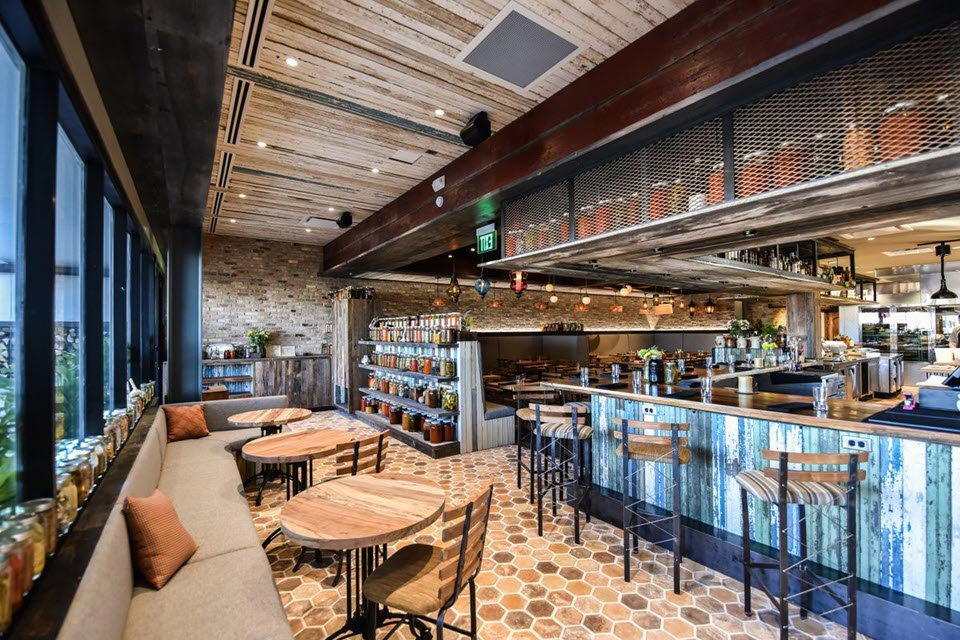
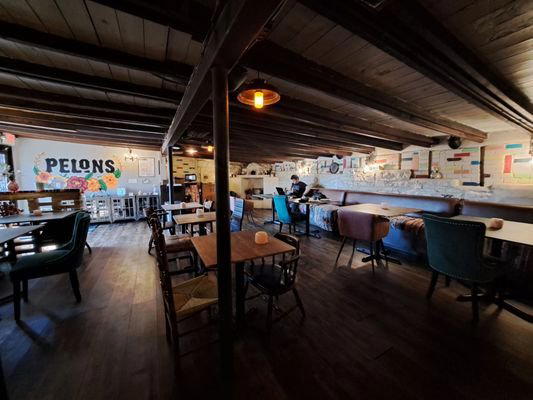
Bars in Austin
Browse all →
Hotels in Austin
Browse all →




At a Glance
- Classic
- Cozy
- Well Known
- Casual Hangout
- Family
- Group Dining
- Private Dining
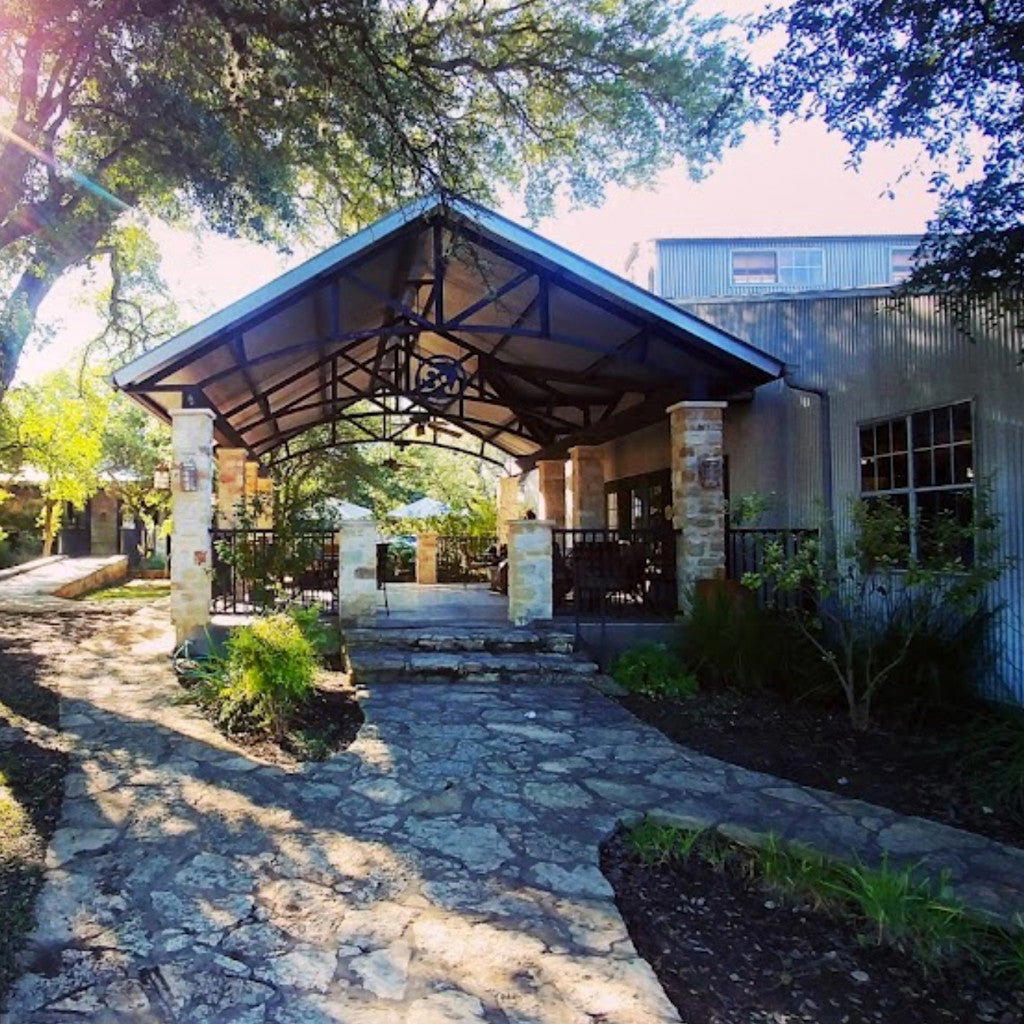
Comfortable neighborhood setting with casual, welcoming atmosphere that has served as a local staple for nearly three decades.
Know Before You Go
- Getting there
- 3202 W Anderson Ln. STE 205, Austin, TX 78757