Sartoria
.png)

A Michelin Plate-recognised Italian trattoria on Calle Orizaba in Roma Norte, Sartoria occupies a small room with a serious kitchen. Priced at the accessible end of Mexico City's Italian dining tier, it holds its own against neighbourhood peers and draws a loyal local crowd across breakfast, lunch, and dinner services throughout the week.
 Discover on Pearl
Pearl is the En Primeur Club membership app — saves, bookings, and concierge access live there. Same editors, same standards.
- Address
- C. Orizaba 42, Roma Nte., Cuauhtémoc, 06700 Ciudad de México, CDMX, Mexico
- Phone
- +52 55 7265 3616
- Website
- sartoria.mx
A Small Room on Orizaba
Walking south along Calle Orizaba in Roma Norte, it's easy to miss Sartoria. The building doesn't announce itself with the kind of street-level theatre that several of its neighbourhood competitors rely on. The entrance is modest, the footprint compact. That understated physical presence is, in a sense, the opening argument: this is a place that competes on what happens inside rather than on architectural spectacle. In a corridor that runs between Roma and Condesa, arguably Mexico City's most restaurant-saturated stretch, operating at small scale and low visual noise is a considered position, not an oversight.
Roma Norte's dining identity has shifted considerably over the past decade. What was once a neighbourhood defined by cantinas and affordable family lunch spots has become one of the most international dining quarters in Latin America, with Japanese, French, Levantine, and Italian kitchens opening within a few blocks of each other. Italian cooking in particular occupies an interesting niche in this context: it competes against Mexico City's deeply entrenched taquería and comedor culture, and it also competes against the city's own creative Mexican fine-dining tier, represented by places like Pujol and Quintonil at the upper end. Sartoria pitches itself at neither of those poles. At a three-dollar price tier, it positions closer to the neighbourhood trattoria model than to destination dining.
Italian Cooking in a Mexican City
The question of what Italian cooking means outside Italy is one the global restaurant industry has been working through for years. In cities like Hong Kong, where 8 1/2 Otto e Mezzo Bombana operates at three-Michelin-star level, or Kyoto, where cenci filters Italian technique through Japanese ingredient logic, the answer tends toward hybridisation or technical elevation. In Mexico City, the conversation is different. The city's ingredient culture is too strong and too specific to be neutral context. Corn, chiles, and endemic herbs are present in almost every kitchen's supply chain in some form, and chefs working in ostensibly non-Mexican idioms have to decide, consciously or not, how much of that geography enters the plate.
Sartoria's Michelin Plate recognition in 2024 and 2025 places it in a group of kitchens that Michelin's inspectors consider worth the attention of a travelling diner, without the price expectations that come with star-level recognition. That's a meaningful bracket in Mexico City's Italian tier. Rosetta, which holds a more prominent profile in the city's creative Italian conversation, operates at the same $$ price tier and offers a useful comparison point: both are accessible, both draw on Italian culinary grammar, but they represent different editorial emphases. Rosetta reads more overtly creative; Sartoria's reputation leans toward the trattoria register.
Sourcing, Scale, and What Small Kitchens Do Well
The editorial angle that applies most clearly to a kitchen of Sartoria's size is the relationship between compact operations and considered sourcing. Across Mexico, the restaurants making the most interesting arguments for environmentally conscious cooking are not always the large-profile destinations. Animalón in Valle de Guadalupe builds its identity explicitly around local Baja producers. Olivea Farm to Table in Ensenada foregrounds agricultural sourcing as its central premise. Lunario in El Porvenir operates within a winery estate context where the supply chain is almost entirely internal. In each case, the argument for lower-waste, locality-driven cooking is structural rather than aspirational, it's built into the kitchen's operating constraints rather than bolted on as a communication strategy.
A compact Italian kitchen in Roma Norte operates with its own version of those structural constraints. Menus that don't over-extend on ingredient variety, pasta production that minimises waste through whole-product thinking, and direct supplier relationships that reduce distribution chain length are all more achievable at small scale than at high-volume operations. The trattoria model, historically, has always been closer to this logic than the grand-restaurant model: it was built on what was seasonal, what was local, and what was available at manageable cost. Whether Sartoria articulates that story explicitly or not, the operating format is compatible with it.
Mexico's broader restaurant conversation around sustainable sourcing has grown more articulate in recent years. Levadura de Olla in Oaxaca and KOLI Cocina de Origen in Monterrey have each built public identities around indigenous ingredients and producer relationships. Le Chique in Puerto Morelos operates within a resort context but has historically engaged with Yucatecan ingredient culture in ways that go beyond gesture. The direction of travel across the country's more thoughtful kitchens, regardless of cuisine type, is toward reduced supply-chain complexity and stronger producer accountability.
The Week's Shape at Sartoria
Sartoria runs three services, breakfast, lunch, and dinner, from Monday through Friday, with Saturday operating lunch and dinner only. The kitchen is closed on Sundays. Breakfast runs from 7:30 to 10:30 am, which is unusual enough among Roma Norte's Italian-leaning options to be worth noting: few kitchens in this category open early enough to serve the neighbourhood's working morning crowd. Lunch runs from noon to 3 pm daily (on operating days), and dinner extends to 11:30 pm, which keeps Sartoria viable as a late option in a neighbourhood that typically eats later than most European cities would recognise as dinner time.
Bella Aurora and Galea. That concentration creates a direct competitive comparison for anyone planning an evening in Roma Norte: Sartoria's 4.1 rating across 1,848 Google reviews reflects a consistent return audience rather than a single wave of early enthusiasm.
What Michelin Plate Recognition Actually Signals
It's worth being precise about what two consecutive Michelin Plate listings, 2024 and 2025, indicate in Mexico City's context. The Plate designation is Michelin's marker for kitchens that produce consistently good cooking without reaching the threshold for star consideration. In a city where the Michelin guide's Mexico edition has grown its coverage but remains selective, Plate recognition means inspectors returned, ate again, and found the standard held. For a small Italian room at an accessible price point in Roma Norte, that consistency signal is the relevant one. It doesn't compete with the starred ambition of Mexico City's highest-profile tables, but it occupies a dependable position in the tier immediately below, the kind of place that a knowledgeable local recommends without qualification and a first-time visitor should take seriously.
Recognition, Side-by-Side
Comparable venues nearby, for context on price, style, and recognition.
| Venue | Cuisine | Price | Awards | Notes |
|---|---|---|---|---|
| SartoriaThis venue — the venue you are viewing | Modern Italian Trattoria | $$$ | Michelin Plate | |
| Sepia | Modern Italian Fine Dining | $$$ | Condesa | |
| Maizajo | Modern Mexican Taqueria & Corn-Focused Restaurant | $$$ | Michelin Plate | Bosque de Chapultepec |
| Alfredo Di Roma Mexico | Authentic Italian Trattoria | $$$ | Polanco Chapultepec | |
| Pigeon | Modern European-Mexican Fusion | $$$ | Michelin Plate | Juarez |
| El Tigre Silencioso | Modern Regional Mexican | $$$ | Michelin Plate | Juarez |
Continue exploring
More in Mexico City
Restaurants in Mexico City
Browse all →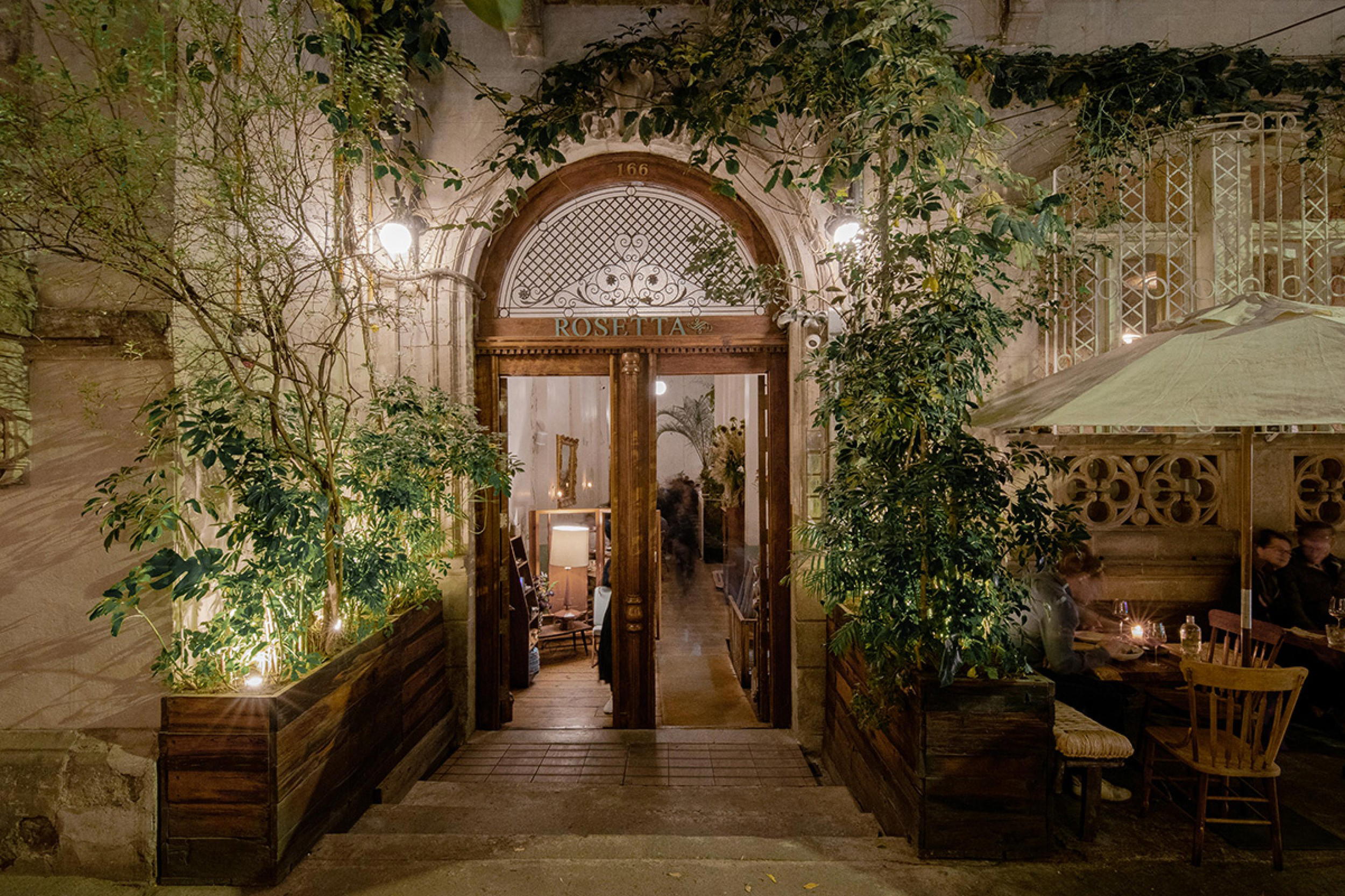
Bars in Mexico City
Browse all →


At a Glance
- Modern
- Elegant
- Trendy
- Intimate
- Date Night
- Special Occasion
- Open Kitchen
- Terrace
- Extensive Wine List
- Local Sourcing
- Street Scene
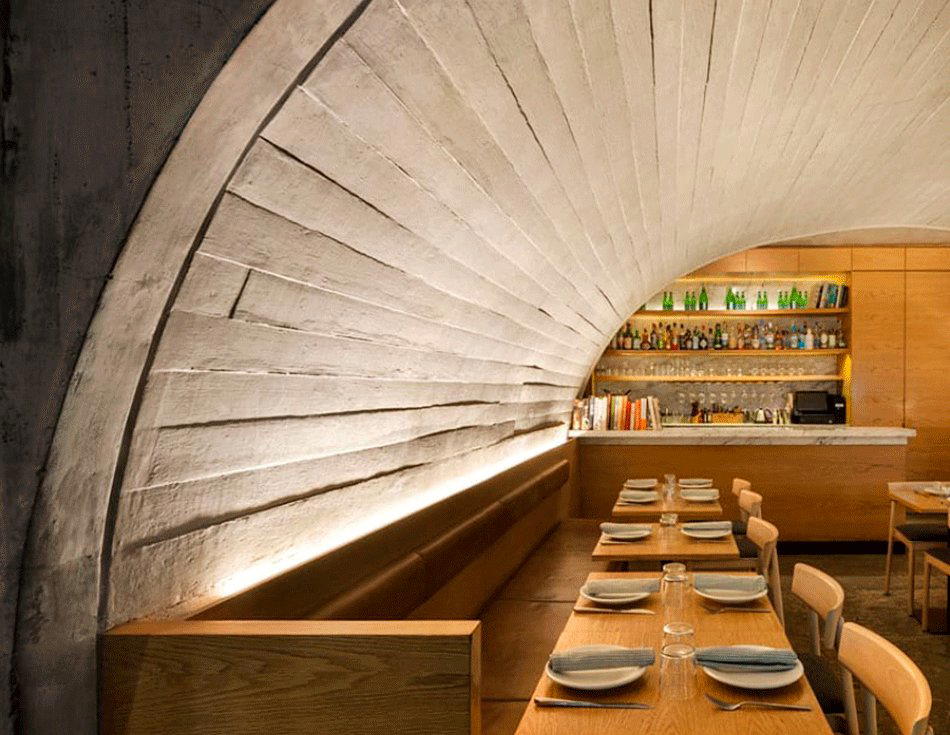
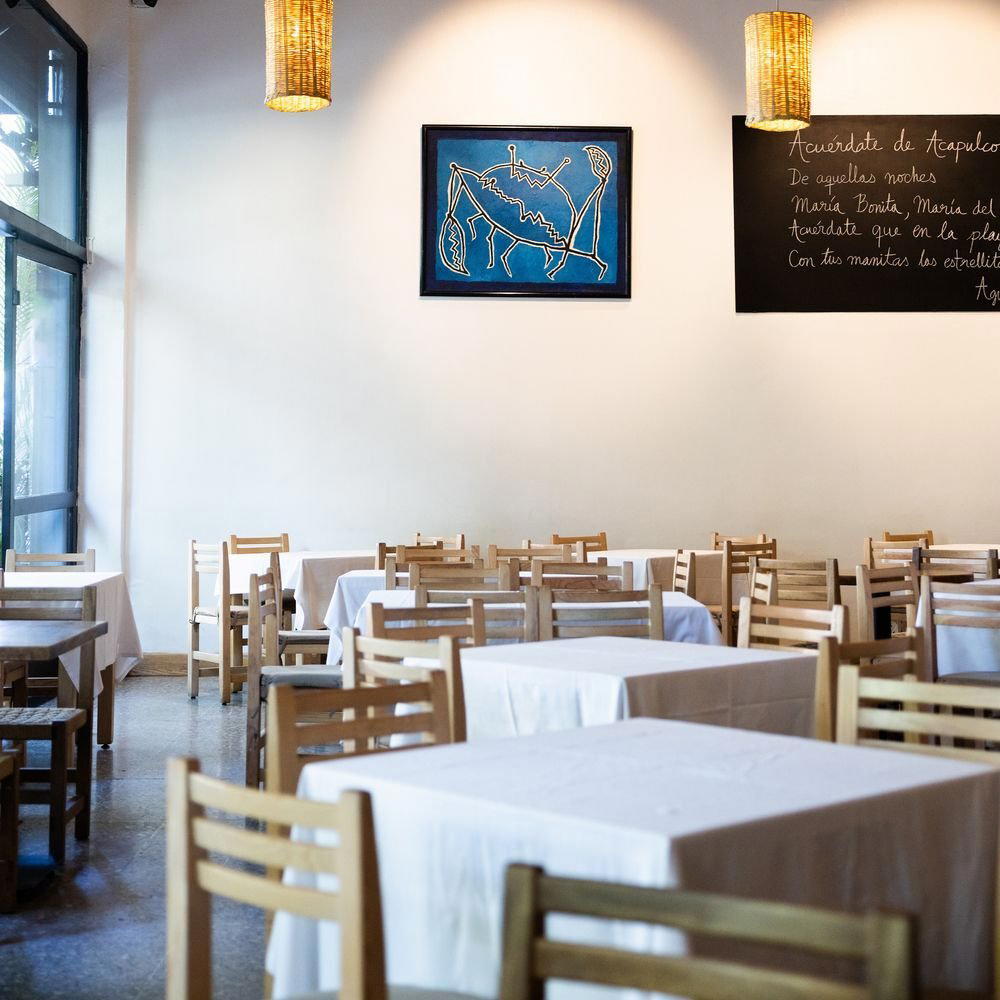
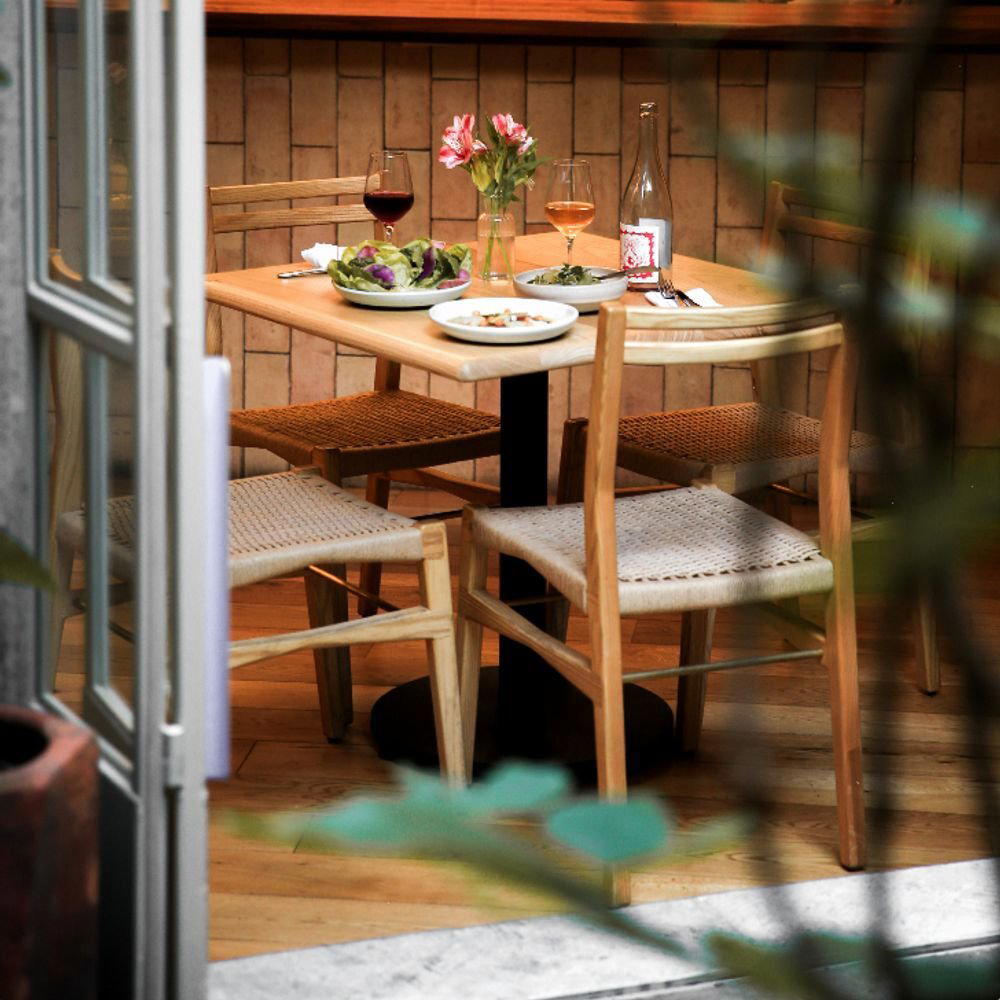
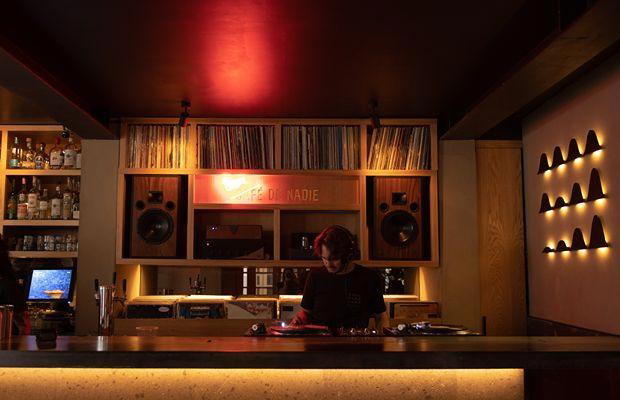
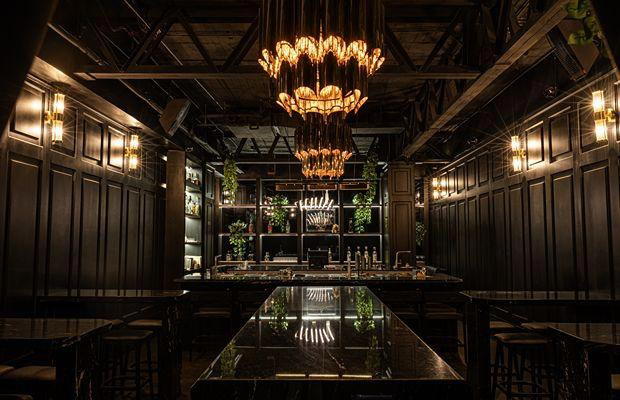
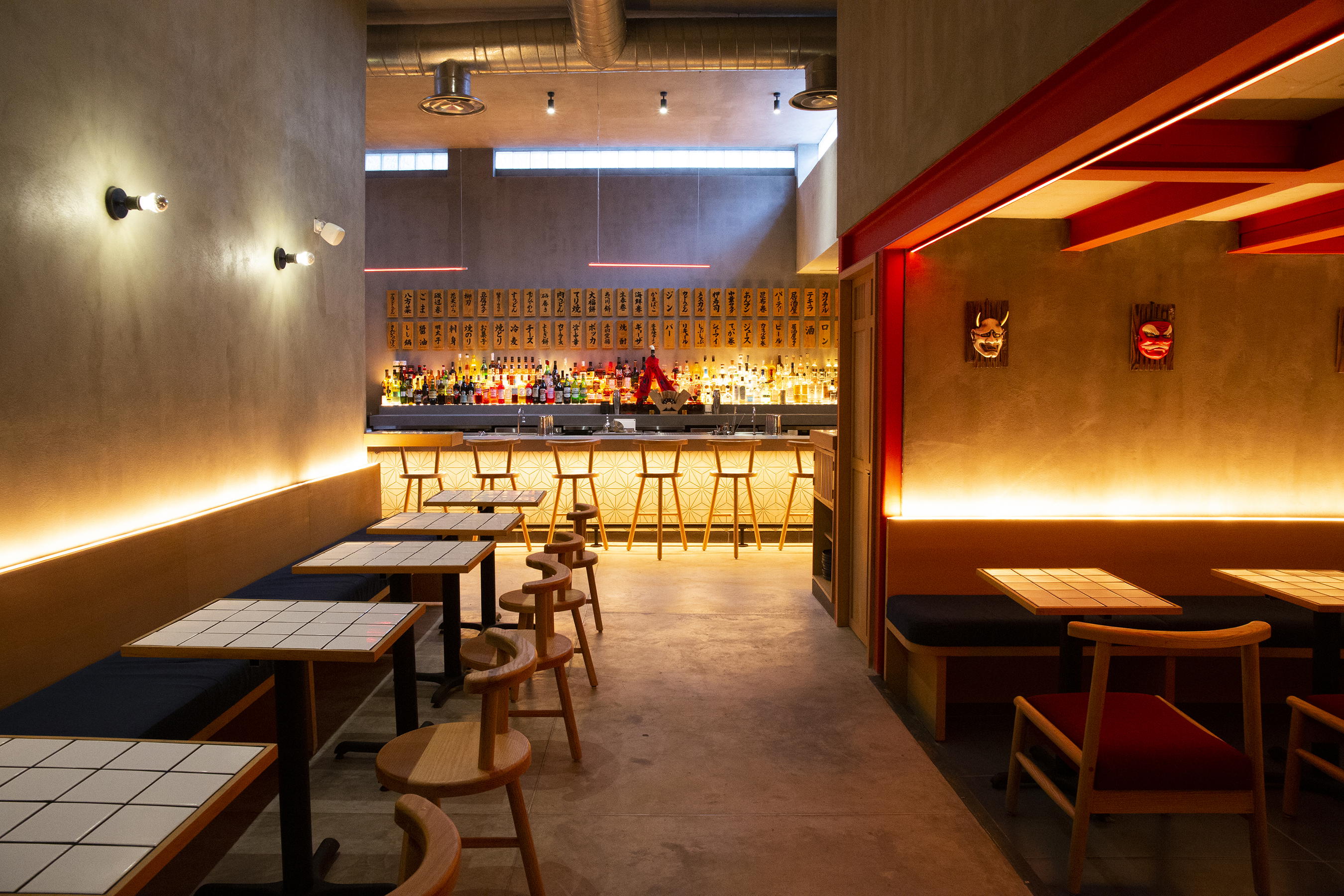
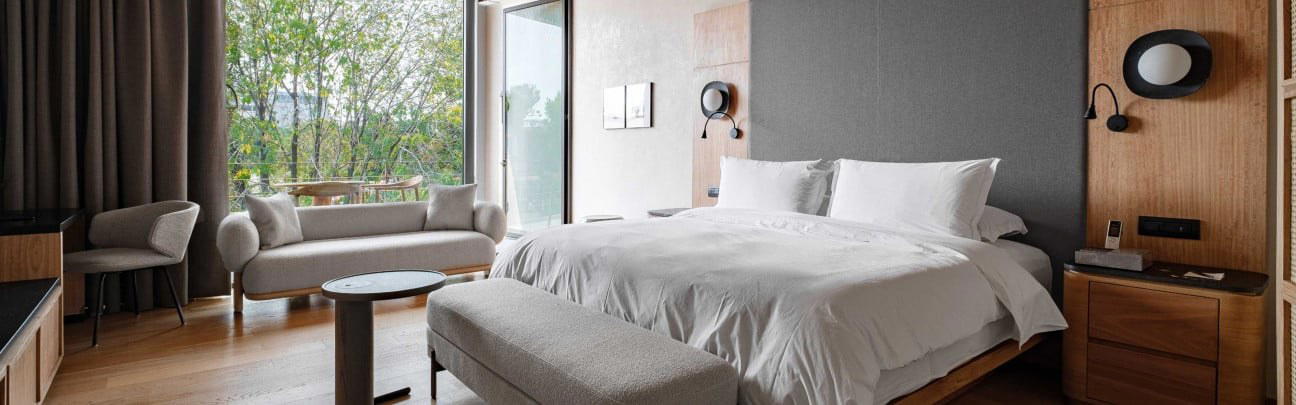
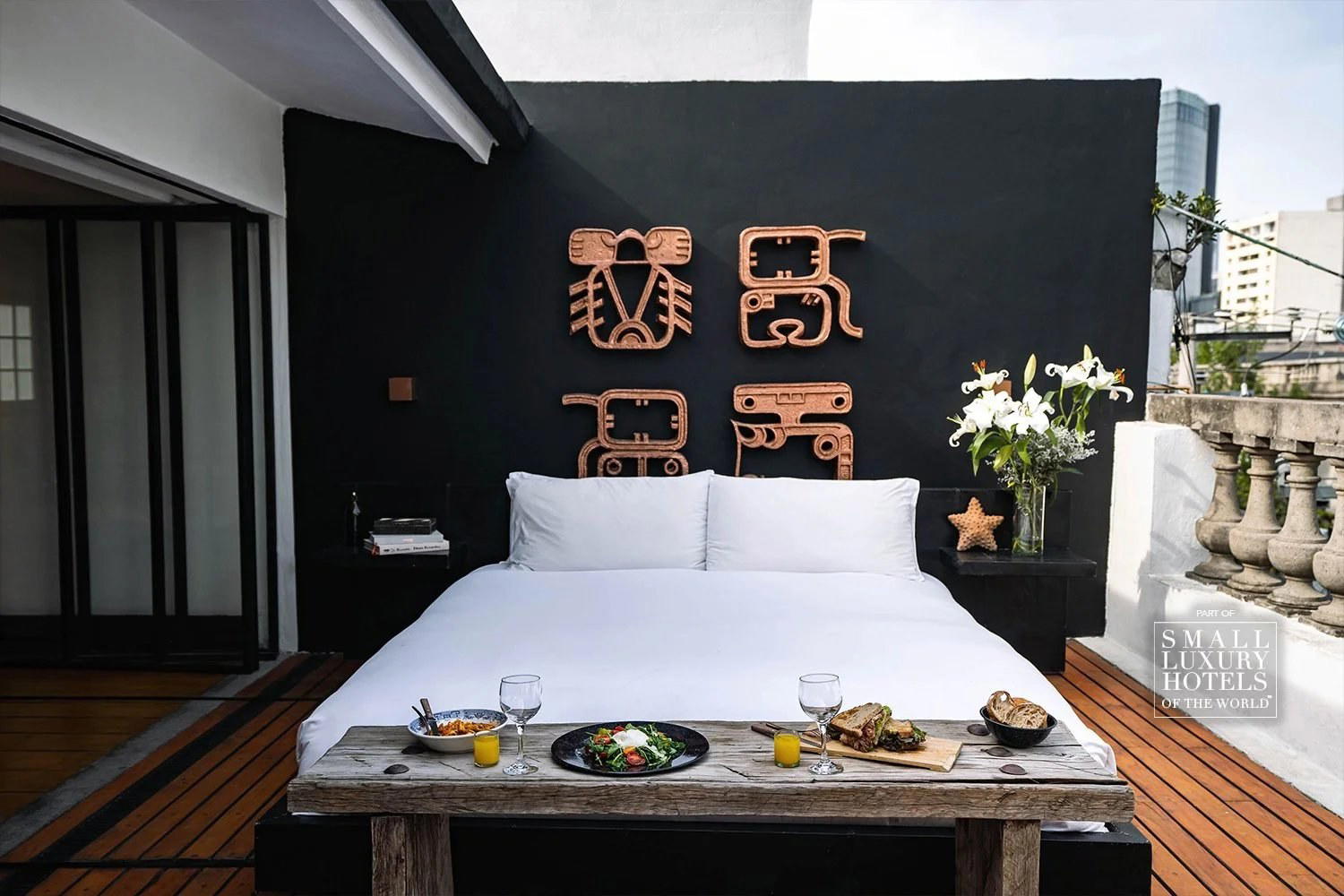
Industrial-chic interior with modern, pleasant decoration and a warm trattoria feel, buzzing with young diners and couples.