Sartiano’s Italian Steakhouse
Sartiano’s Italian Steakhouse pairs an Italian steakhouse menu with an open kitchen, terrace, and private dining, set for leisurely dinners in a smart casual setting.
Pearl is the En Primeur Club membership app — saves, bookings, and concierge access live there. Same editors, same standards.
- Address
- 3131 Las Vegas Blvd S, Las Vegas, NV 89109
- Phone
- (702) 770-3463
- Website
- wynnlasvegas.com
- Directions
- Get directions
 Saves & bookings on Pearl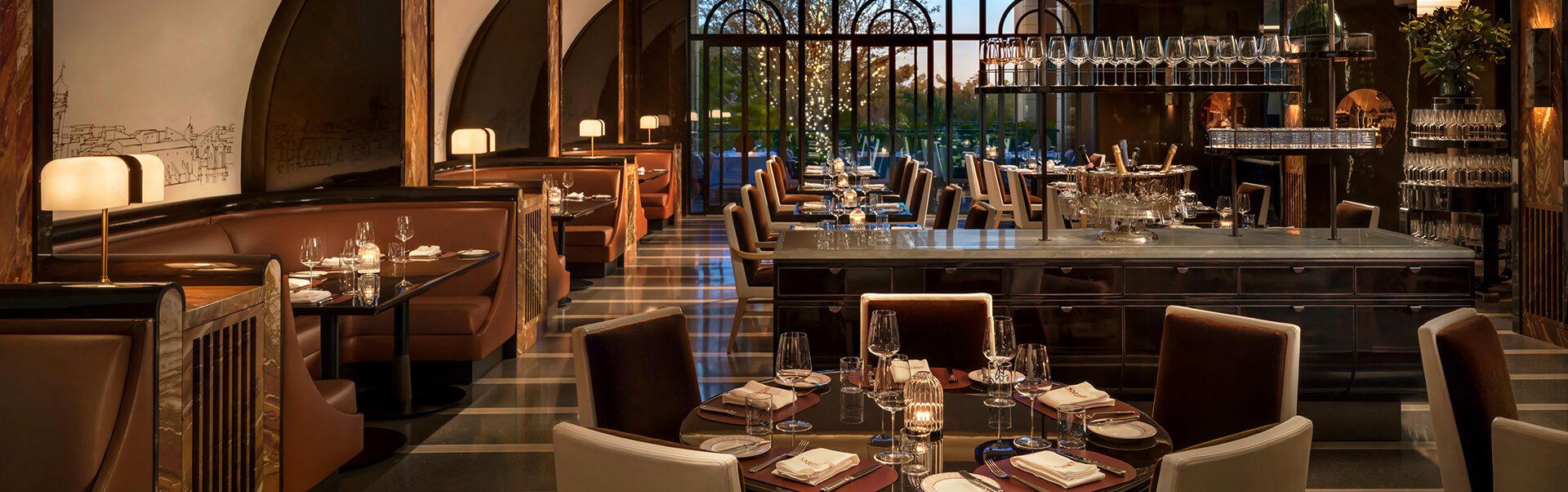
Where the Strip Meets the Italian American Steakhouse Tradition
The stretch of Las Vegas Boulevard around the 3100 block carries a particular kind of ambient pressure: the sound of large rooms, the visual competition of neighboring hotel facades, and the implicit promise that whatever you walk into will deliver something commensurate with the city's appetite for spectacle. Sartiano's Italian Steakhouse at 3131 Las Vegas Blvd S plants itself inside that context and answers with a format that has deep roots in the American dining canon, the Italian American steakhouse, a category that predates the Strip itself by decades.
This is a genre with a clear grammar: red sauce traditions running alongside prime beef, the kind of room where a ribeye and a bowl of rigatoni are both plausible choices at the same table, and where the wine list pivots between Italian varietals and California Cabernets without apology. In Las Vegas, that format competes against both the celebrity-chef steakhouse (represented nearby by venues like Craftsteak and A Different Beast) and the broader category of Strip dining that skews toward spectacle over substance. Sartiano's sits in a more classically grounded position.
The Cut as the Point of the Menu
In the Italian American steakhouse tradition, the cut of beef is not a subcategory of the menu, it is the menu's organizing principle. The ribeye, the strip, the filet, and the tomahawk each carry distinct arguments. The ribeye makes its case through intramuscular fat, the long marbling channels that render during a high-heat sear and produce the kind of beefy depth that lean cuts cannot replicate. It rewards a kitchen with a strong understanding of resting time, since a ribeye pulled too early or served without sufficient rest loses the textural payoff that justifies its fat content.
The New York strip occupies a different register: firmer, with a fat cap that crisps at the edge and a grain that holds up to more aggressive seasoning. In steakhouses with Italian inflections, the strip often appears alongside preparations that echo Florentine bistecca traditions, high heat, olive oil, flaked salt, and nothing else. The filet sits at the opposite end of the argument: almost no marbling, maximum tenderness, a cut that prioritizes texture over flavor complexity and that therefore depends on execution precision more than raw material quality.
The tomahawk is the category's most theatrical option, a bone-in ribeye with an extended frenched rib bone that arrives at the table as an event rather than a quiet plate. Las Vegas dining rooms have a particular relationship with the tomahawk, partly because the city rewards the visual moment, but also because the bone-in format genuinely affects the cooking dynamic, insulating the meat during the sear and concentrating flavor near the bone. Any serious Italian American steakhouse on or near the Strip will have a position on each of these cuts, and that position reveals more about a kitchen's priorities than almost any other single data point.
Italian Inflections in a Beef-Forward Format
What separates the Italian American steakhouse from its broader steakhouse peers is the role of pasta, antipasto, and Italian-derived sauces as co-equal sections of the menu rather than afterthoughts. The tradition draws from the mid-century red-sauce houses of New York and Chicago, where second-generation Italian American restaurateurs fused the Sunday gravy traditions of their households with the beef-forward preferences of their American clientele. The result was a format that never fully became one thing: too beef-focused to be purely Italian, too Italian in its seasonings and starters to be a conventional American chophouse.
In contemporary Las Vegas, that hybrid identity is actually a competitive advantage. The city's dining visitors tend to eat across multiple formats per trip, and a room that can serve a competent cacio e pepe followed by a dry-aged strip occupies a different part of the decision tree than a room that demands full commitment to a single cuisine. Among Strip-adjacent options, this positions the Italian American steakhouse alongside but distinct from venues like 108 Eats or 18bin, which operate with tighter, more single-minded culinary identities.
Las Vegas and the Steakhouse Competitive Set
Las Vegas has more steakhouses per square mile of entertainment district than almost any American city, and the competitive set is serious. On the beef-focused side, Bazaar Meat by Jose Andres sets a high bar for theatrical ambition paired with genuine technique. On the Italian side, the city has seen both standalone trattorias and hotel-backed Italian concepts cycle through the market with varying longevity. The Italian American steakhouse sits at the intersection of those two competitive pressures and must satisfy both sets of expectations simultaneously.
The broader national context is instructive here. The country's most-discussed Italian American steakhouse traditions are concentrated in New York and New Jersey, where the format has had decades to develop clear quality signals: the weight of the linen, the depth of the wine list, the provenance of the beef. Las Vegas imports this tradition into a market that expects higher volume and faster table turns, which creates a tension that the leading Strip steakhouses resolve through room design and kitchen organization rather than by compromising the plate.
For readers tracing the full range of American fine dining traditions, the Italian steakhouse represents one pole of a larger map that includes tasting-menu driven experiences like Alinea in Chicago, The French Laundry in Napa, Lazy Bear in San Francisco, and Blue Hill at Stone Barns in Tarrytown, as well as seafood-focused institutions like Le Bernardin in New York City and Providence in Los Angeles. The steakhouse tradition is a deliberately different proposition, less about invention, more about execution against a known standard.
International comparisons also apply. The Italian steakhouse format has global cousins: 8 1/2 Otto e Mezzo Bombana in Hong Kong demonstrates how Italian fine dining translates into Asian markets, while Emeril's in New Orleans and Addison in San Diego offer regional American perspectives on how cuisine and identity intersect in restaurant formats. See our full Las Vegas restaurants guide for how Sartiano's fits into the broader dining picture across the city's neighborhoods and price tiers.
Other points of reference within Las Vegas include 777 Korean Restaurant and the broader range of international options that have expanded the Strip's dining identity well beyond its mid-century American steakhouse origins. The city's current dining moment is defined by this kind of plurality, where a guest can move between formats and price points without leaving a single boulevard. Additional curated experiences worth tracking include Atomix in New York City, Single Thread Farm in Healdsburg, The Inn at Little Washington, and Blue Hill at Stone Barns for readers building a broader picture of American dining at serious levels.
Planning Your Visit
| Venue | Format | Location | Cuisine Focus |
|---|---|---|---|
| Sartiano's Italian Steakhouse | Italian American steakhouse | 3131 Las Vegas Blvd S | Italian / beef-forward |
| Craftsteak | American steakhouse | Las Vegas Strip | Beef / American |
| Bazaar Meat by Jose Andres | Theatrical steakhouse | Las Vegas Strip | Beef / Spanish-influenced |
| A Different Beast | Modern American | Las Vegas | American / chef-driven |
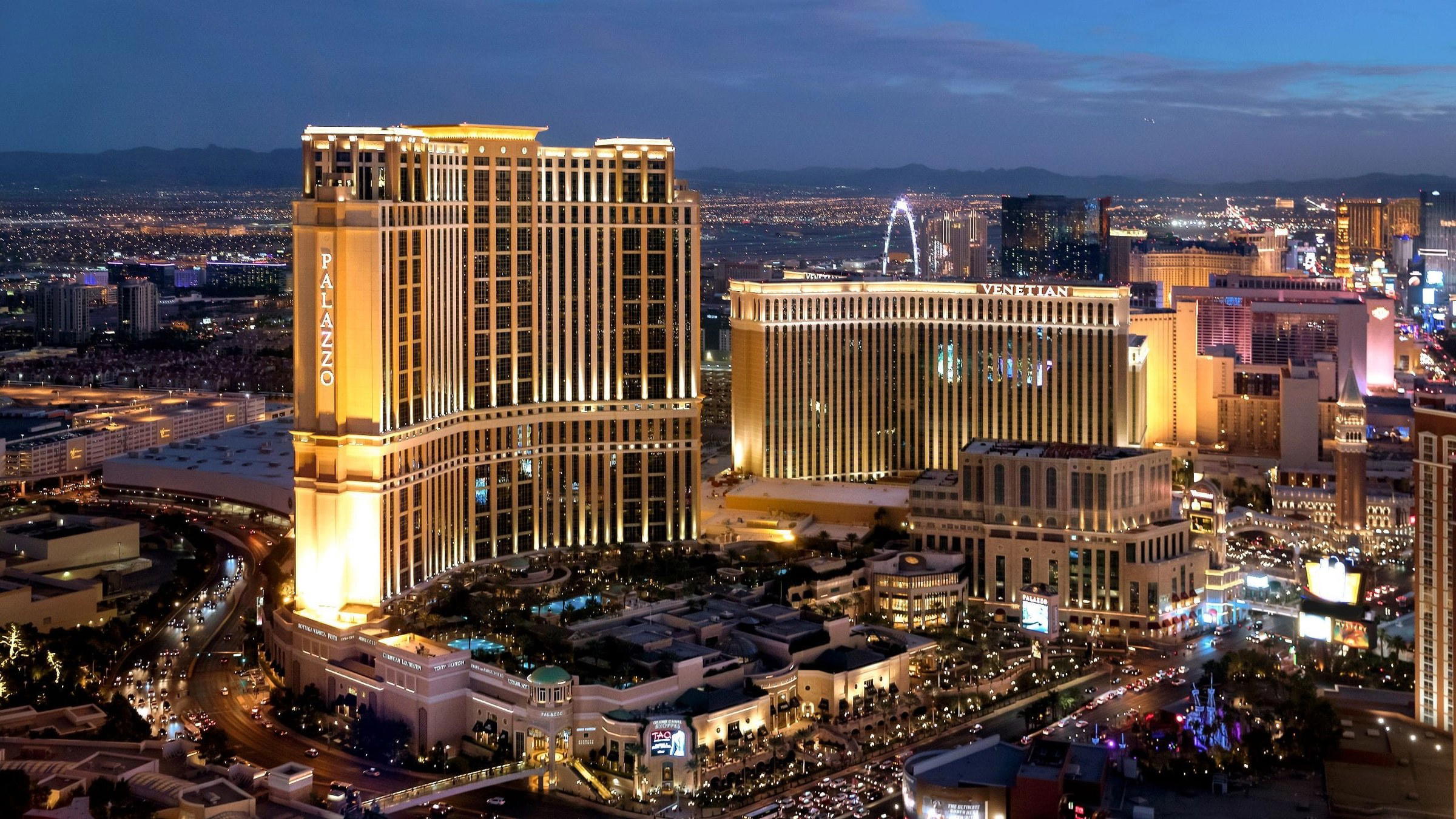
Sartiano's address at 3131 Las Vegas Blvd S places it within the central Strip corridor, accessible from major hotel properties on foot.
Side-by-Side Snapshot
Comparable venues nearby, for context on price, style, and recognition.
| Venue | Cuisine | Price | Notes |
|---|---|---|---|
| Sartiano’s Italian SteakhouseThis venue — the venue you are viewing | Italian Steakhouse | $$$$ | Not listed |
| Carnevino | Italian Steakhouse | $$$$ | Las Vegas Strip |
| LAVO | Modern Italian Steakhouse | $$$$ | South Las Vegas |
| Scarpetta | Modern Italian | $$$$ | The Strip |
| Piero's | Classic Italian Fine Dining | $$$ | Northern Strip |
| Trevi | Italian | $$$ | The Strip |
Continue exploring
More in Las Vegas
Restaurants in Las Vegas
Browse all →
Bars in Las Vegas
Browse all →
At a Glance
- Elegant
- Intimate
- Sophisticated
- Date Night
- Special Occasion
- Hotel Restaurant
- Open Kitchen
- Terrace
- Private Dining
- Extensive Wine List
- Street Scene
Current opening hours
- Monday
- Closed
- Tuesday
- Closed
- Wednesday
- 5–10 PM
- Thursday
- 5–10 PM
- Friday
- 5–10:30 PM
- Saturday
- 5–10:30 PM
- Sunday
- 5–10 PM
Hours can change for holidays and private events. Last verified .
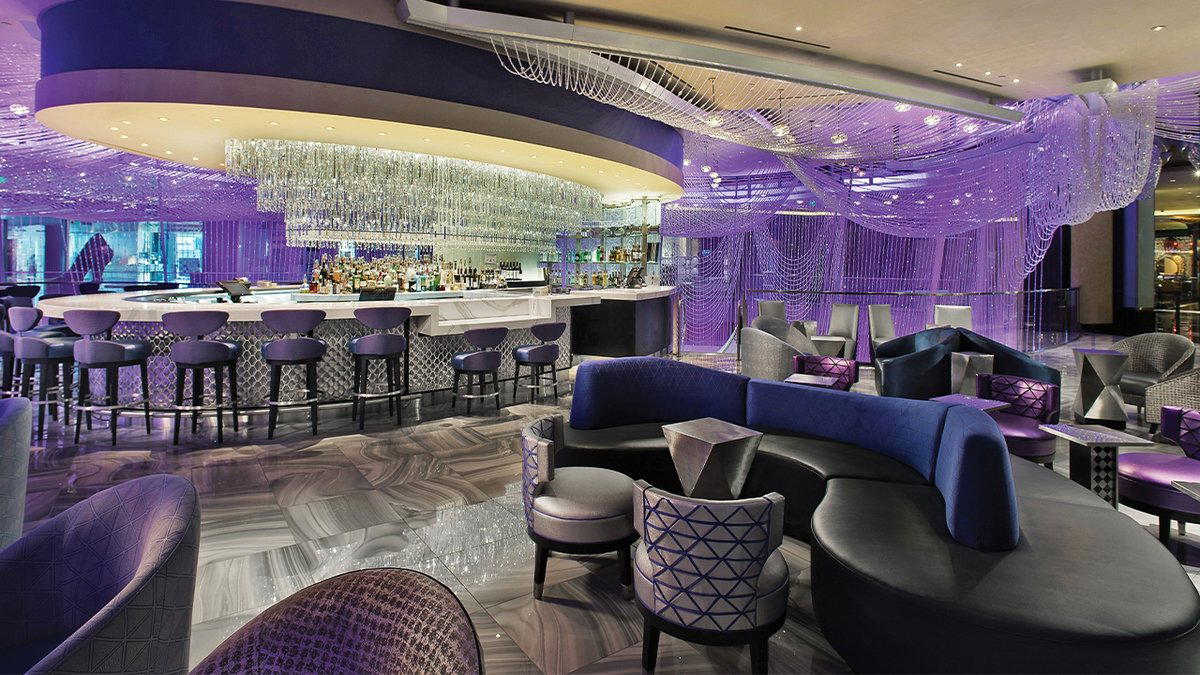
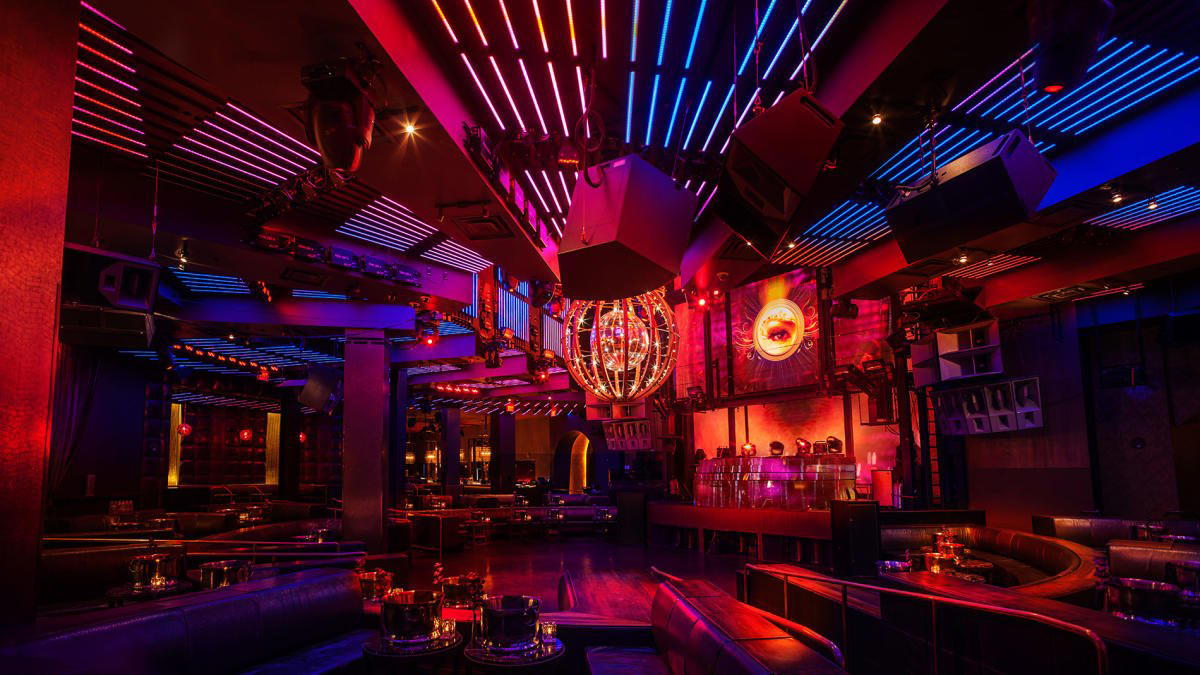
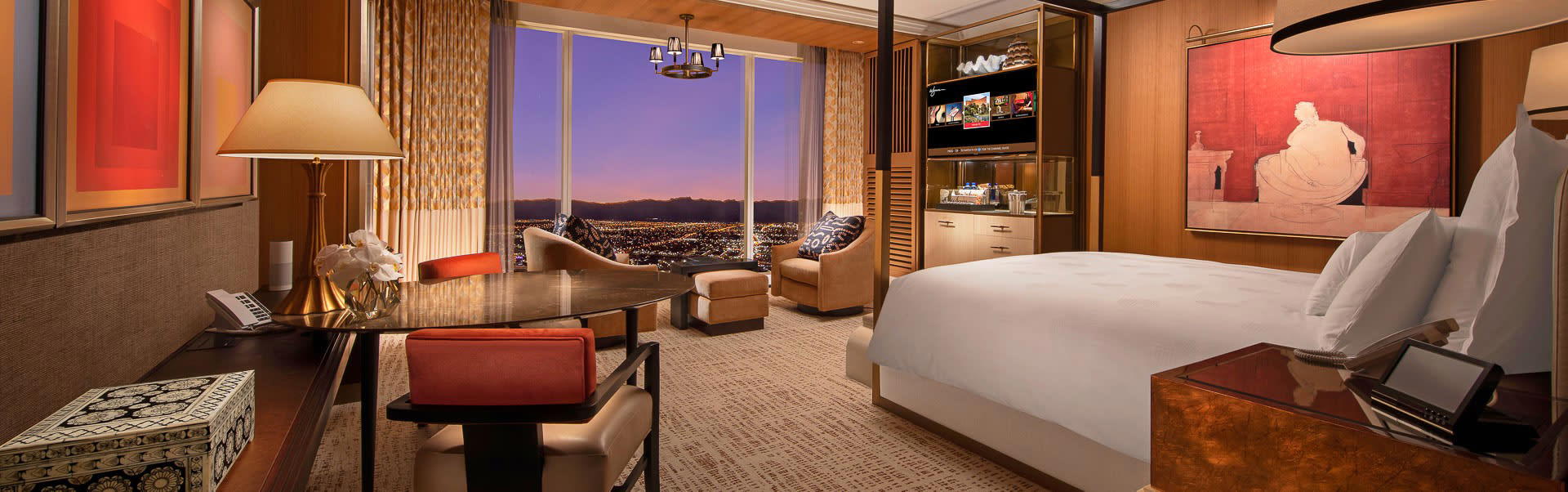
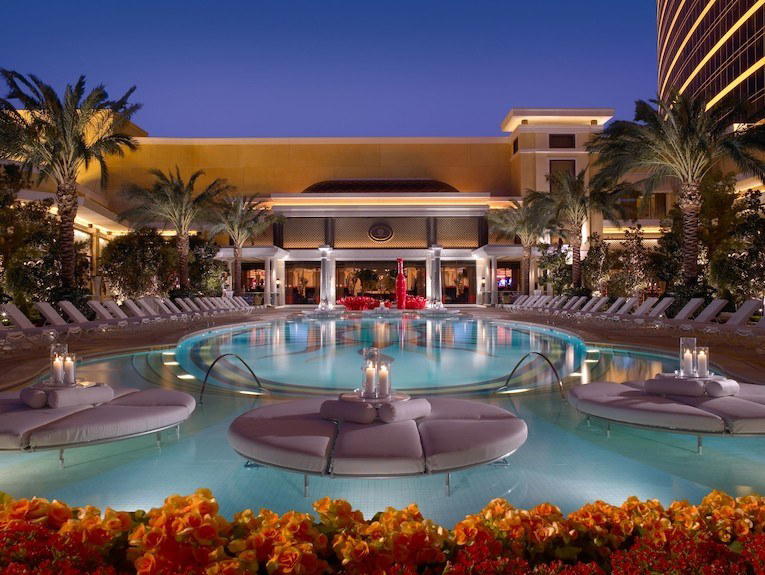
Intimate dining room with luxurious touches extending to an outdoor patio overlooking the Wynn golf course.