Sarasanegro

The Best Chef One Knife
Our verdict
Sarasanegro sits at the intersection of Mar del Plata's seafront culture and Argentina's evolving fine dining conversation, with Chef Patricio Ariel Negro at the stove. The restaurant operates from a city better known for summer crowds than serious cooking, which is precisely what makes it worth tracking. For the Buenos Aires-based traveller willing to extend their itinerary, it represents a regional counterpoint to the capital's dominant restaurant scene.

Pearl is the En Primeur Club membership app, where members save venues, book tables and use the concierge.
The menu
What to order
- Squid with lime gel, anchovy béarnaise and squid crackling
- Haddock with sweet potato purée, caramelized onion and dates
- Marsala ice cream with white chocolate crunch and strawberries
Mar del Plata's Dining Scene and Where Sarasanegro Sits Within It
Argentina's restaurant conversation tends to begin and end in Buenos Aires. The capital commands the critical attention: the Michelin assessors, the Latin America's 50 Best votes, the long-form press coverage. Regional cities, regardless of their culinary merit, rarely break through that gravitational pull. Mar del Plata is the partial exception. The Atlantic coast city draws over eight million visitors annually, most of them arriving between December and March for the beach season, and that concentration of affluent domestic travellers has, over time, built a hospitality infrastructure more sophisticated than any comparable coastal city in the country. Sarasanegro operates inside that context, at San Martín 3458, with Chef Patricio Ariel Negro running the kitchen.
The comparison point matters here. Buenos Aires venues like Don Julio and Aramburu have built their reputations across decades of year-round operation and consistent national and international press. A Mar del Plata restaurant faces a different structural challenge: a compressed high season, a leaner shoulder period, and an audience that shifts from demanding summer tourists to local regulars between April and November. The kitchens that survive and develop in that environment tend to be more adaptable than their capital counterparts. Sarasanegro's positioning within that seasonal city reflects how Argentina's serious cooking has been slowly decentralising from Buenos Aires, a trend that venues like Azafrán in Mendoza and Cavas Wine Lodge in Alto Agrelo have demonstrated in their own regions.
The Sensory Character of the Room
Mar del Plata carries a particular atmospheric register that distinguishes it from both Buenos Aires and Argentina's inland cities. The air is salt-weighted even blocks from the water. The city's architectural texture runs from early twentieth-century French eclecticism near the old centre to the dense residential towers that define the coastal strip. San Martín, the street where Sarasanegro occupies its address, sits in the urban fabric of the city rather than on the waterfront promenade, which tends to mean a more local, less transient clientele in the off-peak months and a more concentrated dining atmosphere than the seafront tourist circuit delivers.
The sensory logic of cooking in Mar del Plata is shaped by proximity to the South Atlantic. The port supplies some of the most consistent seafood in Argentina: lenguado, corvina, and besugo are caught locally, as are prawns and squid. A kitchen operating here has access to ingredients that Buenos Aires restaurants source from a greater distance. That proximity creates a different kind of freshness in the supply chain, one that rewards a chef willing to work with what the season and the catch determine rather than what a fixed menu demands. Whether Sarasanegro operates along those lines specifically cannot be confirmed from available data, but the regional logic applies broadly to the better kitchens in the city.
Chef Patricio Ariel Negro and Argentina's Chef-Led Restaurant Tier
Argentina has developed a distinct tier of chef-led independent restaurants over the past fifteen years, operating below the international-profile venues in Buenos Aires but well above the generic parrilla or tourist-facing seafood house. These kitchens are typically run by a single named chef who controls both the creative direction and the day-to-day operation, often with a small brigade and a tight menu that reflects what the chef can execute at a consistent level rather than what covers the broadest possible customer preference. Sarasanegro belongs to this category, with Patricio Ariel Negro as the named figure attached to the kitchen.
In Buenos Aires, the analogous tier includes venues like Trescha, Crizia, and Anafe, all of which have built followings through consistent cooking and chef presence rather than marketing scale. The regional equivalent in Mar del Plata operates under different commercial pressures but draws on the same model: the chef's name is the primary trust signal, and the quality of the experience depends on that chef's continued involvement. For travellers accustomed to the Buenos Aires fine dining circuit, Sarasanegro offers a point of comparison that sits outside the capital's self-referential conversation.
Argentina's broader chef-led scene has drawn international comparisons to what venues like Atomix in New York City represent in the American context: smaller, highly personal operations where the distinction between chef and restaurant is essentially absent. The scale and price points differ considerably, but the structural logic is similar.
Argentina's Coastal Cooking Tradition
Argentinian cuisine is internationally associated with beef, and that association is not wrong. The parrilla tradition runs deep, and Buenos Aires restaurants like Don Julio have made that tradition into a globally recognised format. But the coastal cooking of Mar del Plata occupies a different lane, one that has historically been underdeveloped relative to its raw material quality. The city's fishing industry is among the most productive in South America, and yet for much of the twentieth century the local restaurant scene treated that seafood as secondary to beef and pasta, the latter reflecting the city's strong Italian immigrant heritage.
The shift toward seafood-led, technique-conscious cooking in Mar del Plata has gathered pace since the early 2010s, paralleling similar moves in Buenos Aires restaurants that began pushing away from the purely carnivorous model. Venues across Argentina's regional cities, from El Colibri in Santa Catalina to EOLO in El Calafate, have demonstrated that the country's culinary identity extends well beyond its cattle-ranching heartland. Sarasanegro's presence in Mar del Plata reflects that wider repositioning of what serious Argentinian cooking can look like outside Buenos Aires.
Planning a Visit
Mar del Plata is approximately 400 kilometres south of Buenos Aires, accessible by bus on the Ruta del Sol corridor (journey time roughly five hours), by domestic flight from Aeroparque Jorge Newbery (under one hour), or by car along Route 2. The city's peak season runs from late December through late February, when accommodation and restaurant availability tightens considerably and advance booking becomes essential. The shoulder months of November and March offer a more manageable visit, with the city still active but significantly less congested. The winter months from June through August are quiet, with some seasonal operations reducing their hours or closing temporarily.
For a broader view of where Sarasanegro sits within Argentina's restaurant circuit, the EP Club guides to Buenos Aires restaurants, Buenos Aires hotels, Buenos Aires bars, Buenos Aires wineries, and Buenos Aires experiences provide the capital-side context. For travellers extending into Argentina's interior, the EP Club also covers Awasi Iguazu in Puerto Iguazu and La Bamba de Areco in San Antonio de Areco, both of which anchor multi-destination Argentina itineraries.
Internationally, the structural model Sarasanegro represents, a chef-driven independent in a city outside the primary fine dining capital, has parallels beyond Argentina. Le Bernardin in New York City long ago established that seafood-focused cooking could occupy the same prestige tier as any other format; the question in Mar del Plata is whether that potential is being fully claimed.
Know Before You Go
- Address: San Martín 3458, Mar del Plata, Provincia de Buenos Aires, Argentina
- Chef: Patricio Ariel Negro
- City: Mar del Plata (approx. 400 km south of Buenos Aires)
- Getting There: Domestic flight from Aeroparque Jorge Newbery (under 1 hour) or bus from Buenos Aires (approx. 5 hours)
- Leading Season: November or March for shoulder-season access without peak-summer congestion; December–February for highest activity but tightest availability
- Booking: Contact details not currently listed; verify current reservation method directly
- Note: Hours, price range, and menu format; confirm before travel
What Dish Is Sarasanegro Famous For?
Given the restaurant's location in Mar del Plata, Argentina's primary Atlantic fishing port, and the broader logic of serious kitchens operating in that city, a seafood-led approach would be consistent with the region's strongest culinary identity. Chef Patricio Ariel Negro is the named figure attached to the kitchen, but specific menu details, tasting notes, or dish descriptions have not been verified through a sourced record and cannot be confirmed here. Travellers seeking current menu information should contact the restaurant directly ahead of any visit.
Frequently asked questions
Where exactly is Sarasanegro?
Sarasanegro is located at San Martín 3458, B7600GRB Mar del Plata, Provincia de Buenos Aires, Argentina, Buenos Aires.
Is there a head chef associated with Sarasanegro?
The chef associated with Sarasanegro is Patricio Ariel Negro.
What dish is Sarasanegro famous for?
Given chef Patricio Ariel Negro's location in Mar del Plata, Argentina's primary Atlantic port city, the kitchen almost certainly draws on the region's seafood tradition, which sits at a deliberate remove from the beef-centred focus of Buenos Aires restaurants. check the venue's official channels for current menu detail.
What kind of recognition has Sarasanegro received?
Sarasanegro has received recognition including: Chef: Patricio Ariel Negro.
A Lean Comparison
Comparable venues nearby, for context on price, style, and recognition.
| Venue | Cuisine | Price | Awards | Notes |
|---|---|---|---|---|
| SarasanegroThis venue (the venue you are viewing) | Contemporary Argentine Seafood | $50–100 | The Best Chef One Knife | Not listed |
| Puerto Cristal | Seafood and Argentine | $50–100 | World's Best Wine Lists Awards WBWL 3-Star | Piñeyro, Seafood and Argentine |
| El Muelle | Mediterranean Seafood | $30–50 | Not listed | Palermo, Mediterranean Seafood |
| Caprichito | Comfort Italian Restaurant & Pizzeria | $30–50 | Conde Nast Hot List Restaurants | Palermo, Comfort Italian Restaurant & Pizzeria |
| Madre Rojas | Modern Argentine Parrilla with Wagyu | $30–50 | Not listed | Villa Crespo, Modern Argentine Parrilla with Wagyu |
| Cabaña Las Lilas | Argentine Parrilla Steakhouse | $50–100 | Michelin Plate | Piñeyro, Argentine Parrilla Steakhouse |
Recognition history
Dated appearances from independent guides and award organizations, with the underlying list record or original source where available.
The Best Chef One Knife
The Best Chef
Continue exploring
More in Buenos Aires
Wineries in Buenos Aires
All wineries in Buenos Aires →
Sarasanegro
The wine
- Wine program
- Deep wine list
- Extensive wine list
- Sommelier-led
Details
- Intimate
- Elegant
- Sophisticated
- Quiet
- Date Night
- Special Occasion
- Celebration
- Wine Cellar
- Private Dining
- Extensive Wine List
- Sommelier Led
- Local Sourcing
- Sustainable Seafood
- Tasting Menu
- A La Carte
- Wine Pairing
- Local Wine Selection
- Gluten Free Options
- Pescatarian Friendly
- Allergy Accommodating
Current opening hours
- Monday
- 8 PM–12 AM
- Tuesday
- 8 PM–12 AM
- Wednesday
- 8 PM–12 AM
- Thursday
- 8 PM–12 AM
- Friday
- 8 PM–12 AM
- Saturday
- 8 PM–12 AM
- Sunday
- 8 PM–12 AM
Hours can change for holidays and private events. Hours as of .
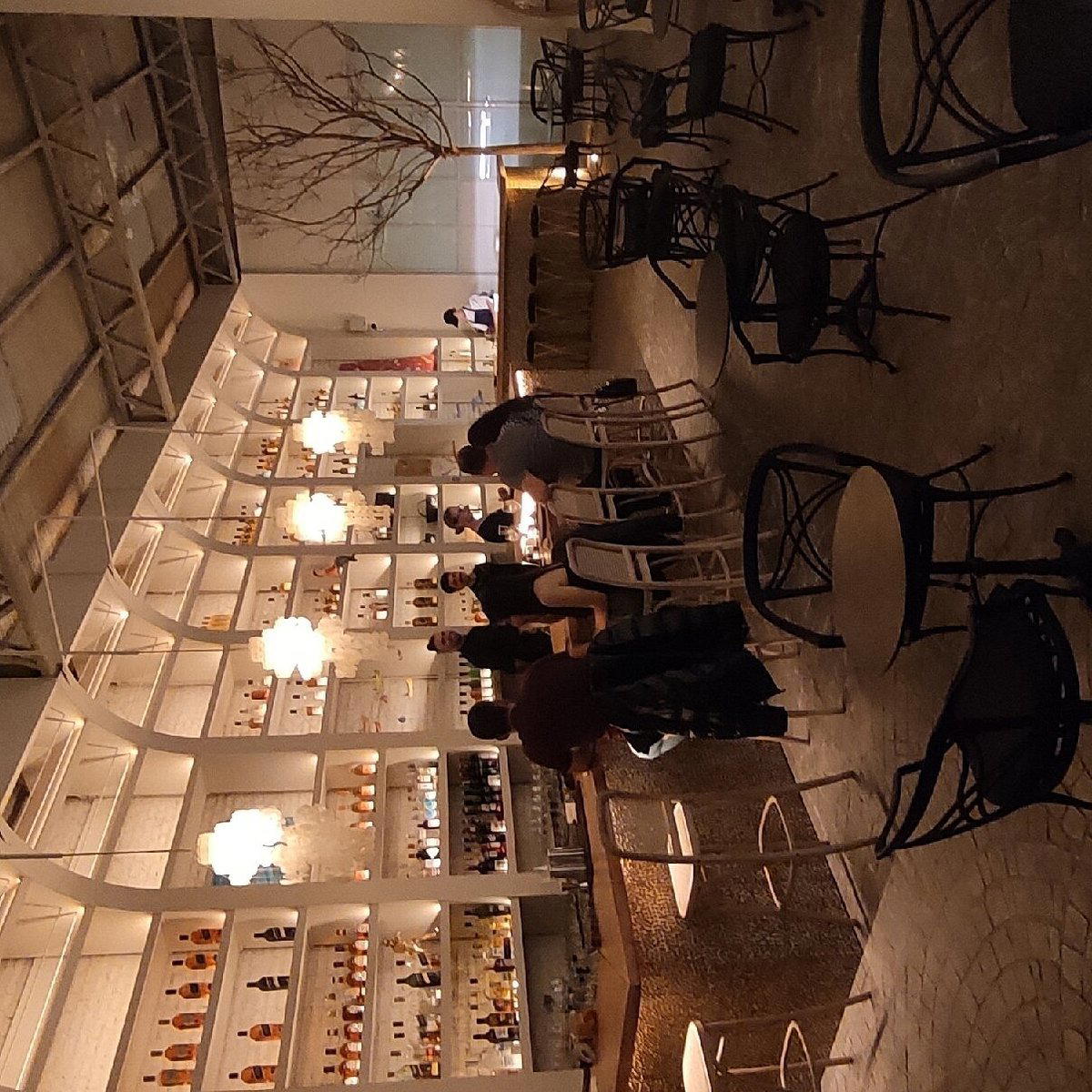
Warm, flattering lighting with stripped-back aesthetic and simple finishes create a comfortable yet formal mood; tables spaced for quiet conversation with thoughtful soundtrack and polished service.