
Tabelog 100 #22
Our verdict
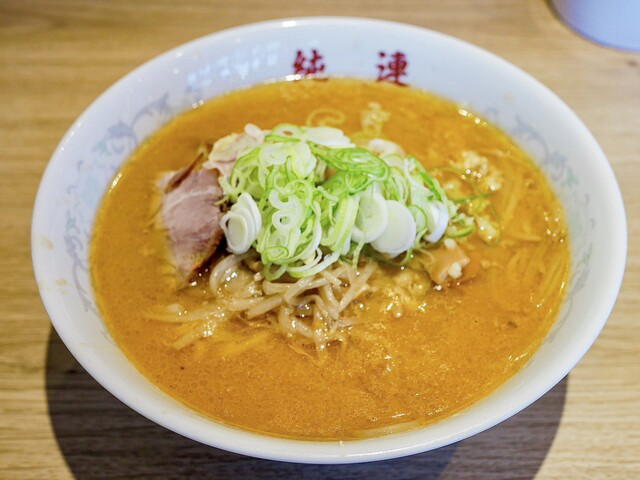
Sapporo ramen is a cold-climate food culture built on heat retention, fat, miso depth, and fast counter turnover. Sapporo Junren Sapporo ten belongs to the old-guard end of that scene: founded in 1964, repeatedly selected for Tabelog Ramen 100, and priced in the city’s everyday ramen bracket rather than its special-occasion dining tier.

Pearl is the En Primeur Club membership app, where members save venues, book tables and use the concierge.
The menu
What to order
- Miso ramen
- Spicy miso ramen
- Shoyu ramen
- Shio ramen
- Ramen and fried rice set
The approach to a serious Sapporo ramen shop is rarely theatrical. The clues are practical: a focused room, quick service, and the expectation that the bowl, not the room, does the work. In a city where winter shapes appetite as much as taste, ramen has developed around heat, speed, and density. Sapporo Junren Sapporo ten sits inside that tradition rather than above it, with a format that favours regulars and travellers who understand that some of Hokkaido’s defining food experiences happen at accessible price points and high turnover.
Sapporo ramen is a climate food, not a trend
Sapporo’s ramen identity is tied to the north: colder seasons, a preference for broth with staying power, and a style that can carry intensity without becoming thin halfway through the meal. The regional story here is less about luxury ingredients than local logic. Hokkaido’s food culture has long been associated with cold-weather appetite and practical comfort; ramen absorbs that environment in a democratic form. The point is not rarity. The point is a bowl engineered for a city that knows snow, workday lunches, and late dinners better than it knows ceremony.
That is why the established Sapporo ramen houses matter. A ramen shop with local staying power can live through the shift from everyday staple to culinary tourism object, and the better examples do not need to dress the form in tasting-menu language. Sapporo Junren Sapporo ten’s recognition through Tabelog Hyakumeiten, including a 2025 listing with a 3.76 score, places it in the recognised tier of regional ramen rather than the novelty tier. The distinction matters. In Sapporo, attention can collect around different ramen styles and casual formats; the classic appeal is judged by consistency, heat, richness, and whether the bowl makes sense in February as much as in August.
Against local peers, the positioning is clear. Mendokoro Maruha BEYOND and MEN-EIJI Hiragishi Base represent other serious ramen reference points in Sapporo, while Garyu Menbu Hien occupies a similarly accessible dining conversation. Kitaro Sumikawa honten brings another local comparison, and SOUP CURRY KING Honten reminds visitors that Sapporo’s cold-weather comfort food canon extends beyond ramen into soup curry. Junren’s significance is narrower and more specific: it speaks for the durability of Sapporo ramen as a working urban food, not as a chef-led reinvention.
The room tells you how to eat: quick, direct, bowl-led
The format is part of the editorial value. A focused ramen setting keeps the experience direct. That scale of experience is common in Japan’s stronger ramen culture because it protects pace: orders move quickly, bowls arrive without ceremony, and diners do not linger over the table as they might in a longer-form dining room. The emphasis is on use rather than occasion. It suits solo diners, small groups, regulars, and visitors who want a focused ramen stop rather than a staged restaurant evening.
For travellers mapping Sapporo by appetite rather than landmarks, Sapporo Junren Sapporo ten is a useful corrective to the idea that the city’s food life is concentrated only around central hotel districts. The better reading is practical: this is a Sapporo ramen address with enough recognition to attract repeat attention, and enough clarity of purpose to handle steady demand. It is not trying to become a luxury room; its value lies in the repeated, everyday logic of a bowl served with confidence.
The city’s broader dining map rewards that kind of calibration. For a wider ramen and casual dining route, other Sapporo dining rooms point toward spice, noodles, curry, and everyday comfort food, while unnamed bakeries, cafes, and regional specialists show how Hokkaido’s appetite for warmth and craft production takes many forms. Junren should be read inside that wider Sapporo pattern: not as a standalone trophy meal, but as one focused expression of the city’s practical food culture.
How it fits into a Sapporo food itinerary
Junren works better as a targeted ramen stop than as a long evening plan. The value is in choosing it for what it represents: Sapporo ramen served in a direct setting, with recognition strong enough to justify the detour for visitors who already care about the category. It is not the place to look for a slow multi-course meal, a sommelier-led pairing, or a room designed around celebration. The editorial case is sharper than that: Sapporo’s food culture is partly defined by places where technique and repetition carry more weight than ceremony.
That is also why it belongs on a practical city circuit. Use Our full Sapporo restaurants guide to build meals around ramen, curry, seafood, and coffee rather than around a single dining district. For the rest of the trip, Our full Sapporo hotels guide, Our full Sapporo bars guide, Our full Sapporo wineries guide, and Our full Sapporo experiences guide help separate food-led planning from the city’s wider hospitality and cultural routes.
For readers building a Japan-wide casual dining map, Sapporo’s ramen culture sits in conversation with other local formats rather than in isolation. Compare the directness here with unnamed casual dining rooms in other Japanese cities, where grilled dishes, seafood counters, cafes, and regional comfort foods each express a different local rhythm. Outside Japan, Japanese-inspired formats can travel widely, but Sapporo ramen is strongest when read at home, in the climate and city rhythm that shaped it.
Frequently asked questions
Is Sapporo Junren Sapporo ten okay with children?
Sapporo Junren Sapporo ten is a ramen venue in Sapporo. For child-friendly details or seating needs, check directly with the shop before visiting.
What kind of setting is Sapporo Junren Sapporo ten?
It is a ramen shop in Sapporo. The format is direct and practical, best understood as a focused stop for a bowl rather than a long-form dining occasion.
What should I budget for a meal at Sapporo Junren Sapporo ten?
Pricing at Sapporo Junren Sapporo ten is listed as - JPY 999 - JPY 999.
Where do I go for Sapporo Junren Sapporo ten?
Sapporo.
How far ahead should I plan for Sapporo Junren Sapporo ten?
Plan around timing rather than assuming a long seated meal. As a Tabelog Hyakumeiten 2025 ramen selection, it makes sense to allow flexibility around busy lunch or dinner periods.
Comparison Snapshot
Comparable venues to calibrate price, style, and recognition.
| Venue | Cuisine | Price | Awards | Notes |
|---|---|---|---|---|
| Sapporo Junren Sapporo tenThis venue (the venue you are viewing) | Traditional Sapporo miso ramen shop | $10–20 | Tabelog 100 #22 | Not listed |
| Koku Ichiban Ramen Midoriya | Ramen shop | $1–10 | Tabelog 100 #65 | Chūō |
| Ramen Shinwa | Japanese Ramen | $10–20 | Tabelog 100 #9 | Toyohira |
| Ramen Arata | Sapporo ramen with Korean-inspired options | $10–20 | Tabelog 100 #59 | Chūō |
| 鮨処 有馬 | Japanese Sweet Shop - Imo Youkan | Not listed | Not listed | Chūō |
| Toripaitan Soba Yuu | Tori paitan ramen shop | $10–20 | Tabelog 100 #19 | Shiroishi |
Recognition history
Dated appearances from independent guides and award organizations, with the underlying list record or original source where available.
Tabelog 100 #22 · No. 22
Tabelog · Tabelog 100 - Ramen - HOKKAIDO - 2025
Continue exploring
More in Sapporo
Restaurants in Sapporo
All restaurants in Sapporo →
Bars in Sapporo
All bars in Sapporo →


Details
- Classic
- Cozy
- Well Known
- Solo
- Casual Hangout
- Late Night
- Family
- Standalone
- A La Carte
- Counter Dining
- Soft Drinks
- Beer
Simple, no-frills ramen shop with a cozy, bustling atmosphere, dominated by counter seating and quick turnover typical of classic local ramen-ya.