Sappo Ramen
On Josefstrasse in Zurich's District 5, Sappo Ramen occupies a stretch of the city where casual Asian dining has quietly taken root alongside the neighbourhood's shifting creative identity. The bowl is the format, the broth is the argument, and the address places it squarely in a part of Zurich that rewards walking and eating without ceremony. A reference point for ramen in a city where the category remains thin.
Pearl is the En Primeur Club membership app — saves, bookings, and concierge access live there. Same editors, same standards.
- Address
- Josefstrasse 140, 8005 Zürich, Switzerland
- Phone
- +41435488327
- Website
- sappo.ch
- Directions
- Get directions
 Saves & bookings on Pearl
District 5 and the Ramen Question
Zurich's Kreis 5, the district that runs along Josefstrasse from the main train station toward the Escher-Wyss industrial quarter, has spent the better part of a decade shifting from warehouse transit to a neighbourhood with its own culinary character. The shift has not produced a dense Asian dining scene in the way that comparable European cities have, London's Soho, Amsterdam's De Pijp, or Paris's 13th arrondissement each carry a critical mass of ramen houses that Zurich, with its higher cost structure and smaller dining population, has not replicated. In that context, a ramen address at Josefstrasse 140 is not a curiosity; it is filling a gap that the city's restaurant mix leaves conspicuously open.
Ramen in Switzerland carries particular logistical weight. The cost of running a kitchen in Zurich, one of the highest-overhead cities in Europe for food service, compresses the tier below which a bowl can be priced while still sustaining a viable operation. Where Tokyo's ramen category spans everything from 800-yen counter lunches to specialist shops charging three times that for aged-broth productions, Zurich's version of the format tends to land at a price point that elsewhere would classify as mid-range dining. Sappo Ramen, at its Josefstrasse address, operates inside that economic reality rather than against it.
What the Menu Format Tells You
The editorial angle on any ramen house is almost always the broth programme. Ramen menus are structured around a small number of defining decisions: the base (tonkotsu, shoyu, shio, or miso), the fat content and temperature discipline of the broth, the noodle gauge relative to the soup's viscosity, and the toppings, which in a well-constructed menu function as seasoning adjustments rather than independent components. A menu that runs too wide, eight or ten distinct broths, each with a long list of customisations, tends to signal kitchen diffusion. A tighter menu, with two or three broths developed to a clear standard, signals focus.
The name itself is a geographic signal worth reading. Sapporo, the capital of Hokkaido and one of Japan's three canonical ramen cities alongside Hakata and Tokyo, is associated most directly with miso ramen: a heavier, richer broth style that can carry corn, butter, and pork belly without losing structural coherence. If the name is a reference to that Hokkaido tradition rather than merely a phonetic choice, the menu architecture would logically lean toward miso-forward preparations with enough fat in the broth to sustain a cold-weather European context. Zurich in winter is not climatically distant from Hokkaido's maritime cold, and a Sapporo-style miso bowl travels better to this setting than a lighter Tokyo shoyu would.
In ramen as a category, the toppings matrix matters as much as the broth. Chashu pork preparation, whether it is belly or shoulder, braised or torched, sliced thick or thin, is a reliable indicator of kitchen ambition. Soft-boiled eggs, marinated overnight in soy and mirin, are the other standard signal. A kitchen that gets both of those components right, consistently, is operating with discipline. The noodle question is equally diagnostic: fresh noodles made in-house indicate a different investment level than dried imports, and the correct noodle for a Sapporo-style miso is a medium-thick, wavy noodle that catches the heavier broth rather than slipping through it.
Josefstrasse in Context
The address at 140 Josefstrasse places Sappo Ramen in the middle section of a street that runs through some of Zurich's most actively changing real estate. District 5 has absorbed a significant share of the city's bar and casual dining growth over the past decade, partly because its commercial rents, while not low by European standards, have remained accessible relative to the Altstadt or Seefeld. The neighbourhood now carries a mix of independent restaurants, design studios, and late-night venues that creates foot traffic at hours when the more formal dining districts have quietened.
For a ramen operation, that foot traffic profile is useful. Ramen is not a reservation format in Japan, and one coherent versions of the category in Europe have maintained that walk-in, counter-style structure even where the surrounding neighbourhood is more formal. Kreis 5 is well-suited to that operating model. Zurich's formal dining tier, represented at its upper end by addresses like IGNIV Zürich by Andreas Caminada, with its sharing format and multi-course structure, or The Counter and The Restaurant in the creative tier, operates on a different rhythm entirely. Sappo Ramen sits outside that competitive set, which is precisely where a ramen house should sit.
The broader Swiss dining context extends well beyond Zurich. Switzerland holds a notable density of Michelin-starred restaurants relative to its population, with references like Hotel de Ville Crissier, Schloss Schauenstein in Fürstenau, and Cheval Blanc by Peter Knogl in Basel anchoring the formal tier across the country. That density makes the casual end of Zurich's dining range more interesting by contrast: the gap between a three-star tasting menu and a bowl of ramen is wider in Switzerland than in most comparable markets, and that gap creates real demand for the informal tier. Other strong regional references include Memories in Bad Ragaz, 7132 Silver in Vals, Colonnade in Lucerne, Da Vittorio in St. Moritz, Einstein Gourmet in Sankt Gallen, and focus ATELIER in Vitznau, each occupying distinct positions in the Swiss fine dining tier. At the other end of the spectrum internationally, high-precision bowl formats like Atomix in New York City show how Asian-rooted dining traditions can operate at tasting-menu price points when the format is sufficiently refined.
Planning a Visit
| Venue | Style | Price Tier | Booking Required |
|---|---|---|---|
| The restaurant | Japanese / Ramen | €–€€ | Walk-in likely |
| Widder | Swiss | €€€ | Recommended |
| Eden Kitchen & Bar | Italian | €€€€ | Recommended |
| IGNIV Zürich | Sharing / Creative | €€€€ | Essential, weeks ahead |
References at L'Atelier Robuchon in Geneva and Le Bernardin in New York City useful for understanding how Japanese-influenced precision translates across formal and informal formats in different cities.
Standing Among Peers
Comparable venues nearby, for context on price, style, and recognition.
| Venue | Cuisine | Price | Notes |
|---|---|---|---|
| Sappo RamenThis venue — the venue you are viewing | Authentic Sapporo Ramen & Tsukemen | $$ | Not listed |
| Kokoro | Swiss-Japanese Fusion | $$ | Aussersihl |
| Hoi Koi Sushi | Modern Japanese Sushi | $$ | Aussersihl |
| Sando | Japanese-Inspired Smashburgers | $$ | Oberstrass |
| Yokita | Japanese Take-Away | $$ | Aussersihl |
| Bang-On Tapiocaria & Açaí | Brazilian Tapiocaria & Açaí | $$ | Aussersihl |
At a Glance
- Trendy
- Cozy
- Casual Hangout
- After Work
- Sake Program
Current opening hours
- Monday
- 11:30 AM–2 PM, 5:30–10 PM
- Tuesday
- 11:30 AM–2 PM, 5:30–10 PM
- Wednesday
- 11:30 AM–2 PM, 5:30–10 PM
- Thursday
- 11:30 AM–2 PM, 5:30–10 PM
- Friday
- 11:30 AM–2 PM, 5:30–10 PM
- Saturday
- 12–10 PM
- Sunday
- 5:30–10 PM
Hours can change for holidays and private events. Last verified .
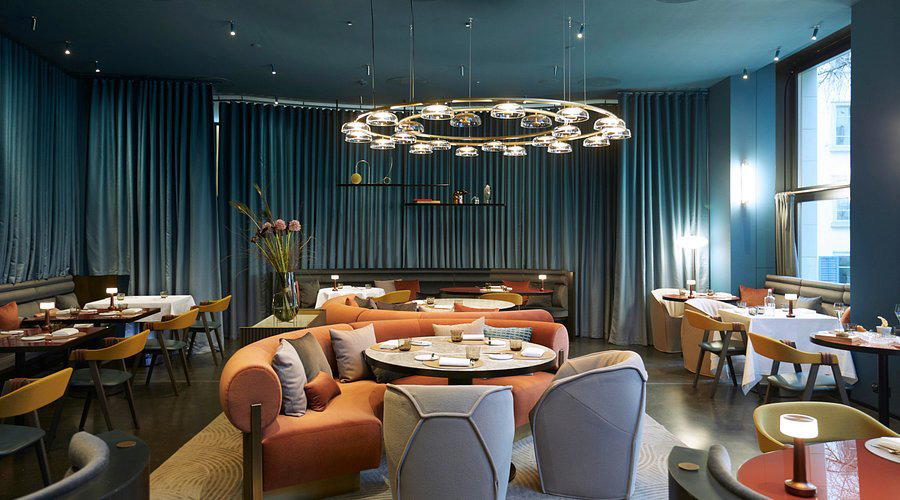
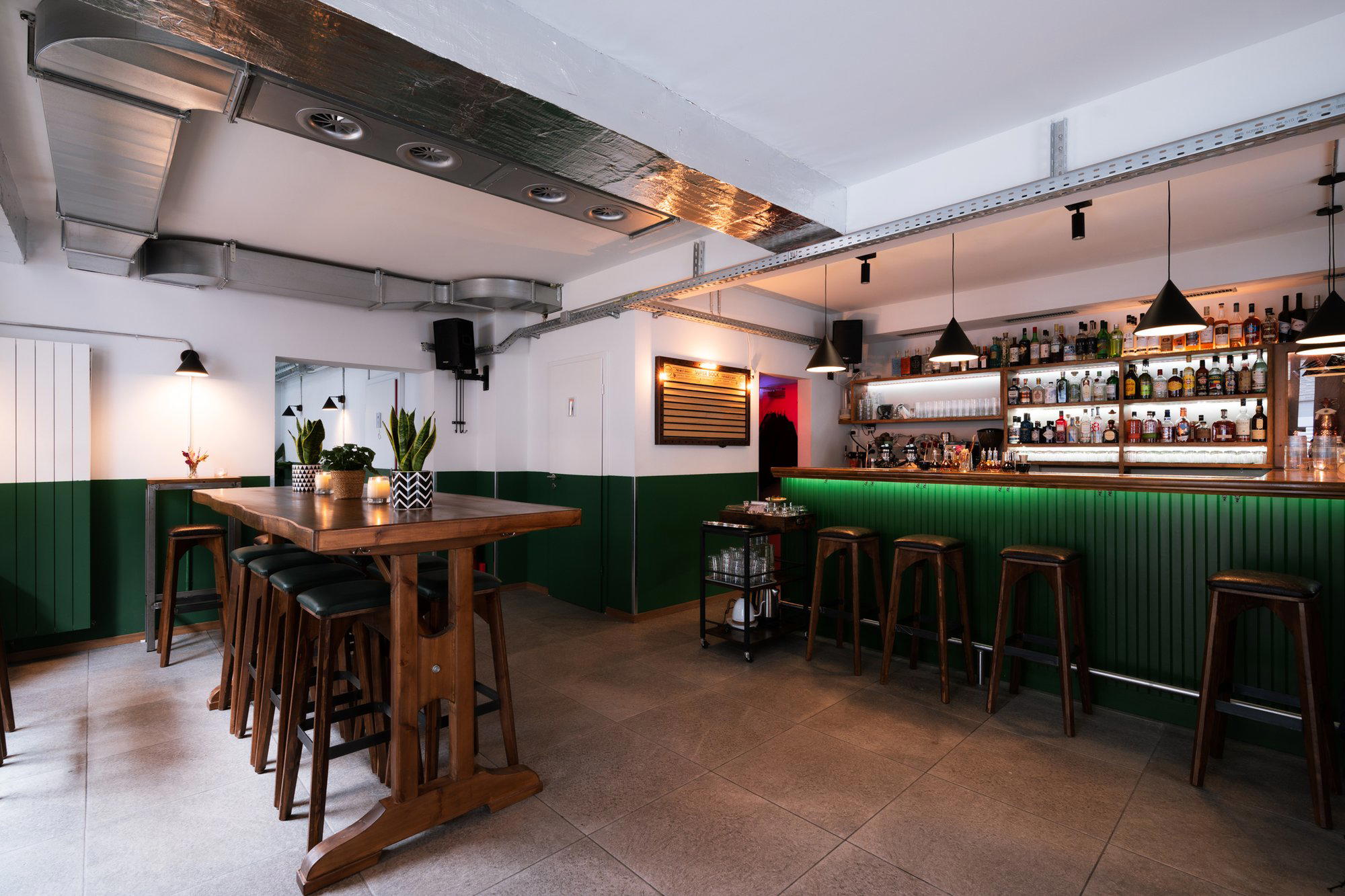
Casual ramen bar with quick service and Japanese street food atmosphere.