Sando
On Niederdorfstrasse 60, Sando occupies a corner of Zurich's Old Town where the sando format, Japan's pressed, crustless sandwich tradition, meets the precise, unhurried standards of Swiss dining culture. The address places it in the heart of Niederdorf, a neighbourhood that has quietly become one of the city's more interesting streets for informal yet considered eating. For visitors tracking where Zurich's appetite for Japanese-influenced formats is taking root, this is a useful data point.
Pearl is the En Primeur Club membership app — saves, bookings, and concierge access live there. Same editors, same standards.
- Address
- Niederdorfstrasse 60, 8001 Zürich, Switzerland
- Website
- sandorestaurant.ch
- Directions
- Get directions
 Saves & bookings on Pearl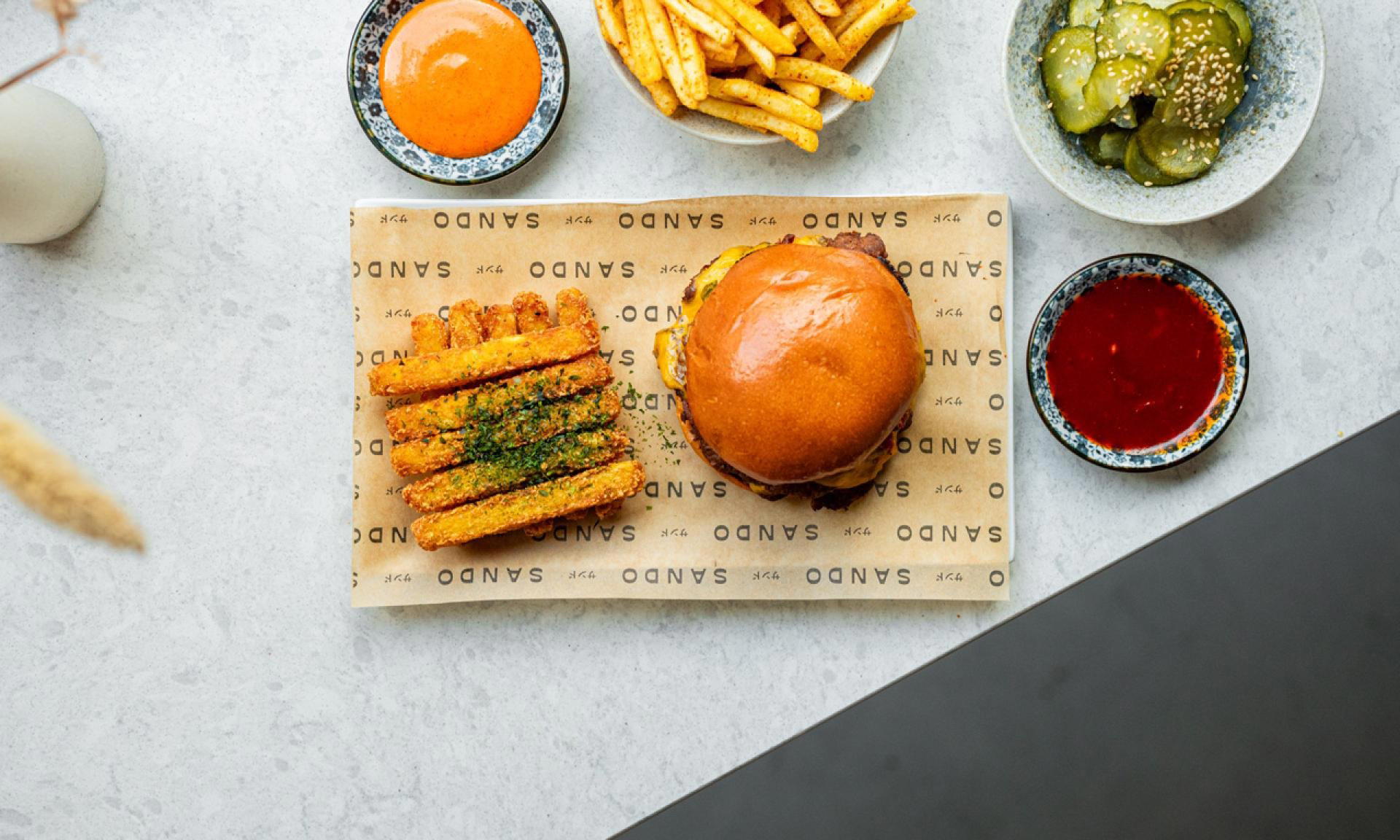
Where Niederdorf Meets the Sando Tradition
Niederdorfstrasse runs through the oldest quarter of Zurich's right bank, a pedestrian corridor that threads between guild-era facades and a shifting mix of wine bars, independent restaurants, and the occasional institution that has been feeding the neighbourhood for decades. Number 60 sits within that fabric, and the format it represents, the Japanese sando, arrives here carrying a set of rituals and expectations that are worth understanding before you arrive.
The sando is not simply a sandwich. In its Japanese form, it is a study in compression and contrast: milk bread (shokupan) pressed around a filling, the crusts removed, the result cut cleanly so the cross-section tells you exactly what you ordered. The ritual of eating one is brief by the standards of a tasting menu but carries its own discipline. The bread-to-filling ratio is non-negotiable, the temperature matters, and the sequence, if you order more than one, shapes the experience in the way a wine pairing shapes a dinner. Zurich, a city that has absorbed Japanese precision across its restaurant scene from high-end omakase to ramen counters, is a reasonable home for a format this exacting.
The Niederdorf Setting and What It Signals
The neighbourhood context is not incidental. Niederdorf has historically been Zurich's most permissive dining street in terms of format, tolerating small operators, casual concepts, and imported ideas that the more formal Bahnhofstrasse corridor would not sustain. That permissiveness has made it a proving ground. Formats that land here, when they land, tend to reflect genuine appetite rather than speculative positioning. A sando specialist at this address is not an outlier; it fits a pattern of precise, imported Japanese formats finding footholds in Swiss cities where food culture is both conservative and genuinely curious.
Across Zurich's broader restaurant scene, the dominant formal dining register runs toward IGNIV Zürich by Andreas Caminada, where the sharing format is applied to multi-course tasting menus, or The Counter and The Restaurant, both operating in the creative, technically demanding tier. Sando sits in a different register entirely, one where the meal is compact, the format is studied, and the pleasure is concentrated rather than extended. That compression is itself a form of discipline, and it is worth reading it as such rather than as a lesser ambition.
The Ritual of the Sando Meal
The customs around eating a sando in a dedicated specialist setting differ from the walk-and-eat informality the format sometimes attracts in casual contexts. In a sit-down sando format, you are expected to engage with the bread, the filling, and the cut as a composed unit. The shokupan, properly made, has a specific bounce and sweetness that carries the filling without competing with it. The fillings themselves, whether built around katsu, egg, or other proteins, are calibrated to thickness so that each cross-section delivers a consistent ratio from edge to centre.
The pacing of a sando-led meal is quicker than the multi-hour formats that dominate Zurich's fine dining calendar at venues like Widder or Eden Kitchen & Bar. But speed should not be confused with carelessness. The discipline of the format lies in its constraints: fewer components, less room to hide. A sando either works or it does not, and the verdict arrives quickly.
Switzerland's relationship with Japanese dining formats has deepened considerably over the past decade. From the Michelin-starred counters that have appeared in Geneva to the increasingly serious ramen and tonkatsu operations in Zurich, the infrastructure for Japanese-influenced eating has matured. Sando sits within that matured infrastructure, not as a novelty import but as a format that the market now has the context to evaluate properly.
Placing Sando in the Swiss Dining Field
For readers tracking Switzerland's wider fine dining geography, Zurich is one node in a network of serious restaurant towns. Hotel de Ville Crissier in Crissier, Schloss Schauenstein in Fürstenau, and Cheval Blanc by Peter Knogl in Basel represent the formal, Michelin-decorated tier. Memories in Bad Ragaz, 7132 Silver in Vals, and focus ATELIER in Vitznau extend that map into destination-resort formats. At the other end of the formality axis, specialists like Sando occupy a position that matters precisely because it does not compete on those terms.
Further afield, the sando format has attracted serious editorial attention in cities like New York, where technically rigorous Japanese-American concepts have moved from novelty to institution. Atomix in New York City represents one pole of that ambition, the fully elaborated Korean-influenced tasting counter. The sando specialist represents a different pole: reduction, not elaboration. Both reflect the same underlying shift in how Western cities are assimilating Japanese dining logic.
For Swiss-based comparisons, Da Vittorio in St. Moritz, Einstein Gourmet in Sankt Gallen, Colonnade in Lucerne, and L'Atelier Robuchon in Geneva all operate in the formal, multi-course register. Sando is, by format design, their counterpoint: a single focused act of eating rather than a sustained sequence.
Planning Your Visit
Sando is located at Niederdorfstrasse 60, 8001 Zürich, in the Niederdorf quarter of Zurich's Old Town. The address is walkable from Zurich Hauptbahnhof and accessible via tram lines serving the right bank of the Limmat. See our full Zurich restaurants guide for neighbourhood context and peer venues across format and price tier.
| Venue | Format | Price Tier |
|---|---|---|
| Sando | Japanese Sando Specialist | Data not confirmed |
| IGNIV Zürich by Andreas Caminada | Sharing / Multi-course | €€€€ |
| The Counter | Creative | €€€€ |
| Eden Kitchen & Bar | Italian | €€€€ |
| Widder | Swiss | €€€ |
Continue exploring
More in Zürich
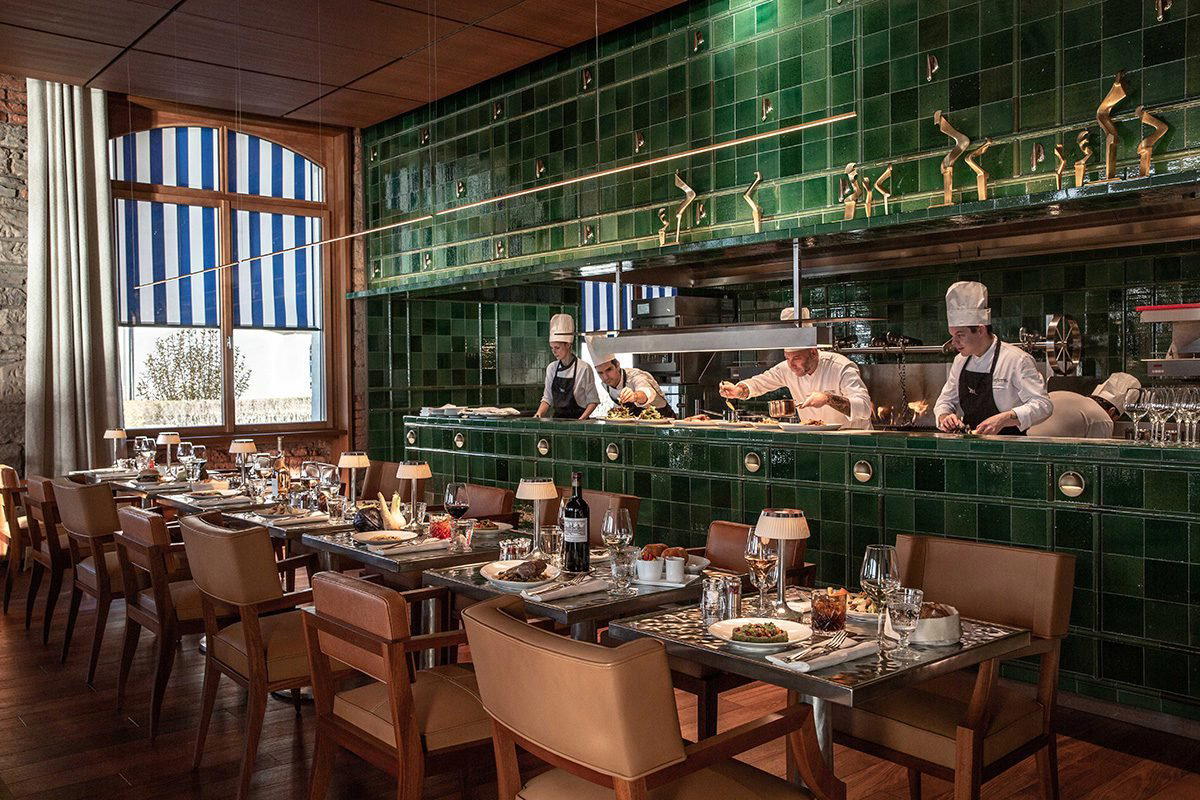
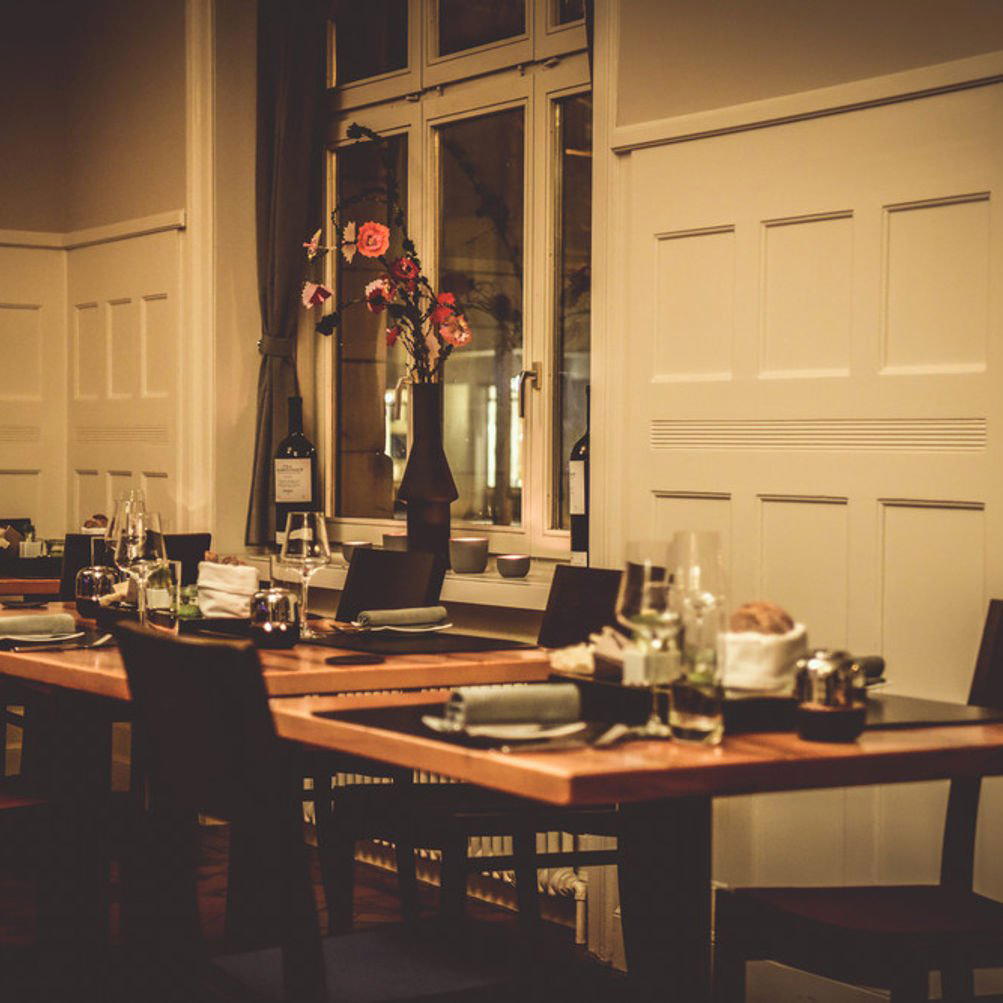
Restaurants in Zürich
Browse all →
Bars in Zürich
Browse all →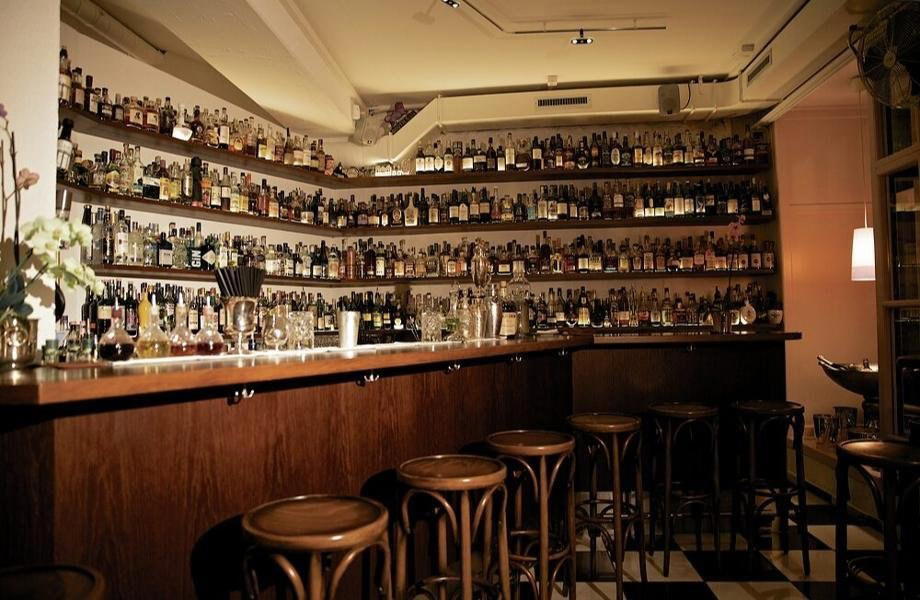
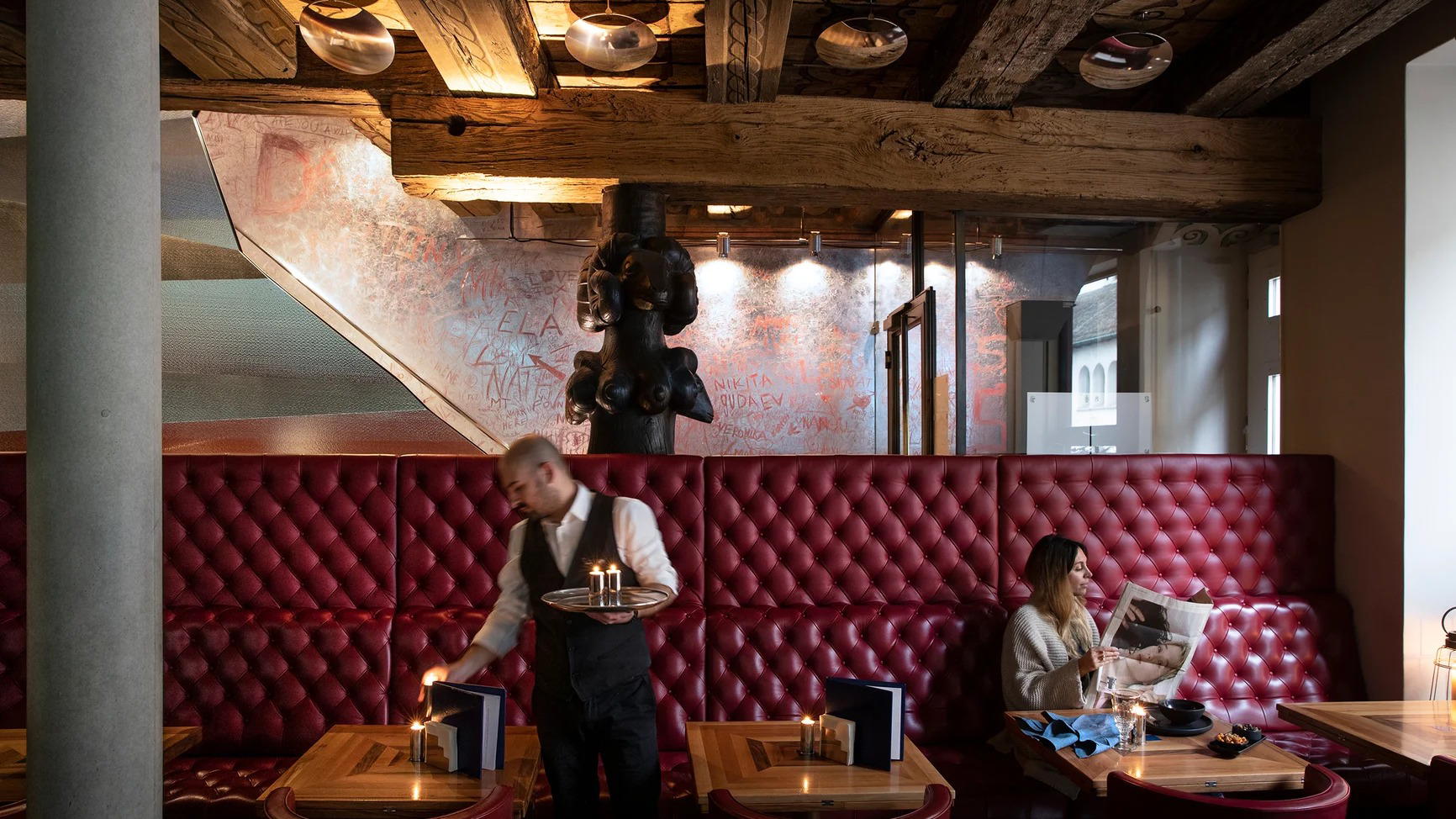
Hotels in Zürich
Browse all →

At a Glance
- Trendy
- Modern
- Lively
- Casual Hangout
- After Work
- Sake Program
Current opening hours
- Monday
- 11 AM–9 PM
- Tuesday
- 11 AM–9 PM
- Wednesday
- 11 AM–9 PM
- Thursday
- 11 AM–9 PM
- Friday
- 11 AM–10:30 PM
- Saturday
- 11 AM–10:30 PM
- Sunday
- 11 AM–9 PM
Hours can change for holidays and private events. Last verified .
Relaxed and laid-back atmosphere blending casual burger joint comfort with trendy Japanese street food influences.
Know Before You Go
- Getting there
- Niederdorfstrasse 60, 8001 Zürich, Switzerland