Kokoro
Our verdict
On Neufrankengasse in Zurich's Kreis 4, Kokoro occupies the kind of address that rewards those who pay attention to neighbourhood shifts rather than headline listings. The dining ritual here follows a considered pace shaped by Japanese sensibility transplanted into a Swiss urban context, sitting in a Zurich dining scene that increasingly values restraint and intention over spectacle.

Pearl is the En Primeur Club membership app, where members save venues, book tables and use the concierge.

Kreis 4 and the Art of Arrival
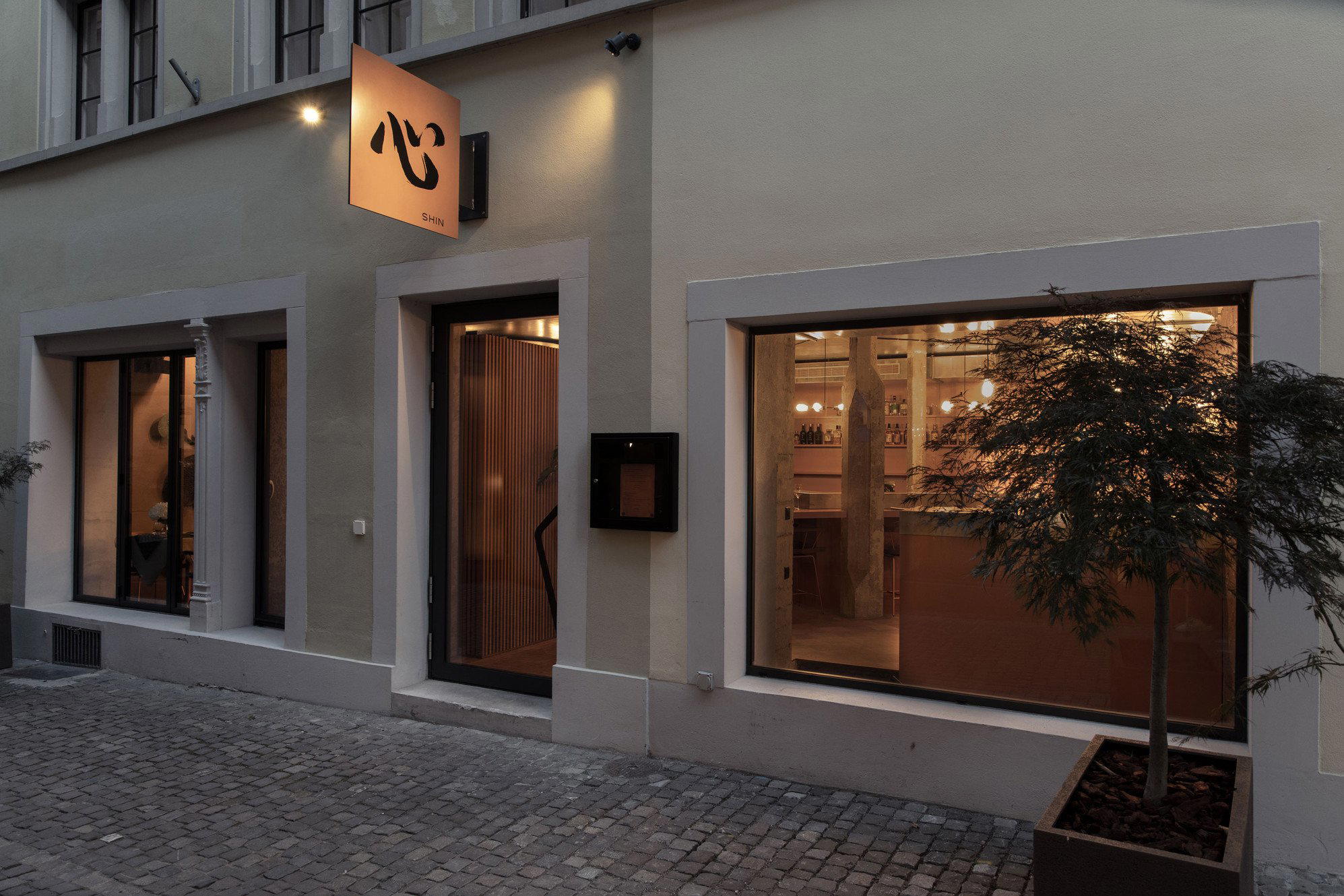
Neufrankengasse 25 sits in Zurich's Kreis 4, a district that has spent the better part of two decades shedding its rougher reputation and accumulating a density of considered small restaurants, natural wine bars, and independent operators that now defines one of the city's more interesting dining corridors. Walking the street, you pass shuttered shopfronts converted into narrow dining rooms, their windows fogged in winter, their interiors lit with the kind of deliberate dimness that signals the meal matters more than the room's visibility from outside. Kokoro belongs to this category of Kreis 4 address: easy to miss on a first pass, precisely the point.
The name itself, Japanese for "heart" or "mind", signals the culinary orientation before you open the door. Japanese-influenced dining in Zurich operates in a different register than the conveyor-belt sushi chains or the pan-Asian brasserie formats that occupy the city's tourist-facing streets. The serious end of this category is smaller, quieter, and structured around a meal that has a shape to it: a sequence, a pace, a set of customs that the diner is expected to join rather than simply observe.
The Ritual Logic of the Meal
Japanese dining traditions place significant weight on the arc of the meal rather than its individual peaks. This is not the European model of a dominant main course flanked by supporting acts. Instead, the progression is more even, each course shifting register in small increments, the experience accumulating meaning through repetition and contrast rather than a single climactic moment. At Kokoro, that logic is the organizing principle. The meal has a grammar, and understanding it changes how you sit through it.
Pacing in this format tends toward the deliberate. Courses arrive on their own schedule, not the diner's impatience. The appropriate posture is attention rather than appetite alone, reading what is placed in front of you before moving through it.
For context, Zurich's creative fine dining tier includes addresses like The Counter and The Restaurant, both operating at the €€€€ bracket with tasting formats that reward sustained attention. IGNIV Zürich by Andreas Caminada approaches the shared-format meal as a social and culinary structure. What distinguishes a Japanese-rooted approach from these peers is the specific cultural inheritance shaping the sequence: an emphasis on seasonal ingredient primacy, textural contrast as a deliberate signal, and a preference for understatement over accumulation.
Kokoro in the Wider Swiss Fine Dining Frame
Switzerland's serious restaurant culture extends well beyond Zurich, and the national benchmark is set by addresses that have accumulated significant recognition. Schloss Schauenstein in Fürstenau and Hotel de Ville Crissier in Crissier represent the apex of the Swiss tasting-menu tradition, French-influenced and Michelin-decorated. Cheval Blanc by Peter Knogl in Basel and Memories in Bad Ragaz occupy similar territory. Further afield, 7132 Silver in Vals, Colonnade in Lucerne, Da Vittorio in St. Moritz, Einstein Gourmet in Sankt Gallen, and focus ATELIER in Vitznau each define their regional tier.
Against this backdrop, a Zurich restaurant operating from a Japanese culinary logic occupies a deliberately different position. The comparison set is not Schloss Schauenstein. It is closer to the small counter-format Japanese restaurants in European capitals that have built reputations outside the Michelin ecosystem, or alongside it, on the basis of ingredient sourcing, format discipline, and a regulars culture that self-selects for engagement. Atomix in New York City offers a useful international reference point for how a Korean-rooted tasting counter can operate at the highest level while maintaining a cultural specificity that the European fine dining template does not provide. L'Atelier Robuchon in Geneva represents the counter-format dining tradition applied to a French culinary inheritance; Kokoro applies a different inheritance to a similar structural logic.
Neighbourhood, Season, and the Question of When to Go
Kreis 4 dining tends to be more atmospheric in the colder months, when the streets contract and the warmth of a small interior justifies the walk. The neighbourhood's character, working-class roots, creative-class present, enough edge remaining to keep it from feeling sanitised, shapes the experience of arriving at a restaurant like this differently than if the same address sat in Seefeld or on the Bahnhofstrasse corridor. That contextual friction is part of what makes the meal cohere.
Timing matters in a different sense too. Japanese-influenced tasting formats in European cities often operate on limited sittings, with advance reservations the default expectation rather than the exception. Given the format and the Kreis 4 address, planning several weeks ahead is a reasonable working assumption for Kokoro, though the specific booking window should be confirmed directly with the venue. Zurich also rewards mid-week visits to addresses of this type: Saturday reservations at the city's serious restaurants tend to book earliest, and the Thursday or Friday slot often carries the same kitchen energy without the additional competition for tables. For further orientation across the city's dining options, EP Club's full Zurich restaurants guide maps the wider scene.
Kokoro does not sit in the same bracket as Widder or Eden Kitchen and Bar, which operate with different format logics and price structures. It is a more specific proposition, suited to diners who want the meal to have an internal logic rather than simply a succession of courses.
Planning Your Visit
Kokoro is located at Neufrankengasse 25, 8004 Zürich, in Kreis 4. The address is reachable by tram from central Zurich, with Helvetiaplatz serving as the nearest major stop. Given the format and neighbourhood, same-day walk-ins are unlikely to be the reliable option that a larger brasserie might offer. For broader dining orientation across Switzerland's serious restaurant tier, EP Club profiles venues from Le Bernardin in New York City through to the Swiss regional addresses above, providing comparative context for calibrating expectations across price brackets and formats.
Frequently asked questions
What do regulars order at Kokoro?
Kokoro's Japanese-influenced format implies a set tasting structure rather than a la carte selection, which means the question of what to order is largely resolved by the kitchen's sequence for that service. In Japanese dining tradition, the chef's progression is the meal's architecture, and departing from it significantly is not the default expectation. Regulars at this type of address tend to invest trust in the sequence, arriving informed about dietary restrictions in advance and leaving the specific course selection to the kitchen's judgement.
How far ahead should I plan for Kokoro?
Zurich's serious tasting-format restaurants, particularly at smaller addresses in Kreis 4, tend to book several weeks ahead at minimum, with weekend slots going earliest. Given Kokoro's Neufrankengasse address and the counter-influenced format that Japanese dining traditions typically favour, a four-to-six-week planning horizon is a reasonable working assumption, though the venue's current booking window should be confirmed directly. Mid-week reservations generally carry more availability than Friday or Saturday sittings at this tier of Zurich dining.
Is Kokoro suitable for diners with limited experience of Japanese tasting formats?
Japanese-rooted tasting menus in European cities operate on a pacing and etiquette logic that differs from the European brasserie or modern European tasting format, but that difference is accessible rather than exclusionary. The meal's structure does most of the orienting work, and attentive service at addresses of this type generally guides diners through the sequence without requiring prior expertise. The Kreis 4 address and the Kokoro name together signal a specific cultural register; arriving with curiosity and a willingness to follow the meal's pace at its own tempo is the main practical preparation.
Comparable Venues
Comparable venues nearby, for context on price, style, and recognition.
| Venue | Cuisine | Price | Awards | Notes |
|---|---|---|---|---|
| KokoroThis venue (the venue you are viewing) | Swiss-Japanese Fusion | $30–50 | Not listed | Not listed |
| Sando | Japanese-Inspired Smashburgers | $20–30 | Not listed | Oberstrass |
| Yooji's Seefeld | Modern Japanese Sushi Kaiten | $20–30 | Not listed | Riesbach |
| Ototo | Japanese Sushi | $30–50 | Not listed | Wipkingen |
| Metropol | Modern Japanese Izakaya | $50–100 | Falstaff Restaurant - 88 Falstaff Points | Enge |
| Sappo Ramen | Authentic Sapporo Ramen & Tsukemen | $20–30 | Not listed | Unterstrass |
Continue exploring
More in Zürich
Restaurants in Zürich
All restaurants in Zürich →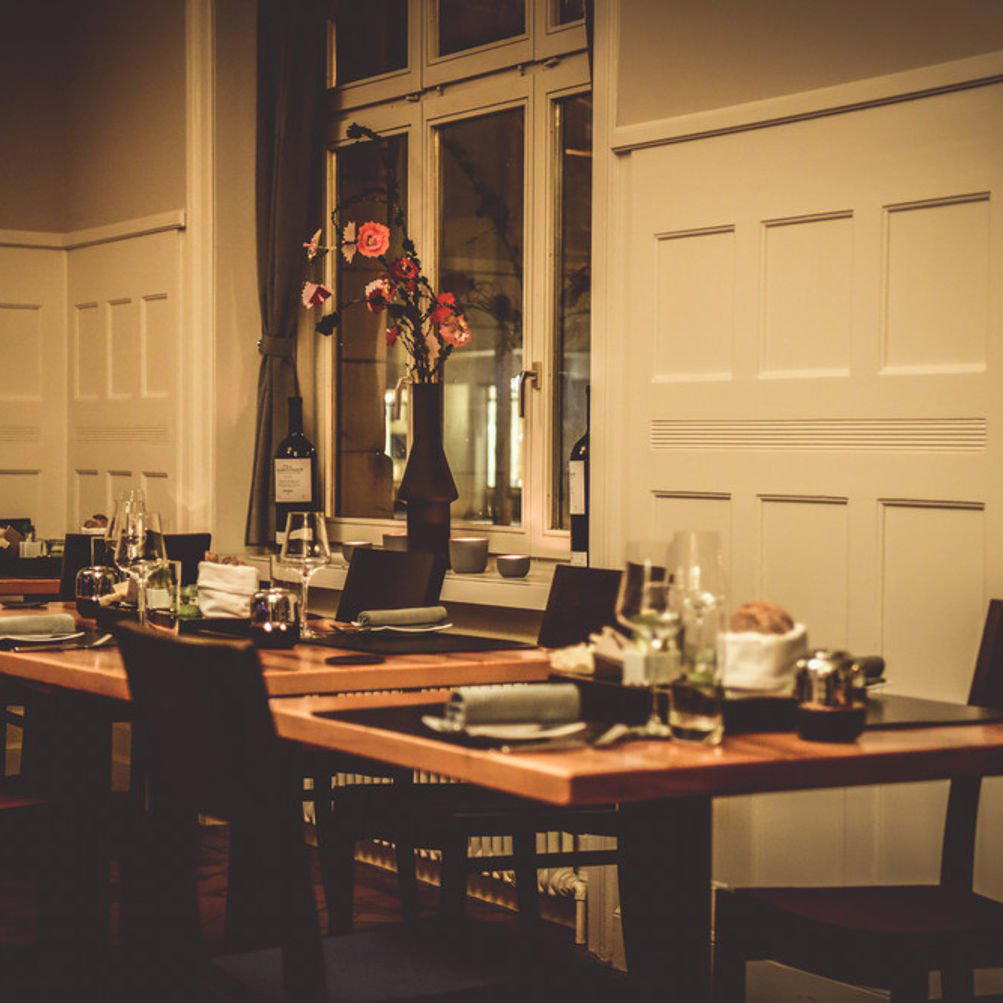
Bars in Zürich
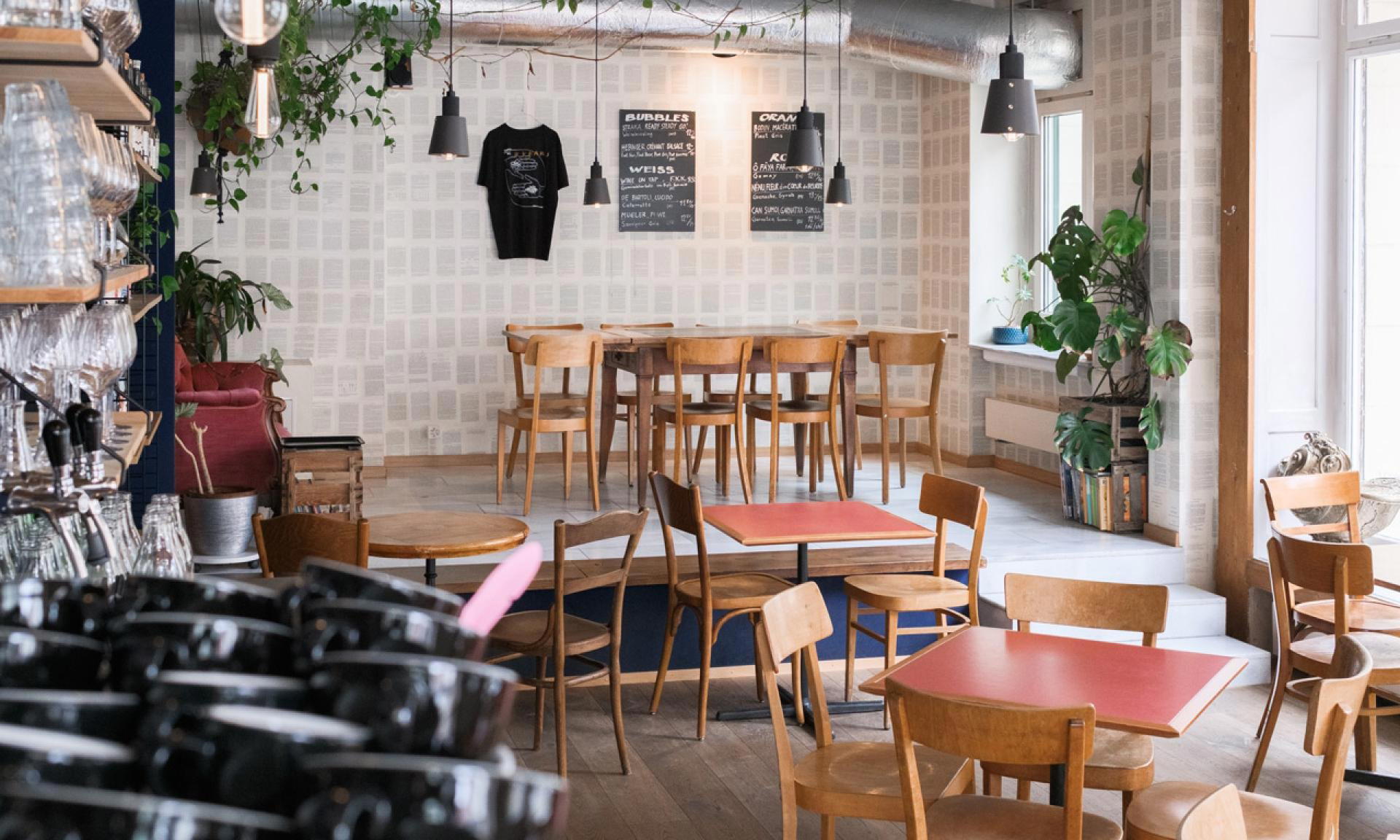
All bars in Zürich →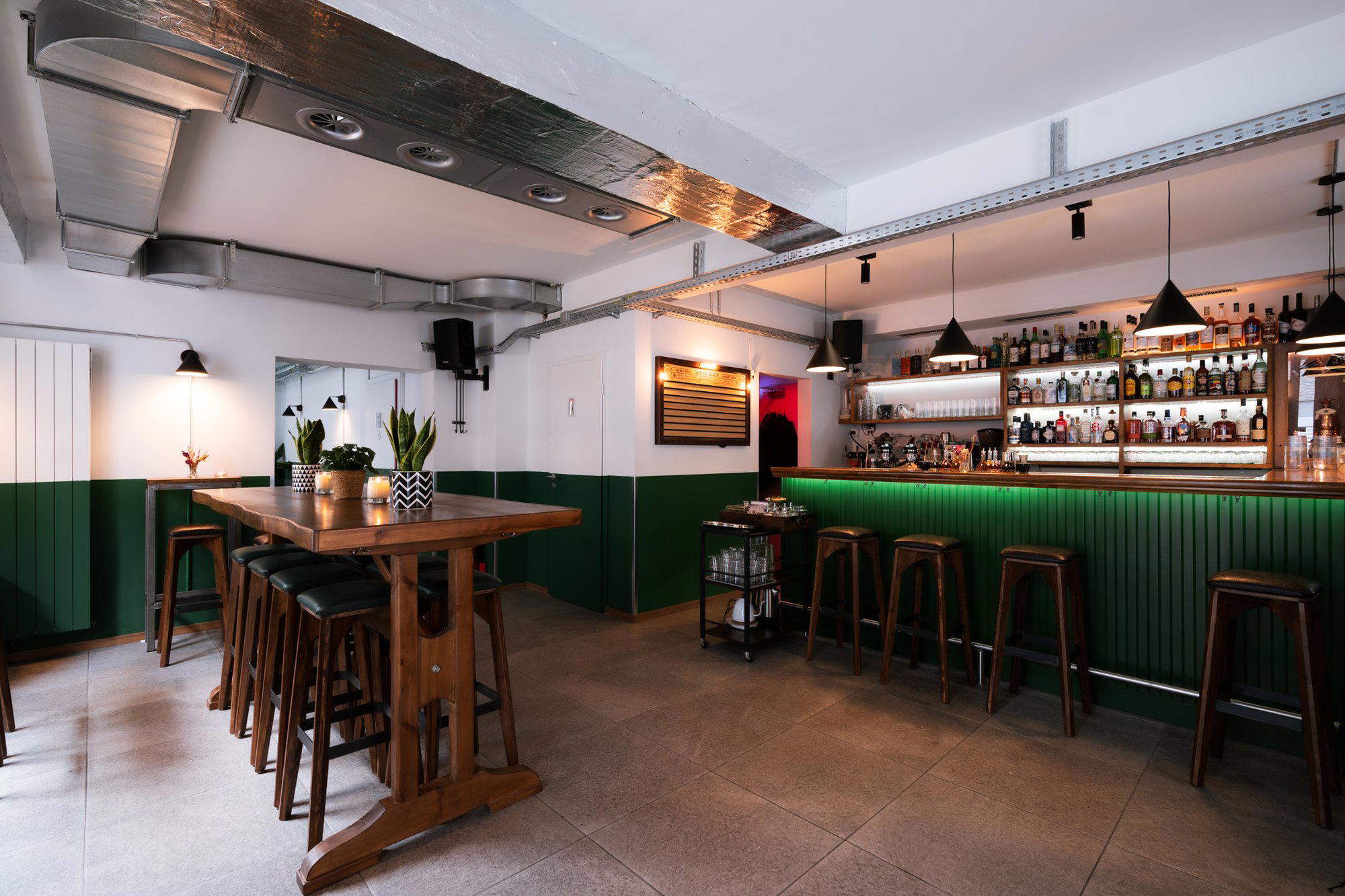
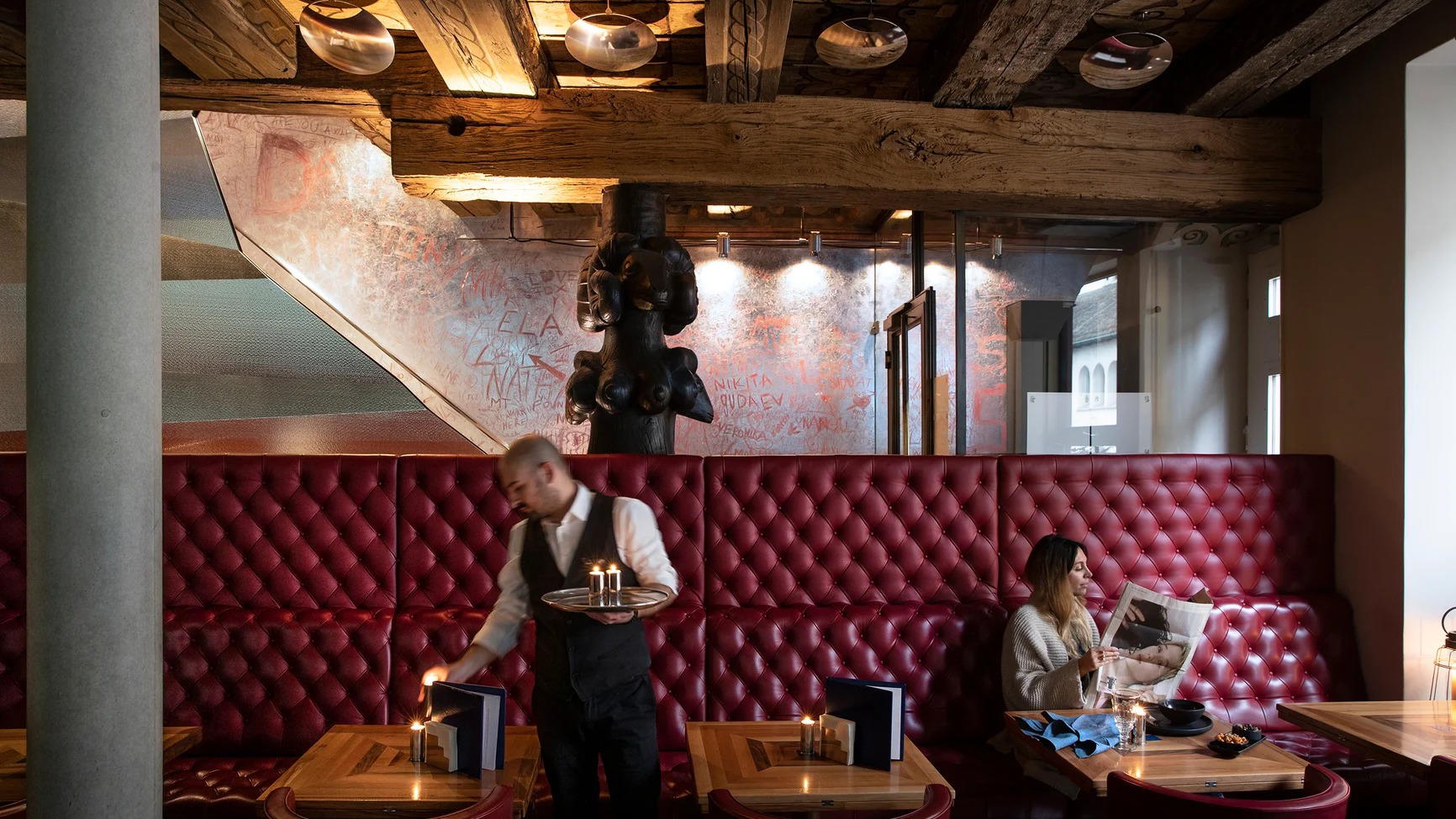

Details
- Cozy
- Modern
- Intimate
- Casual Hangout
- Date Night
- Sake Program
- A La Carte
- Small Plates
- Vegetarian Friendly
- Vegan Options
- Gluten Free Options
Current opening hours
- Monday
- Closed
- Tuesday
- 11:30 AM–1:45 PM, 6–10:30 PM
- Wednesday
- 11:30 AM–1:45 PM, 6–10:30 PM
- Thursday
- 11:30 AM–1:45 PM, 6–10:30 PM
- Friday
- 11:30 AM–1:45 PM, 6–10:30 PM
- Saturday
- 6–10:30 PM
- Sunday
- Closed
Hours can change for holidays and private events. Hours as of .
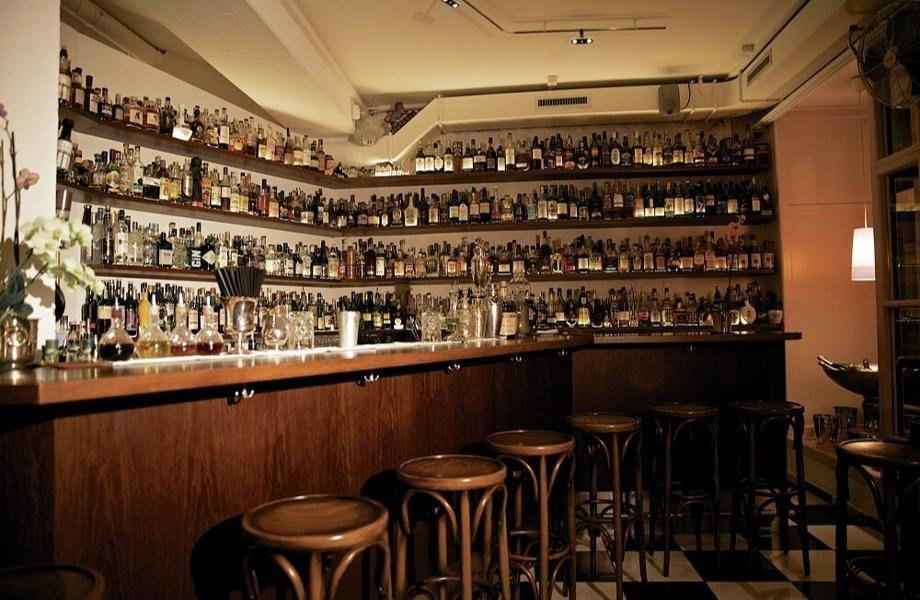
Inviting and cozy with minimalist Japanese aesthetics meeting subtle Swiss design influences.