Saporo serves Modern Belgian Seafood in Jabbeke, with local sourcing, a terrace and open kitchen, and a leisurely pace for lunch or dinner.
Pearl is the En Primeur Club membership app — saves, bookings, and concierge access live there. Same editors, same standards.
- Address
- Aartrijksesteenweg 167, 8490 Jabbeke, Belgium
- Phone
- +3250700881
- Website
- saporo.be
- Directions
- Get directions
 Saves & bookings on Pearl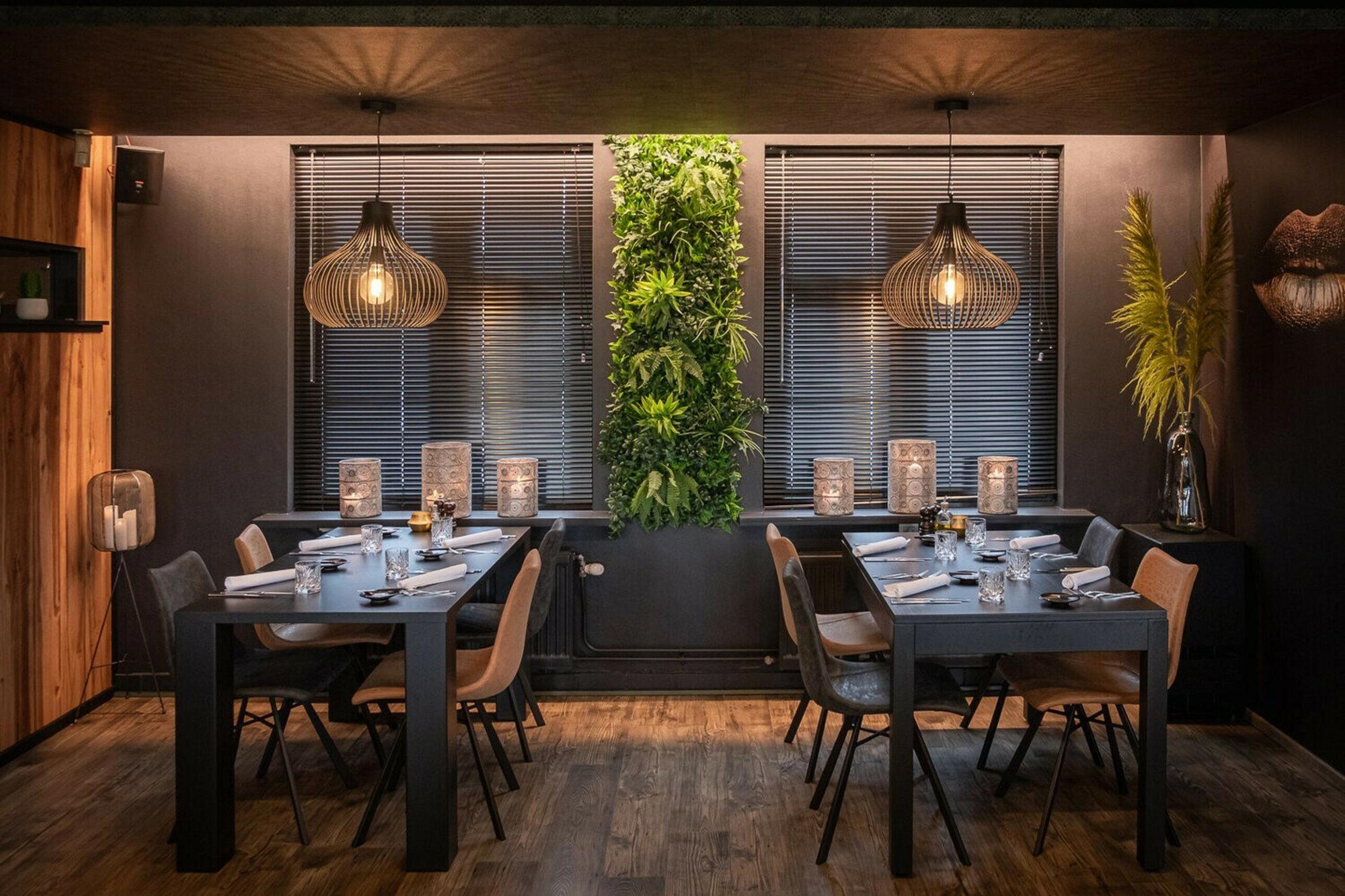
West Flanders, Quiet Roads, and What Lies Between Cities
The road that runs through Jabbeke carries more traffic than the village warrants. Positioned between Bruges and Ostend on the A10 corridor, it occupies an in-between geography that most drivers pass without slowing. That transit character has, over time, shaped a particular kind of dining culture here: restaurants that must earn a deliberate visit rather than benefit from footfall, where the audience is composed not of wandering tourists but of people who made a reservation and drove out specifically. Saporo, on Aartrijksesteenweg in the northern reaches of Jabbeke's commune, sits inside that tradition.
Belgian West Flanders has developed a dining reputation that outpaces its population density. The region running from Ghent toward the coast holds a disproportionate number of serious tables relative to the towns that anchor them. Willem Hiele in Oudenburg, a short drive east, operates at the leading edge of coastal Belgian cuisine. Bartholomeus in Heist has long anchored the seafood conversation on the coast itself. In this regional context, Jabbeke functions as a quieter satellite: fewer marquee names, but a pattern of neighbourhood restaurants serving a local clientele with genuine expectations. Côté Préféré, the creative French table in town, occupies the highest-intent tier locally, operating at the €€€ price point. Saporo represents a different register within the same small dining community.
The Name and Its Cultural Signal
In Belgian restaurant culture, a Japanese-inflected name on a roadside address in a Flemish village is not as incongruous as it might appear. Since the 1990s, Japanese culinary influence has moved steadily into European dining rooms, not always as a wholesale import but often as a sensibility: restraint in plating, precision in sourcing, attention to temperature and texture over sauce volume.
The broader Belgian dining scene has absorbed Japanese technique in a range of formats. At one end, restaurants like Zilte in Antwerp operate at the highest technical level, weaving Nordic and Japanese influence into tasting menus that run to multiple courses. At the other end, neighbourhood-level operators use Japanese reference points more loosely, borrowing from the aesthetic while remaining rooted in local product. Jabbeke's position, inland and agricultural, would typically point toward the latter: a kitchen drawing on West Flemish produce through a lens that may reflect Japanese or Asian influence in presentation and approach.
Jabbeke's Table: A Small Town with Earned Credibility
Jabbeke's restaurant scene is smaller than comparable Flemish towns, but it sustains several distinct dining formats. Ensemble, Fiston, and Mika each represent different entry points into the local dining conversation. Our full Jabbeke restaurants guide maps that range in detail. What defines the better end of this market is not spectacle but reliability: a kitchen that handles its core format well, a room that serves its regular clientele without fuss, and a price proposition that makes the trip feel justified without requiring a tasting-menu budget.
For diners making the decision between a local Jabbeke address and a longer drive toward a destination table, the calculus is well-established in Flanders. Boury in Roeselare is forty minutes southeast and operates at a Michelin-starred level. Hof van Cleve in Kruishoutem sits in the upper tier of Belgian fine dining entirely. The case for staying local rests on a different proposition: a meal that fits the evening rather than dominating it, closer to home, without the ceremony of a destination booking.
Belgian Dining Culture: Context Over Credential
Belgium runs on a dining culture that values the weekly table as much as the special occasion. The country has one of the highest concentrations of Michelin-starred restaurants per capita in Europe, but the more relevant statistic for most Belgian diners is the reliability of their local bistro. That culture produces a market for restaurants like Saporo: address-level familiarity, a kitchen that knows its regulars, and a room that earns its return visits through consistency rather than media coverage.
The comparison to larger cities is instructive. Bozar Restaurant in Brussels operates inside an established cultural institution with a different kind of visibility. La Durée in Izegem and De Jonkman in Sint-Kruis demonstrate how West Flemish towns sustain serious tables outside the major urban centres. Internationally, the gap between neighbourhood restaurant and destination table is illustrated by the contrast with addresses like Le Bernardin in New York City or Atomix in New York City, where the booking window, the price, and the critical attention operate on a fundamentally different scale. Saporo exists at neither extreme, which for a significant portion of Jabbeke's dining public is precisely the point.
Elsewhere in the Belgian south, d'Eugénie à Emilie in Baudour and L'air du temps in Liernu show how Walloon kitchens stake their own claims in the national conversation. Castor in Beveren represents the Antwerp-adjacent provincial format. Each operates within a regional tradition that differs from the West Flemish pattern, underlining that Belgium's restaurant culture is less a unified national scene than a collection of distinct provincial dining economies.
Planning a Visit to Saporo
Saporo is located at Aartrijksesteenweg 167 in Jabbeke, accessible by car from both the Bruges and Ostend directions along the A10. As a neighbourhood address in a small Flemish town rather than a high-volume destination, a phone call ahead or checking locally for current hours is advisable before making the trip. No confirmed booking method, price range, or opening hours are available through EP Club's current data record, so verifying directly with the restaurant before visiting is the practical course. Given the modest scale of Jabbeke's dining scene, advance contact serves both confirmation and reservation purposes.
How Saporo Jabbeke compares with similar nearby venues.
| Venue | Cuisine | Price |
|---|---|---|
| Côté Préféré | Creative French | €€€ |
| Bar Bulot | Flemish | Not listed |
| Bar Bulot Zedelgem | Classic Cuisine | €€€ |
Continue exploring
More in Jabbeke
Restaurants in Jabbeke
Browse all →
Bars in Jabbeke
Browse all →
Hotels in Jabbeke
Browse all →
Wineries in Jabbeke
Browse all →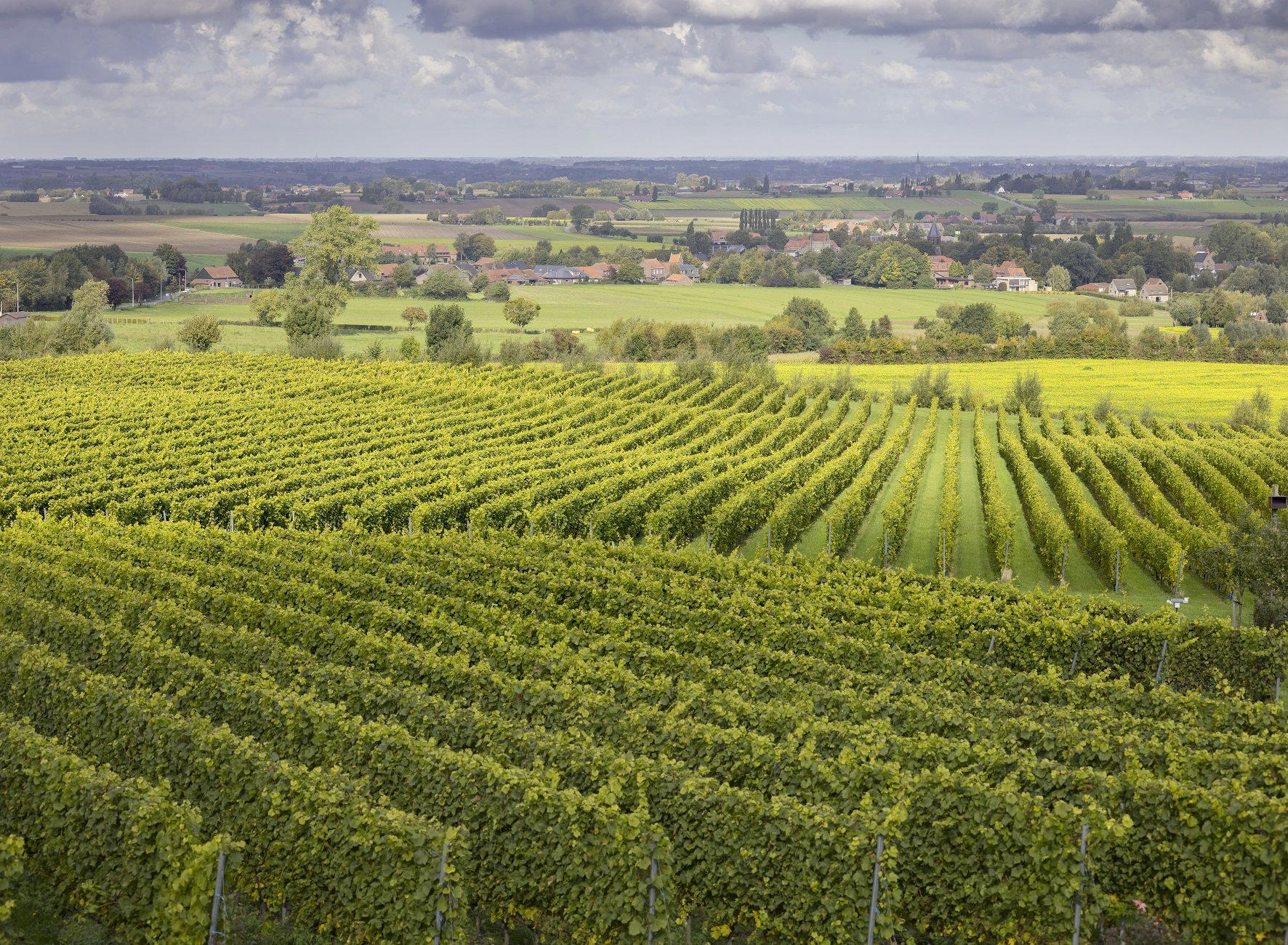
At a Glance
- Elegant
- Intimate
- Cozy
- Sophisticated
- Date Night
- Special Occasion
- Business Dinner
- Celebration
- Open Kitchen
- Standalone
- Terrace
- Local Sourcing
- Farm To Table
Current opening hours
- Monday
- 12–2 PM, 6–9 PM
- Tuesday
- Closed
- Wednesday
- Closed
- Thursday
- 12–2 PM, 6–9 PM
- Friday
- 12–2 PM, 6–9 PM
- Saturday
- 6–9 PM
- Sunday
- 12–2 PM, 6–9 PM
Hours can change for holidays and private events. Last verified .
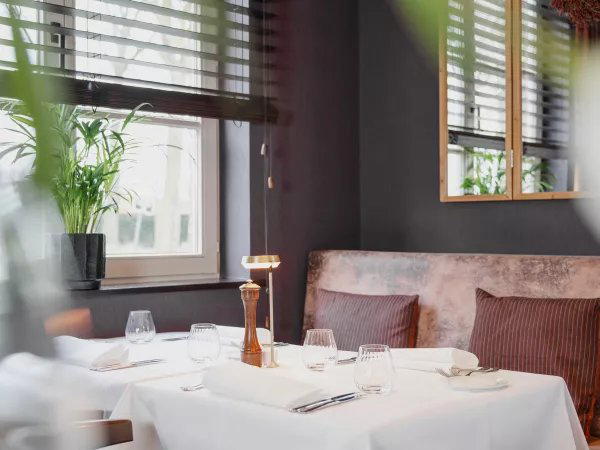
Warm and welcoming with tasteful décor creating a relaxed yet refined atmosphere; intimate setting with attentive service from owner Annelies De Vos and chef Stefan.
Know Before You Go
- Getting there
- Aartrijksesteenweg 167, 8490 Jabbeke, Belgium