Mięsny occupies a residential address in Warsaw's Saska Kępa district, operating in the tradition of meat-focused neighbourhood restaurants that Warsaw has quietly cultivated alongside its fine-dining boom. The name translates simply as 'The Butcher's,' signalling a focus on produce over performance. For a celebration meal that trades ceremony for substance, it sits in a distinct tier from the city's tasting-menu circuit.
Pearl is the En Primeur Club membership app — saves, bookings, and concierge access live there. Same editors, same standards.
- Address
- Walecznych 64, 03-926 Warszawa, Poland
- Phone
- +48578265777
- Website
- instagram.com
- Directions
- Get directions
 Saves & bookings on Pearl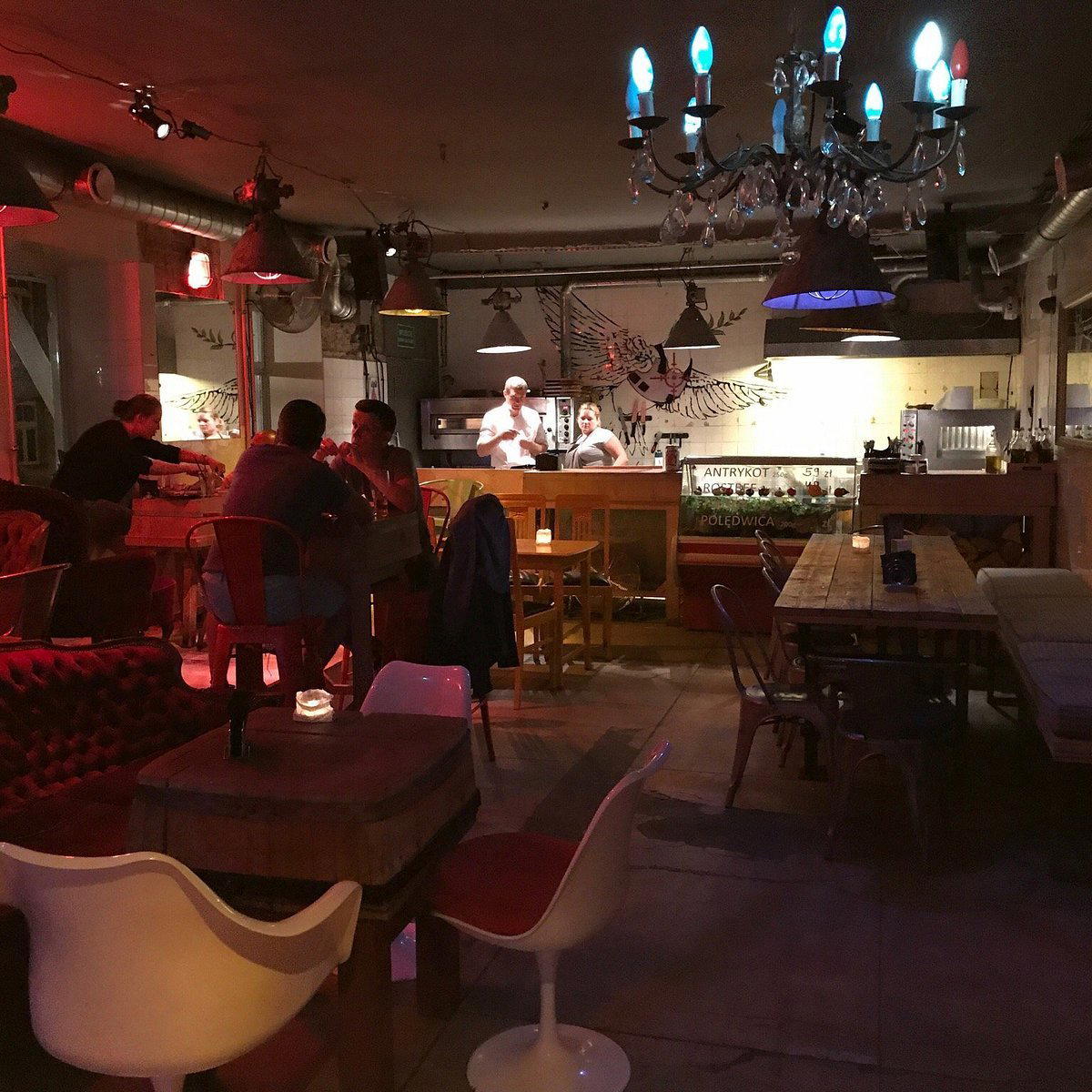
Where Warsaw Eats to Mark an Occasion
The restaurants Poles choose for milestone meals tend to divide along a clear line. On one side sit the tasting-menu rooms, Warsaw's growing cohort of ambitious, multi-course operations like NUTA and hub.praga, where the kitchen's progression is as much the subject as the food. On the other side sit a smaller number of produce-led neighbourhood restaurants where the occasion is yours, not the chef's. Mięsny, at Walecznych 64 in Saska Kępa, belongs to the second category. The name translates as 'The Butcher's,' and that directness carries through everything the address represents in Warsaw's current dining scene. Mięsny is a Polish Steakhouse Bistro in Warsaw, at Walecznych 64,229 reviews.
Saska Kępa itself is relevant context. The district sits east of the Vistula, developed between the wars as a leafy residential quarter for Warsaw's professional classes, and its streets retain a density of pre-war modernist architecture that sets it apart from the rebuilt city centre. Restaurants here serve a local community that also attracts visitors willing to cross the river for something less performative than the Śródmieście dining strip. It is the kind of neighbourhood where a dinner reservation carries the weight of an event without requiring a dress code to prove it.
The Case for Meat-Focused Occasion Dining
Warsaw's serious meat restaurants occupy a specific position in the city's dining hierarchy. At the lower end of the price range, operations like Baken and Butchery & Wine (€€, bistro format) serve grilled and aged cuts to a broader audience. At the upper end, places like Rozbrat 20 (€€€, Modern European) fold meat into wider seasonal menus. Mięsny's address and name suggest it occupies a space that treats the product, the animal, the cut, the sourcing, as sufficient subject matter without requiring elaborate culinary framing to justify a celebratory price point.
That positioning matters when you're choosing a restaurant for a significant dinner. A tasting menu demands a kind of submission to the kitchen's sequence and timing. A produce-led meat restaurant, by contrast, gives the table agency: you are choosing, you are composing, the meal belongs to the people sitting at it. For a birthday dinner, an anniversary, or a business meal where the conversation is the main event, that structure often serves better than twelve courses decided elsewhere.
The broader Polish tradition here is worth noting. Meat has deep roots in Polish festive cooking, the Christmas Eve abstention makes the return to roasted and braised cuts on the 25th an occasion in itself, and the bigos tradition of slow-cooked hunter's stew speaks to a cuisine that has always understood meat as ceremony. A modern Warsaw restaurant drawing on that tradition, stripped of nostalgia but retaining the ingredient focus, fits a real gap in what the city offers for formal but unstuffy celebration meals.
Saska Kępa in the Warsaw Dining Map
To understand where Mięsny sits geographically, it helps to think about how Warsaw's restaurant geography has shifted over the past decade. The city's dining scene built itself first in Śródmieście and Powiśle, then pushed into Praga on the right bank of the Vistula as that district's industrial spaces converted to food and culture use. Saska Kępa, also on the right bank but south of central Praga, is more residential and less written about, which means restaurants that succeed there do so on the strength of what they offer rather than on neighbourhood buzz.
Walecznych Street itself sits within the quiet grid of Saska Kępa's residential core. Getting there from central Warsaw means crossing the Vistula, most conveniently by tram or taxi, which gives the dinner a slight sense of departure from the city's usual circuits. That separation, minor as it is physically, contributes to the feeling that you've chosen somewhere, rather than defaulted to it.
For visitors building a wider picture of Polish dining, the country's serious restaurants now stretch well beyond Warsaw: Bottiglieria 1881 in Kraków holds Michelin recognition, Arco by Paco Pérez in Gdańsk represents a different tradition, and regional addresses like Muga in Poznań and Kwestia Czasu in Białystok show how Poland's dining ambition has spread beyond its two main cities. Warsaw remains the centre of gravity, but the city's neighbourhood restaurants now form a second tier of serious eating that sits beneath the headline rooms.
Booking and Planning Your Visit
For a Warsaw celebration dinner, the general rule across the city's better neighbourhood restaurants is that weekend tables book out several weeks in advance, particularly for larger groups. Midweek evenings at meat-focused addresses tend to be more accessible, and the quieter room often serves a significant dinner better anyway.
Walecznych 64 is the confirmed address. Saska Kępa is well served by public transport from central Warsaw, with tram connections running across the Poniatowski Bridge. Those preferring to arrive by taxi or rideshare will find the cross-river journey from Śródmieście takes under fifteen minutes outside peak traffic hours.
For comparison, the broader Warsaw dining scene at the €€€ tier, where Rozbrat 20 and hub.praga both operate, typically runs to 200 to 350 PLN per person before wine for a full evening. Meat-focused restaurants at the middle price point in Warsaw, comparable to Butchery & Wine's €€ positioning, tend to come in at 120 to 200 PLN for a main and sides. Where Mięsny sits within that range is something to confirm directly, but the address and format signal a restaurant that treats its produce seriously enough to price accordingly.
For a fuller view of what Warsaw's dining scene currently offers across neighbourhoods and price tiers, Those planning a broader Poland trip will also find relevant recommendations through our coverage of Górnik in Krakow, Giewont in Kościelisko, and Cudne Manowce in Olsztyn. For those tracking Warsaw's wine-forward dinner options alongside meat-focused addresses, alewino (Modern Polish, €€) offers a useful point of comparison in terms of approach and price positioning.
Pricing, Compared
Comparable venues nearby, for context on price, style, and recognition.
| Venue | Cuisine | Price | Notes |
|---|---|---|---|
| MięsnyThis venue — the venue you are viewing | Saska Kepa, Polish Steakhouse Bistro | $$$ | Not listed |
| Hoża | Ujazdow, Argentine Steakhouse | $$$ | Not listed |
| Prime Cut | Not listed | $$$$ | Osiedle Za Zelazna Brama, Modern Steakhouse |
| Szóstka | Srodmiescie, Modern Seafood Fusion | $$$ | Not listed |
| U Fukiera | Not listed | $$$ | Stare Miasto, Traditional Polish Fine Dining |
| Mokotowska 69 | Not listed | $$$ | Ujazdow, Modern Polish Steakhouse & Wine Bar |

At a Glance
- Cozy
- Intimate
- Date Night
- Group Dining
- Open Kitchen
- Local Sourcing
Current opening hours
- Monday
- 12–8 PM
- Tuesday
- 12–10 PM
- Wednesday
- 12–10 PM
- Thursday
- 12–10 PM
- Friday
- 12–10 PM
- Saturday
- 12–10 PM
- Sunday
- 12–8 PM
Hours can change for holidays and private events. Last verified .
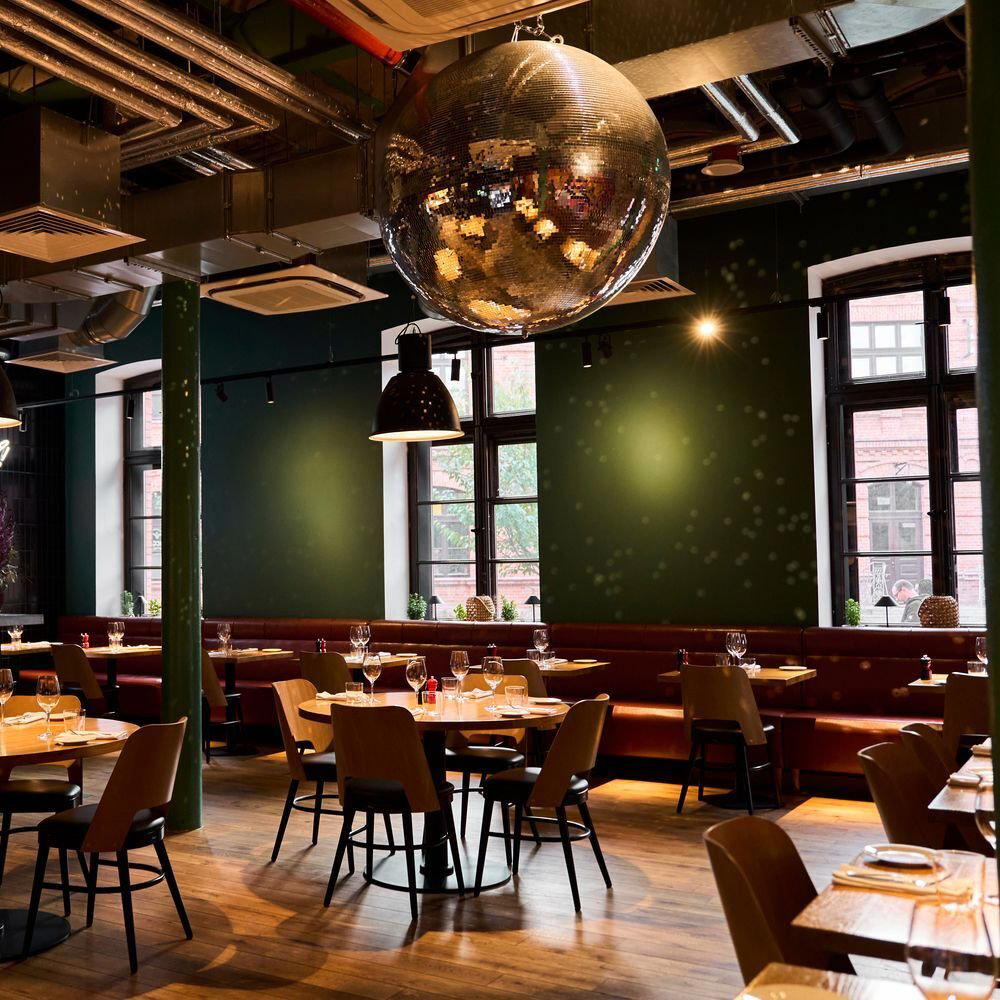
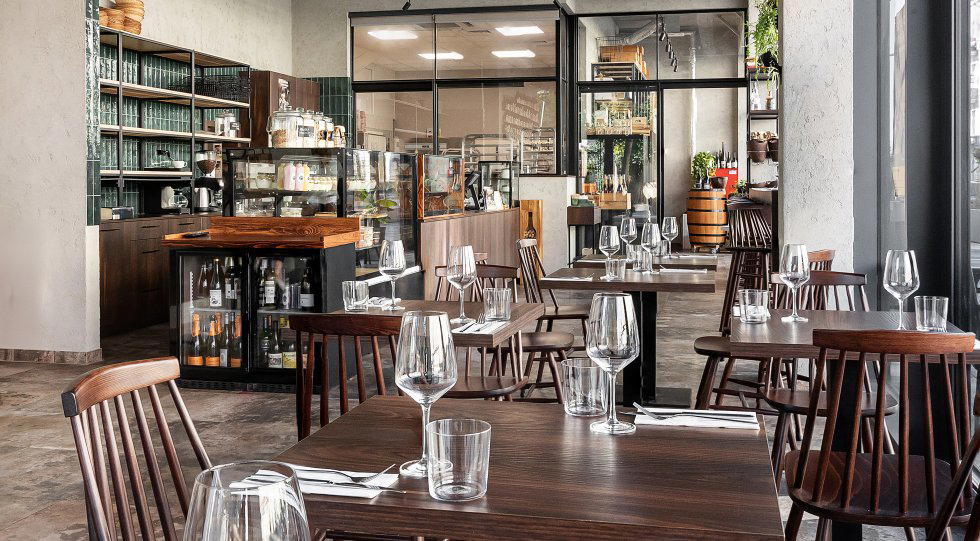
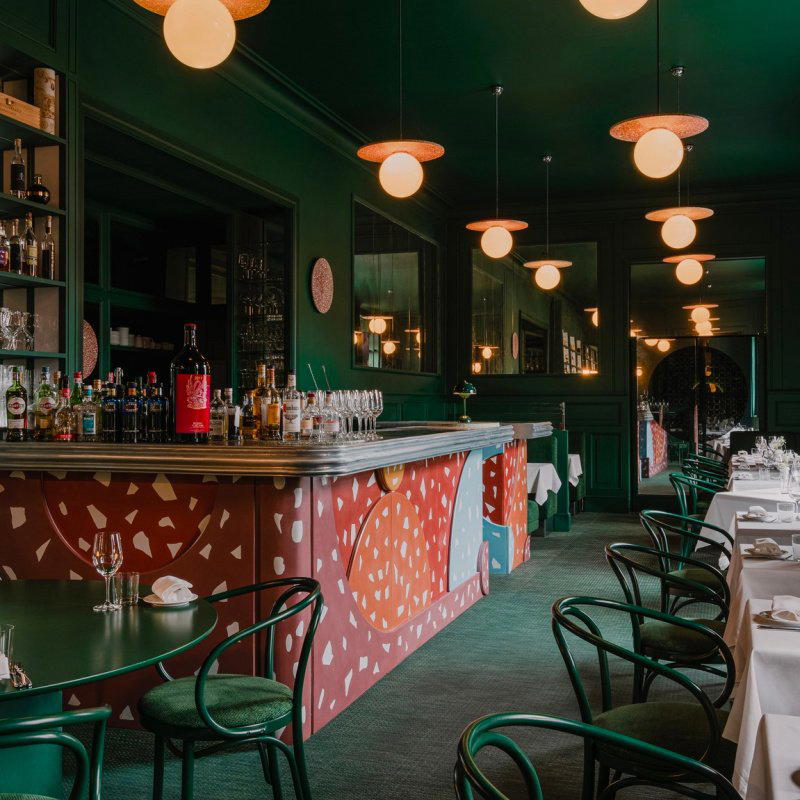
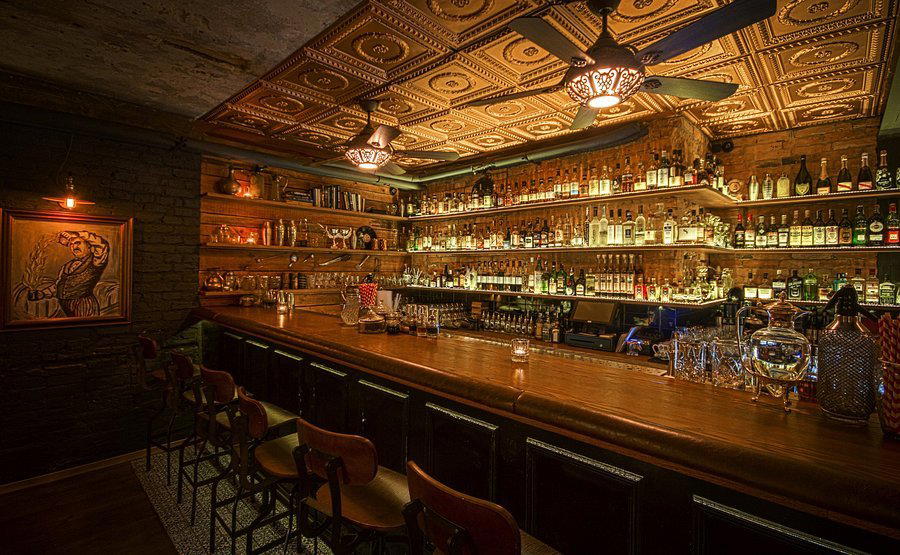
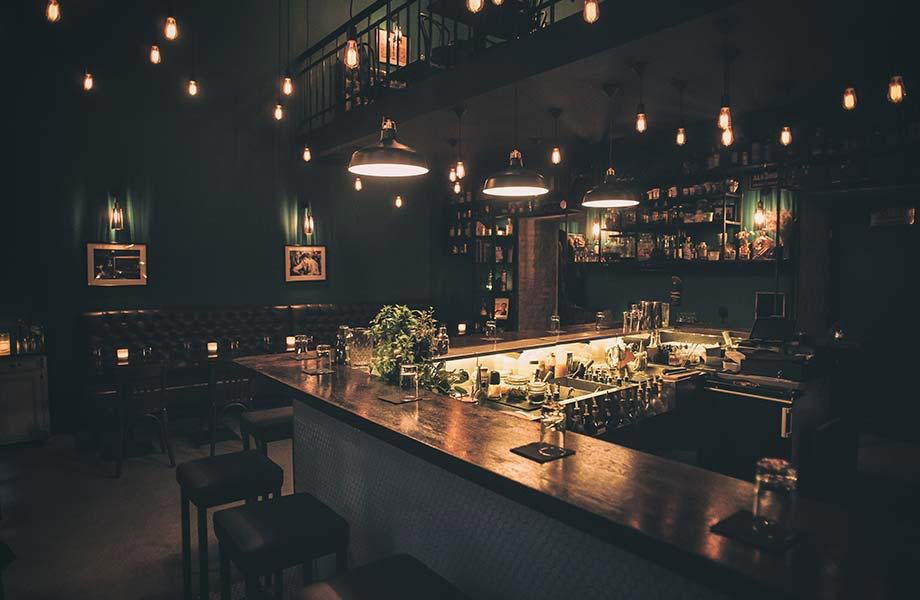
Cozy and charming atmosphere in a quiet district with a casual bistro feel focused on quality meat.