San Francisco Wine Society


Wine Spectator Best of Award of Excellence
Our verdict
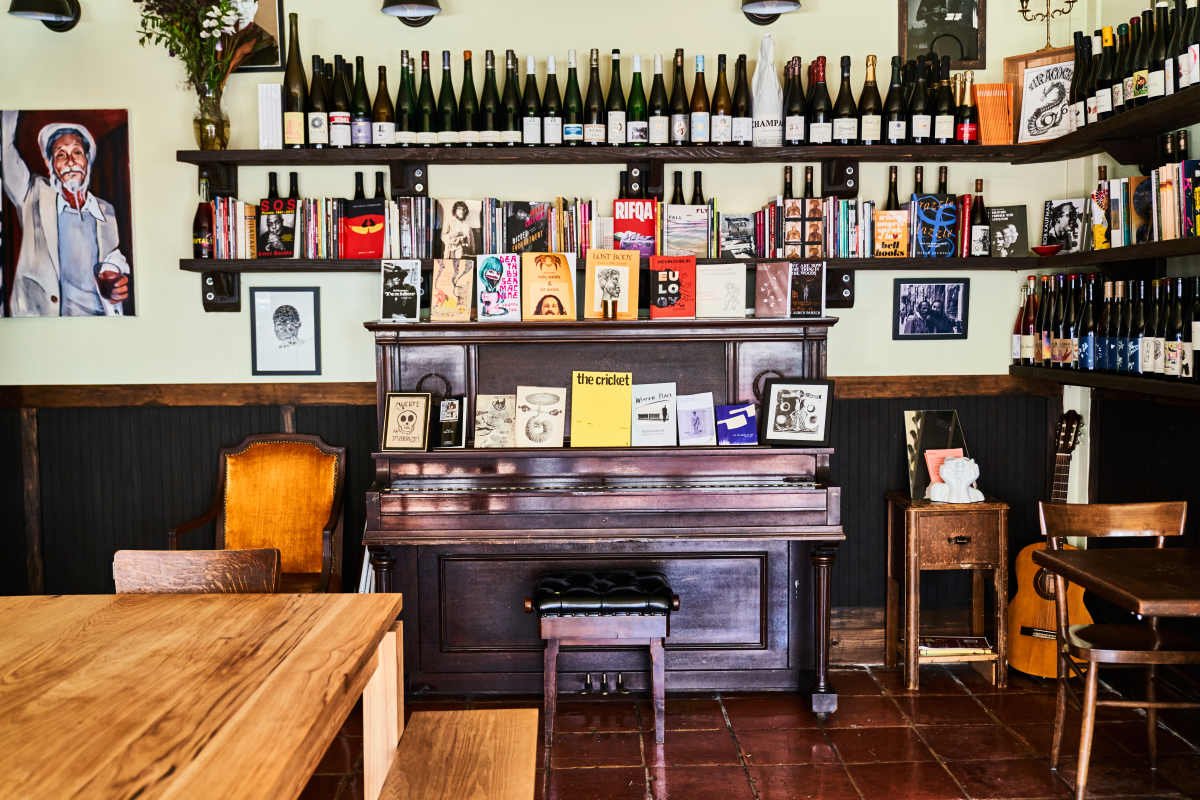
At 408 Merchant Street in San Francisco's Financial District, the Wine Society operates on a deliberately spare philosophy: no TVs, no WiFi, no distractions. The room is built around the glass in your hand and the conversation around the table. Holding a 3-Star Accreditation from the World of Fine Wine, it draws from both classic regions and less-charted appellations, framed through an approach that prizes presence over performance.

Pearl is the En Primeur Club membership app, where members save venues, book tables and use the concierge.
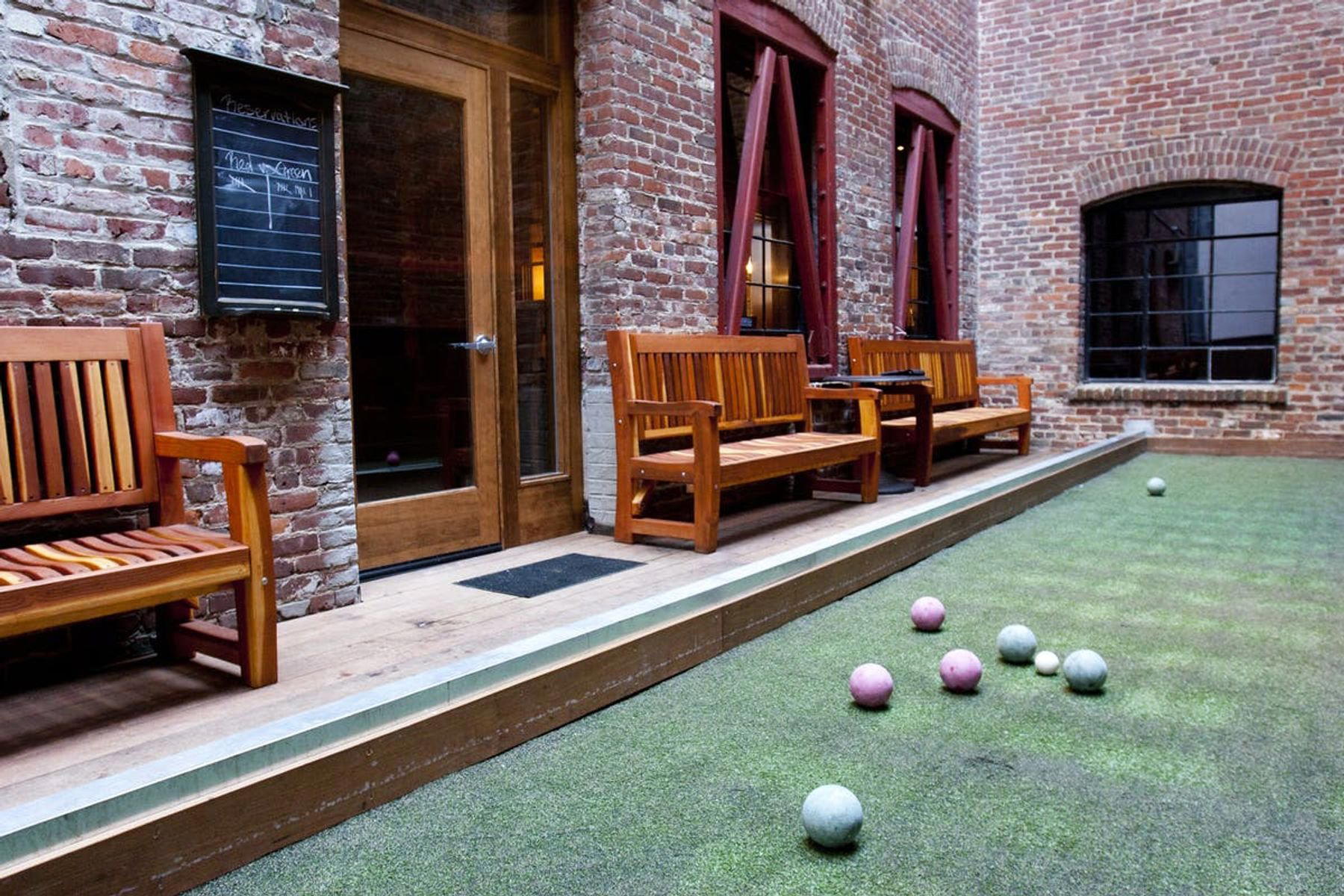
A Room Built for the Wine, Not the Noise
San Francisco's wine bar scene has fractured into recognizable camps over the past decade. One end runs toward high-volume, tech-friendly formats with long natural wine lists and QR-code menus designed for rapid table turns. The other pulls in the opposite direction: smaller rooms, wine lists, and a deliberate resistance to distraction as a design principle. San Francisco Wine Society at 408 Merchant Street in the Financial District sits firmly in the second camp. The absence of televisions and WiFi is not an oversight, it is the editorial position of the space.
That position matters more than it might initially appear. In a city where most hospitality venues treat connectivity as a baseline amenity, choosing to remove it signals something about what the room is actually for. The focus lands on the wine in the glass and whoever is sitting across from you. This kind of restraint is harder to execute than it sounds, and it places the Wine Society in a niche peer group that prioritizes atmosphere depth over throughput.
Classic Regions, Global Range
The list at San Francisco Wine Society is organized around a clear philosophy: classic wines from classic regions form the backbone, while less-expected appellations from across the world provide the exploratory range. This dual structure reflects a broader shift in how serious wine bars have been building their programs in recent years. The era of purely natural-wine-focused lists or exclusively Old World-only programs has given way to something more considered, a curatorial approach that uses canonical references as anchors while leaving room for discovery.
For the drinker who already knows Burgundy and Barolo, that balance matters. The canonical selections offer confirmation and depth; the global range offers genuine surprise. What distinguishes this approach from a generic "something for everyone" model is the editorial intentionality behind the curation. The name "Wine Society" was chosen to signal unpretentiousness, a deliberate push against the gatekeeping instincts that have historically made wine culture alienating to anyone outside its inner circles. The result is a room where someone ordering a well-known appellation and someone asking for guidance into less-charted territory are equally at home.
Comparable programs can be found at the high end of the San Francisco dining scene, where wine lists are often as considered as the food that accompanies them. Saison, the progressive Californian kitchen with an open-fire format, has long maintained one of the city's most serious cellar programs. Quince and Benu approach wine as integral to a multi-course conversation rather than an afterthought. But those are restaurant contexts, where the list exists in service of the kitchen. A dedicated wine bar operates differently: the wine is the destination, not the accompaniment.
The Ethics of Restraint: A Sustainable Approach to Wine Culture
The sustainability argument in wine is rarely direct. It runs from vineyard-level decisions, organic farming, biodynamic certification, water management in drought-stressed growing regions like California, through to what happens at the point of service. A wine bar that prioritizes depth of selection over volume, that curates rather than accumulates, operates with a lighter footprint in ways that are easy to overlook.
Ethical sourcing in wine increasingly means paying attention to the full chain: how the grapes were grown, how the winery treats its workers and its land, and whether the distribution choices support smaller producers who farm with more care and less industrial intervention. Lists that include wines from "every corner of the globe" carry a particular responsibility here. Including producers from less-prominent regions only makes sense as a sustainable curatorial act if those producers are chosen for what they represent, not simply for novelty or geographic diversity as a marketing point.
California's own wine country, extending north from San Francisco through Napa and Sonoma, has been grappling with sustainability pressures for years. Drought cycles have forced serious conversations about irrigation and water rights. Wildfire smoke has altered growing seasons and introduced new variables in winemaking. The conversation around what it means to farm responsibly in California is more urgent now than at any point in the modern era of the state's wine industry. A San Francisco wine bar that takes its curation seriously is, at least implicitly, participating in that conversation every time it selects what goes on the list.
The no-WiFi, no-TV format connects to this in a less obvious way. A room designed to be distraction-free asks its guests to slow down and pay attention. Paying attention to wine, to where it comes from, who made it, what the growing season looked like, is one of the more direct routes into understanding why sustainability in viticulture matters. That connection between presence and provenance is not incidental.
Financial District Position and the Wine Bar Moment
Merchant Street in the Financial District places the Wine Society in a neighborhood whose hospitality character has long been defined by expense-account dining and after-work volume. The area supports strong lunch trade and early evening business, with foot traffic that tends toward the purposeful rather than the exploratory. A small, intimate wine bar operating on a philosophy of presence and restraint is not an obvious fit for that context, which is partly what makes it interesting.
For context on the broader San Francisco dining and drinking scene, our full San Francisco bars guide, restaurants guide, and wineries guide offer wider coverage across price tiers and neighborhoods. The city's restaurant tier at the very leading, represented by places like Lazy Bear and Atelier Crenn, operates at price points and formality levels considerably removed from what a neighborhood wine bar offers. The Wine Society functions in a different register, more accessible in format, built for repeated visits rather than occasion dining.
Internationally, the dedicated wine bar format has found its most refined expressions in London, Paris, and parts of New York and Chicago. The model at its finest, whether you encounter it in those cities or at a venue like this one, depends on the quality of the selection and the seriousness of the curation rather than square footage or kitchen ambition. For reference, the wine programs at destination restaurants like Le Bernardin in New York or The French Laundry in Napa represent one extreme of how seriously American fine dining treats the glass. A format like the Wine Society approaches the same question from a different angle: what happens when the wine is the entire point, not the supporting act.
Further afield, the conversation around wine curation at high-end restaurant level, from Alinea in Chicago to Alain Ducasse at Louis XV in Monte Carlo, reflects how seriously the global dining world has come to treat the wine list as editorial statement. 8½ Otto e Mezzo Bombana in Hong Kong and Single Thread Farm in Healdsburg each treat the list as inseparable from the room's identity. That same conviction, applied to a standalone wine bar format, is what the Wine Society is working toward on Merchant Street.
Planning Your Visit
San Francisco Wine Society is located at 408 Merchant Street, San Francisco, CA 94111, in the Financial District. The venue can be reached by phone at (415) 674-3567. Given the intimate format and deliberate atmosphere, no WiFi, no televisions, a room designed around conversation and the glass, it is worth calling ahead to confirm current hours and availability, particularly for weekday evenings when Financial District foot traffic peaks. Dress expectations align with the unpretentious philosophy of the space: come as someone who wants to engage with what is in front of them, and the room will meet you there. Our San Francisco experiences guide and hotels guide are useful companions if you are building a broader itinerary around a visit. For restaurant recommendations that pair well with a wine-focused evening, see coverage of Emeril's and Providence in our broader US coverage for a sense of how wine-forward dining rooms operate at the top of the market.
Frequently asked questions
What's San Francisco Wine Society's location?
San Francisco Wine Society is located at 408 Merchant St, San Francisco, CA 94111, San Francisco.
Is San Francisco Wine Society award-winning?
San Francisco Wine Society has received recognition including: At San Francisco Wine Society we celebrate classic wines from classic regions and enjoy introducing our guests to intriguing wines from every corner of the globe. The name “Wine Society,” comes from a desire to have an unpretentious approac….
What's the best thing to order at San Francisco Wine Society?
The list is built around classic regions, Burgundy, Bordeaux, Barolo and established peers, with less-charted global appellations alongside. The approach is deliberate rather than encyclopedic, so asking staff for guidance on a regional detour tends to be the move. The venue holds a 3-Star Accreditation from the World of Fine Wine awards program, which points to a list curated with some rigor.
Do they take walk-ins at San Francisco Wine Society?
The room is intentionally intimate, which means capacity is limited and Financial District foot traffic can fill seats quickly, particularly after work hours. Calling ahead on (415) 674-3567 is the practical approach. Walk-ins may find space earlier in the evening or mid-week.
What's the signature at San Francisco Wine Society?
The format itself: 408 Merchant Street has no TVs and no WiFi, a deliberate design choice that removes the usual competition for attention. The stated philosophy is that wine is about presence and memory-making, so the room is kept free of the distractions common to most urban wine bars. That restraint is the concept.
Accolades, Compared
A small set of peers for context, based on recorded venue fields.
| Venue | Cuisine | Price | Awards | Notes |
|---|---|---|---|---|
| San Francisco Wine SocietyThis venue (the venue you are viewing) | Wine Bar | Not listed | Wine Spectator Best of Award of Excellence | Not listed |
| Lazy Bear | Modern American Tasting Menu | Not listed | 2 Michelin Stars · World's 50 Best #25 | Progressive American, Contemporary |
| Atelier Crenn | Contemporary French Fine Dining | $300–500 | 3 Michelin Stars · World's 50 Best #44 | Modern French, Contemporary |
| Benu | Modern Asian Fusion Fine Dining | $150–200 | 3 Michelin Stars · World's 50 Best #33 | French - Chinese, Asian |
| Quince | Modern French Fine Dining | $300–500 | 3 Michelin Stars · World's 50 Best #48 | Italian, Contemporary |
| Saison | Modern French-Italian | Not listed | Michelin Plate | Progressive American, Californian |
Recognition history
Dated appearances from independent guides and award organizations, with the underlying list record or original source where available.
Wine Spectator Best of Award of Excellence
Wine Spectator
World's Best Wine Lists Awards WBWL Category Winner
World's Best Wine Lists Awards
Full recognition history (3 entries)
World's Best Wine Lists Awards WBWL 3-Star
World's Best Wine Lists Awards
Continue exploring
More in San Francisco
Restaurants in San Francisco
All restaurants in San Francisco →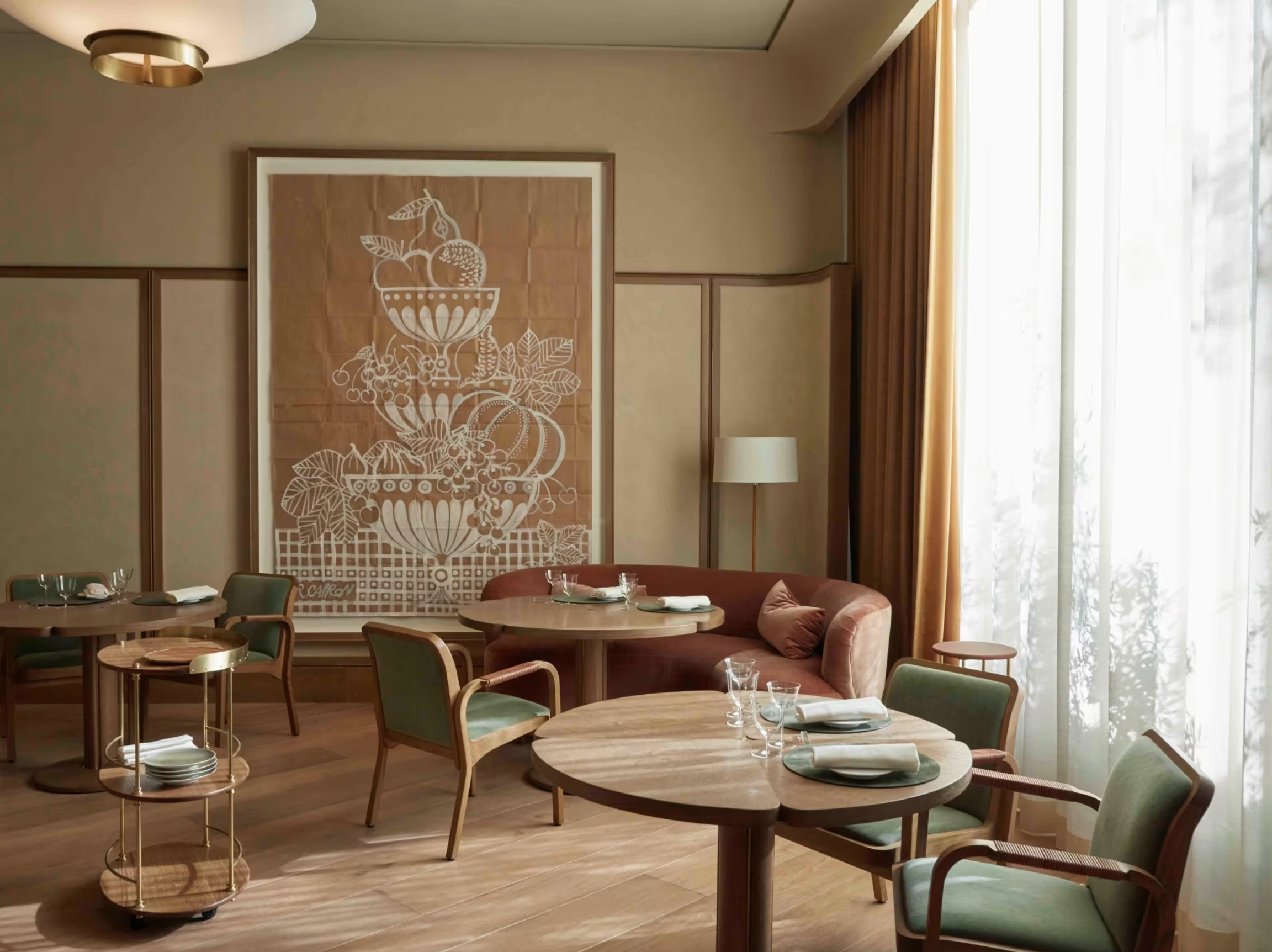
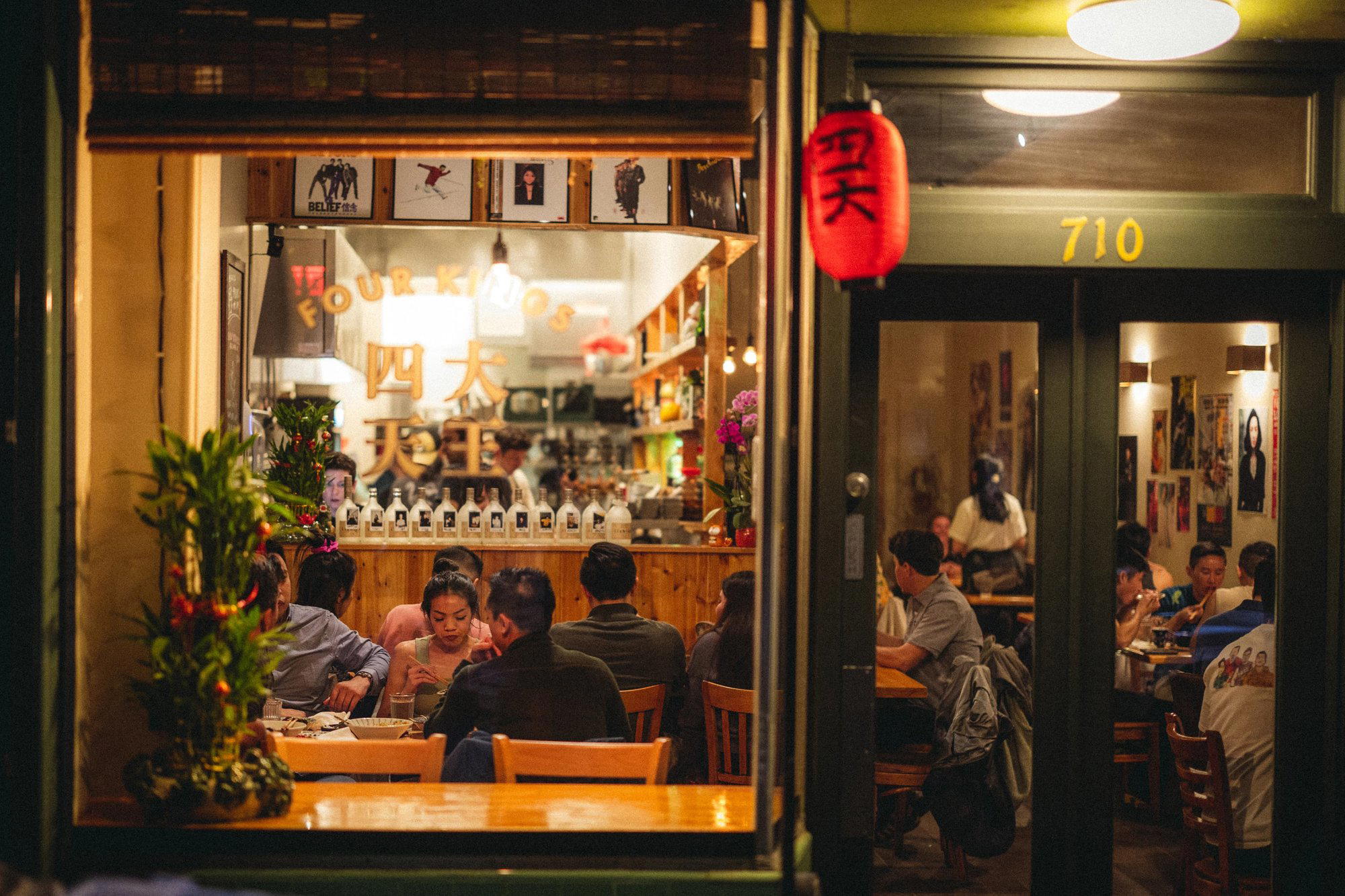
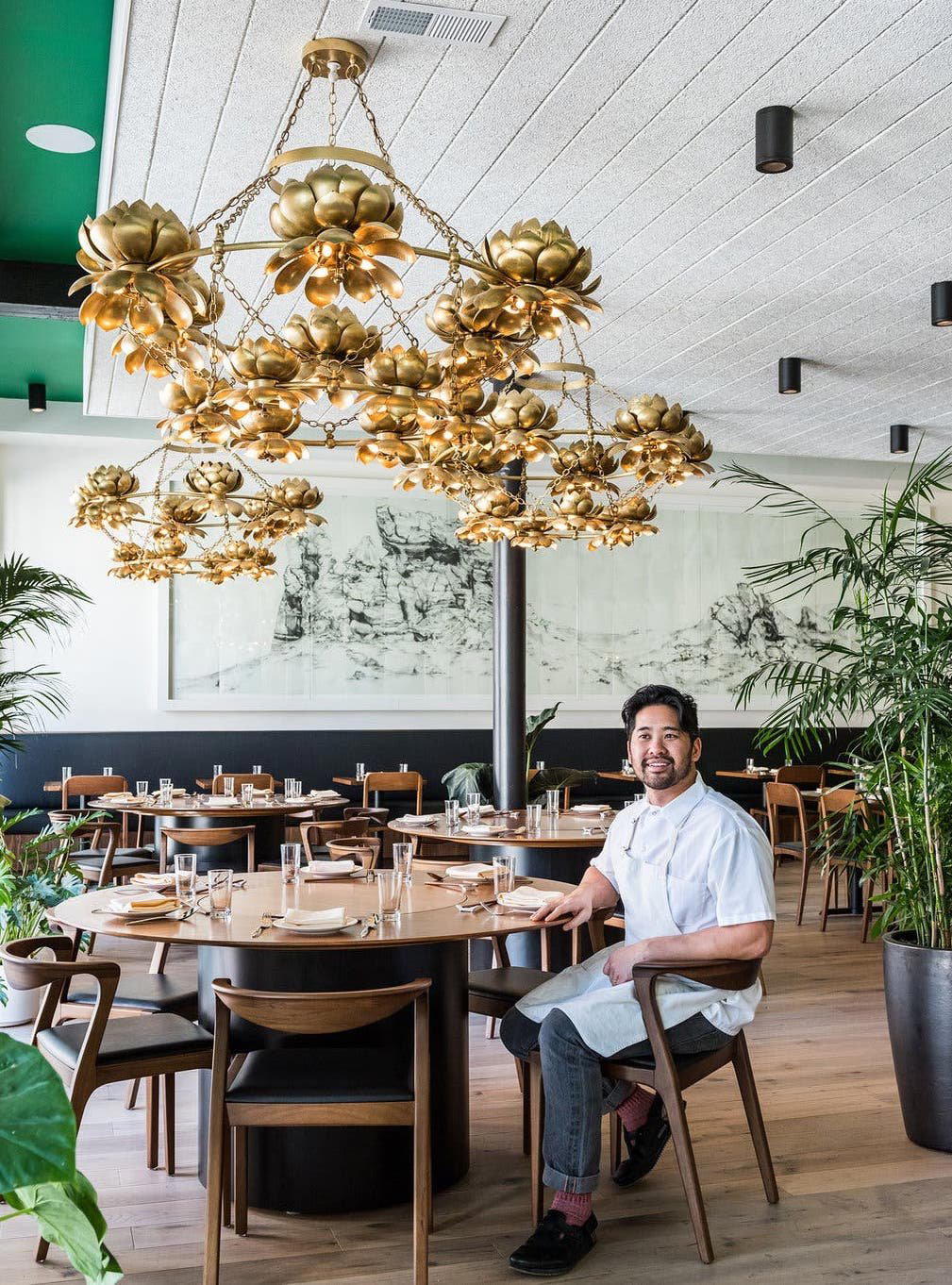
Bars in San Francisco
All bars in San Francisco →
San Francisco Wine Society
The wine
San Francisco Wine Society holds the Wine Spectator Best of Award of Excellence, which Wine Spectator gives to lists of usually 350 or more selections.
- Wine program
- Deep wine list
- Wine Spectator
- Wine Spectator Best of Award of Excellence
- Extensive wine list
- Sommelier-led
Details
- Intimate
- Elegant
- Cozy
- Sophisticated
- Date Night
- Special Occasion
- Wine Cellar
- Private Dining
- Extensive Wine List
- Sommelier Led
Current opening hours
- Monday
- 4–9 PM
- Tuesday
- 4–10 PM
- Wednesday
- 4–10 PM
- Thursday
- 4–10 PM
- Friday
- 4–10 PM
- Saturday
- 4–10 PM
- Sunday
- Closed
Hours can change for holidays and private events. Hours as of .
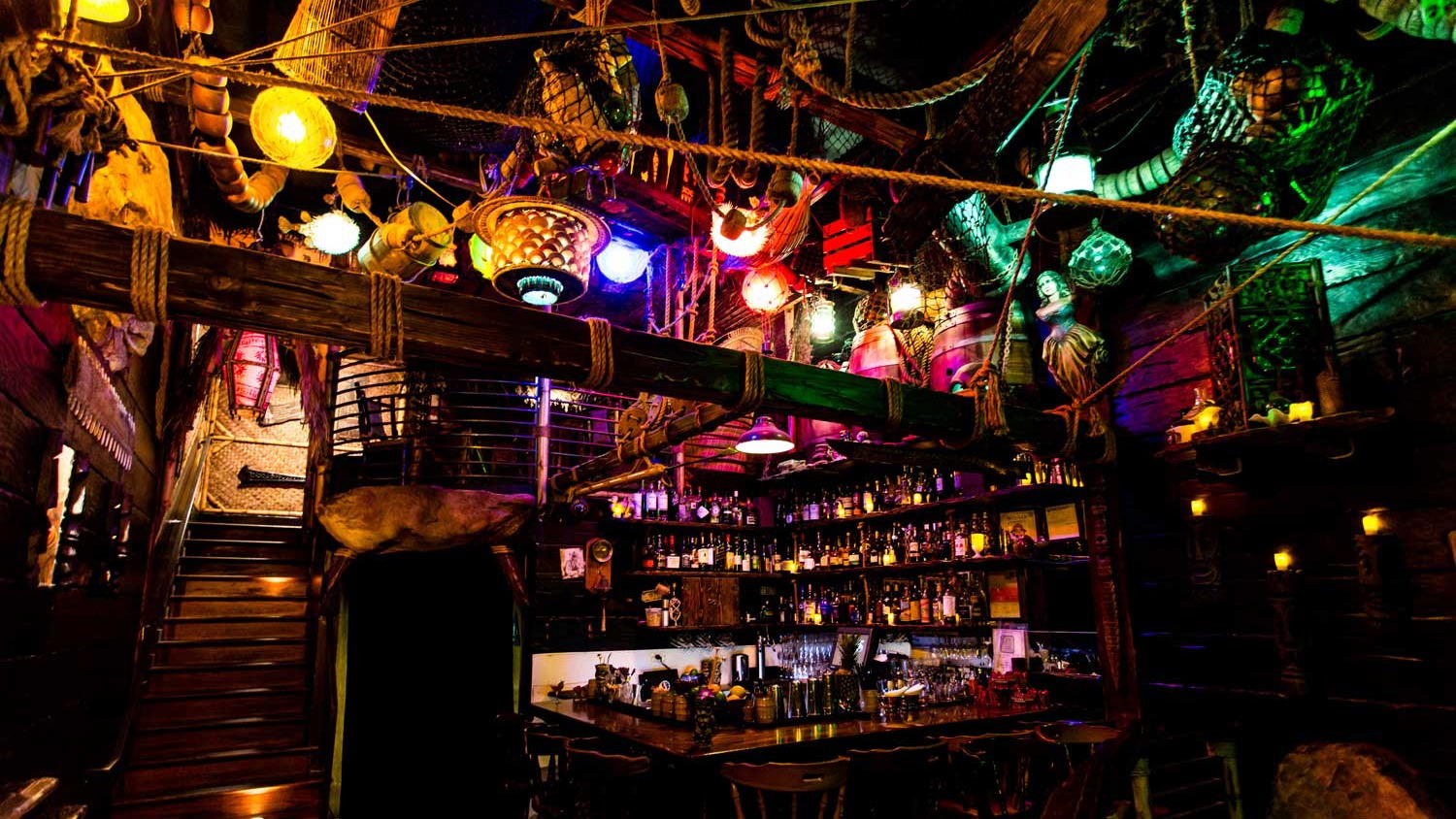
Dimly lit with plush leather chairs, dark woods, chandeliers, fireplace, and soft vintage music creating a romantic, distraction-free atmosphere.