San Fermo
On Ballard Avenue NW, San Fermo occupies a stretch of Seattle's most food-serious neighbourhood, where the menu architecture signals a kitchen with clear convictions. Positioned among Ballard's more considered dining options, it draws comparisons to Seattle's broader wave of ingredient-driven, European-inflected restaurants rather than the city's flashier downtown rooms.
Pearl is the En Primeur Club membership app — saves, bookings, and concierge access live there. Same editors, same standards.
- Address
- 5341 Ballard Ave NW, Seattle, WA 98107
- Phone
- +12063421530
- Website
- sanfermoseattle.com
- Directions
- Get directions
 Saves & bookings on Pearl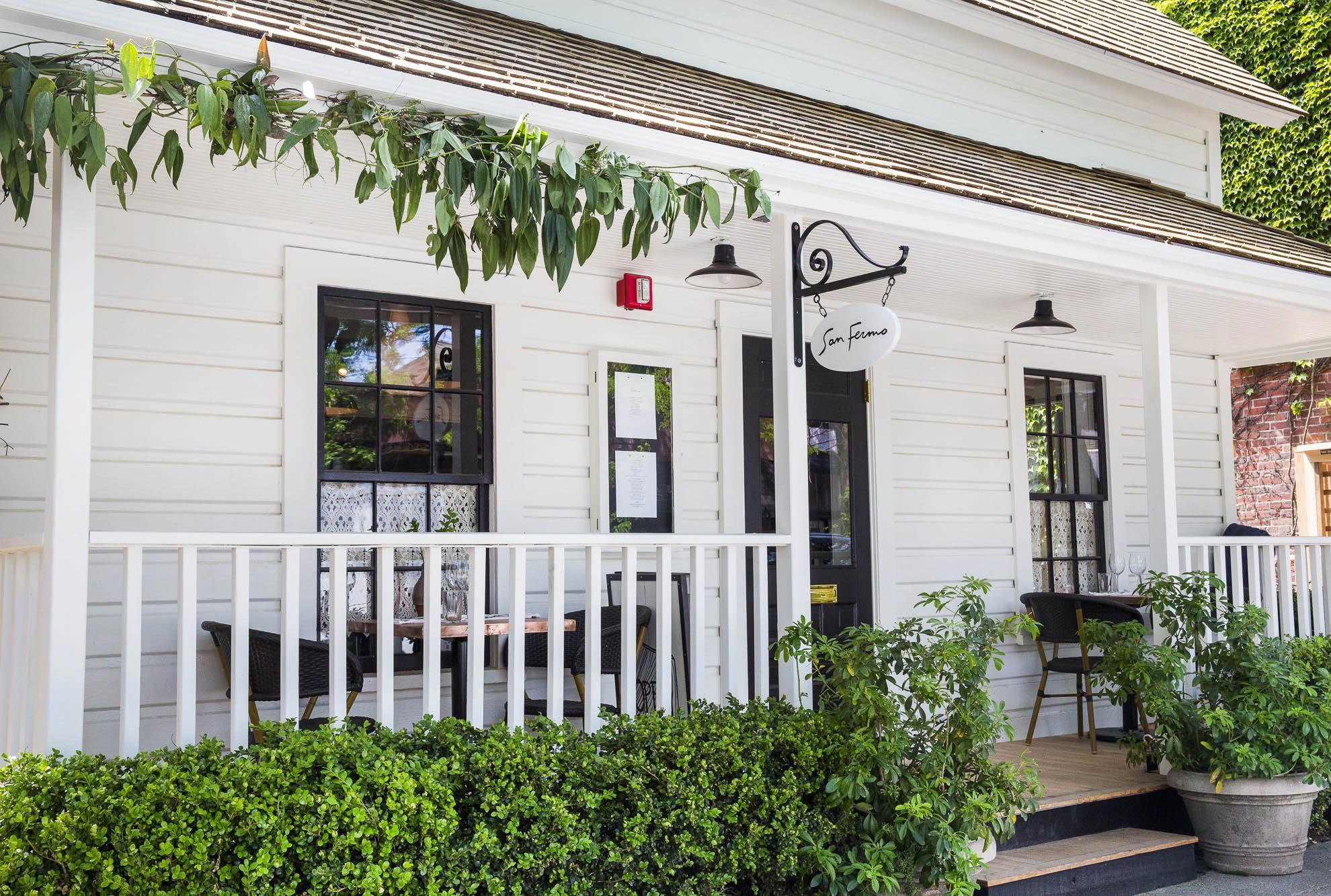
Ballard and the Architecture of Restraint
Ballard Avenue NW has become one of Seattle's more reliable corridors for serious eating, a low-slung strip of converted storefronts and brick facades where the signage tends toward the understated and the dining rooms follow suit. The neighbourhood's transformation from working Scandinavian fishing community to food-destination is well documented, and the avenue itself now hosts a density of independent restaurants that rewards walking and comparison in a way few Seattle streets do. San Fermo, at 5341 Ballard Ave NW, sits within this context rather than apart from it, a room that reads as part of an ongoing neighbourhood conversation about what Pacific Northwest dining should look like.
That conversation has grown more interesting in recent years. Seattle's dining scene has sorted itself into recognizable tiers: the destination restaurants operating with national ambitions, places like Canlis with its New American lineage and panoramic dining room perched above Lake Union, or Joule pushing the boundaries of New Asian cooking in a different register entirely. Below that tier sits a more interesting and less discussed cohort: neighbourhood-anchored restaurants that draw on European tradition without performing it, that treat local sourcing as a baseline rather than a selling point, and that structure their menus in ways that reveal something about how the kitchen thinks. San Fermo belongs, by address and disposition, to that cohort.
Reading the Menu as a Document
Menu architecture is one of the more reliable diagnostic tools available to a reader approaching an unfamiliar restaurant. The way dishes are grouped, the balance between vegetables and proteins, the proportion of menu space given to pasta versus larger plates, the number of courses implied versus stated, all of these signal the kitchen's reference points and ambitions before a single dish arrives.
Italian-American restaurants in the Pacific Northwest have tended to split into two readable categories: the red-sauce establishments operating on nostalgia and portion scale, and the more recent wave of regionally specific Italian cooking that treats cured meats, handmade pasta, and wood-fire technique as the structural spine rather than decorative detail. Nationally, this second category has produced particularly compelling American restaurant work of the past decade. Le Bernardin in New York City represents one pole of European-technique American cooking; the farm-to-table Italian model explored by Blue Hill at Stone Barns in Tarrytown represents another. San Fermo's Ballard address places it in a neighbourhood context where diners arrive with a reasonable level of culinary literacy and specific expectations about craft.
A menu that sequences antipasti through pasta and into secondi, with wine pairings that track the progression, tells a different story than a menu that lists everything alphabetically or by protein. Italian restaurant menus, when built with conviction, are essentially arguments about meal pacing. The strongest versions of this format, found at destinations like Single Thread Farm in Healdsburg or, in a more maximalist register, Alinea in Chicago, embed a philosophy of time and progression into the structure itself. That same ambition, scaled for a neighbourhood room in Ballard rather than a destination property, is worth looking for in how the restaurant sequences its offer.
The Ballard comparable set
Comparing the restaurant within the immediate neighbourhood reveals something about the category it occupies. The addresses nearby tell part of the story: 1744 NW Market St sits within easy walking distance, as does 1415 1st Ave and 2963 4th Ave S a short drive south. The broader Seattle frame includes New American rooms that have drawn national critical attention, and the city's Italian-leaning restaurants have benefited from that rising editorial interest in Pacific Northwest cooking as a category worth tracking.
Against the national Italian-American fine dining tier, restaurants like Addison in San Diego or Providence in Los Angeles operating at the award-chasing end of the spectrum, a Ballard neighbourhood room naturally operates at a different pitch. The relevant comparison is whether the kitchen's sense of menu logic holds up over a full meal, and whether the room earns the kind of returning local loyalty that matters more for a restaurant in this position. Lazy Bear in San Francisco and The French Laundry in Napa occupy an aspirational reference tier that helps calibrate expectations; the restaurant operates in a more accessible register without that aspiration being a criticism.
Compact Comparison
Comparable venues nearby, for context on price, style, and recognition.
| Venue | Cuisine | Price | Notes |
|---|---|---|---|
| San FermoThis venue — the venue you are viewing | Adams, Rustic Italian Pasta | $$$ | Not listed |
| Messina | Lower Queen Anne, Modern Italian | $$$ | Not listed |
| La Medusa | Columbia City, Sicilian Italian | $$$ | Not listed |
| STELLA. | First Hill, Coastal Italian | $$$ | Not listed |
| Capitale Pizzeria | Not listed | $$ | Broadway, Modern Neapolitan Pizza with Global Twists |
| Tulio | Not listed | $$$ | Central Business District, Northern Italian with Pacific Northwest influences |
Continue exploring
More in Seattle
Restaurants in Seattle
Browse all →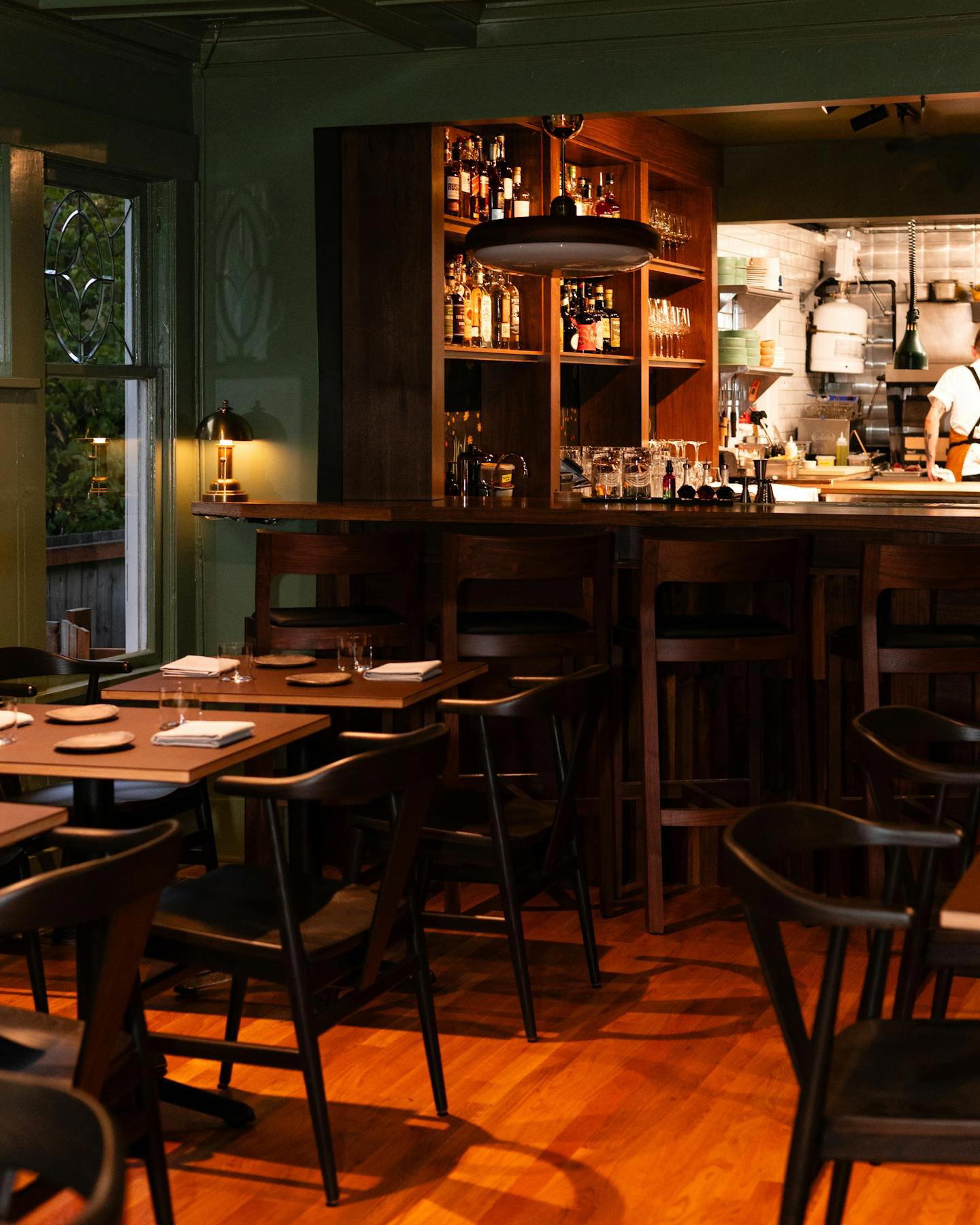
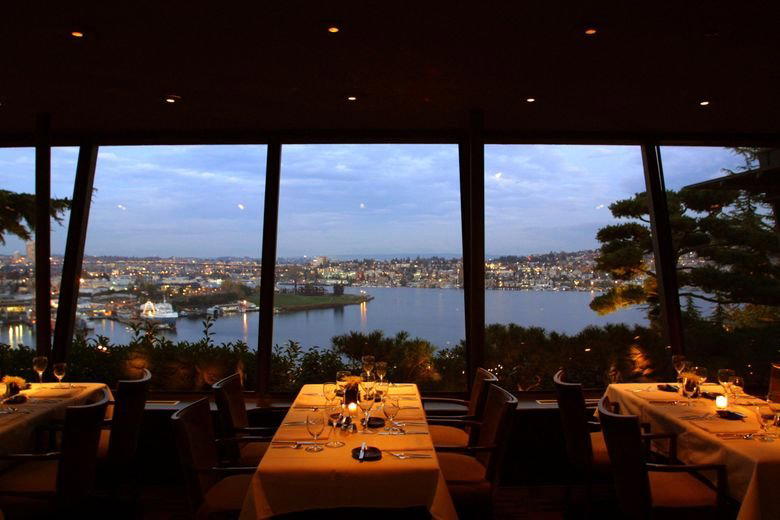
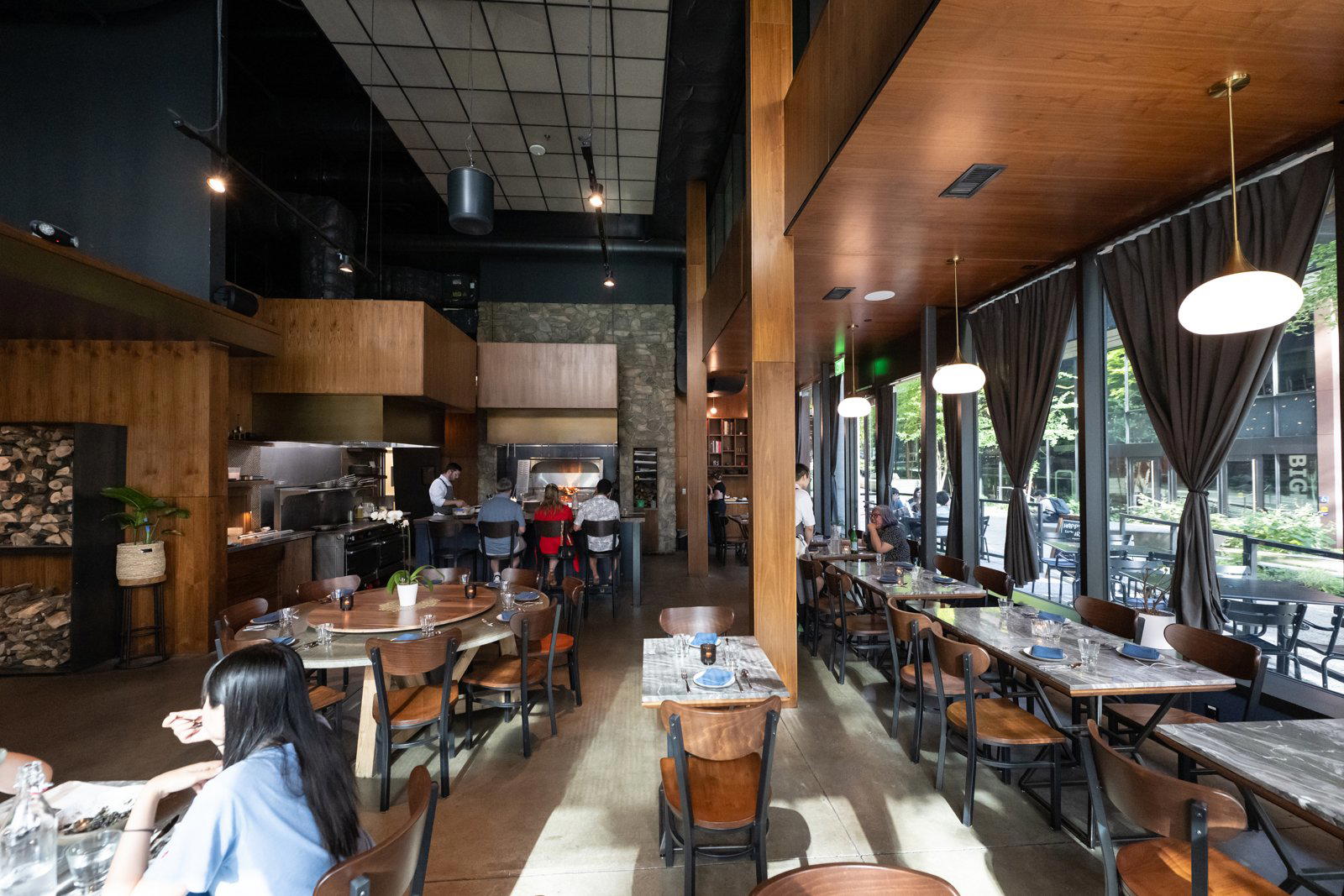
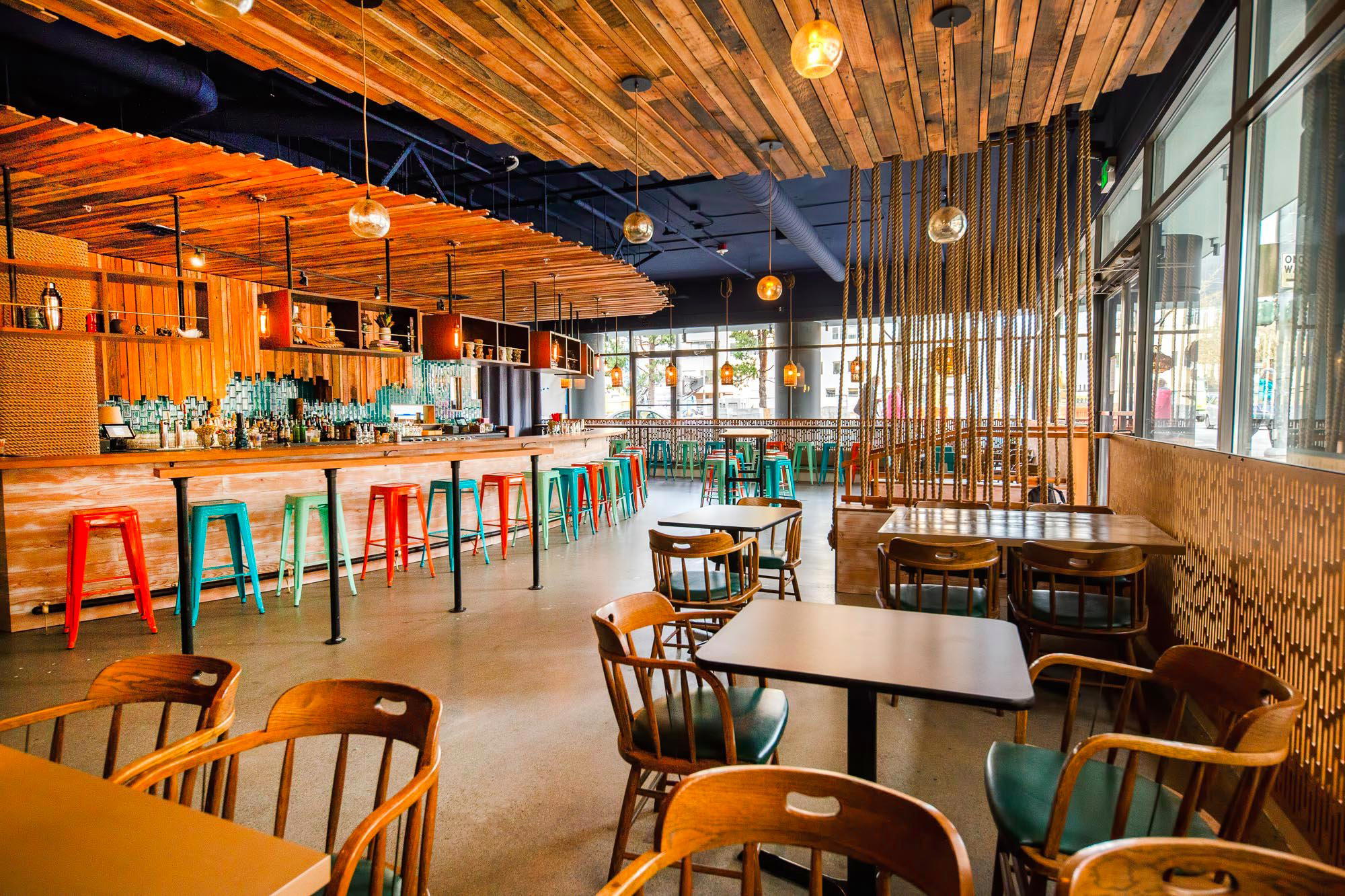
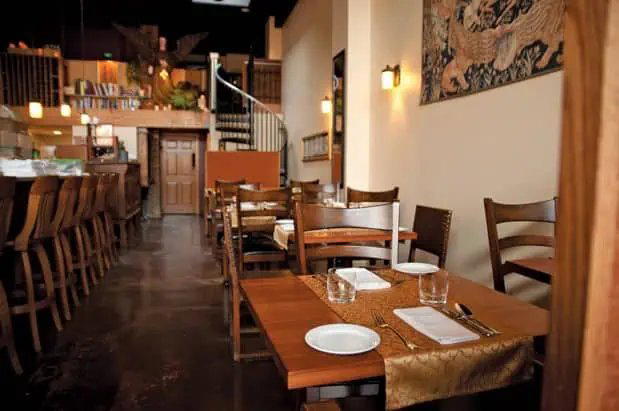
Bars in Seattle
Browse all →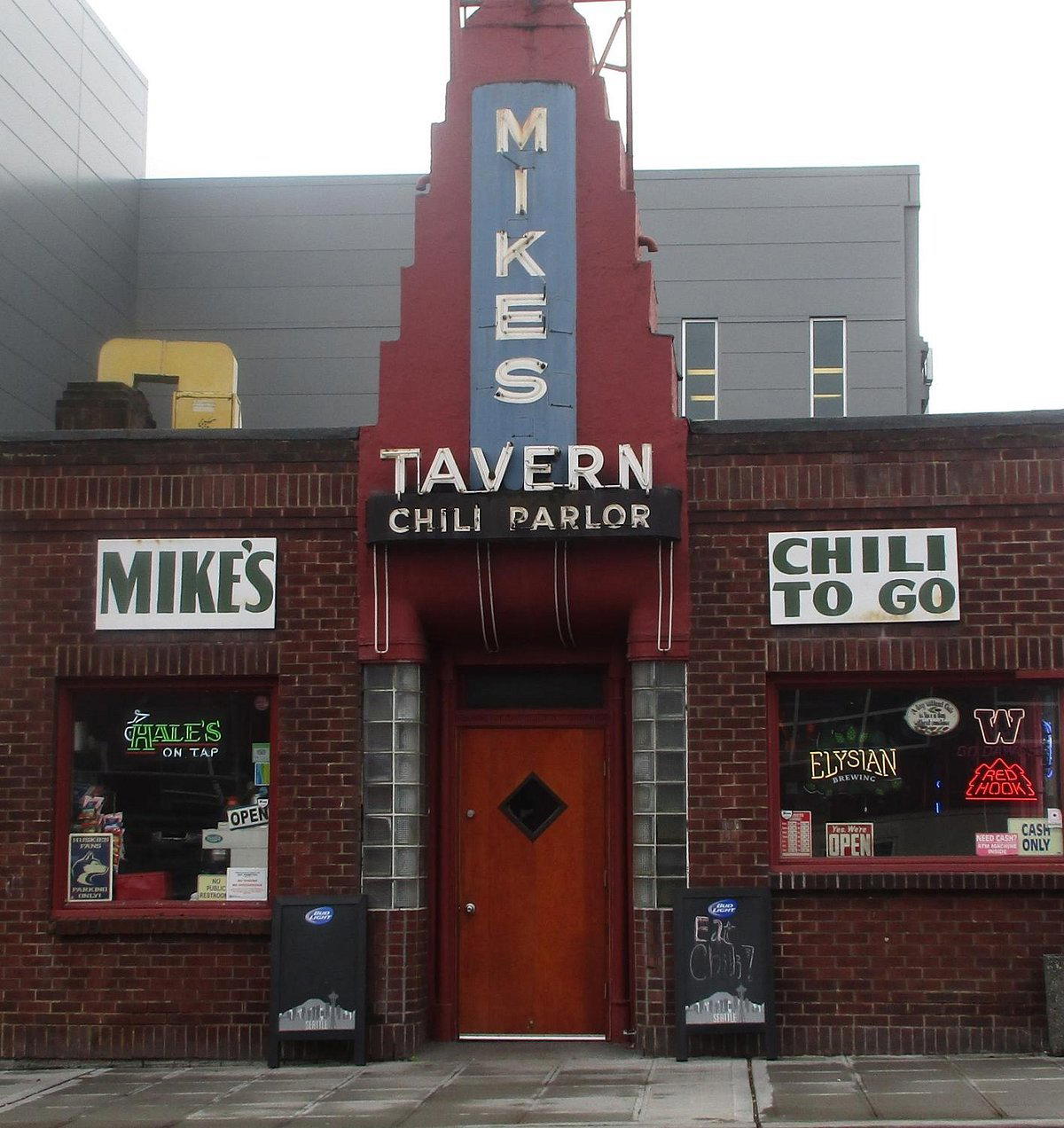
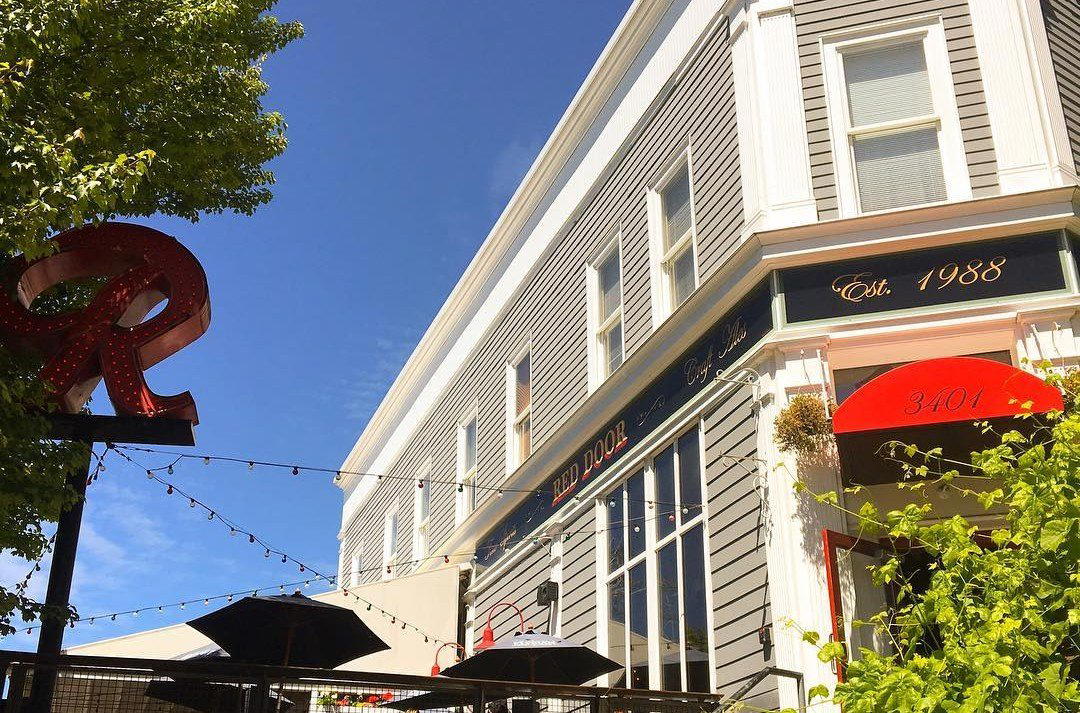
Hotels in Seattle
Browse all →

At a Glance
- Cozy
- Intimate
- Rustic
- Romantic
- Historic
- Date Night
- Special Occasion
- Casual Hangout
- Historic Building
- Craft Cocktails
- Local Sourcing
- Farm To Table
Current opening hours
- Monday
- 5–10 PM
- Tuesday
- 5–10 PM
- Wednesday
- 5–10 PM
- Thursday
- 5–10 PM
- Friday
- 5–10 PM
- Saturday
- 5–10 PM
- Sunday
- 5–10 PM
Hours can change for holidays and private events. Last verified .
Charming, intimate, and warm with a European/Italian historic vibe, glossy white interior with black accents, cozy tables and booths ideal for conversation.