Sal's Produce Plus
Our verdict
Sal's Produce Plus occupies 676 N Broad St in Philadelphia's Fairmount corridor, operating as a neighborhood produce and grocery destination in a part of the city where the line between specialty grocer and community anchor has long been fluid. With sparse publicly available detail on hours and pricing, the clearest read on Sal's comes from its North Broad Street address and its role in a neighborhood undergoing sustained commercial change.
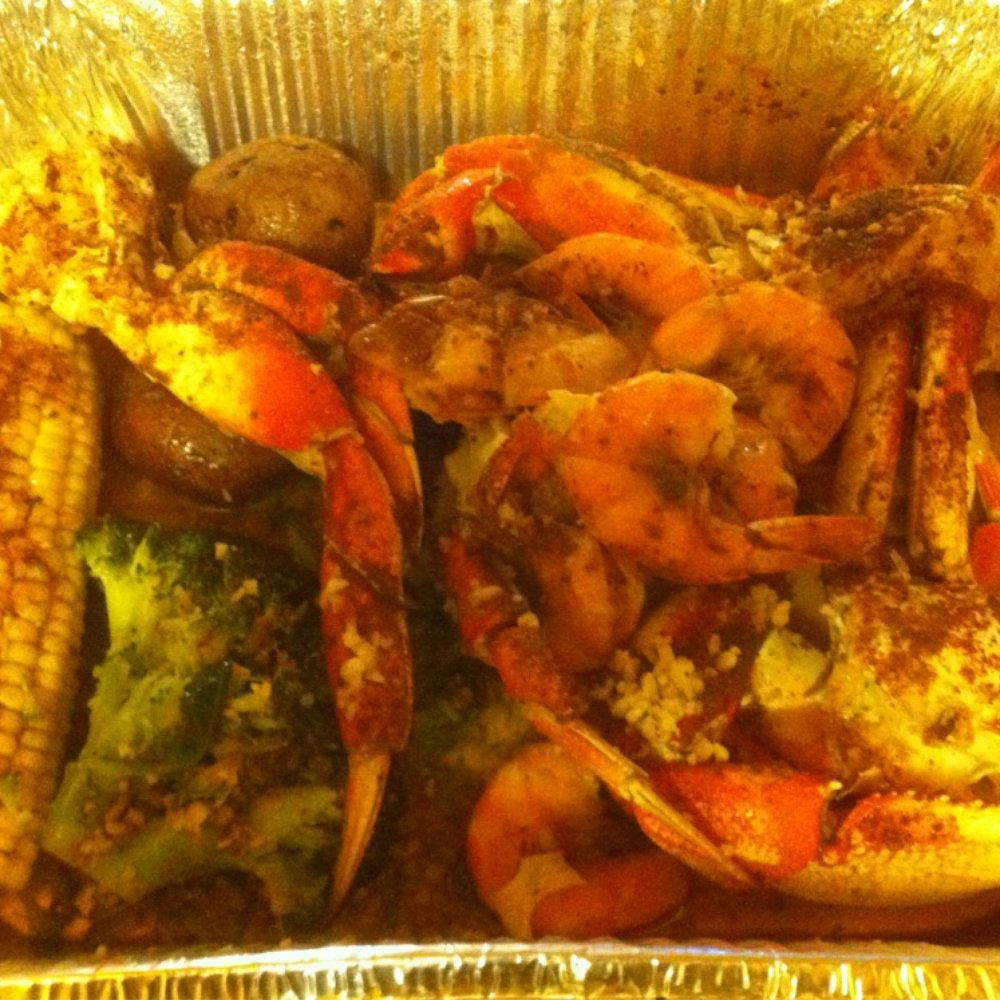
The menu
What to order
- Snow Crab with 2 Sides
- Shrimp Platter
- Salmon with Corn and Potatoes
North Broad Street and the Produce Counter as Neighborhood Institution
Walk north along Broad Street past the Divine Lorraine and you enter a stretch of Philadelphia where the commercial character shifts block by block. Fairmount bleeds into Francisville and then into a corridor that has been the subject of sustained development pressure for the better part of a decade. At 676 N Broad St, Sal's Produce Plus occupies a position that many neighborhood grocers in transitional urban corridors have held before it: part supply depot, part community fixture, operating in the gap between the specialty food hall and the conventional supermarket.
The produce stand and neighborhood grocery format has a specific logic in cities like Philadelphia. Large-format supermarkets cluster around anchored retail strips; the gaps between them are served by smaller operators who can respond faster to neighborhood demand and carry a more variable, often more interesting, mix of product. On North Broad, that logic has particular weight. The corridor has seen an influx of new residents without a proportional increase in food retail infrastructure, which means independent grocers carry a heavier share of daily provisioning than they would in more saturated parts of the city.
What Arrives First, and Why Sequence Matters
In most produce-forward retail contexts, the progression of a shopping visit maps loosely onto the arc of a tasting menu: you start with what is freshest and most seasonal at the entrance, move through staples in the interior, and finish with the kind of supplementary goods that round out a meal at home. It is a format that rewards visitors who move slowly and pay attention to what is positioned prominently, because those items typically reflect what the supplier is most confident about that week.
At Sal's, as with most independent produce operations in Philadelphia neighborhoods, the seasonal rhythm of the mid-Atlantic is the primary organizing principle. The region's growing calendar, which runs from early spring asparagus through late autumn squash, gives any attentive produce retailer a ready-made progression of featured product. Shoppers who return regularly develop a literacy for what the front table or featured display is signaling about the current moment in that calendar. This is less a marketing tactic than a structural reality: independent produce retailers without the buying power of large chains tend to move with the season rather than against it, which means their selection is a more honest register of what is actually good right now.
Philadelphia's Independent Grocery Tier in Context
Philadelphia's dining and food retail scene is often mapped through its restaurant openings, but the independent grocery tier is at least as consequential for understanding how the city eats day to day. Spots like Sal's exist in a different register from the places that attract critical attention, such as Fork, Friday Saturday Sunday, or Mawn, yet they are part of the same food ecosystem. The quality of produce available at neighborhood grocers shapes what home cooks can accomplish, which in turn shapes the broader culinary culture of a city.
Philadelphia's home cooking tradition is not incidental to its restaurant culture. Chefs at places like My Loup and South Philly Barbacoa have spoken publicly about drawing on neighborhood food cultures that are sustained, in part, by the availability of good raw ingredients at the retail level. The farm-to-table conversation that animates destination restaurants across the country, from Blue Hill at Stone Barns in Tarrytown to Single Thread Farm in Healdsburg, has a quieter parallel in cities: independent produce retailers who maintain relationships with regional suppliers and pass that seasonal specificity directly to home cooks.
The broader national conversation about produce sourcing plays out in different registers at different price points. At the high end, destination restaurants like The French Laundry in Napa and Le Bernardin in New York treat sourcing as a credentialing exercise, naming farms and suppliers on the menu itself. At the neighborhood retail level, the equivalent signal is simpler: what is on the featured display, and how does it look? That directness is, in its own way, a more democratic form of the same transparency.
The North Broad Corridor: What the Address Signals
The 600 block of North Broad sits within reasonable walking distance of the Fairmount neighborhood to the west and the Eastern North Philadelphia grid to the east. It is a location that serves multiple residential populations with different shopping patterns and different culinary traditions, which means a well-run produce operation at this address has a broader potential customer base than a similar shop in a more demographically homogeneous block.
Independent food retail in transitional corridors across American cities, from comparable neighborhoods in Chicago (see Smyth for how the city's fine dining tier has tracked neighborhood change) to the trajectories of Los Angeles neighborhoods documented through places like Providence, tends to either consolidate as neighborhoods shift or maintain a neighborhood-anchor identity.
What to Know Before You Go
The address, 676 N Broad St, Philadelphia, PA 19130, is the most reliable available detail. For planning purposes, walk-in visits are the standard format for neighborhood produce retail of this type; reservation infrastructure is not applicable. Visitors who want to verify hours before traveling should approach via the venue directly. North Broad Street is accessible by the Broad Street Line, Philadelphia's primary north-south subway corridor, which places the address within the transit grid for most of the city.
For a broader orientation to where Sal's sits in Philadelphia's food geography, the full Philadelphia restaurants guide maps the city's dining options across neighborhoods and cuisine types. Comparisons at the national level, whether to destination tasting menus at Addison in San Diego, Lazy Bear in San Francisco, Atomix in New York, Emeril's in New Orleans, The Inn at Little Washington, or international reference points like Atelier Moessmer Norbert Niederkofler in Brunico, illuminate the full range of what the sourcing conversation looks like across price tiers and formats, from neighborhood grocer to two-Michelin-star dining room.
Frequently asked questions
at Sal's Produce Plus?
Can I walk in to Sal's Produce Plus?
What is Sal's Produce Plus known for?
Is Sal's Produce Plus allergy-friendly?
Does Sal's Produce Plus justify its prices?How does Sal's Produce Plus fit into the broader food retail picture on North Broad Street?
Cuisine and Credentials
A quick snapshot of similar venues for side-by-side context.
| Venue | Cuisine | Price | Awards | Notes |
|---|---|---|---|---|
| Sal's Produce PlusThis venue (the venue you are viewing) | Seafood Platters | Not listed | Not listed | Not listed |
| Friday Saturday Sunday | Modern American Tasting Menu | $100–150 | 1 Michelin Star · World's 50 Best #40 | New American |
| Fork | Seasonal New American | Not listed | James Beard Award Outstanding Restaurateur #1 · Wine Spectator Award of Excellence | New American |
| South Philly Barbacoa | Authentic Mexican Barbacoa Taqueria | $10–20 | James Beard Award Best Chef: Mid Atlantic · Chef's Table Featured on Chef's Table | Mexican |
| Jean-Georges Philadelphia | Modern French Fine Dining | $200–300 | La Liste Top Restaurants · Wine Spectator Best of Award of Excellence | French |
| Helm | Seasonal New American Small Plates | $50–100 | Not listed | Filipino |
Continue exploring
More in Philadelphia
Restaurants in Philadelphia
All restaurants in Philadelphia →
Bars in Philadelphia
All bars in Philadelphia →

Details
- Casual
- Casual Hangout
- Group Dining
- A La Carte