Salaam Namaste
On a quiet Bloomsbury street, Salaam Namaste has built a reputation as one of London's more serious Indian dining addresses, sitting in a different register from the city's curry-house staples. The kitchen applies a considered, multi-course sensibility to the subcontinent's regional traditions, making it a reference point for Indian cooking in central London rather than a passing stop.
Pearl is the En Primeur Club membership app — saves, bookings, and concierge access live there. Same editors, same standards.
- Address
- 68 Millman St, London WC1N 3EF, United Kingdom
- Phone
- +442074053697
- Website
- salaam-namaste.co.uk
- Directions
- Get directions
 Saves & bookings on Pearl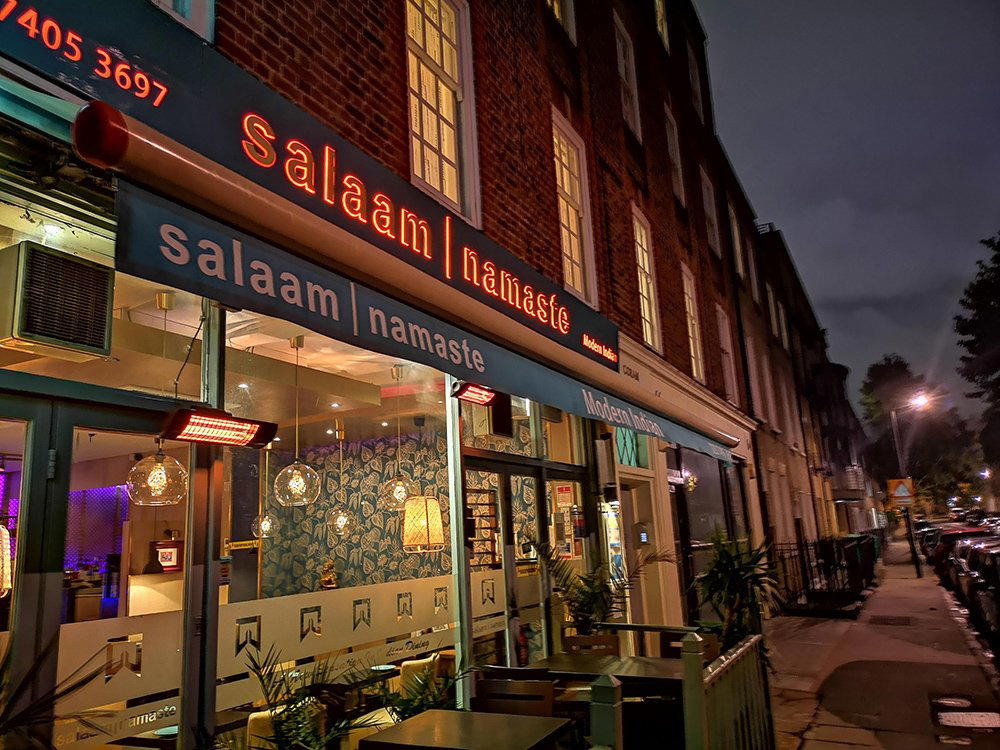
Bloomsbury's Indian Dining Tradition, Placed in Context
London's Indian restaurant scene divides into sharper tiers than it once did. At one end sit the high-volume, broadly familiar curry houses that defined the British relationship with the subcontinent's cooking for decades. At the other, a smaller cohort of addresses has pushed toward regional specificity, seasonal ingredient sourcing, and a multi-course format that asks diners to slow down and follow a progression rather than order à la carte from a laminated menu. Salaam Namaste, at 68 Millman Street in Bloomsbury, occupies that second register. The address itself signals something: Millman Street is not a restaurant strip, and the surrounding neighbourhood draws a mix of academics, legal professionals, and visitors to the nearby British Museum rather than the tourist-dense crowds of Covent Garden or Leicester Square.
For comparable ambition in Indian fine dining across the UK, the conversation increasingly includes Opheem in Birmingham, which holds a Michelin star and operates within a different regional tradition. London's own premium dining tier, represented by addresses like CORE by Clare Smyth, The Ledbury, and Sketch, The Lecture Room and Library, operates on a different cuisine axis entirely. Salaam Namaste's competitive set is more specifically Indian: it positions against the handful of London addresses that treat the subcontinent's regional cooking as a subject deserving the same structural attention that French and Modern British kitchens have long received.
The Arc of the Meal: How the Kitchen Sequences Its Cooking
The tasting-progression model matters here because Indian cuisine, in its classical structure, was never designed for the sequential European format. The tradition of presenting multiple dishes simultaneously, each seasoned and cooked to complement the others on the table, runs deep. Kitchens that choose to work against that grain and build a meal with a beginning, middle, and end are making a deliberate editorial decision about how the cuisine should be read by a contemporary dining audience.
At Salaam Namaste, the approach draws on the subcontinent's breadth: northern tandoor traditions, coastal seafood preparations, and the spice-led complexity of southern and western Indian regional cooking all provide reference points. The early stages of a meal tend toward lighter, more aromatic territory, chutneys and small preparations that prime the palate without overwhelming it. The mid-course pushes toward protein and slower-cooked preparations where spice is layered rather than front-loaded. The final savoury stage typically involves something from the tandoor, where high heat, smoke, and fat create a different textural and aromatic register than the earlier courses. The sequencing, when it works, demonstrates that Indian cooking has as much structural range as any European tradition.
This is the argument that a small number of London Indian kitchens have been making for the better part of two decades, and it remains contested. Critics of the format argue it imposes an alien structure on a cuisine built around simultaneity. Its proponents counter that sequencing allows individual preparations to be assessed on their own terms rather than submerged in the broader table. The restaurant sits in the proponent camp.
Neighbourhood Placement and Dining Context
Bloomsbury rewards the kind of unhurried dining that a multi-course progression requires. The area lacks the ambient noise and competitive energy of Soho or Mayfair, which means a meal here is more likely to unfold at the pace the kitchen intends. The proximity to the British Museum and several of London's legal Inns creates a local clientele accustomed to longer table times and less interested in the fast-turnover model that defines higher-footfall restaurant zones.
For visitors plotting a London itinerary across several dining categories, the restaurant fits logically alongside rather than instead of the city's European fine dining addresses. A trip that includes Restaurant Gordon Ramsay or Dinner by Heston Blumenthal covers the Modern British and French axes. Adding an Indian address of the restaurant's intent fills a different column. For those extending beyond London, the same logic applies to destinations like Waterside Inn in Bray, Le Manoir aux Quat'Saisons in Oxford, or L'Enclume in Cartmel, each anchoring a different regional tradition with its own structural logic.
Internationally, the multi-course Indian format has parallels in New York, where Atomix has demonstrated what happens when Korean cuisine is given the same structural treatment. The reference is useful: both cases involve cuisines with deep classical traditions being reframed for a Western fine-dining audience, with all the tensions that entails. Le Bernardin in New York City and Restaurant Andrew Fairlie in Auchterarder represent the French fine-dining tradition that defined the sequencing format the restaurant is working within and alongside.
The Wider UK Indian Fine Dining Picture
The conversation about Indian fine dining in the UK has broadened geographically in recent years. Beyond London, Opheem in Birmingham holds a Michelin star and operates as evidence that the premium tier is not exclusively a London phenomenon. In terms of regional British dining at the highest level, addresses like Moor Hall in Aughton, Gidleigh Park in Chagford, Hand and Flowers in Marlow, hide and fox in Saltwood, and Midsummer House in Cambridge demonstrate the depth of the UK's non-London fine dining ecosystem. The restaurant sits within the London half of that picture, operating in a cuisine category that the broader UK fine dining establishment has been slower to fully absorb.
For a fuller read on the London dining context, our full London restaurants guide maps the city's premium addresses across cuisine types and neighbourhoods.
Planning a Visit
The restaurant is located at 68 Millman Street, London WC1N 3EF, in the Bloomsbury neighbourhood, within walking distance of Russell Square and Holborn Underground stations. The address sits on a residential street rather than a high-footfall dining corridor, which is consistent with the unhurried dining format the kitchen supports. Booking in advance is advisable, particularly for weekend evenings when Bloomsbury's dining capacity is limited relative to demand from hotel guests and local residents. Walk-in availability depends on the day and season; midweek lunches and early weekday dinners carry better odds than Friday and Saturday evenings.
At a Glance
Comparable venues nearby, for context on price, style, and recognition.
| Venue | Cuisine | Price | Notes |
|---|---|---|---|
| Salaam NamasteThis venue — the venue you are viewing | St Pancras, Modern Indian & Pakistani | $$ | Not listed |
| Kachori | Not listed | $$ | Elephant and Castle, Modern Northern Indian |
| Sagar | Not listed | $$ | Hammersmith Broadway, South Indian Vegetarian |
| Regency Club | Queensbury, Indian-Kenyan Fusion Grill | $$ | Not listed |
| Tayyab | Whitechapel, Punjabi Curry House | $$ | Not listed |
| Himalayan Kitchen | Not listed | $$ | Penge East, Nepalese & Indian Curry House |
Continue exploring
More in London
Restaurants in London
Browse all →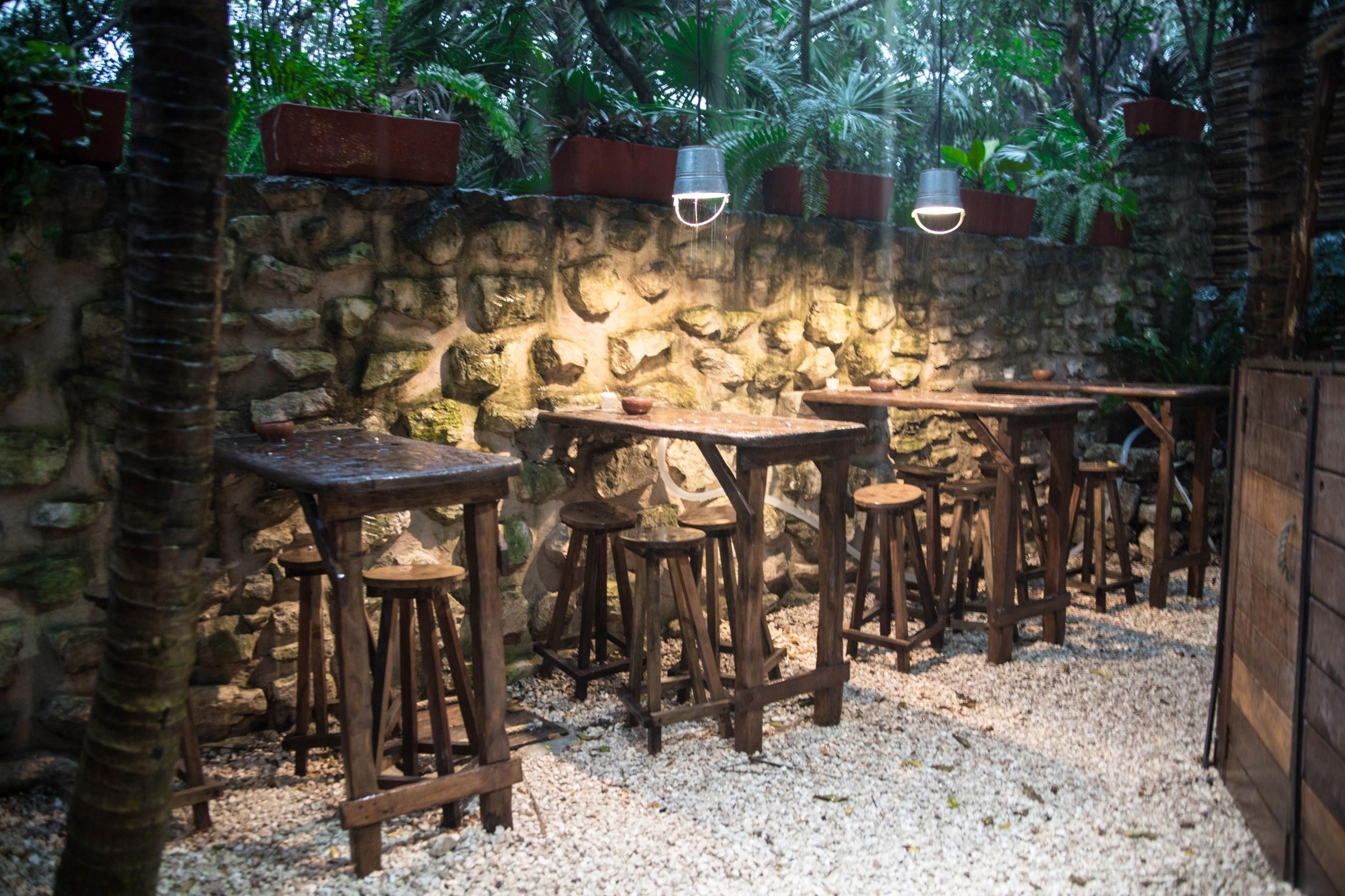
Bars in London
Browse all →
Hotels in London
Browse all →



At a Glance
- Modern
- Elegant
- Casual
- Date Night
- Group Dining
- Casual Hangout
- Family
- Standalone
Current opening hours
- Monday
- 12:30–2:30 PM, 5:30–10 PM
- Tuesday
- 12:30–2:30 PM, 5:30–10 PM
- Wednesday
- 12:30–2:30 PM, 5:30–10 PM
- Thursday
- 12:30–2:30 PM, 5:30–10:30 PM
- Friday
- 12:30–2:30 PM, 5:30–10:30 PM
- Saturday
- 12:30–2:30 PM, 5:30–10:30 PM
- Sunday
- 12:30–2:30 PM, 5:30–10 PM
Hours can change for holidays and private events. Last verified .
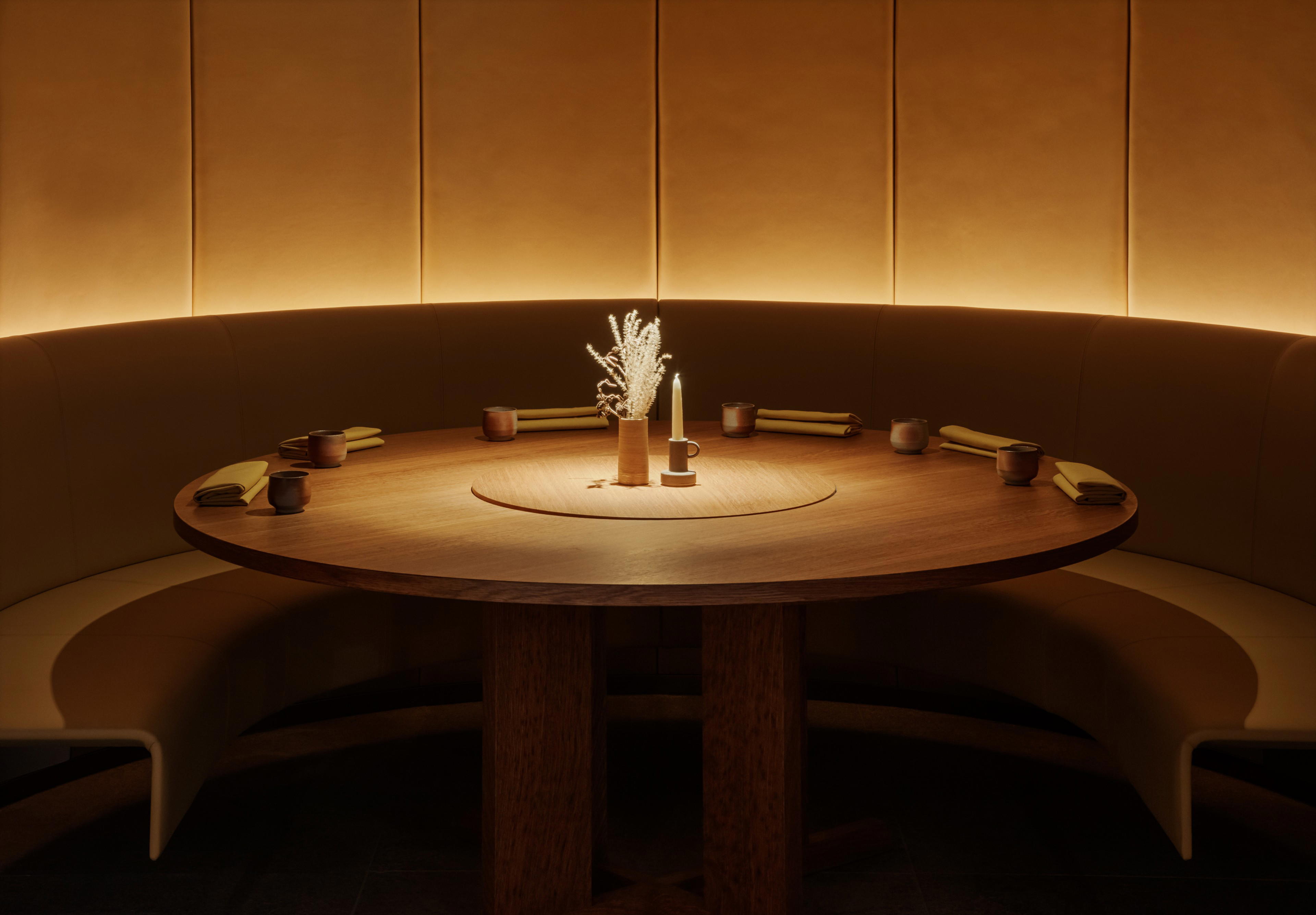
Sleek, contemporary setting with wooden tables and leather-ish booths; friendly and casual atmosphere combining style with warmth.