

A Michelin-starred address on Olost's Plaça Major, Sala holds its ground as one of the few restaurants of this calibre in the Osona comarca, ranked 621st among Opinionated About Dining's top European restaurants in 2025. Chef Antonio Sala's kitchen balances classical Catalan technique with seasonal ingredients, leaning heavily on black truffle, wild mushrooms, and game in a setting that doubles as a natural stop on the Catalan Romanesque Route.
Pearl is the En Primeur Club membership app — saves, bookings, and concierge access live there. Same editors, same standards.
- Address
- Pl. Major, 17, 08516 Olost, Barcelona, Spain
- Phone
- +34 938 88 01 06
- Website
- fondasala.com
- Directions
- Get directions
 Saves & bookings on Pearl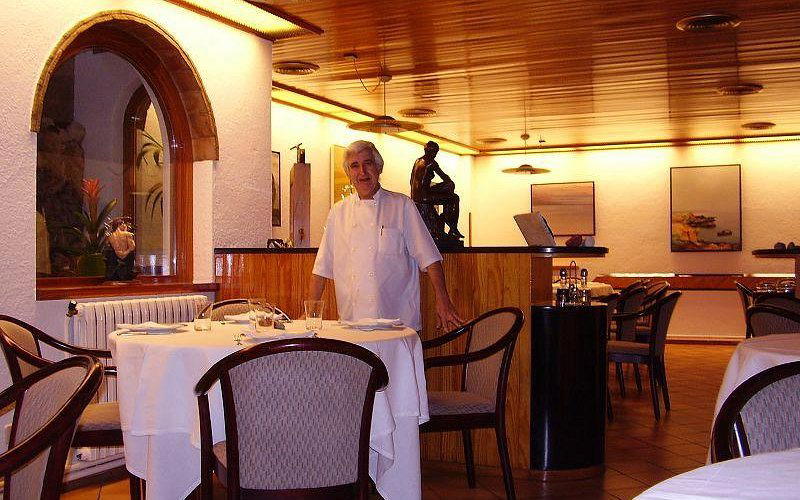
A Stone Square and a Serious Kitchen
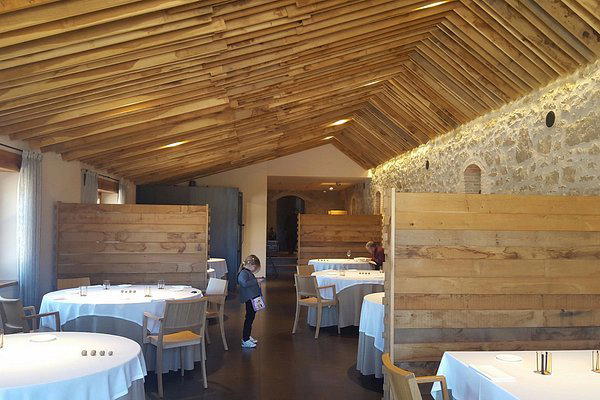
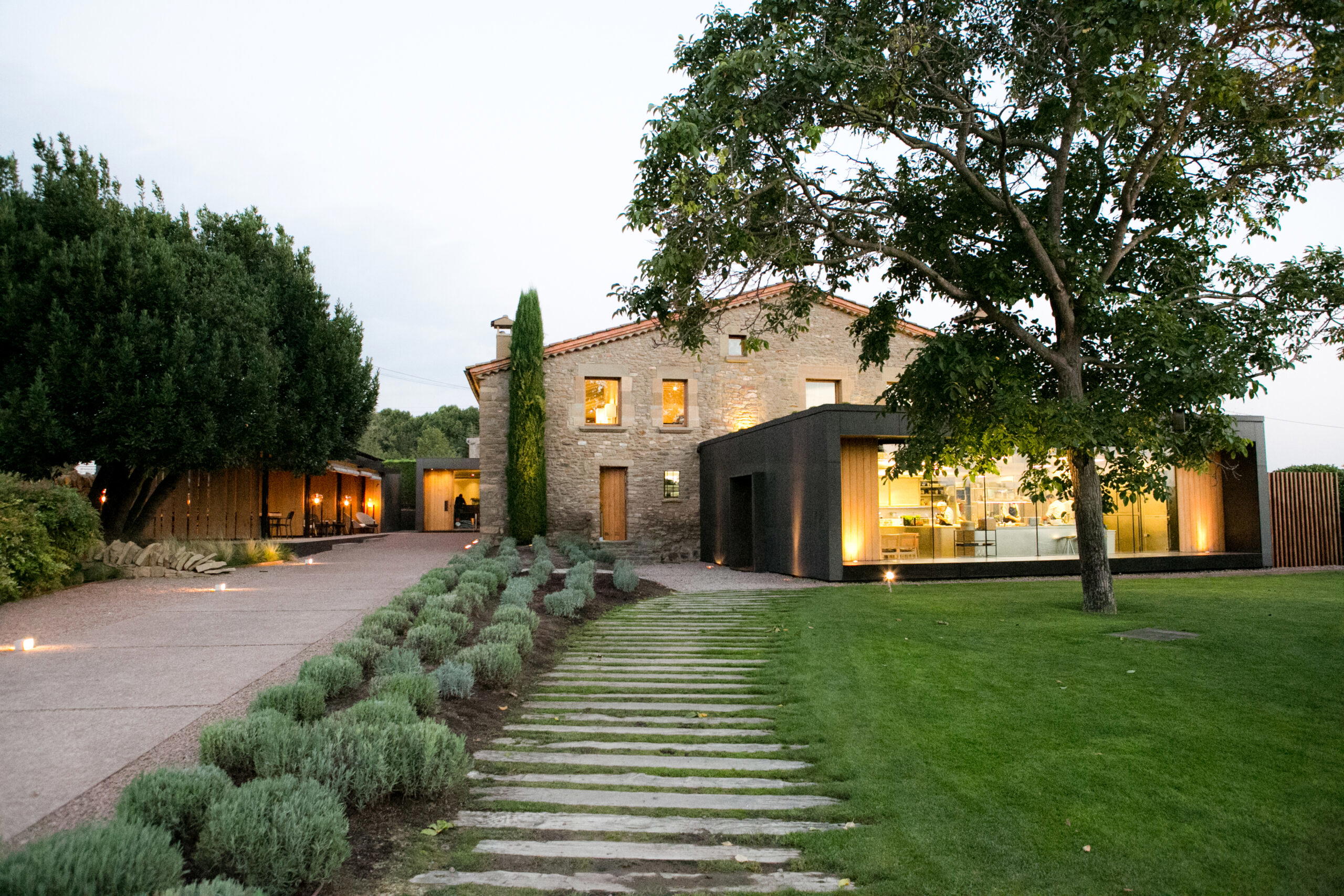
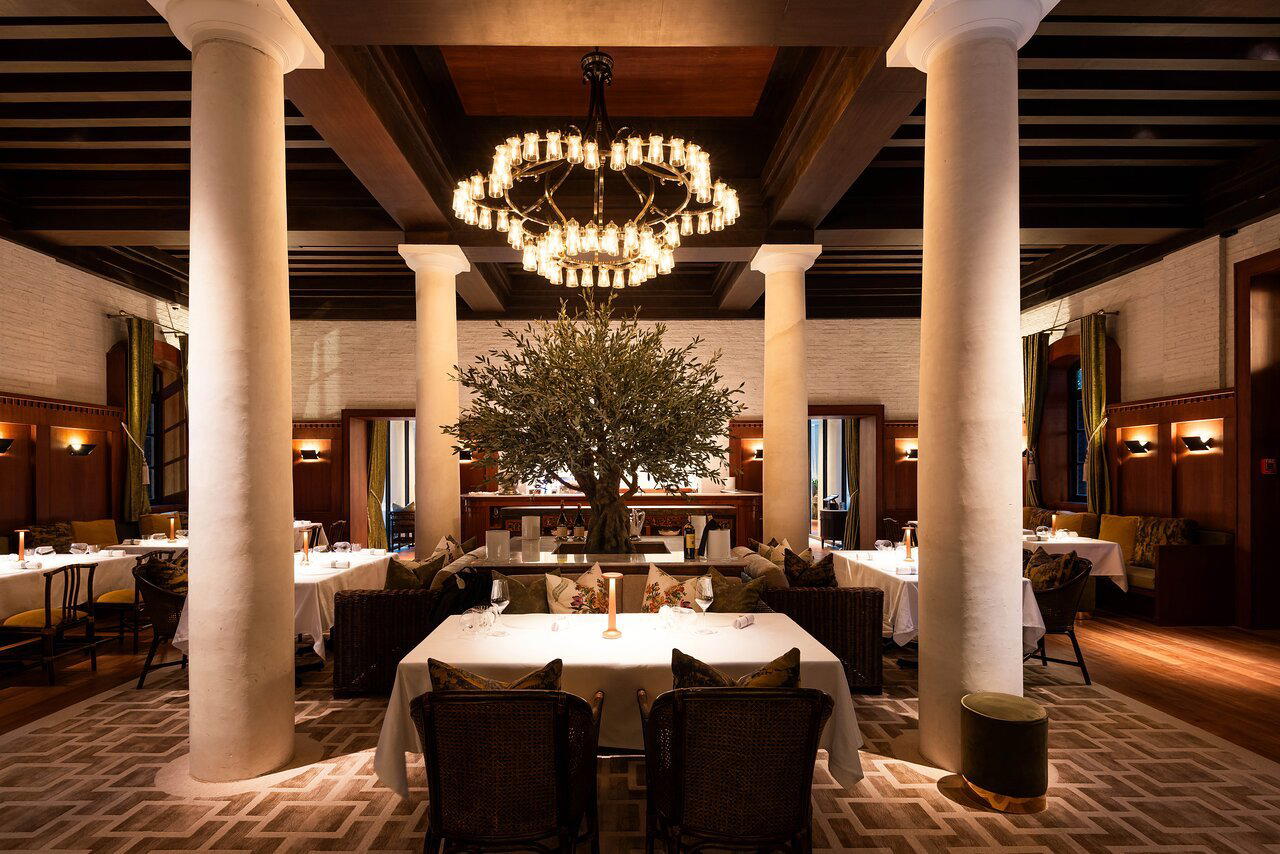
The Plaça Major in Olost is not the kind of address that announces itself. It is a quiet Catalan square anchored by the town hall, the sort of place where the pace of provincial life in the Osona comarca plays out at a speed that feels deliberately unhurried. Against that backdrop, the stone façade of Sala reads as a statement of permanence rather than ambition: a restaurant that has been here long enough to belong to the square itself. Walking in through the ante-room bar, where set menus are available at lower price points than the main dining room, visitors pass from the public life of the village into a space that operates at a distinctly different register. This layered entry, from street to bar to dining room, is a spatial logic common to the older generation of Catalan restaurant houses, and Sala uses it deliberately.
Where Sala Sits in the Osona Dining Picture
The Osona comarca, inland from Barcelona in the pre-Pyrenean foothills, has a quieter dining landscape than the coast or the Basque Country. That scarcity matters for understanding Sala's position. With a Michelin star awarded in 2024 and a ranking of 621st on Opinionated About Dining's leading European restaurants list for 2025, Sala operates in a comparable set defined less by proximity and more by category: traditional Catalan fine dining, in a rural or semi-rural setting, with pricing at the €€€ tier rather than the €€€€ demanded by Spain's flagship creative houses. For context, the progressive tasting-menu format pursued by restaurants like El Celler de Can Roca in Girona, Disfrutar in Barcelona, or Arzak in San Sebastián places them in a different competitive bracket entirely. Sala's proposition is more grounded: classical cooking, seasonal produce, and a menu structure that has remained recognisable across decades.
That positioning is also geographical. Sala sits along the officially designated Catalan Romanesque Route, a cultural itinerary that draws visitors through a corridor of medieval churches, hilltop villages, and agrarian landscapes between Barcelona and the Pyrenees. For travellers making that circuit, the restaurant functions as the kind of serious midday stop the route otherwise lacks. It is one of the reasons the kitchen tilts toward lunch service. Check the opening hours before planning a visit: Sala runs from 7 AM to 5:30 PM on Monday, Wednesday, Thursday, and Sunday, with a shorter Friday and Saturday service closing at noon, and remains closed on Tuesdays.
The Kitchen Logic: Tradition, Succession, and Seasonal Depth
Sala's culinary evolution reflects a longstanding family handover. Head chef Toni Sala now leads the kitchen. The à la carte and set menus, including the Perot Rocaguinarda menu and the seasonal De Temporada, hold to the classical framework that built the restaurant's reputation, while remaining open to contemporary technique where it serves the ingredients rather than replacing them.
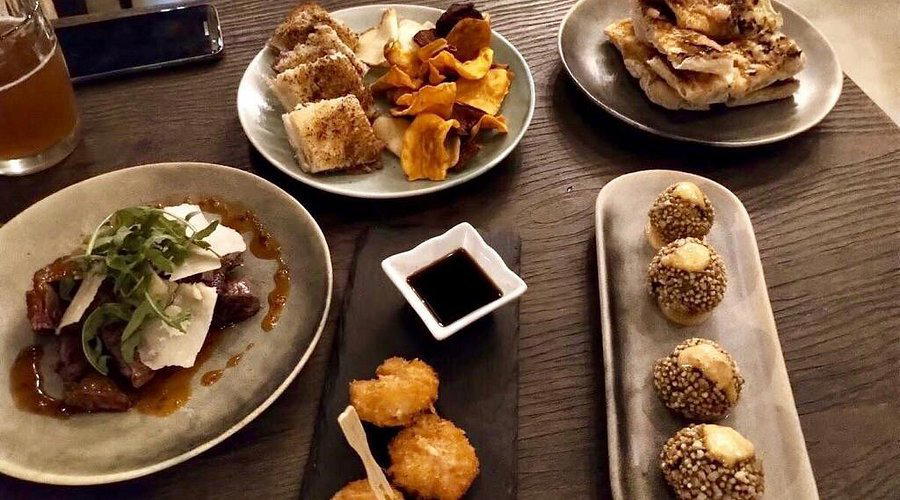
The seasonal emphasis here is not rhetorical. Sala's kitchen has built its identity around three categories of ingredient that define the autumn and winter table in inland Catalonia: black truffles, wild mushrooms, and game. These are not decorative additions to a modernised menu. They are the point. Pheasant cannelloni with béchamel and black truffle oil, veal tartare with parmesan, hare royale prepared in the traditional manner: dishes like these represent a direct line to Catalan farmhouse cooking, adjusted for the precision and sourcing that a starred kitchen demands. The broader tradition they sit inside, of using aged game and foraged fungi as the backbone of autumn cooking in Catalonia's interior, stretches back centuries and connects Sala to a culinary lineage that has no equivalent on the coast.
That lineage positions Sala differently from the creative Spanish restaurants that draw international attention. Where DiverXO in Madrid, Quique Dacosta in Dénia, or Aponiente in El Puerto de Santa María use the tasting menu as a vehicle for conceptual cooking, Sala treats the menu as a record of what grows and moves through the Osona hills across the year. The approach is not conservative in any diminishing sense; it is a deliberate bet on ingredient quality and classical technique at a moment when many restaurants have moved the opposite direction. For comparison within the traditional format at a similar price register, Auga in Gijón and Auberge Grand'Maison in Mûr-de-Bretagne offer useful reference points for how starred houses with traditional foundations hold their ground against the dominant progressive format.
The Bar, the Dining Room, and How to Use Both
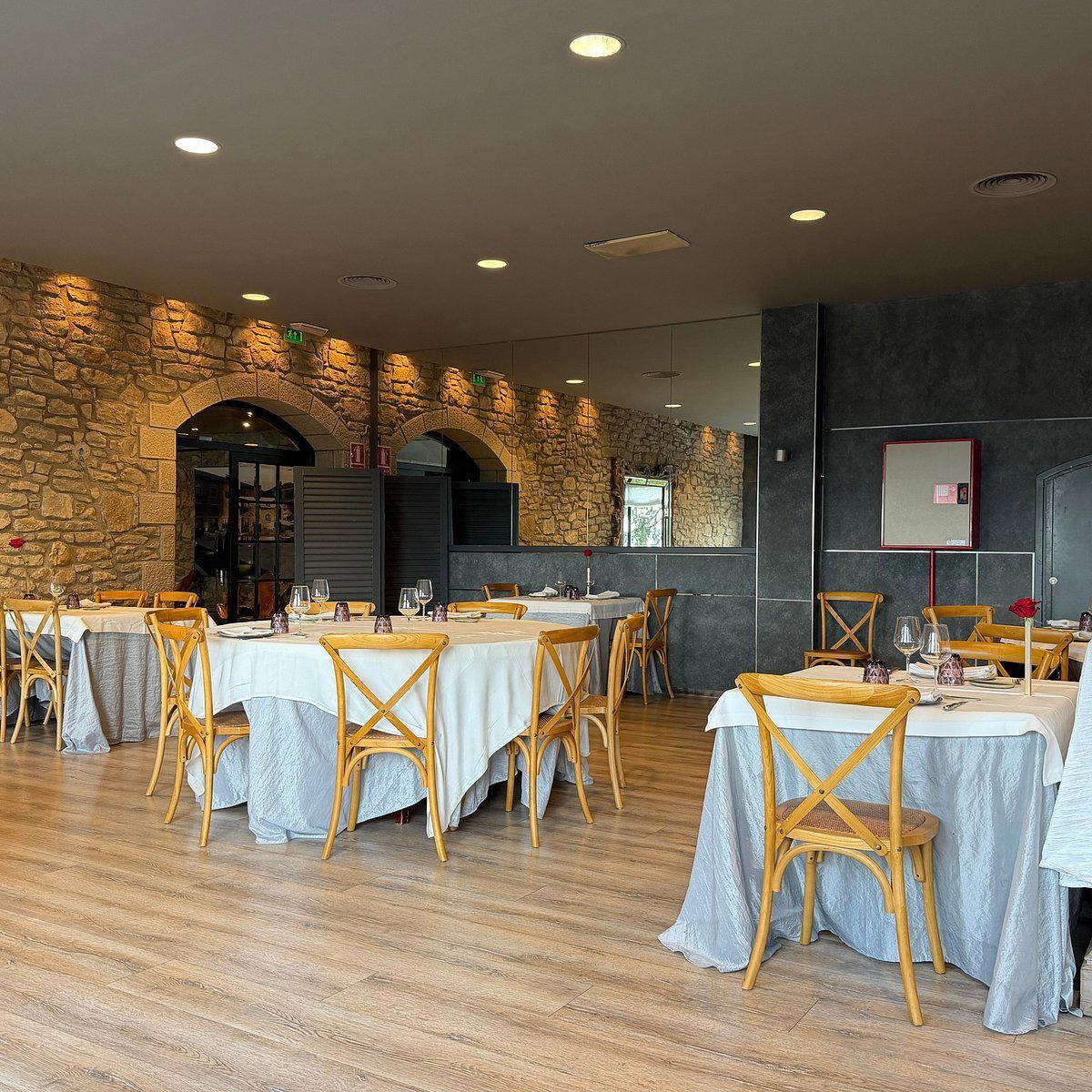
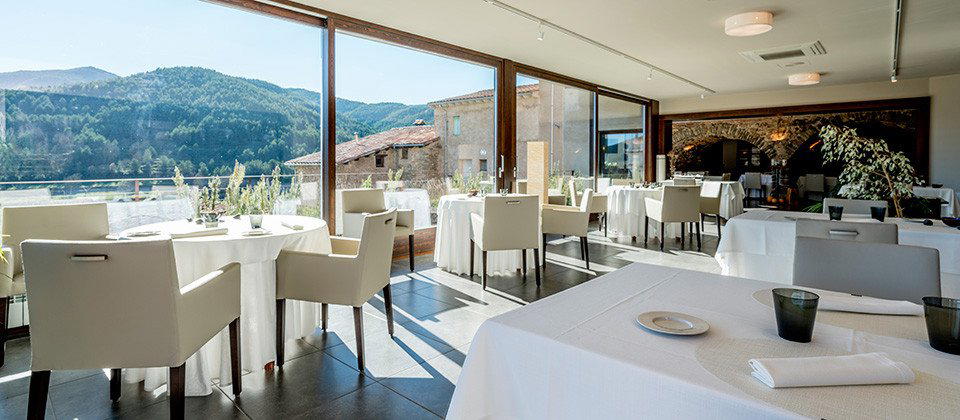
The ante-room bar at Sala is not merely a waiting area. It functions as a distinct dining zone where the set menus at lower price points are served, making the restaurant accessible at different levels of commitment. For travellers stopping along the Romanesque Route who want a serious meal without the full dining room experience, this represents a practical option worth knowing about. The main dining room, reached through the bar, operates at the full menu register and is where the kitchen's range comes through most completely.
The stone building adds a physical coherence to the experience that many restaurants in provincial Spain lack. The architecture is not decorative scenography; it is the actual fabric of a medieval Catalan village, and the restaurant occupies it without apology.
Planning a Visit to Olost and the Osona Region
Olost sits roughly 60 kilometres north of Barcelona, accessible by car along roads that wind through the Guilleries and into the Osona plain. There is no direct rail connection to the village itself; a car or arranged transfer is effectively necessary for most visitors. This logistical reality shapes who eats at Sala: it draws a mix of Barcelona residents making a deliberate day or weekend excursion, visitors travelling the Romanesque Route, and the local Osona population who have made it a long-standing reference in the comarca.
The surrounding region offers further reason to extend a visit. For those interested in pairing the meal with other cultural stops, accommodation options in Olost and the range of experiences in the area are worth consulting in advance. The Osona comarca also has a food and drink scene worth exploring. For a broader sense of what the region offers at the table, the full Olost restaurants guide is a useful starting point.
Reservations are essential. Given the Michelin recognition and the restaurant's position as one of few addresses of this standard in the comarca, securing a reservation before arriving is not optional. The shorter Friday and Saturday lunch service, closing at midday, is a detail that catches first-time visitors off guard; plan around the Wednesday-to-Sunday full service schedule if flexibility matters.
For those mapping Spain's broader starred-restaurant circuit, Sala occupies a genuinely distinct position: rural, traditional, and built on ingredients that peak in the colder months. Restaurants like Azurmendi in Larrabetzu, Martin Berasategui in Lasarte-Oria, Mugaritz in Errenteria, Ricard Camarena in València, and Atrio in Cáceres each represent different strands of Spain's starred dining scene; Sala's strand, rooted in Catalan interior cooking and seasonal game, is among the less documented but no less serious for that.
Comparable Venues
Comparable venues nearby, for context on price, style, and recognition.
| Venue | Cuisine | Price | Awards | Notes |
|---|---|---|---|---|
| SalaThis venue — the venue you are viewing | Traditional Catalan | $$$ | Michelin 1 Star | Not listed |
| Terra | Traditional Catalan | $$$ | Michelin 1 Star | Berga |
| Deliranto | Modern Spanish Contemporary | $$$ | Michelin 1 Star | Salou |
| La Fonda Xesc | Creative Catalan | $$$ | Michelin 1 Star | Gombrèn |
| Lluerna | Modern Catalan Fine Dining | $$$ | Michelin 1 Star | Santa Coloma de Gramenet |
| Quatre Molins | Creative Spanish Fine Dining | $$$ | Michelin 1 Star | Cornudella de Montsant |
Recognition history
Dated appearances from independent guides and award organizations, with the underlying list record or original source where available.
Michelin 1 Star
Michelin
Opinionated About Dining Top Restaurants in Europe Recommended
Opinionated About Dining
Michelin 1 Star
Michelin
Opinionated About Dining Top Restaurants in Europe Ranked #621
Opinionated About Dining
Michelin 1 Star
Michelin
At a Glance
- Rustic
- Classic
- Cozy
- Elegant
- Special Occasion
- Date Night
- Historic Building
- Extensive Wine List
- Local Sourcing
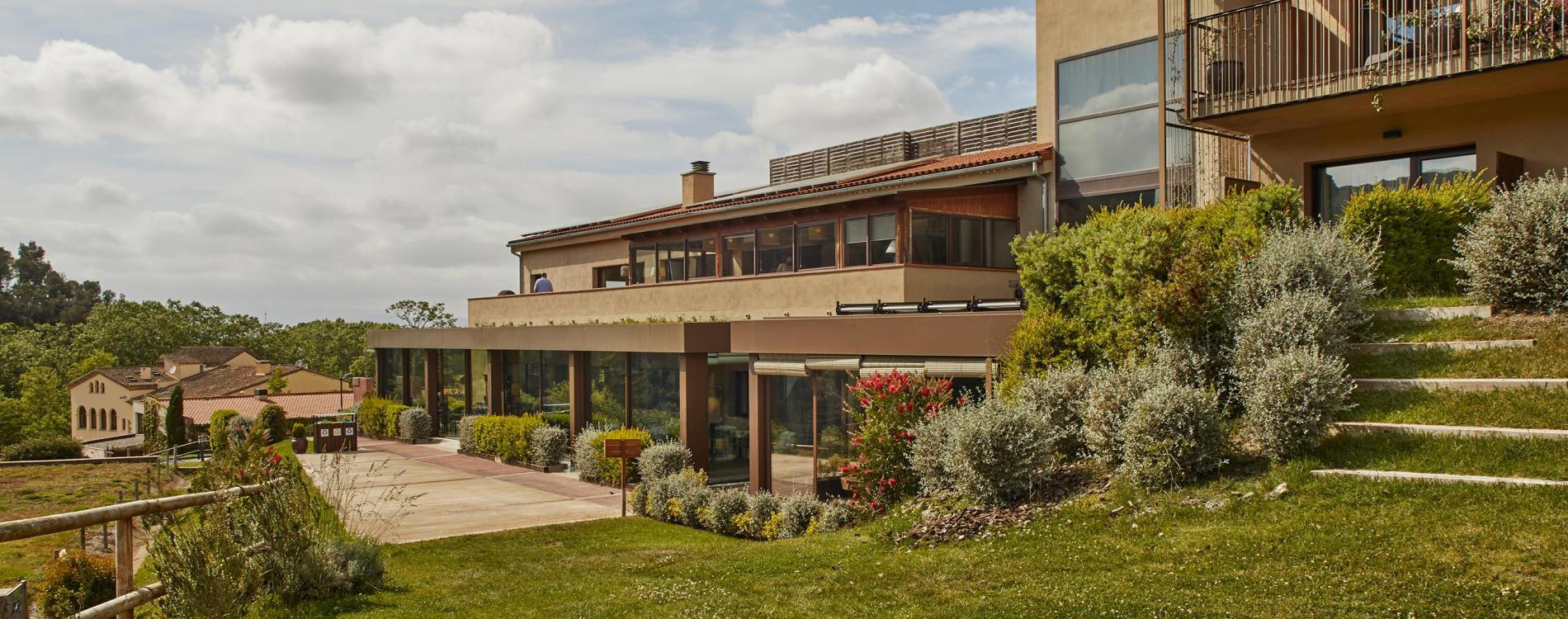
Sober, spacious dining room with impressive stone façade and rustic Catalan charm.