Sala

Sala holds a Michelin Plate (2026) and sits within Makati's Ayala Avenue dining corridor, one of Metro Manila's most closely watched restaurant addresses. Positioned on the podium level of the LV Locsin Building, it occupies a tier of the city's dining scene defined by formal intent and critical recognition rather than casual neighbourhood appeal.
Pearl is the En Primeur Club membership app — saves, bookings, and concierge access live there. Same editors, same standards.
- Address
- Podium Level, LV Locsin Building, 6752 Ayala Ave, Makati City, 1223 Metro Manila, Philippines
- Phone
- +63 2 8877 6668
- Website
- salarestaurant.com
- Directions
- Get directions
 Saves & bookings on Pearl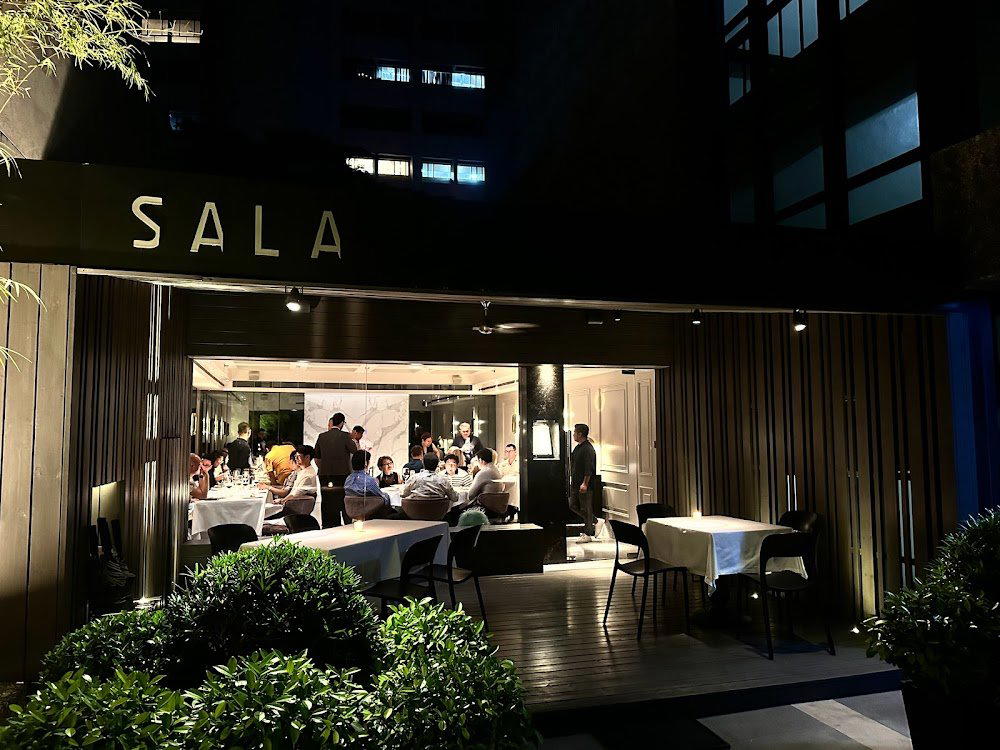
Ayala Avenue and the Makati Dining Tier It Anchors
Makati's Ayala Avenue has functioned for decades as the financial and social spine of Metro Manila's most affluent district, and the restaurants that line its corridor have shifted accordingly. What began as a stretch dominated by hotel dining rooms and business-lunch formats has, over the past fifteen years, opened up to a more varied class of independent and semi-independent dining. The podium levels and tower bases along this avenue now house some of the city's most scrutinised tables, the kind that attract Michelin inspectors when the guide extends its reach into a new territory. Sala, on the podium level of the LV Locsin Building at 6752 Ayala Ave, is a restaurant serving Modern European Fine Dining in Makati City. It holds a Michelin Plate recognition in the 2026 guide, a signal that places it within the credentialled tier of Makati dining without yet claiming a star.
A Plate indicates cooking that Michelin considers good, though not yet at star level, a meaningful distinction in a city where the gap between solid and notable is narrow and contested. Sala sits in a comparable set that includes Hapag (Filipino) and Helm among Makati's Michelin-recognised addresses, alongside Celera and Kása Palma in the broader neighbourhood conversation.
The Building and the Approach
The LV Locsin Building is one of Makati's architecturally notable addresses, a structure whose bones predate the current wave of glass-tower developments that have reshaped the Ayala district. Arriving via the podium level means passing through the kind of transitional space, part lobby, part outdoor circulation, that characterises much of Makati's mid-rise commercial stock. It is not a destination that announces itself from the street with a dramatic facade; the approach is understated in the way that many of the city's more considered dining rooms tend to be, where the signal is the address itself rather than the shopfront.
This is consistent with a broader pattern in Metro Manila's premium dining tier. Unlike Bangkok or Singapore, where ground-floor presence on a high-footfall street functions as both marketing and filtering mechanism, Manila's better restaurants frequently occupy upper-level or podium positions, relying on reputation and reservation systems to manage their audience. Sala follows that model. For visitors working through the Makati restaurants guide, it warrants consideration alongside venues that share that same refined, address-led positioning.
Evolution and the Current Direction
The editorial angle most useful for understanding Sala is not its current state in isolation but the trajectory that brought a restaurant at this address to Michelin recognition. Makati's dining scene has undergone two distinct shifts in the past decade. The first was the professionalisation of Filipino fine dining: chefs returning from overseas training, menus built around indigenous ingredients rather than continental frameworks, and a critical mass of tasting-format restaurants that earned international attention. The second, more recent shift has been a recalibration toward accessibility within formality, restaurants that carry serious culinary credentials but operate with less ceremony than the first wave of destination dining required.
Sala's Michelin Plate in 2026 positions it as a product of both waves. The recognition implies cooking that has reached a level of consistency and intent that Michelin's inspectors found credible, even if the full details of the current menu format, chef composition, and service structure are not publicly documented in ways that allow precise categorisation. The award confirms a restaurant operating at a level the inspectors found credible over repeated visits. That sustained consistency is itself a form of evolution, the move from being a notable address to being a verified one.
For comparison, the wider Philippines Michelin ecosystem places restaurants like Gallery By Chele in Manila and Linamnam in Parañaque at different points on that spectrum, while venues like Inatô in Makati represent the neighbourhood's own range of approaches. Sala's position within this geography, on Ayala Avenue rather than in the BGC corridor or the older Poblacion strip, reflects the avenue's continuing relevance as a dining address for business-adjacent and occasion dining rather than the experimental or casual formats that have proliferated elsewhere.
Where Sala Fits in the Regional Picture
Metro Manila's fine dining scene is now legible in international terms in a way it was not a decade ago. The 2023 arrival of the Michelin Guide Philippines created a formal ranking structure that allowed restaurants to position themselves against Asian peers rather than just local ones. In that context, Sala's Plate sits in the same tier of recognition as a large number of credentialled restaurants across Southeast Asia's major dining cities, a tier that includes ambitious cooking without the full allocation machinery of star-level destinations like Atomix in New York City or the reputation management required of multi-star institutions like Le Bernardin in New York City.
That positioning is commercially useful for the venue and practically useful for the reader. A Michelin Plate restaurant in Makati occupies a price and experience tier below the city's starred tables but above the broad middle of the market. Visitors planning a multi-night Manila itinerary who want critical validation without the booking difficulty of particularly in-demand counters will find the Plate tier, of which Sala is a member, to be the practical entry point. The Blackbird Makati and Bolero in Taguig occupy adjacent positions in the broader Metro Manila dining map. Regional comparisons also extend to Asador Alfonso in Cavite and Abaseria Deli and Cafe in Cebu for travellers moving beyond the capital.
Planning a Visit
Sala is on the podium level of the LV Locsin Building, 6752 Ayala Ave, Makati City, a central location that places it within walking distance of the Ayala MRT station and the core of the CBD hotel strip. Given the Michelin recognition, advance booking is advisable, particularly for dinner on Thursday through Saturday, when Makati's business-dining and occasion-dining demand converges. Visitors arriving from BGC or further afield in Metro Manila should factor in the city's traffic patterns, which make a 30-minute buffer between hotel departure and reservation time a reasonable practice on weekday evenings.
Comparable Options
Comparable venues nearby, for context on price, style, and recognition.
| Venue | Cuisine | Price | Notes |
|---|---|---|---|
| SalaThis venue — the venue you are viewing | Modern European Fine Dining | $$$$ | Not listed |
| Ember | European Contemporary Grill | $$$$ | Greenbelt |
| The Test Kitchen | Modern European Fine Dining | $$$$ | Rockwell |
| Goxo | Modern Basque with Filipino Accents | $$$$ | Salcedo Village |
| Oak & Smoke | Modern Fusion Grill with Asian Influences | $$$ | Salcedo Village |
| Papillon | Modern Southeast Asian | $$$ | Salcedo Village |
Recognition history
Dated appearances from independent guides and award organizations, with the underlying list record or original source where available.
Michelin Plate
Michelin
Continue exploring
More in Makati
Restaurants in Makati
Browse all →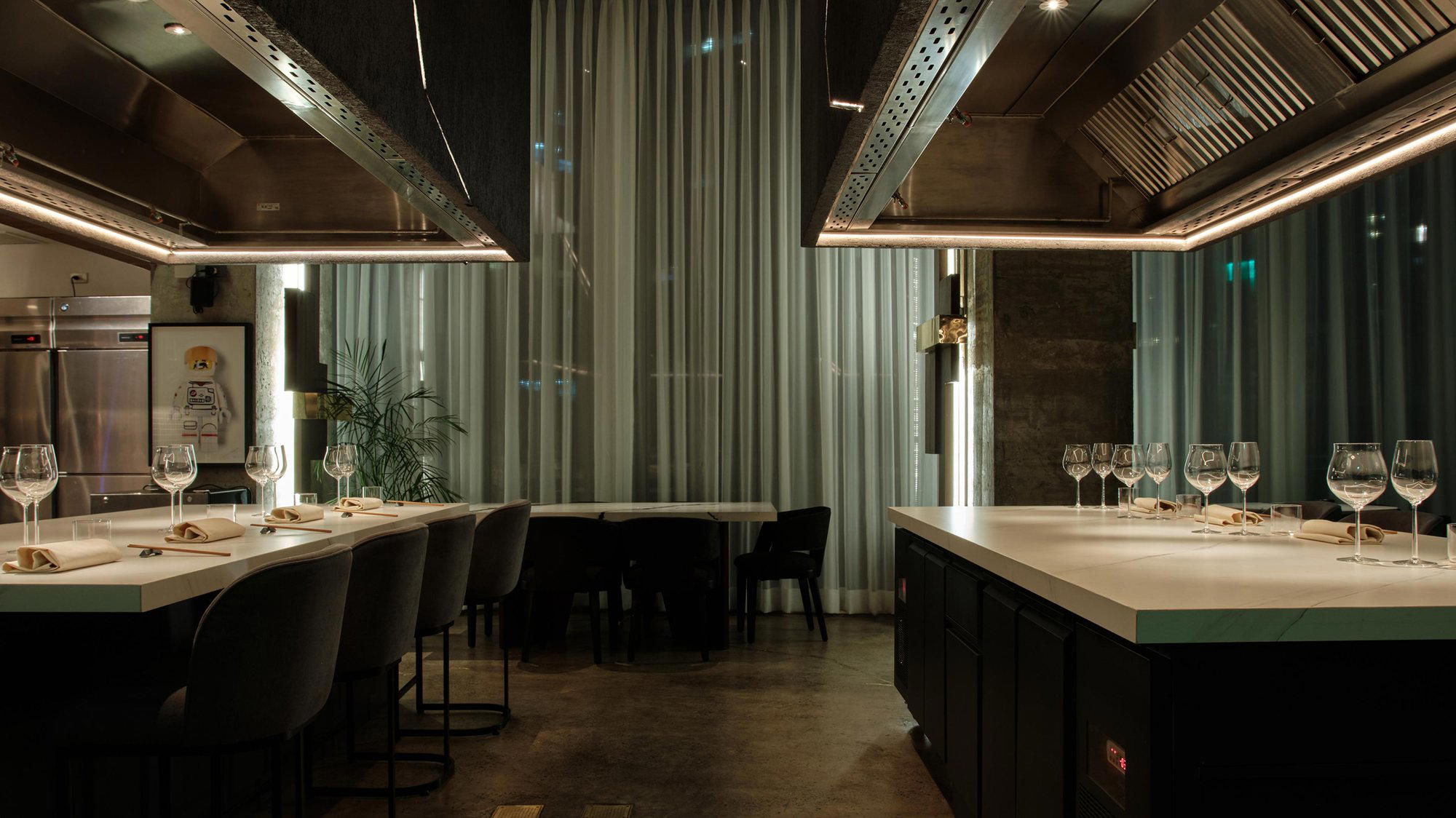

At a Glance
- Intimate
- Elegant
- Romantic
- Sophisticated
- Classic
- Date Night
- Special Occasion
- Business Dinner
- Celebration
- Private Dining
- Standalone
- Extensive Wine List
- Sommelier Led
- Corkage Allowed
- Local Sourcing
- Farm To Table
Current opening hours
- Monday
- Closed
- Tuesday
- 11 AM–2:30 PM, 6–10 PM
- Wednesday
- 11 AM–2:30 PM, 6–10 PM
- Thursday
- 11 AM–2:30 PM, 6–10 PM
- Friday
- 11 AM–2:30 PM, 6–10 PM
- Saturday
- 5–10 PM
- Sunday
- Closed
Hours can change for holidays and private events. Last verified .
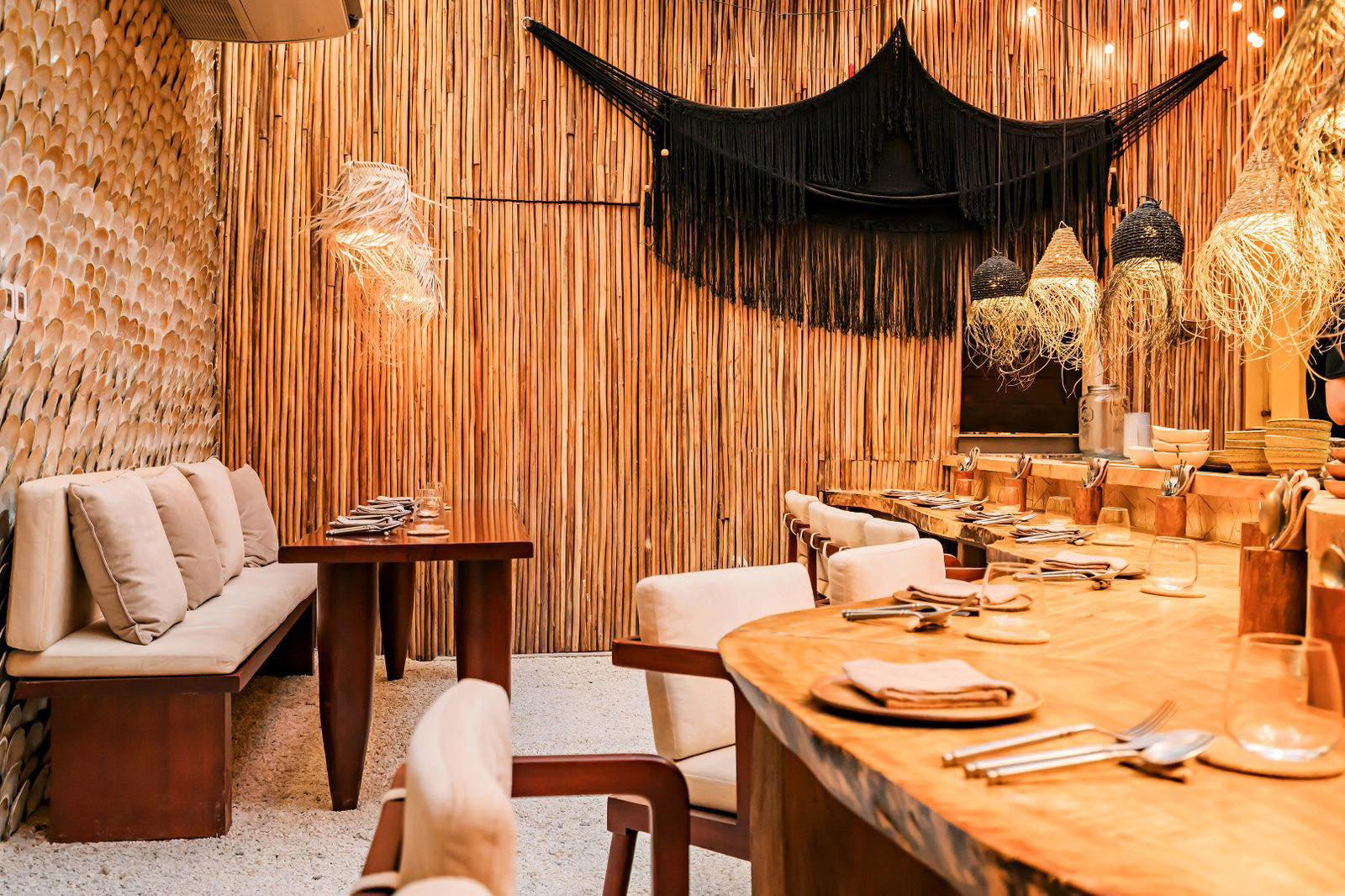
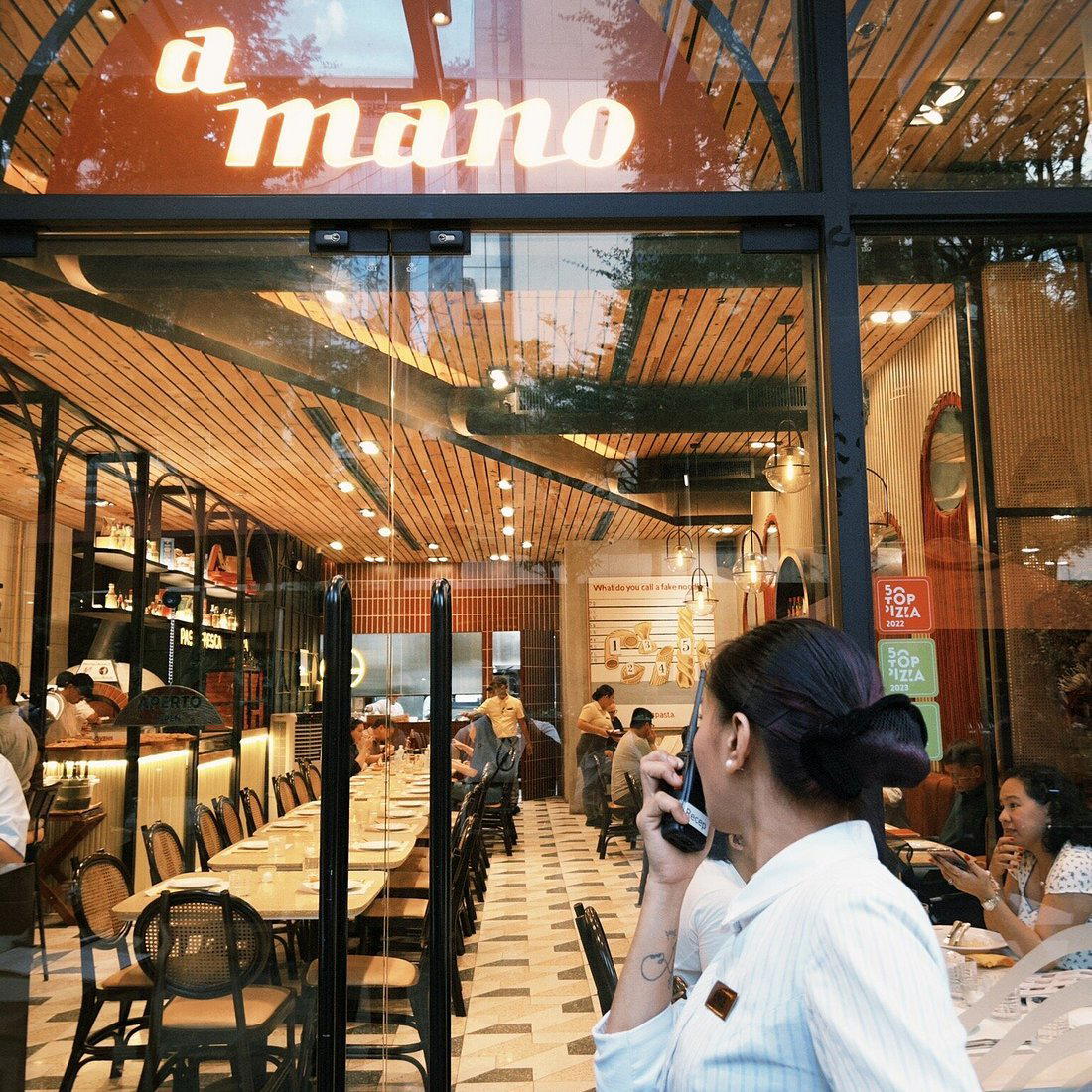
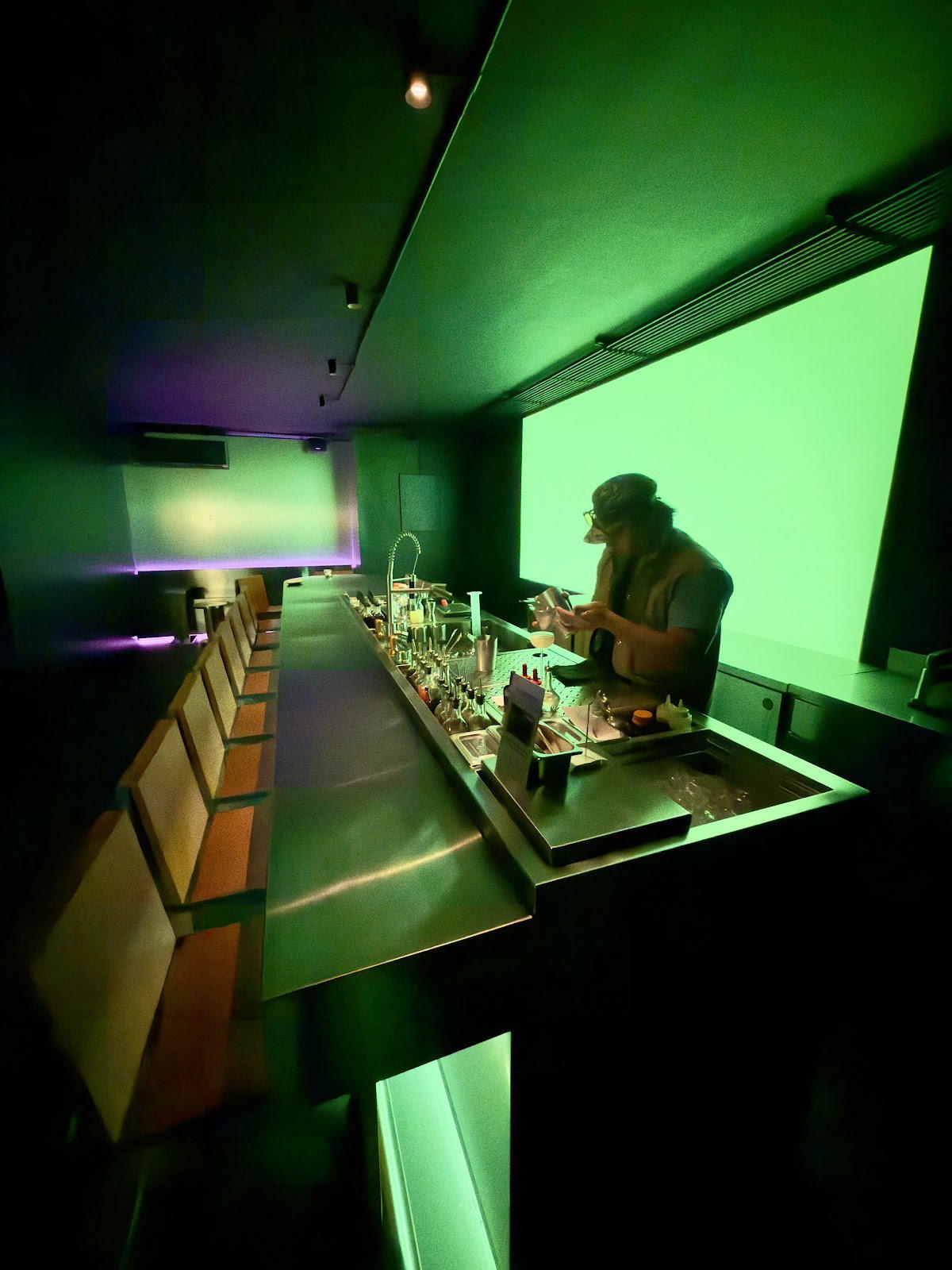
Low-light, intimate setting with understated chic decor, linen tablecloths, and a serene, calm atmosphere that feels both elegant and welcoming.