Sakura
Our verdict
Sakura sits on historic Route 66 in Flagstaff, Arizona, bringing Japanese culinary tradition to a high-desert city better known for its proximity to the Grand Canyon than its dining scene. The restaurant's address on one of America's most storied highways places it at an unlikely cultural crossroads, where the discipline of Japanese cooking meets the informality of a mountain college town.

Pearl is the En Primeur Club membership app — saves, bookings, and concierge access live there. Same editors, same standards.
- Address
- 1175 W Rte 66, Flagstaff, AZ 86001
- Phone
- (928) 773-8880
- Hours
- Daily 4–9 PM
- Website
- hilton.com
- Directions
- Get directions
- Booking
- Book on OpenTable
The menu
What to order
- Sakura Roll
- Volcano Roll
- Miso Honey Mahi Mahi
- Hibachi Filet Mignon & Lobster
Where Route 66 Meets Japanese Discipline
Route 66 is many things to many travelers: a symbol of mid-century American restlessness, a road through red rock and ponderosa pine, a corridor that once connected Chicago to the Pacific. What it has rarely been, at least in the popular imagination, is a setting for Japanese dining. Sakura occupies a stretch of that road in Flagstaff, Arizona, at 1175 West Route 66, and the cultural friction embedded in that address is worth thinking about before you arrive. Japanese cuisine carries with it a set of expectations rooted in precision, sourcing discipline, and a long tradition of craft that has no particular obligation to adapt to its surroundings. That it has taken root in Flagstaff, a city of roughly 75,000 people sitting at 7,000 feet in the ponderosa pine belt of northern Arizona, says something about how Japanese food culture travels.
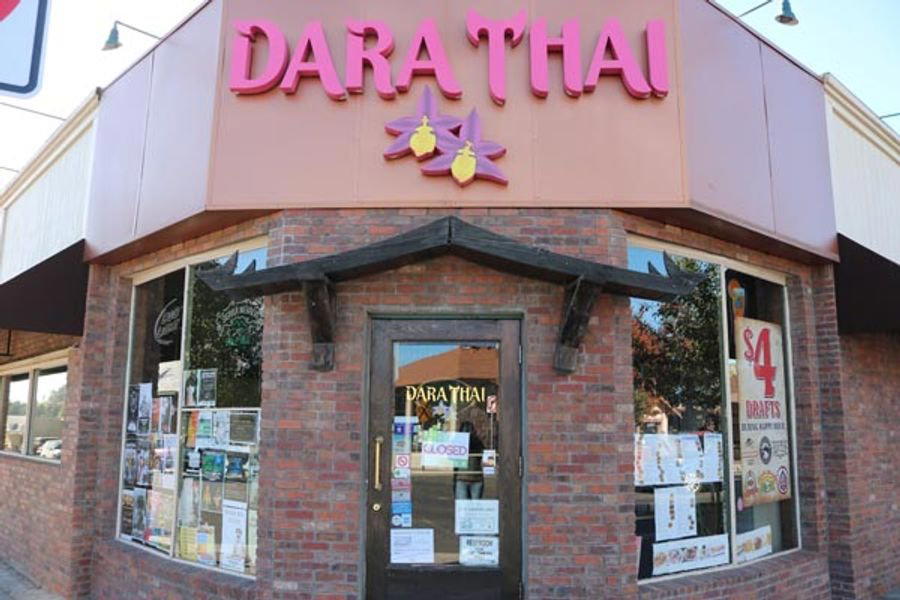
Flagstaff's dining identity has historically been shaped by its dual role as a university town (Northern Arizona University enrolls around 30,000 students) and a gateway city for Grand Canyon tourism. The restaurant scene reflects that: a mix of casual formats serving high foot-traffic needs, with a smaller tier of more deliberate dining rooms that serve the city's permanent residents and repeat visitors. Brandy's Restaurant & Bakery anchors the breakfast and brunch tradition; Diablo Burger has built a reputation in the casual American space; Dara Thai covers Southeast Asian; and FLG Terroir Wine Bar & Bistro and Forêt operate in the more considered dining tier. Sakura belongs to the Asian cuisine segment of that broader mix, addressing a culinary tradition that has gained significant traction across mid-sized American cities over the past two decades.
The Cultural Architecture of Japanese Cooking
Understanding what a Japanese restaurant in a place like Flagstaff is actually doing requires a short detour into what Japanese cuisine expects of itself. The Japanese culinary tradition, across its many registers from ramen shops to kaiseki rooms, operates on the principle that technique, ingredient quality, and presentation are not separable concerns. A bowl of ramen requires stock-building that can run 12 to 18 hours. Sushi demands knife work and rice seasoning that take years to develop. Tempura batter must be mixed minimally and used cold. These are not stylistic preferences; they are structural requirements of the cuisine. When Japanese restaurants succeed outside Japan, it is usually because those underlying standards have been maintained regardless of the local context.
That same standard-setting dynamic has produced some of the most respected Japanese-influenced restaurants in the United States. At the high end of American dining, the influence of Japanese technique is now embedded across the country: Le Bernardin in New York City has long cited Japanese precision in seafood handling; Alinea in Chicago draws on Japanese aesthetics of minimalism and plate composition; Atomix in New York City demonstrates how Korean-Japanese fusion can operate at the highest level of American fine dining. Further afield, 8 1/2 Otto e Mezzo Bombana in Hong Kong shows how Asian cities have absorbed and amplified European technique in parallel. The appetite for Japanese culinary discipline, in other words, is not confined to coastal American cities or to Michelin-mapped destinations.
Flagstaff sits well outside those rarefied tiers, and that is precisely what makes a venue like Sakura worth considering in its own right. Mid-sized inland cities have become testing grounds for how Japanese food culture translates when stripped of the infrastructure that supports it in major metropolitan areas: the wholesale fish markets, the specialist ingredient importers, the deep bench of trained cooks. What remains when those supports are absent is the question of whether the culinary philosophy itself is portable. The evidence from cities across the American interior suggests that it is, provided the kitchen is willing to make considered sourcing decisions and resist the drift toward generic pan-Asian menus that serve the lowest common denominator of American expectations.
Sakura in Context: What Flagstaff's Japanese Dining Tier Looks Like
Flagstaff is not a city where Japanese restaurants compete within a crowded, internally differentiated tier. There is no equivalent to the density of Japanese options available in, say, Phoenix or Los Angeles, where a diner can choose between izakaya formats, dedicated ramen shops, omakase counters, and sushi bars within the same neighbourhood. In Flagstaff, the choice is more binary: a restaurant either takes the cuisine seriously or it positions itself as a broadly accessible Asian option that happens to carry a Japanese-sounding name. That distinction matters for how a visitor or local should calibrate expectations before arriving.
Among the broader American fine dining context, the restaurants that represent the highest tier of the craft, from The French Laundry in Napa to Single Thread Farm in Healdsburg, Lazy Bear in San Francisco, Providence in Los Angeles, Addison in San Diego, Blue Hill at Stone Barns in Tarrytown, The Inn at Little Washington, and Emeril's in New Orleans, all operate at a scale and resource level that Flagstaff's dining tier does not approach. That comparison is not a criticism of Sakura; it is a reminder that regional Japanese dining in a mountain city serves a different, and genuinely useful, function. It brings a culinary tradition with deep cultural specificity to a place where that tradition would otherwise be absent.
For visitors arriving via Route 66 or passing through on the way to the Grand Canyon, Sakura's location on the historic highway is a practical convenience. Flagstaff sits roughly 80 miles south of the Grand Canyon's South Rim, and the city functions as the primary overnight hub for canyon visitors driving from the east. That travel pattern means many diners arriving at Sakura are encountering the city's restaurant scene without prior knowledge of it. Checking the full Flagstaff restaurants guide before arrival will help calibrate which meal occasions each venue is suited for.
Planning Your Visit
Sakura is located at 1175 West Route 66, on a commercial strip west of downtown Flagstaff that is accessible by car and reasonably close to several of the city's midrange hotels. Flagstaff's dining scene operates at a pace that reflects a small city: some venues fill early on weekend evenings, particularly during summer canyon season and when Northern Arizona University's academic calendar brings additional traffic to the city. Arriving with confirmed booking details rather than assuming walk-in availability is the prudent approach during those windows.
Frequently asked questions
Where exactly is Sakura?
Sakura is located at 1175 W Rte 66, Flagstaff, AZ 86001, Flagstaff.
Is Sakura in Flagstaff a good dining option for travelers passing through on a Route 66 road trip?
Flagstaff sits at a natural rest point on the historic Route 66 alignment through northern Arizona, roughly equidistant between Albuquerque and the California border. Sakura's address at 1175 West Route 66 puts it directly on the corridor, making it a logistically convenient stop for through-travelers rather than a detour. Japanese restaurants in this geographic context are sparse, so Sakura occupies a category with little direct local competition.
What should I eat at Sakura?
EP Club does not hold verified menu data for Sakura at 1175 West Route 66, so dish-level recommendations cannot be made responsibly here. Japanese restaurants operating in smaller American cities like Flagstaff typically anchor their menus around sushi, ramen, or bento formats. Checking directly with the restaurant before visiting is the clearest way to confirm current offerings and any seasonal changes.
Is Sakura reservation-only?
Flagstaff draws a steady mix of Route 66 road travelers and university-area regulars, which can create uneven demand at independent restaurants on this corridor. Contacting Sakura directly at 1175 West Route 66 before arrival is advisable, particularly on weekends or during peak summer travel season.
What's the standout thing about Sakura?
The address is the editorial hook: a Japanese restaurant operating on Route 66 in Flagstaff places a cuisine rooted in precision and restraint against one of America's most mythologized highway corridors, at 7,000 feet elevation in the ponderosa pine belt. That geographic tension — between mid-century American road culture and Japanese culinary tradition — gives Sakura a context that few comparable restaurants share. Whether the food matches that framing requires firsthand verification.
Can Sakura accommodate dietary restrictions?
Japanese menus broadly involve soy, gluten via soy sauce, and shellfish as baseline considerations. Anyone with serious allergies should check the venue's official channels at 1175 West Route 66, Flagstaff, before booking.
Pricing, Compared
Comparable venues nearby, for context on price, style, and recognition.
| Venue | Cuisine | Price | Notes |
|---|---|---|---|
| SakuraThis venue — the venue you are viewing | Japanese Sushi & Teppanyaki | $30–50 | Not listed |
| Dara Thai | Authentic Thai | $20–30 | Downtown Flagstaff, Authentic Thai |
| Tinderbox Kitchen | Progressive American High Desert Cuisine | $50–100 | Downtown Flagstaff, Progressive American High Desert Cuisine |
| Forêt | French-Inspired Café | $20–30 | Downtown Flagstaff, French-Inspired Café |
| Diablo Burger | Local Farm-to-Table Burgers | $10–20 | Old Town, Local Farm-to-Table Burgers |
| Josephine's Restaurant | Modern American Bistro | $50–100 | Downtown Flagstaff, Modern American Bistro |
Continue exploring
More in Flagstaff
Restaurants in Flagstaff
Browse all →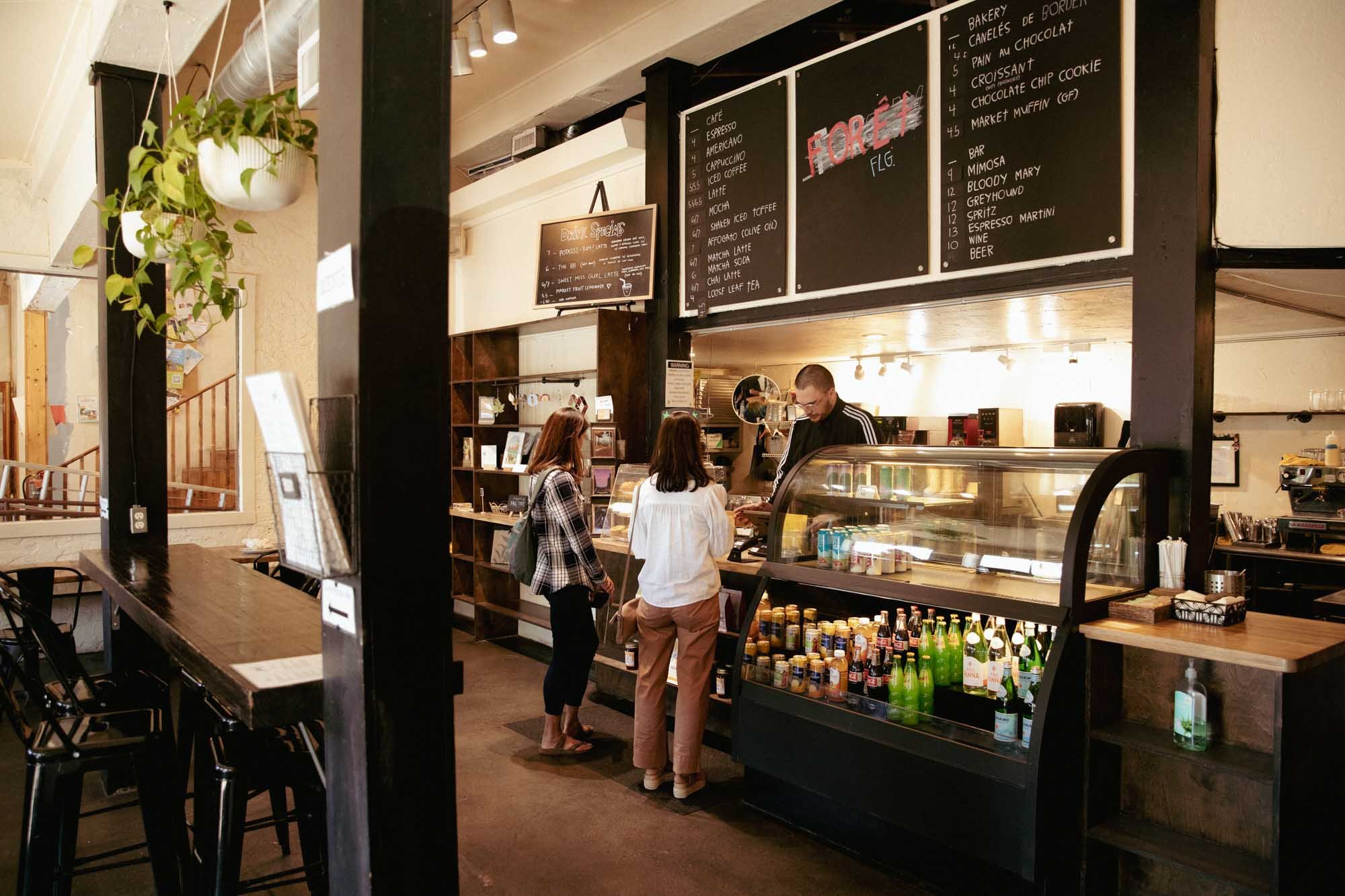
Bars in Flagstaff
Browse all →
Details
- Lively
- Energetic
- Group Dining
- Family
- Casual Hangout
- Open Kitchen
- Hotel Restaurant
- Sake Program
- A La Carte
- Vegetarian Friendly
- Vegan Options
- Gluten Free Options
Current opening hours
- Monday
- 4–9 PM
- Tuesday
- 4–9 PM
- Wednesday
- 4–9 PM
- Thursday
- 4–9 PM
- Friday
- 4–9 PM
- Saturday
- 4–9 PM
- Sunday
- 4–9 PM
Hours can change for holidays and private events. Last verified .
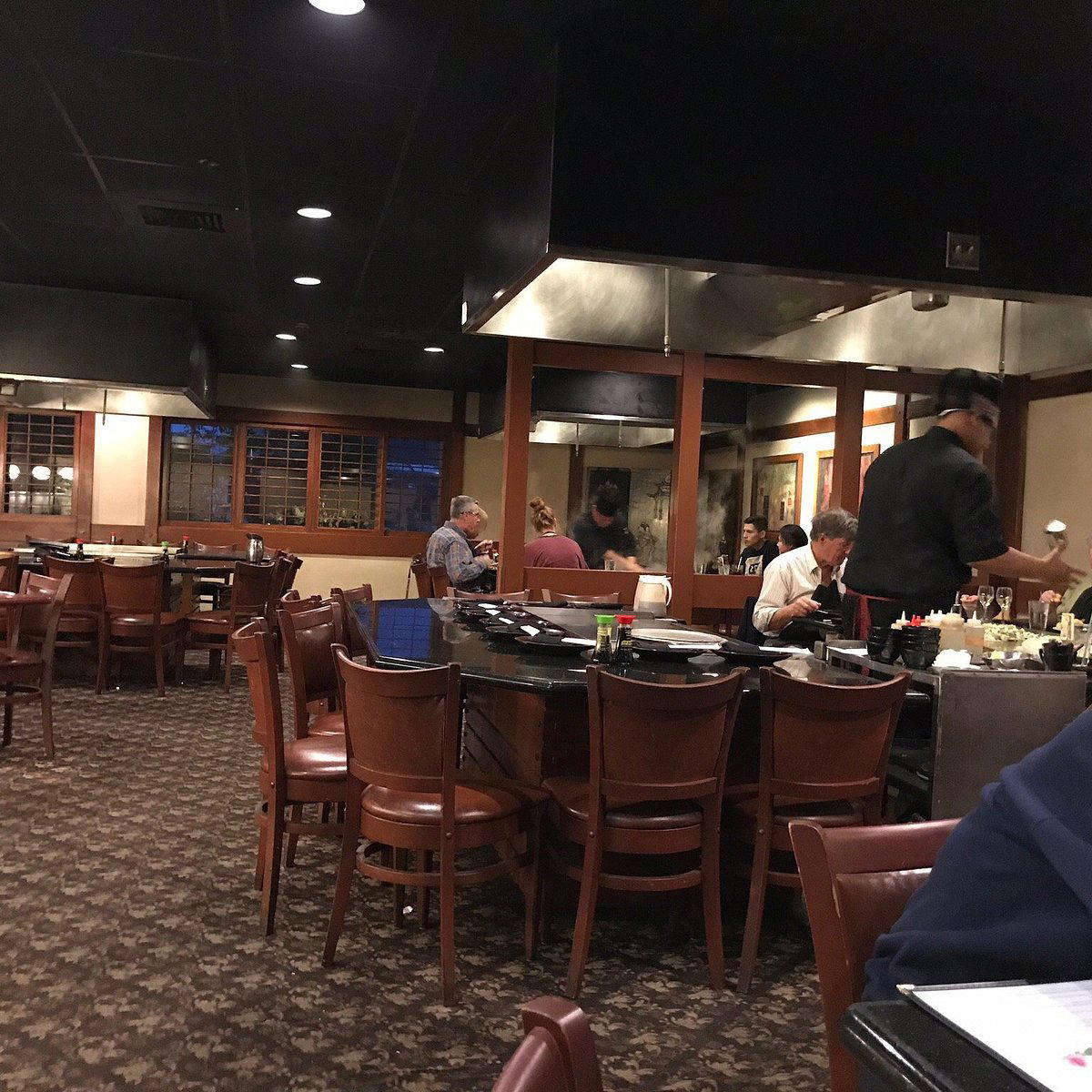
Energetic atmosphere with lively teppanyaki chef performances and open sushi bar preparation.