Amara Resort and Spa

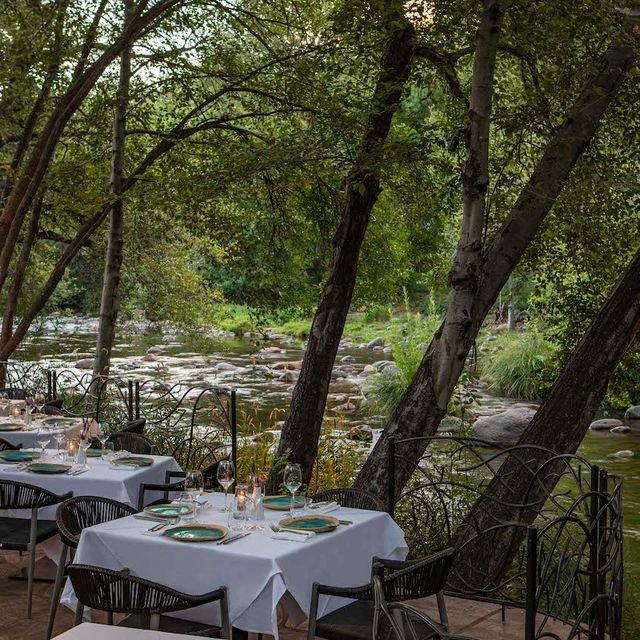
Amara Resort and Spa sits along Sedona's Oak Creek corridor, positioning itself as a mid-scale boutique alternative to the canyon-rim properties that dominate the upper tier of the local market. The property draws visitors who want proximity to the red rock terrain without the full-scale spa immersion formats of Enchantment or Mii amo. Its creek-side setting and contained footprint make it a coherent base for exploring Sedona's trails and town center.
Pearl is the En Primeur Club membership app — saves, bookings, and concierge access live there. Same editors, same standards.
- Address
- 100 Amara Ln #101, Sedona, AZ 86336
- Phone
- +1 844 489 9662
- Website
- amararesort.com
- Directions
- Get directions
 Saves & bookings on Pearl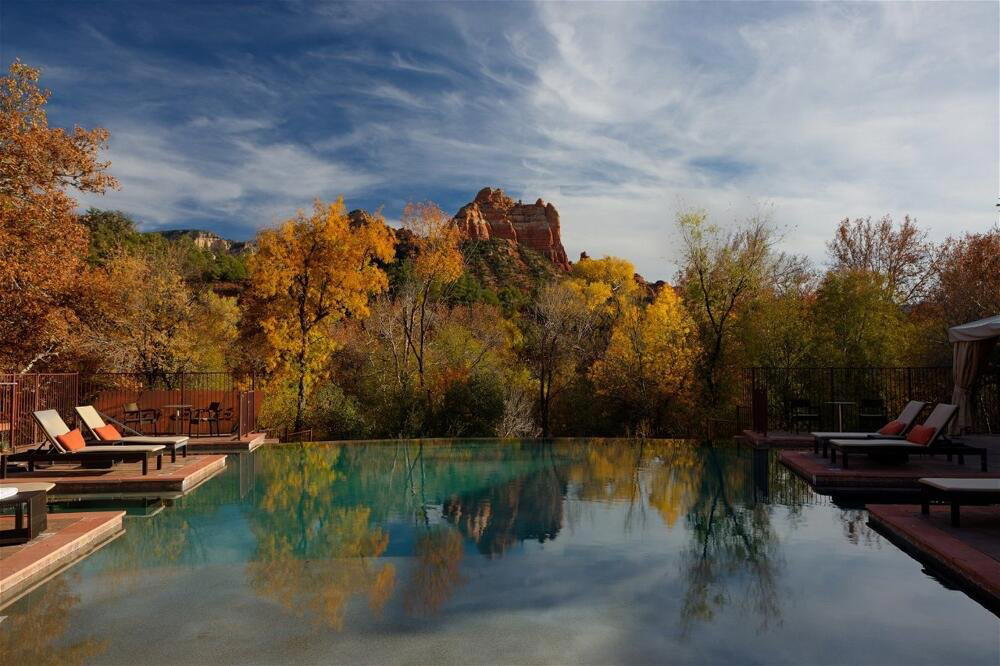
A Creek-Side Address in a Canyon-Dominated Market
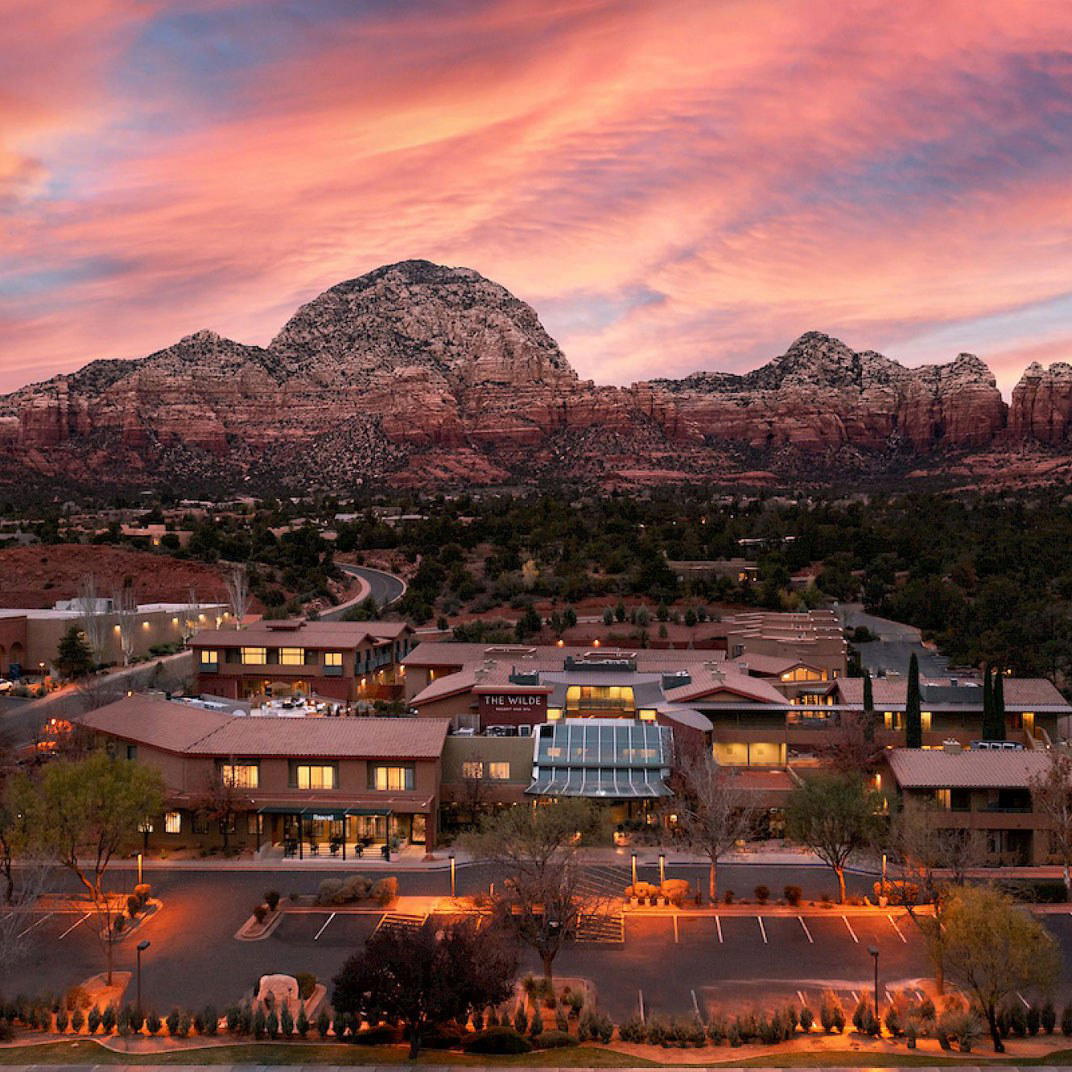
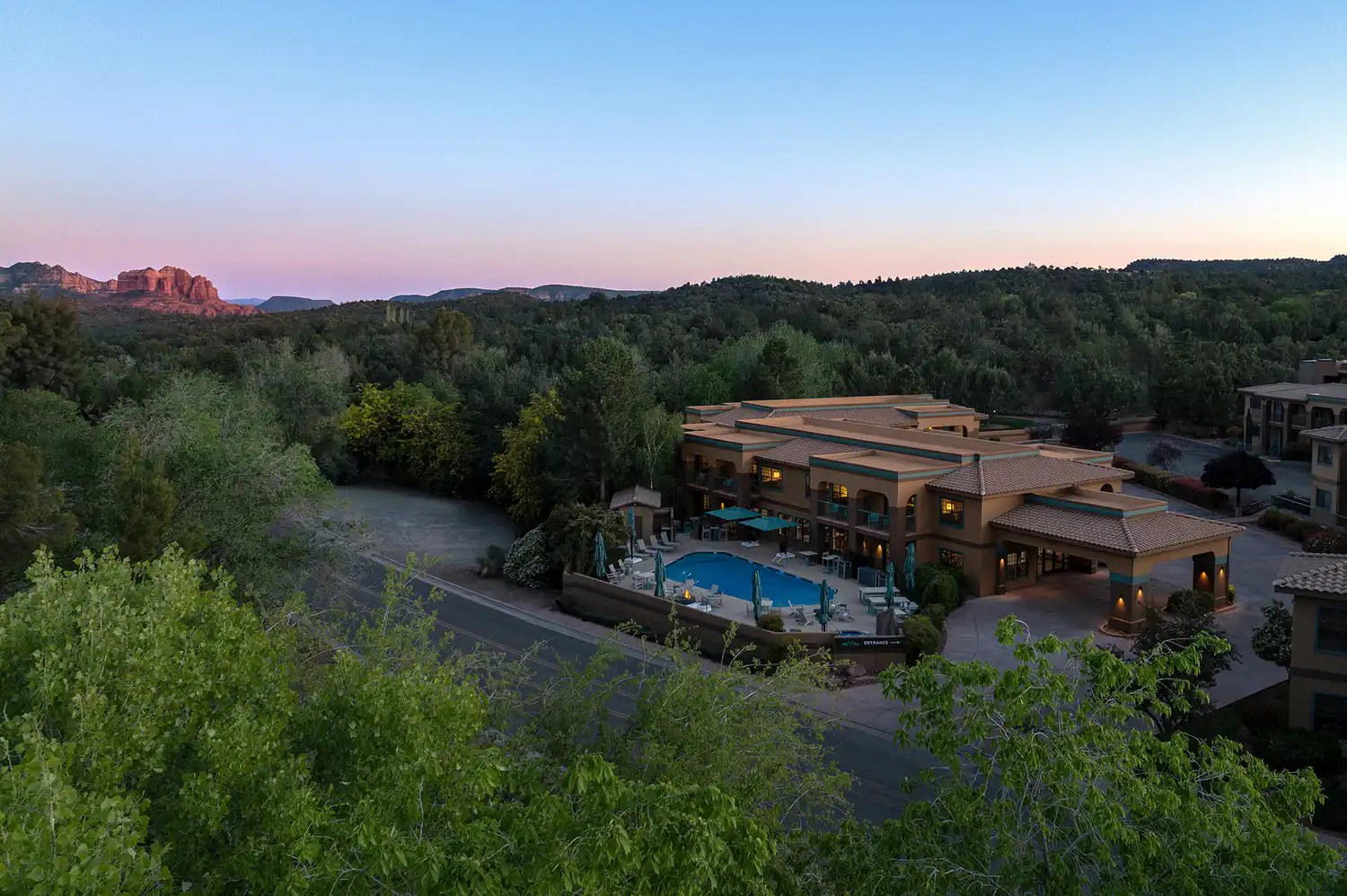
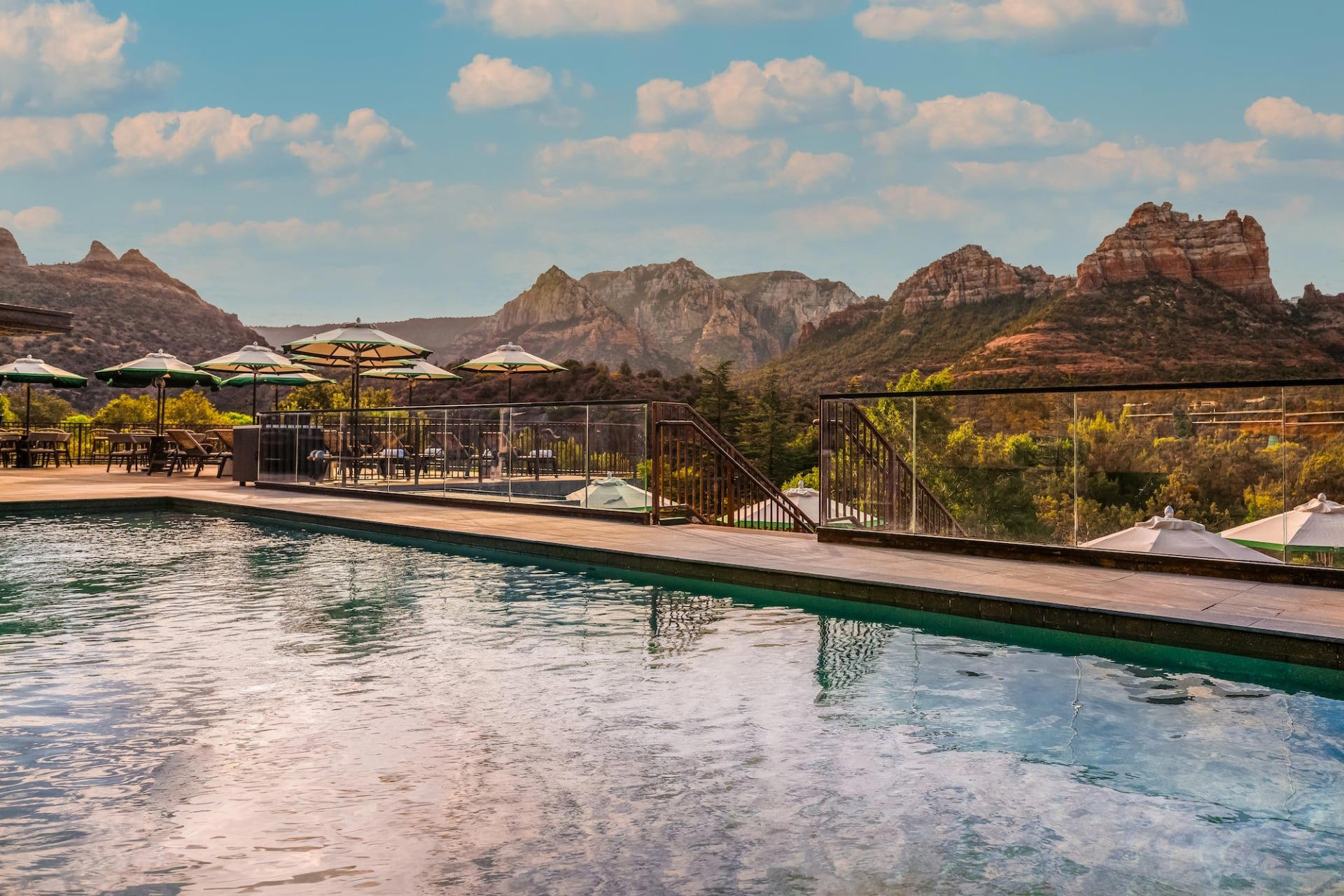
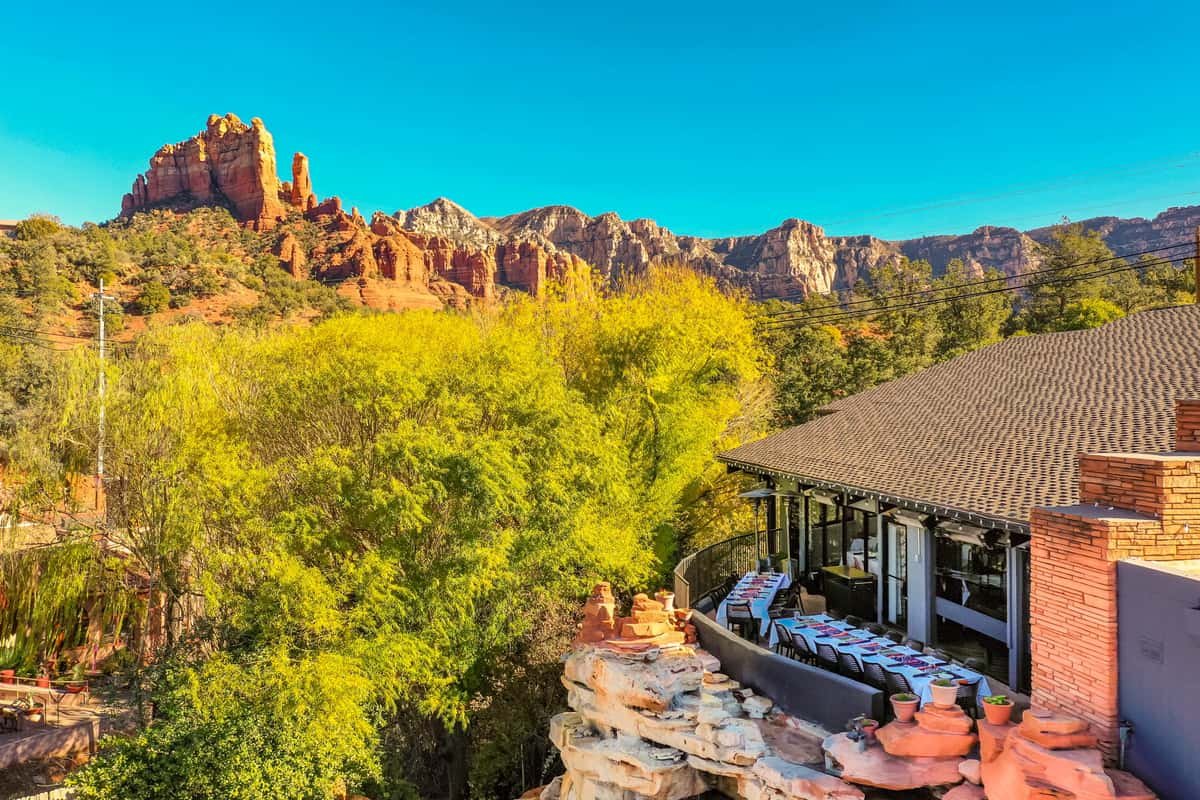
Sedona's accommodation market divides roughly into two registers: the canyon-rim, full-immersion resort (where properties like Enchantment Resort and Mii amo operate on destination-spa logic, pulling guests into multi-day programming well away from town) and the creek-adjacent boutique hotel, which trades immersive isolation for access. Amara Resort and Spa belongs firmly to the second category. Its address on Oak Creek places it within reach of Sedona's uptown retail and restaurant corridor while still offering the territorial scale that draws visitors to northern Arizona in the first place. From the property, the red sandstone formations that define this part of the Colorado Plateau frame the sightlines in most directions, giving even a pedestrian-level view the compressed drama that photographers spend years trying to capture from the canyon rim above.
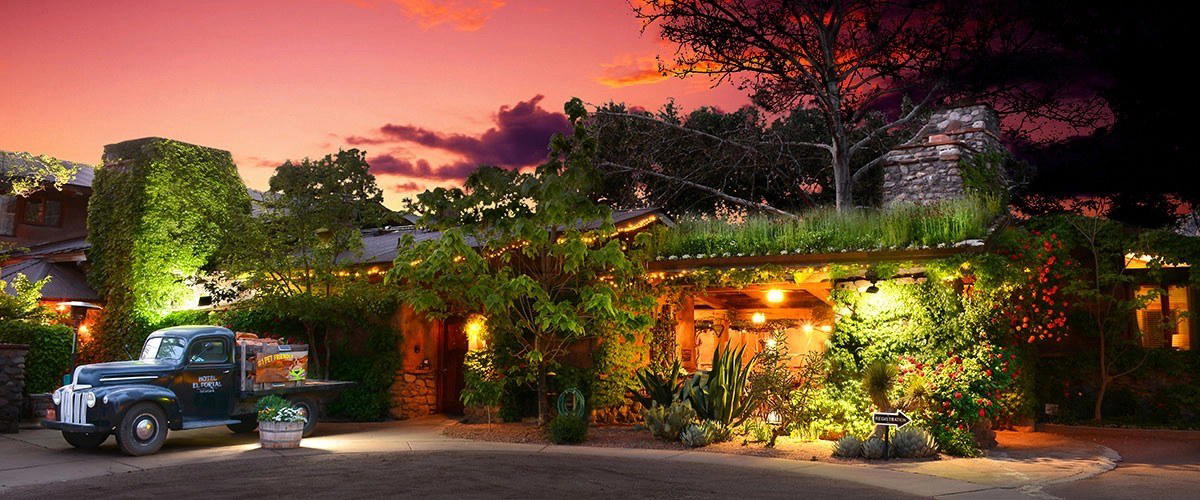
That positioning matters when comparing Amara against its Sedona comparable set. L'Auberge de Sedona also works the creek-side format but pitches considerably higher on price and resort programming, with a kitchen that draws dining guests who are not staying on property. El Portal takes a different approach altogether, leaning into hacienda-style architecture and a boutique inn sensibility at low key counts. Amara occupies a middle register between those poles: more amenities than El Portal, less ceremony than L'Auberge. For travelers who want the red rock setting without committing to a full wellness retreat or a white-tablecloth dinner as the organizing principle of their stay, that positioning is coherent and practical.
Architecture Shaped by Its Terrain
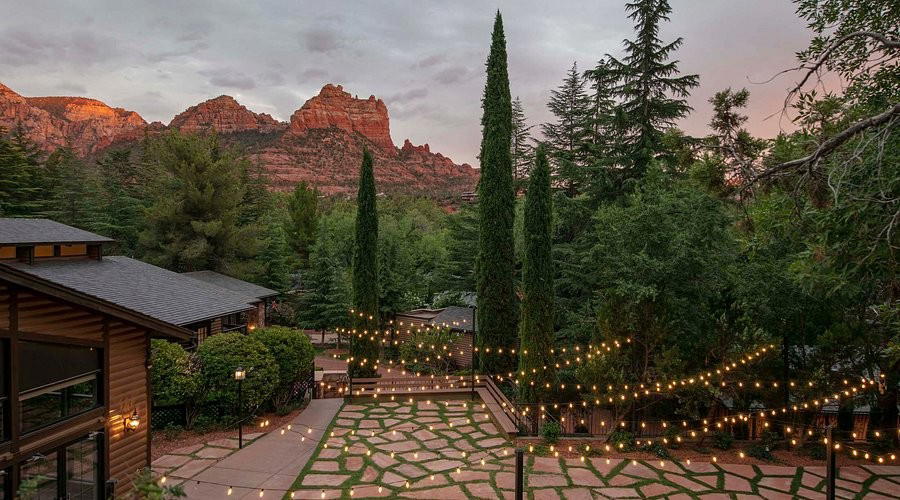
In Sedona, architecture is always in conversation with geology. The town sits inside a bowl of Permian and Triassic sandstone formations, and the red and ochre tones of the rock set a chromatic baseline that most properties either echo or pointedly contrast. Amara's built environment leans into that regional palette rather than fighting it. The low-rise structure and warm material tones keep the property from asserting itself against the landscape, which is the correct instinct in a setting where the surroundings will always win the visual competition.
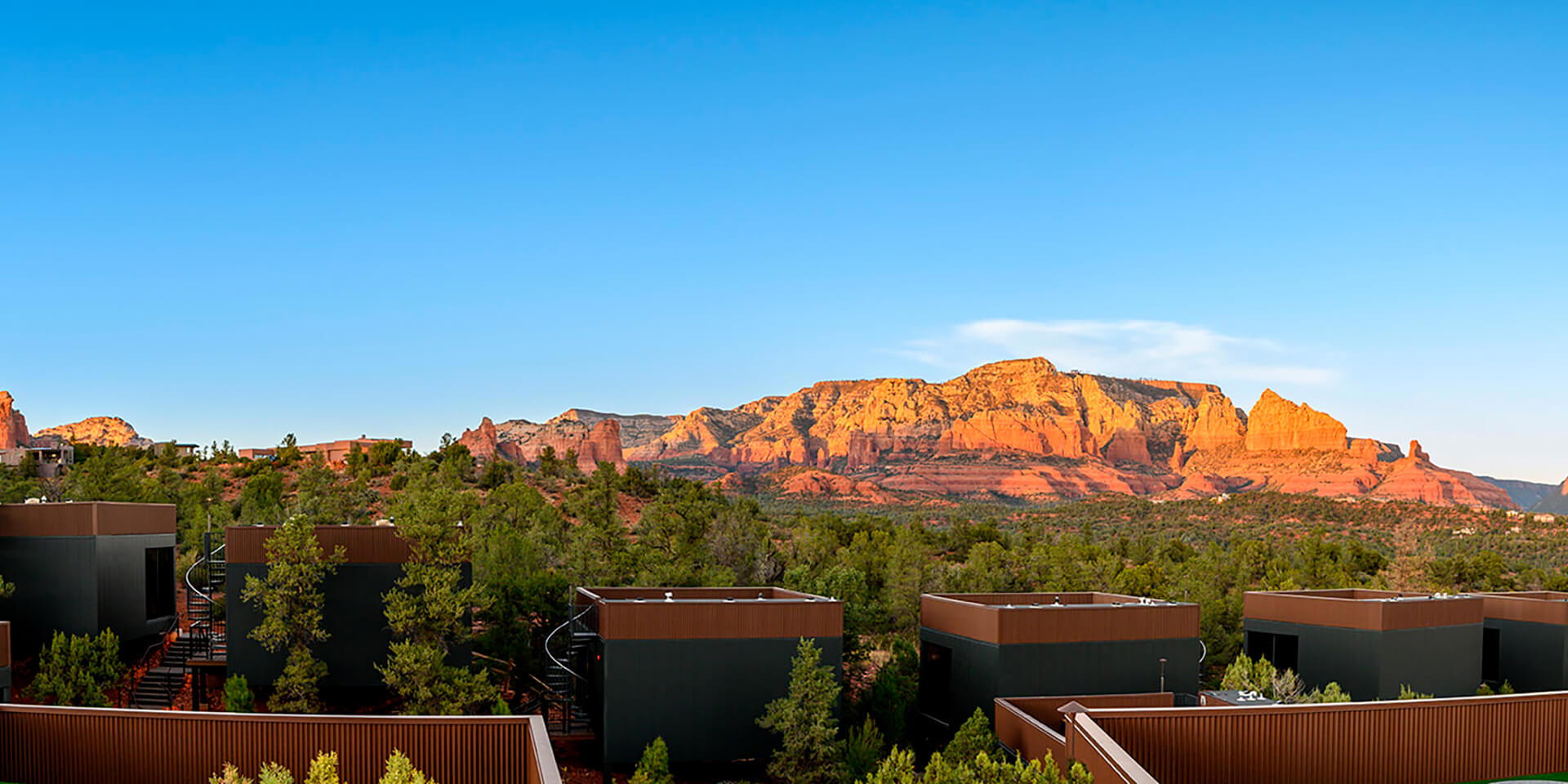
This approach to site-responsive design is increasingly common among desert Southwest properties that have studied what works over time. Contrast the strategy with properties elsewhere in the American West that impose glass-and-steel modernism on landscapes that resist it. In Sedona specifically, the horizontal scale of the terrain rewards buildings that spread low and defer. Ambiente, A Landscape Hotel represents the more architecturally ambitious end of this local spectrum, with cantilevered structures designed explicitly around the view corridors. Amara is more restrained in its formal ambitions, but shares the same underlying discipline: the landscape is primary, the building secondary.
That philosophy connects Amara to a broader pattern visible across high-desert resort design in the American Southwest. Properties like Amangiri in Canyon Point have set a regional standard for how to embed architecture in extreme terrain without disrupting its visual logic. Post Ranch Inn in Big Sur applies similar thinking to a coastal cliff setting. The common thread is deference: the building serves the landscape, not the other way around. Amara operates within that tradition without claiming to push its limits.
The Spa as Anchor, Not Spectacle
Sedona has a well-established reputation as a wellness destination, rooted partly in the region's vortex mythology and partly in the direct logic that high-altitude desert terrain with minimal light pollution and dramatic natural scenery is a credible backdrop for spa programming. The market has responded with facilities ranging from day spas attached to modest hotels up to the dedicated destination formats represented by Mii amo, which operates on an all-inclusive, minimum-stay model and competes in a national conversation about wellness retreat design alongside properties like Canyon Ranch Tucson.
Amara's spa sits between those extremes: present and functional as a resort amenity, but not the organizing logic of a stay. Guests who arrive primarily for trail access, photography, or the town's gallery circuit will find the spa useful but not mandatory. That flexibility is itself a design decision, and one that differentiates the property from the Sedona resorts where spa programming is deeply integrated into the booking and pricing structure.
Sedona's comparable set in Broader Context
Placing Amara in a national context helps clarify what it offers and what it doesn't. Across the American luxury travel market, creek-side and landscape-adjacent boutique hotels have carved out a durable niche between the full-service resort and the design inn. Sage Lodge in Pray, Montana, operates on similar logic: a modest but well-positioned property where the surrounding terrain does the heavy lifting. Troutbeck in Amenia applies a comparable framework in a Hudson Valley setting. What these properties share is a willingness to let the location carry the experience, rather than building programming density to justify the rate.
At the higher end of the market, canyon-adjacent luxury in the American West is represented by properties with significantly greater capital investment: Amangiri in Utah's Grand Staircase territory commands rates that reflect both its architectural ambition and its extreme remoteness. Amara sits nowhere near that tier, which is precisely the point for visitors who want the red rock experience without the full Aman commitment. For those seeking that level, the Sedona market's own upper bracket, represented by Enchantment and Mii amo, is the more direct comparison.
For travelers calibrating across a broader Southwest itinerary, Sedona itself is often combined with Phoenix, Scottsdale, or Flagstaff stops. Amara's uptown Sedona location makes it a logistically clean base for that kind of multi-destination trip: close to AZ-89A and within reasonable driving distance of the Grand Canyon's South Rim, which sits roughly an hour and a half north.
Planning Your Stay
Sedona's peak season runs from March through May and again in October and November, when the desert temperatures are moderate and the light on the red rock formations is at its most photogenic. Summer visits are possible but require heat management: afternoon temperatures regularly exceed 95°F in July and August, and most serious hiking shifts to early morning. Winter stays are the value window, with rates across the market dropping and crowds thinning, though the occasional cold snap can close higher-elevation trails.
Amara's Oak Creek address places it walking distance from Tlaquepaque Arts and Shopping Village and a short drive from the main trailheads at Cathedral Rock and Bell Rock. Guests arriving by air typically fly into Phoenix Sky Harbor, roughly two hours south by car, or Flagstaff Pulliam Airport, about 45 minutes north. Sedona has no train service, and rideshare availability is limited once you're off the main commercial strip, so a rental car is the practical default for most itineraries. For comparison properties at a similar mid-tier independent positioning in other American destinations, Alpine Falls Ranch in Superior and 1 Hotel San Francisco offer useful reference points for what landscape-responsive hospitality looks like across different regional contexts.
Comparison Snapshot
Comparable venues nearby, for context on price, style, and recognition.
| Venue | Cuisine | Price | Awards | Notes |
|---|---|---|---|---|
| Amara Resort and SpaThis venue — the venue you are viewing | Boutique resort with tree lodge aesthetic inspired by Sedona's natural surroundings | $$$$ | 4-Star | Not listed |
| Enchantment Resort | Southwestern casitas set in red rock canyon | $$$$ | 5-Star | Boynton Canyon |
| L'Auberge de Sedona | Creekside luxury resort with cottages and suites | $$$$ | 4-Star | Sedona |
| The Wilde Resort & Spa | Mediterranean-inspired boutique resort with Red Rock infused design | $$$$ | 4-Star | West Sedona |
| Mountain Modern Sedona | Contemporary mountain basecamp blending Southwestern charm with modern design, purpose-built for adventure seekers and wellness travelers. | $$ | 4-Star | West Sedona |
| Mii amo | Luxury all-inclusive wellness resort with Southwest adobe architecture and midcentury modern design elements integrated into natural canyon landscape. | $$$$ | 5-Star | Boynton Canyon |
Recognition history
Dated appearances from independent guides and award organizations, with the underlying list record or original source where available.
Michelin Selected
Michelin
At a Glance
- Scenic
- Elegant
- Sophisticated
- Romantic
- Cozy
- Romantic Getaway
- Wellness Retreat
- Honeymoon
- Weekend Escape
- Infinity Pool
- Destination Spa
- Panoramic View
- Spa
- Pool
- Fitness Center
- Wi Fi
- Valet Parking
- Room Service
- Concierge
- EV Charging
- Mountain
- Garden
- Spa
- Pool
- Fitness Center
- Wi Fi
- Valet Parking
- Room Service
- Concierge
- EV Charging
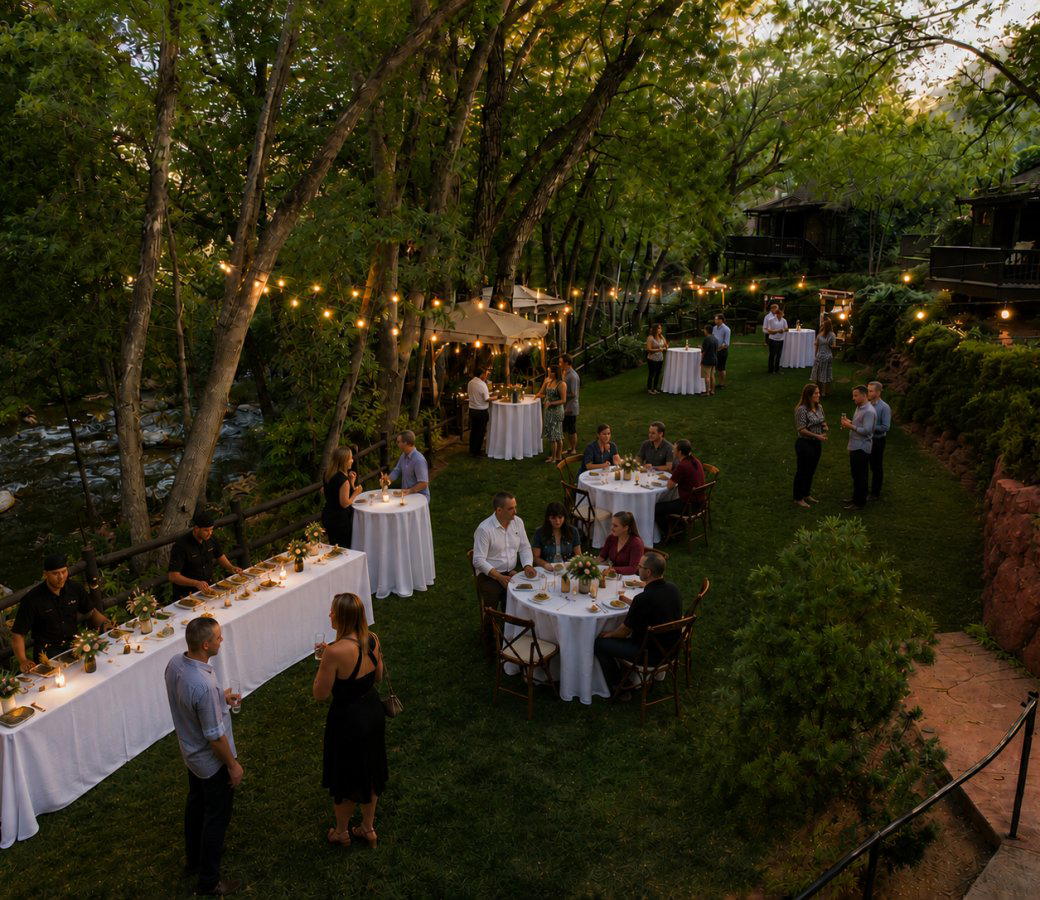
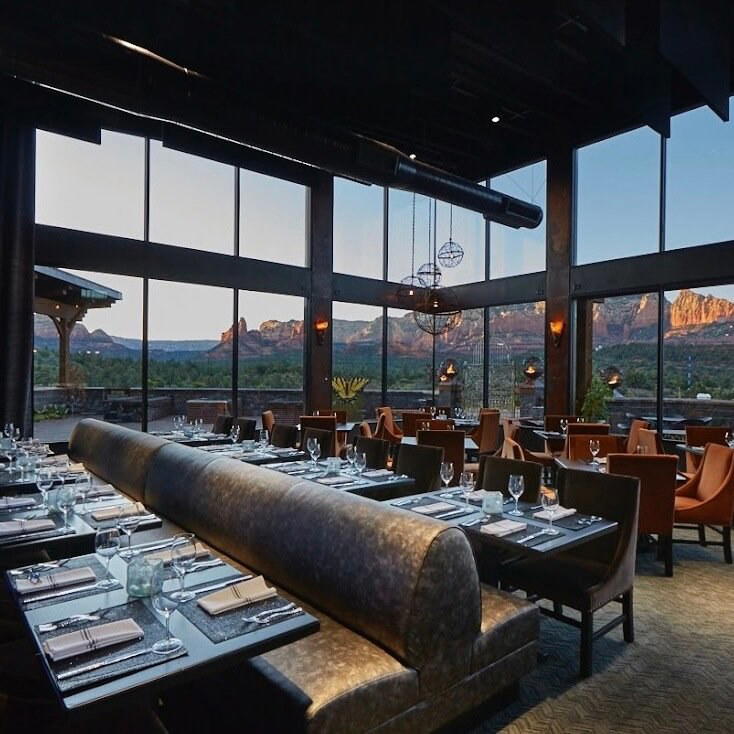
Sophisticated tree lodge aesthetic with warm muted tones, plush comfort, creekside fire pits, and a lively yet serene atmosphere.