
Osaka’s tachinomi culture rewards speed, appetite and a tolerance for tight rooms. sake stand Ponshu Mania brings that format to Minamisenba with a 15-seat standing sake bar, seafood focus, Tabelog 100 Tachinomi 2025 recognition and a dinner spend commonly listed at JPY 2,000 to JPY 2,999.
Pearl is the En Primeur Club membership app — saves, bookings, and concierge access live there. Same editors, same standards.
- Address
- 大阪府大阪市中央区南船場2-12-22 IP CITY HOTEL 1F
- Phone
- +817015535519
- Website
- instagram.com
 Saves & bookings on Pearl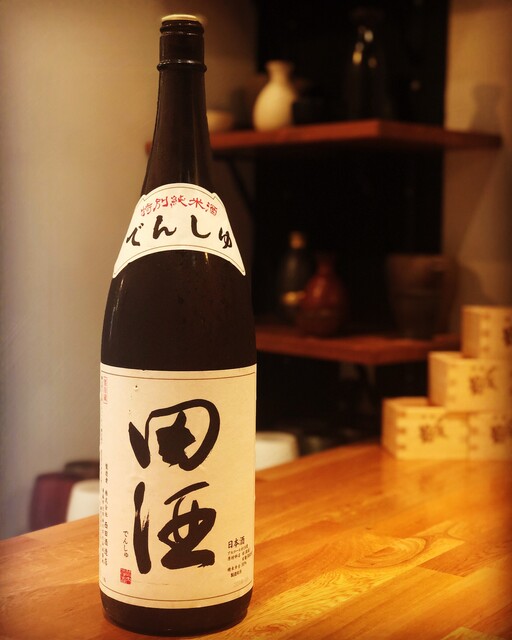
The room signals its category before the first glass: counter seating, standing space, a hotel-side address in Minamisenba and the compressed rhythm of Osaka tachinomi bars. This is short-form drinking, not a lingering dining-room production. Its appeal sits between economy and selectiveness: sake and shochu over cocktail theatre, seafood over broad izakaya sprawl, and a narrow footprint that makes timing matter.
Osaka has long compressed pleasure into small spaces. Kushikatsu counters, okonomiyaki grills, department-store food halls and station-adjacent bars share a practical grammar: eat well, pay attention, move with the room. Tachinomi follows that logic, stripping away the seated-restaurant contract and moving decisions closer to the bar: what to drink, what small dish keeps pace, and how long the room can hold its shape before it turns.
A sake-first tachinomi room in a city built for quick decisions
sake stand Ponshu Mania belongs to the standing-bar category, not the premium kappo or omakase bracket. A dinner budget of JPY 2,000 to JPY 2,999 places it far from higher-spend Osaka dining rooms such as Restaurant Genchan, Yoshoku Matsushita and lumiere, where listed dinner bands climb into five figures. The point is lower-ticket, higher-frequency drinking where room, glass and snack must work quickly.
The award signal helps because tachinomi can be hard to read from outside. Tabelog’s Tachinomi 100 selection for 2025 puts the bar in a curated national frame for stand-up drinking, a category that rarely enters English-language luxury itineraries with the force of sushi, tempura or kaiseki. The Tabelog score of 3.58 adds a measurable marker, but the category is more telling: stand-up bar, Japanese sake bar and seafood. That combination narrows expectations.
The seafood note separates the experience from generic after-work drinking. Osaka’s casual drinking culture can lean fried, grilled and carbohydrate-heavy; a sake bar that signals fish creates different pacing. Sake rewards temperature, texture and salinity, and seafood keeps the room focused rather than turning it into a catch-all snack counter. No named dish needs to carry the argument. The category says enough: this is built for nihonshu, shochu and food that supports the glass.
For travellers mapping Minamisenba and Shinsaibashi, the area’s strength is density, not grandeur. A bar this size works after retail hours or before a later reservation, especially for drinkers who want Osaka standing culture without committing the evening to a full izakaya session. It also counters the city’s wider dining spread, from bakery stops like 52CHO-ME BAKERY and quick Osaka staples such as 551 Horai (551蓬莱) to formal Italian cooking at a canto (Italian) or Neapolitan pizza at 99 Pizza Napoletana Gourmet.
Small capacity changes the way the night should be planned
Scale is part of the editorial value. Fifteen seats, with private bookings allowed up to 25 people standing, puts the bar at the small-room end of Osaka drinking. This is not for a loose, large-group crawl dependent on chance. It suits solo drinkers and pairs better than parties needing space, because the format rewards minimal negotiation once inside.
Hours shape the experience. Weekdays begin in the early evening, weekends and public holidays start earlier, and service runs until sold out. That phrase matters in Japan’s casual dining culture: seasoned travellers should think in terms of inventory and tempo, not just posted closing time. A compact room can feel entirely different by arrival pattern, especially near Shinsaibashi and Nagahoribashi, where office workers, hotel guests and shoppers feed the same evening streets.
Payment and comfort details share the same practical personality. Credit cards are accepted; electronic money and QR-code payments are not listed. The room is non-smoking, with an ashtray outside. Under-20s are generally not allowed, keeping the experience firmly in adult drinking territory rather than family dining. Private rooms are not part of the format. Counter seating, standing space and power outlets sketch a modern tachinomi room without making it a lounge.
The first-floor address inside IP CITY HOTEL gives it a different access pattern from back-alley bars built on discovery. It is close to Nagahoribashi and Shinsaibashi, while the hotel setting keeps the threshold practical for visitors who may not read Osaka’s drinking streets fluently. In a city where one wrong turn can separate a great short stop from a frustrating detour, that accessibility matters.
How it fits into an Osaka eating itinerary
The use of sake stand Ponshu Mania is as a focused drinking stop inside a larger Osaka plan. It should not replace the city’s deeper dinner formats; it belongs beside them. A traveller could spend another night on a higher-budget reservation, a separate afternoon on coffee or bakery culture at .cafe, and keep this for the part of the trip where sake, seafood and standing-room energy are the point.
That range makes Osaka unusually rewarding for repeat eating. One itinerary can hold casual national chains, specialist counters, hotel restaurants and small bars without incoherence. For broader planning, Our full Osaka restaurants guide gives the food context, while Our full Osaka bars guide is the more relevant companion for late-day routing. Visitors building a full city stay can pair those with Our full Osaka hotels guide, Our full Osaka experiences guide and, for category completeness, Our full Osaka wineries guide.
For readers comparing Japan beyond Osaka, the useful question is not which city wins, but which format serves the night. Tachinomi in Osaka carries a different pace from a Tokyo charcoal-and-tuna room such as. 鮪と炭火焼き うお炭 秋葉原店 in Tokyo, a Kyoto listing like [ki:] in Kyoto, or a regional stop such as.know in Kumamoto. The same applies when contrasting it with -Grilled beef Sukiyaki- KAMAKURA TANUKIAN 鎌倉 たぬき庵 in Kamakura, (Shoku) Vietnam in Kawasaki or [Curry Senmon Ten] Maruyama Kyoju. in Sapporo. Outside Japan, sake-focused rooms such as Jōdo Saké Bar in Los Angeles and casual Japanese formats like Onigiri Time in Pasadena show how the category travels, but Osaka’s standing-bar culture gives it a sharper urban edge.
A Credentials Check
Comparable venues by price and recognition.
| Venue | Cuisine | Price | Notes |
|---|---|---|---|
| sake stand Ponshu ManiaThis venue — the venue you are viewing | Standing Japanese sake bar | $$ | Not listed |
| Toyo (とよ) | Seafood Izakaya | $$ | Miyakojima Ward |
| Menya JouRoku (麺屋 丈六) | Takaida-Style Tamari Shoyu Ramen | $$ | Namba |
| Ampere Coffee & Kitchen | Japanese-International All-Day Cafe | $$ | Chūō |
| wad omotenashi cafe | Japanese tea & wagashi cafe | $$ | Chūō |
| Yoshoku Teshima | Japanese-Style Western (Yoshoku) Hamburg & Mixed Fry | $$ | Nishi |
Recognition history
Dated appearances from independent guides and award organizations, with the underlying list record or original source where available.
Tabelog 100 #38 · No. 38
Tabelog · Tabelog 100 - Tachinomi - 2025
Continue exploring
More in Osaka
Restaurants in Osaka
Browse all →




Bars in Osaka
Browse all →


Hotels in Osaka
Browse all →



Wineries in Osaka
Browse all →
At a Glance
- Lively
- Cozy
- Trendy
- Energetic
- After Work
- Casual Hangout
- Group Dining
- Solo
- Late Night
- Standalone
- Sake Program
A compact standing bar on the ground floor of a business hotel, with a casual, buzzy atmosphere where guests stand shoulder to shoulder at counters, chatting over sake and small plates in a relaxed, lively setting suited to after-work drinks rather than long, formal meals.