Sakagura
A Japanese dining room operating from within the Sheraton Kota Kinabalu, Sakagura sits at the intersection of Sabah's extraordinary marine larder and Japanese culinary discipline. The Borneo coastline's seafood credentials give the kitchen a strong sourcing foundation, placing this hotel restaurant in a different conversation from the city's hawker circuit and casual seafood houses.
Pearl is the En Primeur Club membership app — saves, bookings, and concierge access live there. Same editors, same standards.
- Address
- Ground Floor, Sheraton Kota Kinabalu, Jalan Albert Kwok, Pusat Bandar, 88000 Kota Kinabalu, Sabah, Malaysia
- Phone
- +60 12-817 3604
- Directions
- Get directions
 Saves & bookings on Pearl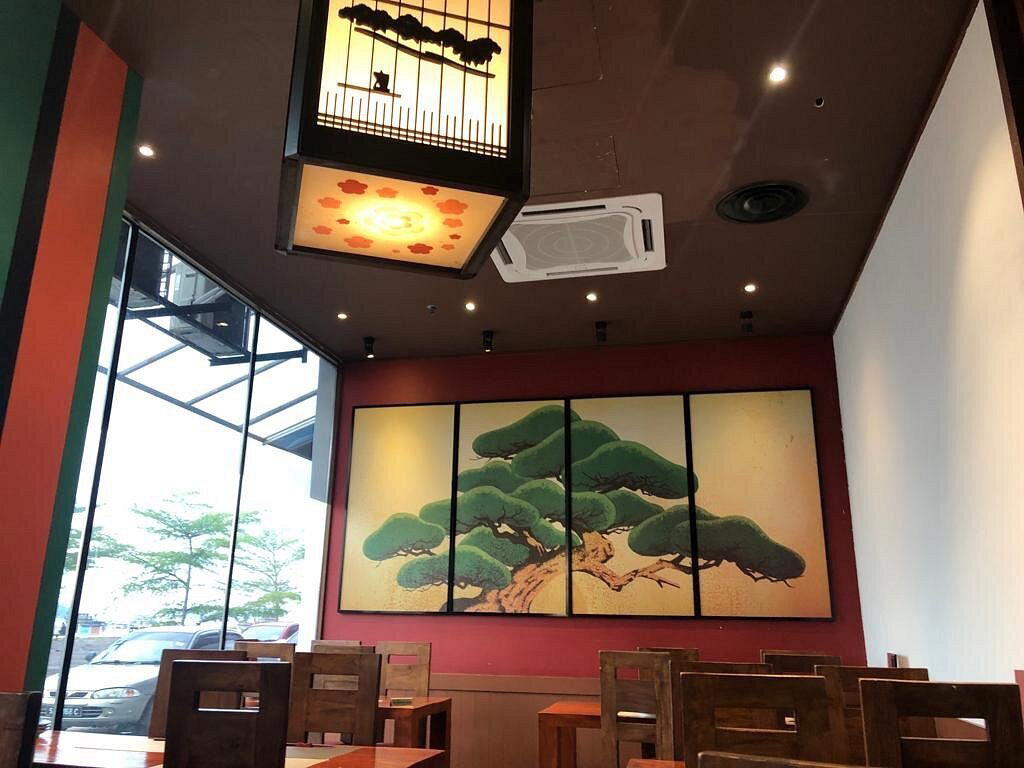
Where Sabah's Coastline Meets Japanese Discipline
Hotel Japanese restaurants in Southeast Asia tend to follow one of two trajectories: an import-everything model that treats the local environment as little more than a convenient address, or a sourcing-led approach that treats proximity to extraordinary raw materials as the premise of the menu. In Kota Kinabalu, the question of which path a Japanese kitchen takes carries real weight. Sabah sits at the northern tip of Borneo, flanked by the Sulu and South China Seas, and the marine biodiversity of that position is among the more concentrated in the region. A Japanese kitchen that chooses to engage with that larder rather than bypass it is a kitchen worth paying attention to.
Sakagura operates from the ground floor of the Sheraton Kota Kinabalu on Jalan Albert Kwok, in the city's commercial centre. The address places it firmly in the hotel-dining tier, which in most secondary Malaysian cities means a trade-off: reliable execution and controlled environment in exchange for the character and proximity that independent restaurants carry. What changes that calculus here is the sourcing context. The waters around Sabah yield reef fish, crustaceans, and cephalopods at a quality and freshness that few coastal cities in the region can match, and a Japanese kitchen has the technical vocabulary to handle those ingredients with precision. That combination, applied correctly, makes the hotel address a practical detail rather than a limitation.
The Sourcing Case for Kota Kinabalu
Understanding why ingredient origin matters here requires a brief look at how Sabah's seafood supply chain works. The state's fishing grounds extend across waters that are consistently rated among the more biodiverse in the Indo-Pacific. Reef-caught fish from the islands around Kota Kinabalu, including the Tunku Abdul Rahman Marine Park just offshore, reach city markets with a speed and condition that landlocked or less geographically fortunate cities cannot replicate. For a Japanese kitchen, which prizes texture and temperature control above almost everything else, that proximity to the source is not a minor advantage. It is the structural argument for why the restaurant exists where it does.
Japanese cuisine's relationship with ingredient sourcing is more codified than most culinary traditions. The concept of shun, the seasonal peak of an ingredient, shapes menu construction at counters from Tokyo's Ginza to the shoebox sushi bars of Osaka. Applied in Kota Kinabalu, shun takes on a tropical character: the rotation is less about the four-season calendar and more about monsoon cycles, spawning patterns, and the availability of specific reef species at specific times. A kitchen that tracks those rhythms rather than running a static menu signals a different level of engagement with its environment. For diners comparing Sakagura to other options in the city, that sourcing orientation, whether it is reflected in the current menu or not, is the right question to ask before booking.
Across Malaysia, a small group of restaurants has made ingredient provenance a centrepiece of their identity. Dewakan in Kuala Lumpur has built its reputation explicitly on indigenous Malaysian ingredients, pressing the case that the country's biodiversity is a culinary resource that deserves serious kitchen attention. That argument applies differently in Sabah, where the relevant biodiversity is marine rather than jungle-derived, but the underlying principle, that local sourcing is not a marketing position but a quality decision, carries across contexts.
Kota Kinabalu's Dining Scene in Context
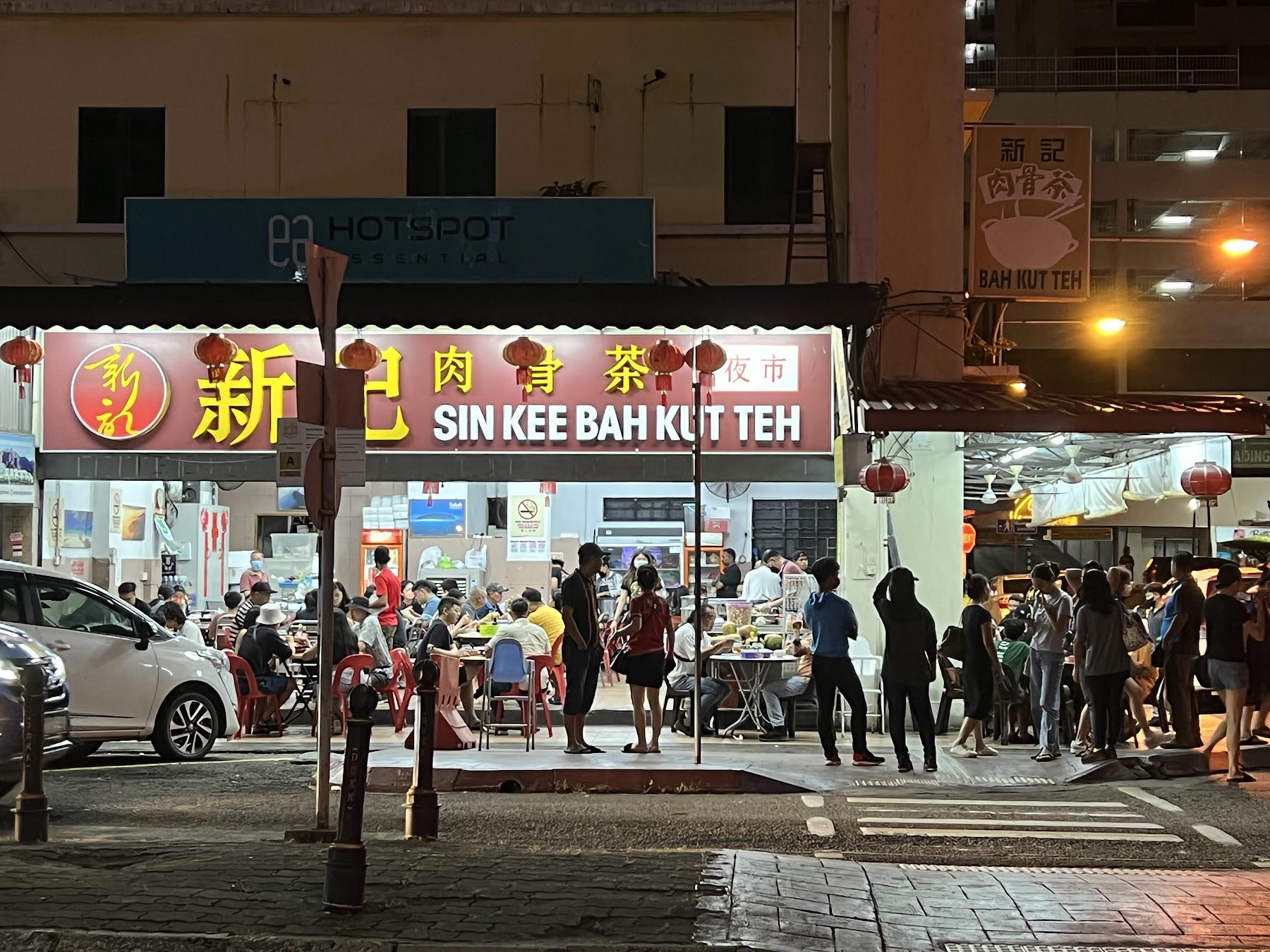
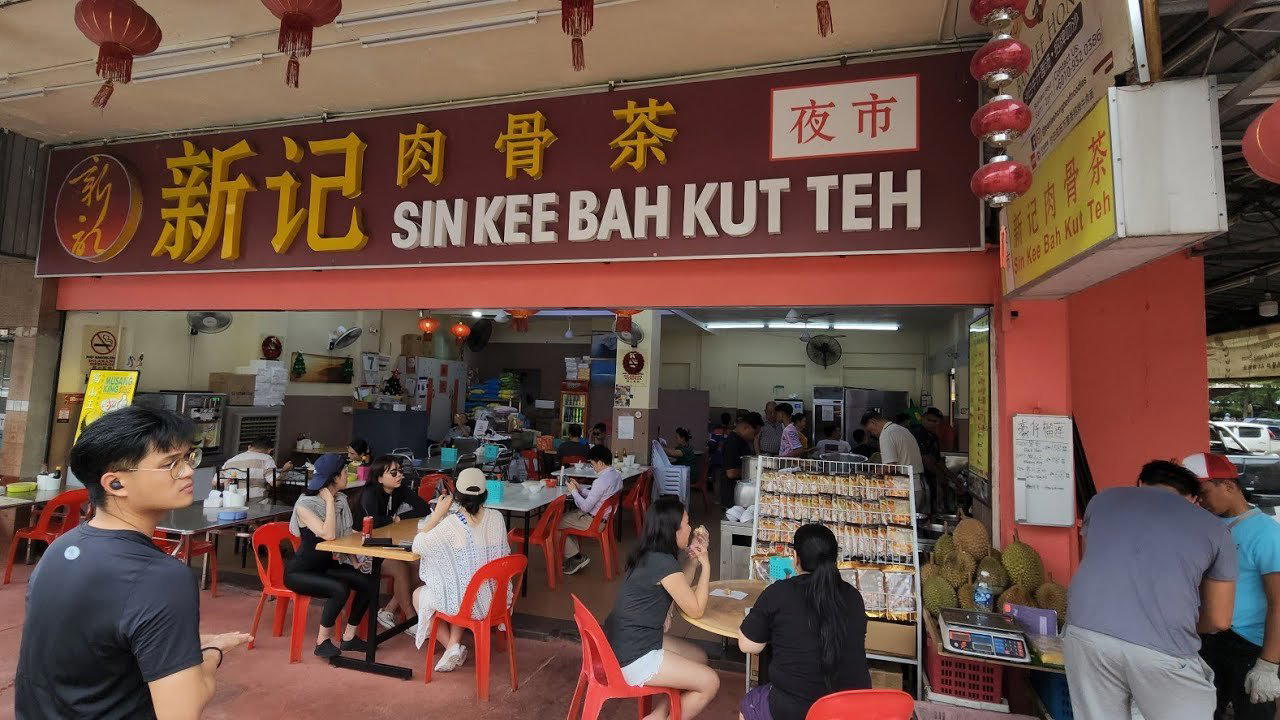
Kota Kinabalu's restaurant scene is not structured around a dense fine-dining tier. The city's food culture runs strong through its wet markets, seafood restaurants along the waterfront, and hawker centres where dishes like hinava, a Kadazan-Dusun cured fish preparation, represent cooking traditions that go back generations. Visitors who skip that circuit in favour of hotel dining exclusively are missing the more instructive half of what Sabah's food culture looks like. The Sin Kee Bah Kut Teh in the city and the Da De Bah Kut Teh in Borneo represent the kind of deeply local, long-running operations that give a city's food scene its actual character. For context on how Kota Kinabalu's wider dining options stack up, the full Kota Kinabalu restaurants guide maps the range from hawker staples to hotel-tier options.
Sakagura sits at a different point on that spectrum. It is not competing with the hawker circuit, and it is not positioned as a destination restaurant in the way that a standalone Japanese counter in a major metropolitan market might be. Its competitive set is the tier of hotel restaurants in Kota Kinabalu that serve international cuisine to a mix of business travellers and leisure visitors who want a controlled, recognisable dining format after a day of activity in the surrounding national parks or offshore islands.
Within the broader Malaysian hotel-dining category, that tier has produced some credible kitchens. The comparison points are not Sakagura's direct neighbours but restaurants like DIN by Din Tai Fung in Sepang or the Kuroma Buffet and Dining in Johor Bahru, both of which operate from hotel-adjacent or mall-adjacent addresses and have built followings on consistent execution rather than destination credentials. The pattern across Malaysia's secondary cities is similar: hotel restaurants succeed when they commit to a format and execute it with discipline, rather than trying to replicate the ambition of standalone city restaurants with smaller kitchens and more constrained supply chains.
Planning a Visit
Sakagura is located on the ground floor of the Sheraton Kota Kinabalu at Jalan Albert Kwok in the Pusat Bandar district, the city's central commercial area. The location is walkable from most of the city's central hotels and within easy reach of the waterfront. Sakagura is recommended for reservations and operates daily from 11:30 AM to 2:30 PM for lunch, with dinner service from 5:00 PM to 9:30 PM Monday, Tuesday, Thursday, Friday, Saturday, and Sunday, and until 9:00 PM on Wednesday. Those travelling through Sabah more broadly and building a fuller picture of Malaysian dining, from Auntie Gaik Lean's Old School Eatery in George Town to the hawker institutions of Penang, will find that Kota Kinabalu's contribution to that picture runs through its seafood, and a well-run Japanese kitchen is one of the more logical formats through which to experience it.
A Quick Peer Check
Comparable venues nearby, for context on price, style, and recognition.
| Venue | Cuisine | Price | Notes |
|---|---|---|---|
| SakaguraThis venue — the venue you are viewing | Authentic Japanese Sushi and Sashimi | $$$ | Not listed |
| Da De Bah Kut Teh 大德古早味肉骨茶 | Traditional Bak Kut Teh | $ | Gaya Street |
| Sin Kee Bah Kut Teh (新記肉骨茶) | Traditional Chinese Bak Kut Teh | $ | Pusat Bandar Kota Kinabalu |
| Fatt Kee Restaurant | Chinese Seafood Noodles | $$ | Taman Far East |
| CRC Restaurant (CRC Restaurant (美麗華魚翅海鮮酒家)) | Cantonese Seafood | $$ | George Town |
| Au Jardin | Modern European fine dining with Malaysian produce | $$$ | George Town |
Continue exploring
More in Kota Kinabalu
Restaurants in Kota Kinabalu
Browse all →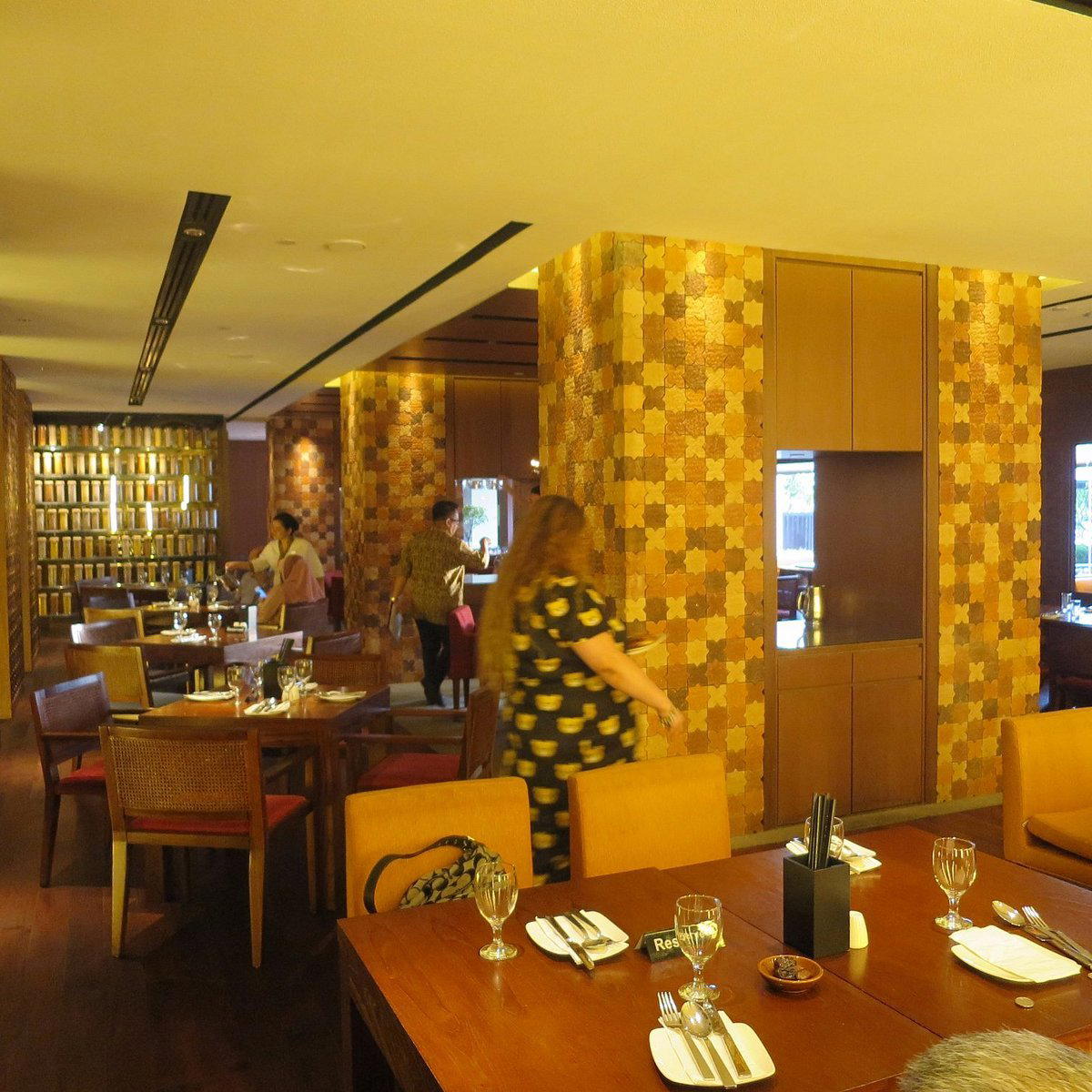
Bars in Kota Kinabalu
Browse all →
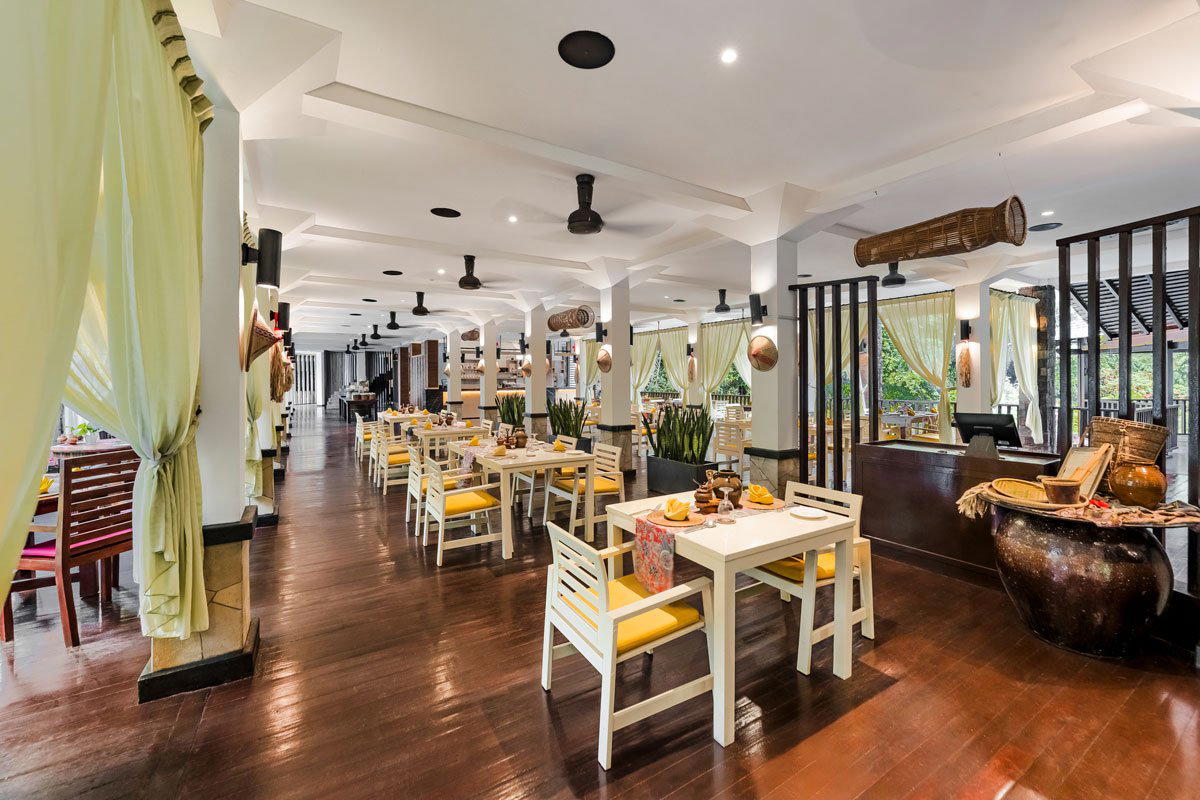
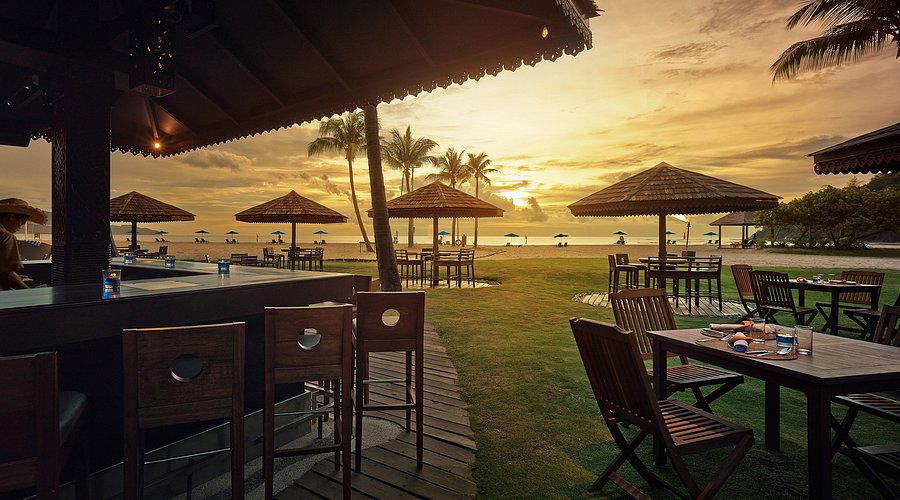
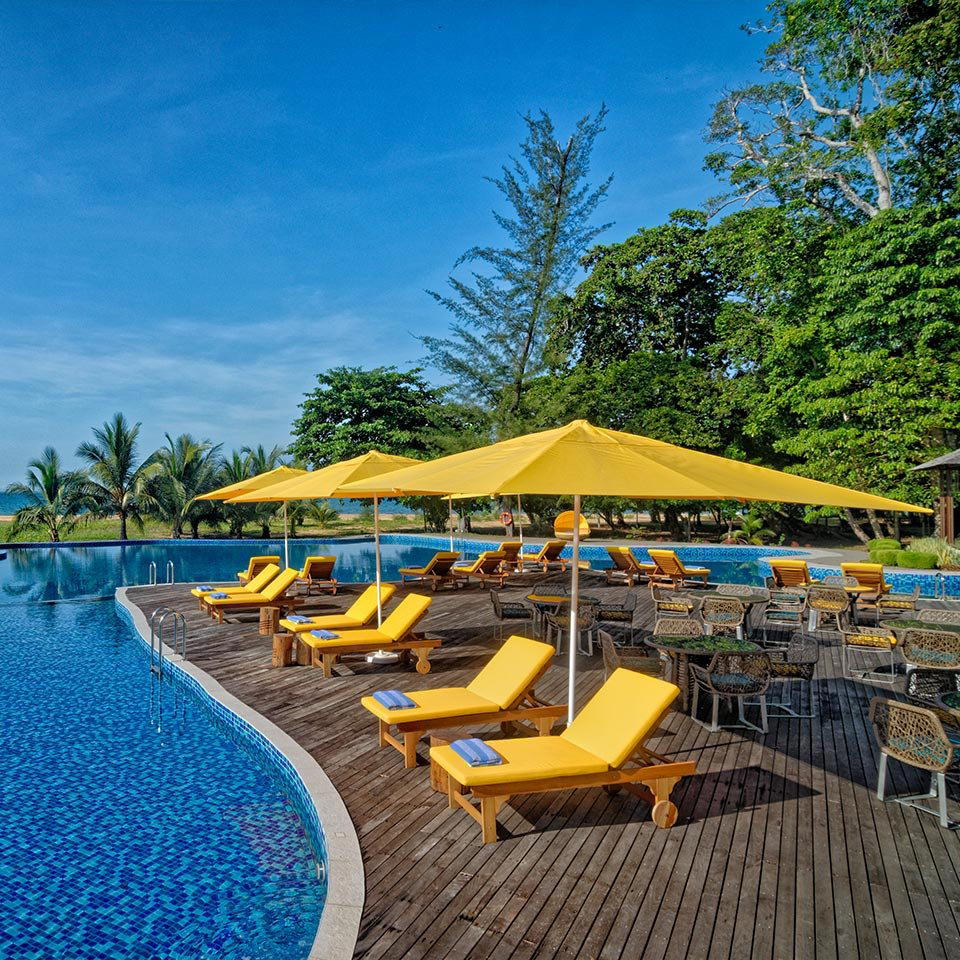
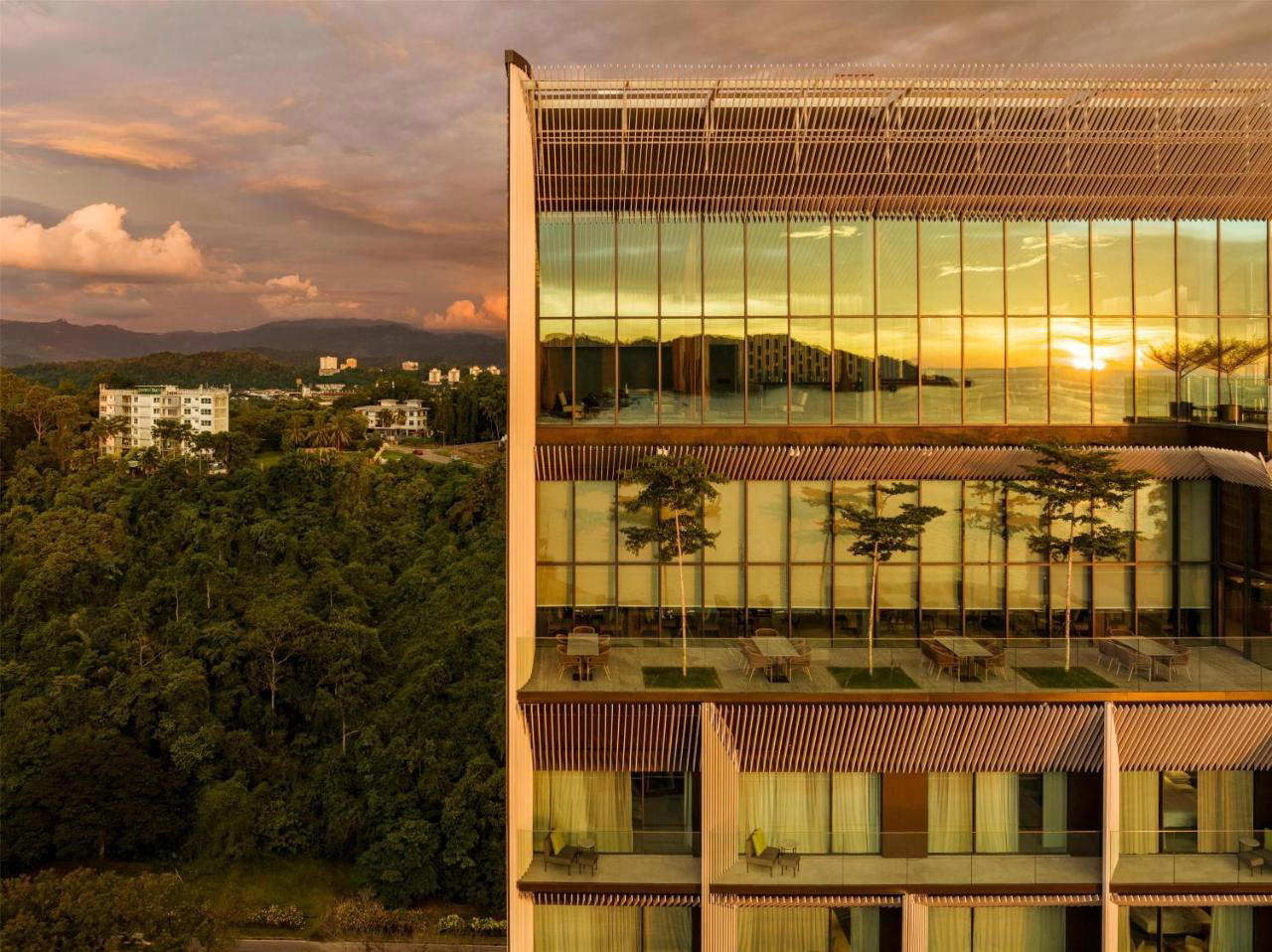
At a Glance
- Elegant
- Sophisticated
- Cozy
- Date Night
- Business Dinner
- Family
- Open Kitchen
- Sake Program
Current opening hours
- Monday
- 11:30 AM–2:30 PM, 5–9:30 PM
- Tuesday
- 11:30 AM–2:30 PM, 5–9:30 PM
- Wednesday
- 11:30 AM–2:30 PM, 5–9 PM
- Thursday
- 11:30 AM–2:30 PM, 5–9:30 PM
- Friday
- 11:30 AM–2:30 PM, 5–9:30 PM
- Saturday
- 11:30 AM–2:30 PM, 5–9:30 PM
- Sunday
- 11:30 AM–2:30 PM, 5–9:30 PM
Hours can change for holidays and private events. Last verified .
Casual and relaxed atmosphere where diners can converse comfortably at a medium volume.