The Luma Hotel


Michelin Selected · Design Hotels Member
Positioned on Sutera Avenue in the heart of Kota Kinabalu, The Luma Hotel sits at the intersection of the city's emerging creative district and the broader Borneo context that defines the region. The property reads as a response to a city working out what contemporary urban hospitality looks like when rainforest heritage is the defining backdrop. For travellers who want a city base that acknowledges where it is, The Luma is worth understanding.

Pearl is the En Primeur Club membership app, where members save venues, book tables and use the concierge.
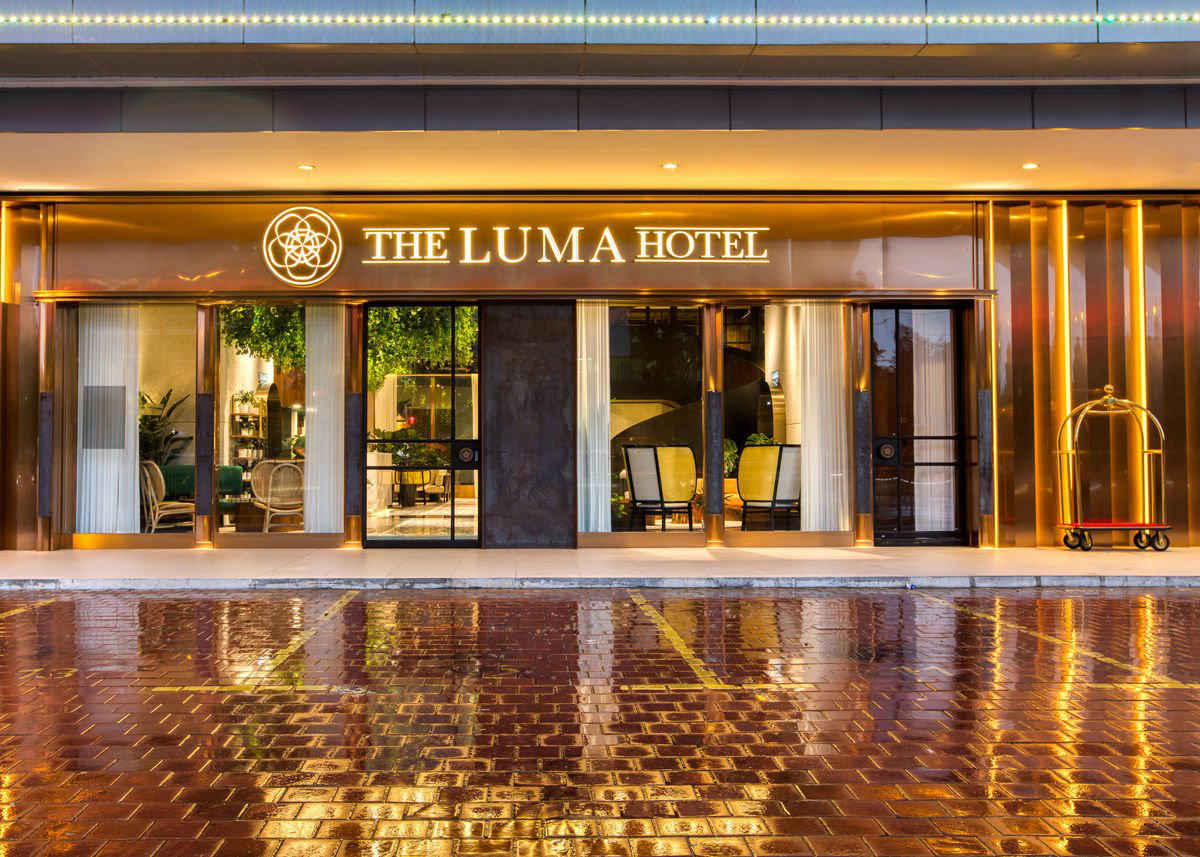
Where Kota Kinabalu's Urban Grain Meets the Borneo Interior
Kota Kinabalu has spent the better part of the last decade negotiating a particular tension: how to build a credible urban hospitality identity without severing the connection to the rainforest and coastal wilderness that draws most visitors here in the first place. The city's Sutera Avenue corridor, where The Luma Hotel sits on Jalan Sembulan, has become one of the more legible answers to that question. This stretch functions as KK's closest equivalent to a creative quarter, a cluster of dining, retail, and accommodation that feels less like a tourist precinct and more like a neighbourhood that locals and travellers share on roughly equal terms.
Arriving at Sutera Avenue, the architecture around The Luma signals the newer wave of Kota Kinabalu development: cleaner lines, more deliberate material choices, and a clear interest in distinguishing the area from the older shophouse-and-mall fabric that defines much of the city centre. The hotel's position in this corridor matters because it places guests within walking distance of the kind of food and evening scene that has made KK worth staying longer than the standard overnight stopover before a dive trip or a Kinabalu National Park approach.
Design as Positioning: Reading the Physical Space
In Malaysian urban hospitality, properties tend to fall into two broad camps. The first is the large-footprint international brand, which trades on scale, convention facilities, and loyalty point accumulation, properties like the major Kuala Lumpur addresses, where rooms are abundant and the experience is deliberately standardised. The second, smaller camp prioritises design coherence and a legible sense of place, even if the guest count is lower and the amenities list shorter. The Datai in Langkawi operates at one end of that second spectrum, with deep jungle credentials and a resort format built over decades. The Luma Hotel occupies a different position in the same camp: urban rather than resort, oriented toward the city's creative momentum rather than withdrawal from it.
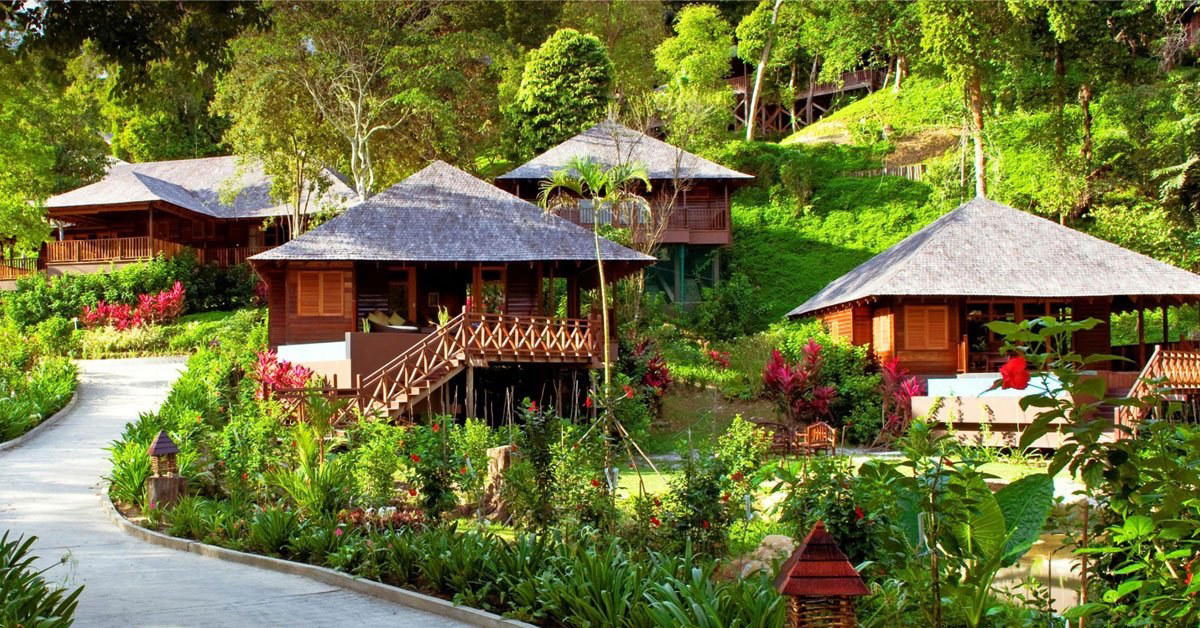
The hotel's own framing, connecting Kota Kinabalu's new creative energy with the age-old rainforests of Borneo, is an architectural and editorial claim as much as a marketing one. Properties that use this kind of language are making a promise about how the physical space will feel to move through: that it will acknowledge the equatorial light, the regional material culture, and the proximity to one of the world's oldest rainforest systems, rather than defaulting to a generic contemporary interior that could exist in any mid-tier business district anywhere. Whether the execution fully delivers on that promise is something guests report with some consistency as a reason for choosing the property over more anonymous alternatives in the city.
Sutera Avenue's built environment is worth understanding as a context. The area sits close to the waterfront that has historically defined Kota Kinabalu's relationship with the Sulawesi Sea, but it represents a newer layer of the city's development logic, one that favours mixed-use density over the sprawling resort footprints you find further along the coast. For a hotel to describe itself as a crossroads in this specific location is to claim a particular kind of social function: a place where the city comes to itself, where the energy of KK's creative class intersects with the Borneo wilderness that remains the region's defining identity.
Kota Kinabalu as a Base: What the Location Delivers
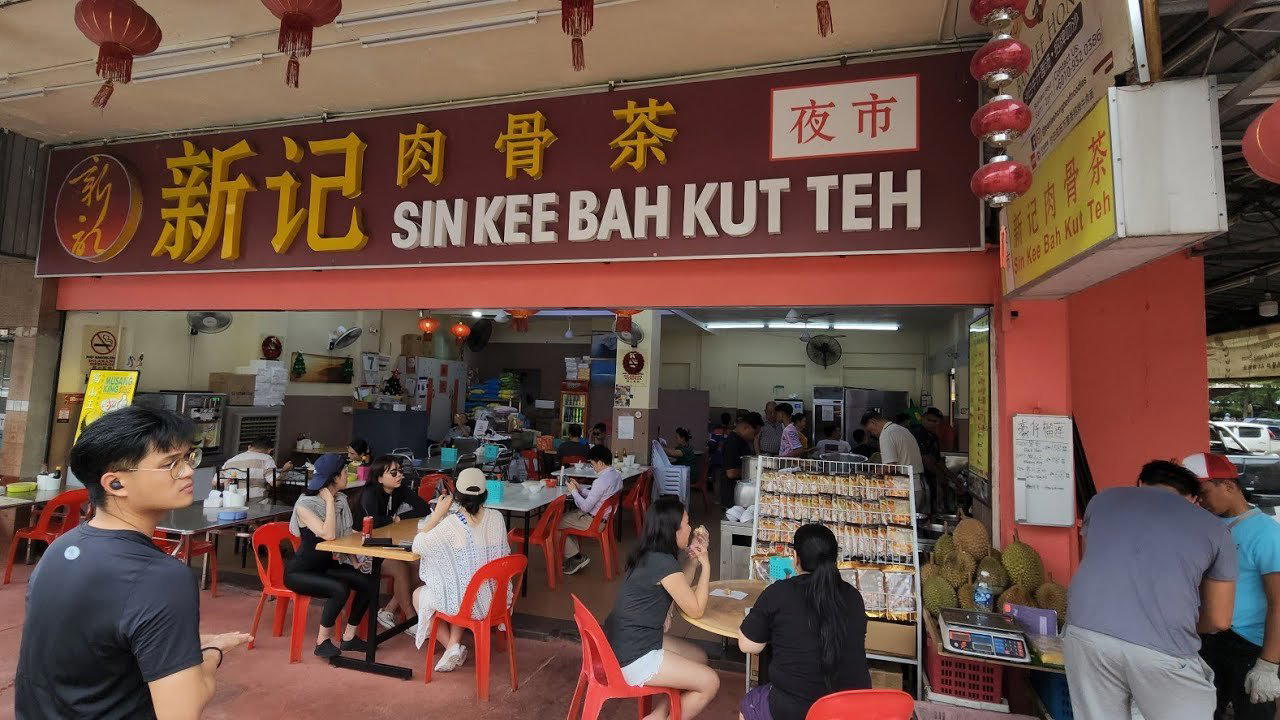
Sutera Avenue's practical utility for travellers is significant. The Gaya Street Sunday market, one of KK's longest-running weekly institutions, is accessible from this part of the city without navigating the heavier traffic corridors near the central waterfront. The city's seafood restaurants, concentrated along the coastal strips, are within reasonable reach, and the Filipino Market, the informal seafood and craft hub that has operated near the waterfront for generations, sits within the same general orbit.
For guests using Kota Kinabalu as a base for wider Sabah travel, the Sutera Avenue location also provides logical access to the main roads leading north toward the Kinabalu Park gateway at Kundasang, and south toward the airport and the Beaufort route into the interior. Borneo Eagle Resort serves a different traveller, as does Sukau Rainforest Lodge in Kinabatangan or the Borneo Rainforest Lodge in Lahad Datu, those properties sit deeper in the Sabah interior and are purpose-built for wildlife immersion. The Luma's positioning is complementary: a city address that lets you move between KK's urban offer and the wider Borneo itinerary without committing to a single mode of travel.
That hybrid utility has become more relevant as Kota Kinabalu's own dining and cultural scene has matured. The city now has enough going on, in terms of restaurants pushing Sabahan ingredients into more refined formats, and bars working with regional spirits and tropical botanicals, that spending two or three nights here is no longer just a logistical necessity before heading into the park or the dive sites. It can be a destination choice in its own right. Our full Kota Kinabalu Sabah restaurants guide maps that scene in detail.
How The Luma Sits in Malaysia's Broader Design-Led Hotel Tier
Malaysia's design-led hotel tier has been filling out at pace. In George Town, Macalister Mansion has established a template for heritage-building conversion with strong design intent. In Penang Island, Soori (Penang) represents the newer wave of design-forward properties. In the Cameron Highlands, Cameron Highlands Resort anchors a different kind of place-led proposition. Each of these properties shares a common ambition: to make the physical environment itself part of the reason to stay, rather than treating the room as a neutral container for a destination visit.
The Luma Hotel's claim sits in that same framework, applied to Kota Kinabalu's specific context. The city has fewer established players in the design-led tier than Penang or Kuala Lumpur, which means properties that make a credible design argument, and back it with a coherent sense of place, occupy a less crowded competitive position here than they would in those more mature markets. For travellers who have stayed at Pangkor Laut Resort or Tanjong Jara Resort and understand what it means for a Malaysian property to commit to a strong design and cultural identity, The Luma Hotel reads as a Sabah-specific entry in that tradition, oriented toward the city rather than the wilderness.
Beyond Malaysia, properties in the design-led urban tier tend to reward guests who read their surroundings carefully. Aman Venice and Aman New York represent one extreme of that philosophy, where the building is as much the point as the city it sits in. The Luma Hotel makes a quieter version of the same argument, at a scale appropriate to where Kota Kinabalu currently sits in its development as a hospitality destination.
Planning a Stay
The hotel's address at Sutera Avenue, Jalan Sembulan, Kota Kinabalu, Sabah 88100, places it within the mixed-use Sutera Avenue development that has become one of the city's more coherent planning outcomes in recent years. Access from Kota Kinabalu International Airport typically takes around 20 to 30 minutes by taxi or ride-share, depending on traffic on the main coastal road. For guests combining a Kota Kinabalu city stay with a wider Sabah itinerary, it is worth booking any Kinabalu Park permits and guided trekking well in advance, allocations are limited and managed by Sabah Parks, with demand running consistently ahead of supply during the main travel windows of March through May and September through November. Guests looking at comparable properties elsewhere in Malaysia will find useful reference points at Bertam Wellness Spa and Villas in Penang, Mangala Estate in Kuantan, and Sutera Sanctuary Lodges on Manukan Island, the last of which extends the Sutera brand into the Tunku Abdul Rahman Marine Park directly off the KK coast.
In Context: Similar Options
Comparable venues nearby, for context on price, style, and recognition.
| Venue | Cuisine | Price | Awards | Notes |
|---|---|---|---|---|
| The Luma HotelThis venue (the venue you are viewing) | Creative design hotel blending urban energy with Borneo's nature | Not listed | Michelin Selected · Design Hotels Member | Not listed |
| The Chow Kit - an Ormond Hotel | Simplified luxury boutique hotel inspired by the neighborhood's 1970s-80s nightlife, blending nostalgic design with contemporary comfort and local storytelling. | $100–200 | Michelin Selected · Mr & Mrs Smith Seal of Approval | Chow Kit |
| lyf Georgetown Penang by The Ascott Limited | Social lifestyle aparthotel focused on community and experience-led living | $1–100 | Michelin Selected | George Town |
| The Edison George Town | Restored heritage mansion with colonial charm and contemporary luxury | $100–200 | Michelin Selected · Mr & Mrs Smith Seal of Approval | George Town |
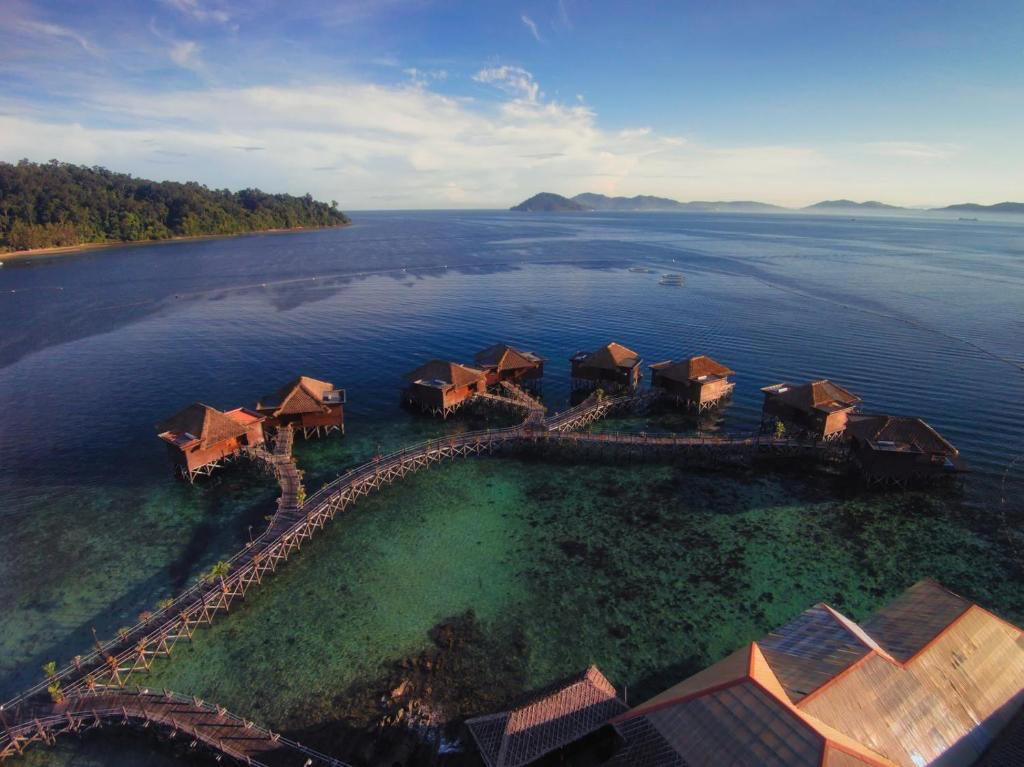
| Gayana Marine Resort | Luxury eco-resort with stilted overwater villas inspired by Borneo architecture and traditions, blending natural minimalism with modern sophistication. | Not listed | Michelin Selected · Preferred Hotels Member | Gaya Island |
| The Majestic Hotel Kuala Lumpur, Autograph Collection | Historic luxury hotel with modern colonial-style decor | $1–100 | Michelin Selected | City Centre |
Recognition history
Dated appearances from independent guides and award organizations, with the underlying list record or original source where available.
Michelin Selected
Michelin
Design Hotels Member
Design Hotels
Continue exploring
More in Kota Kinabalu
Details
- Modern
- Trendy
- Elegant
- Scenic
- Romantic Getaway
- Business Trip
- Weekend Escape
- Panoramic View
- Terrace
- Wi Fi
- Fitness Center
- Room Service
- Concierge
- Restaurant
- Skyline
- Waterfront
- Wheelchair Accessible
- Elevator
- Step Free Entrance
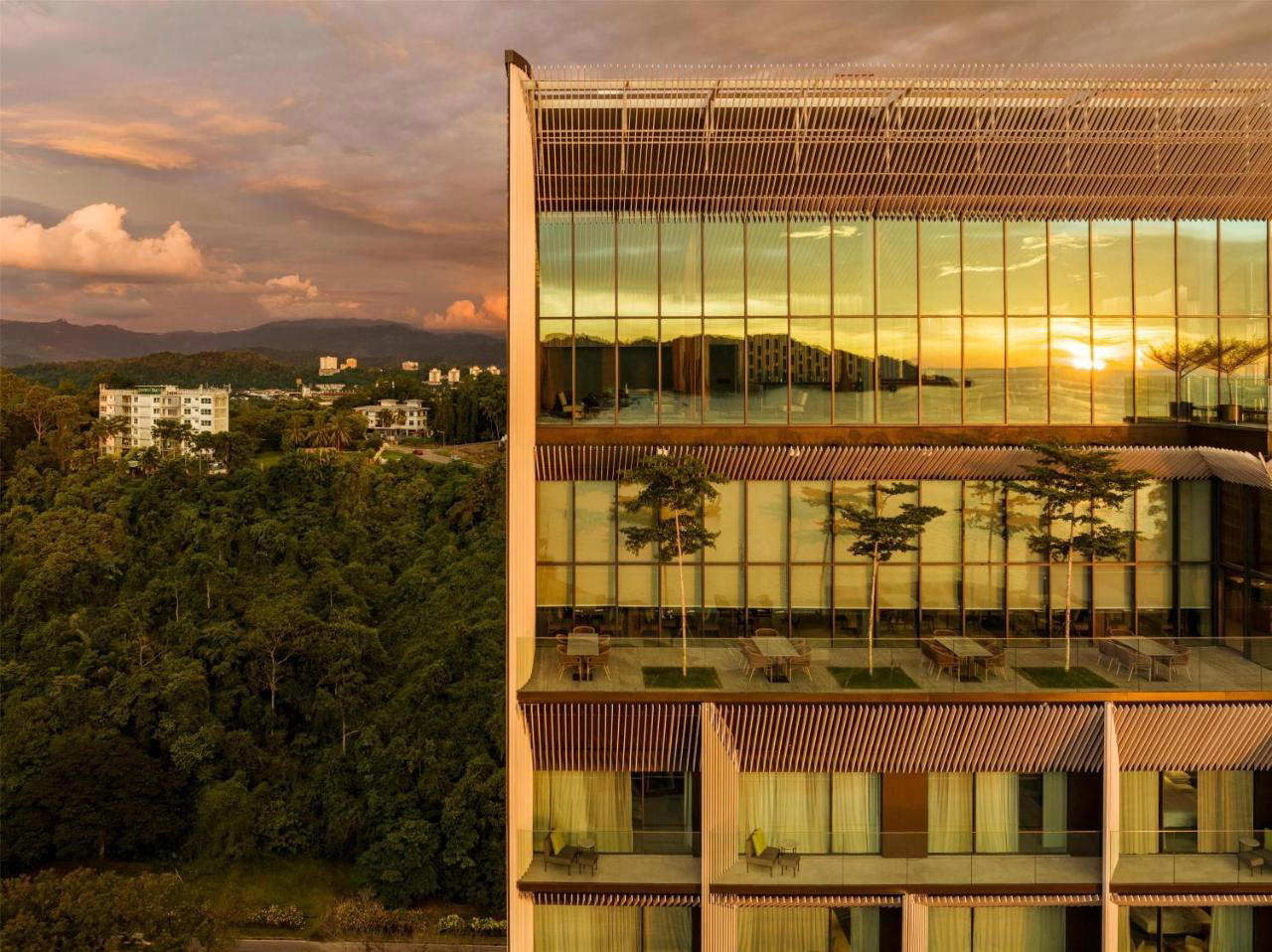
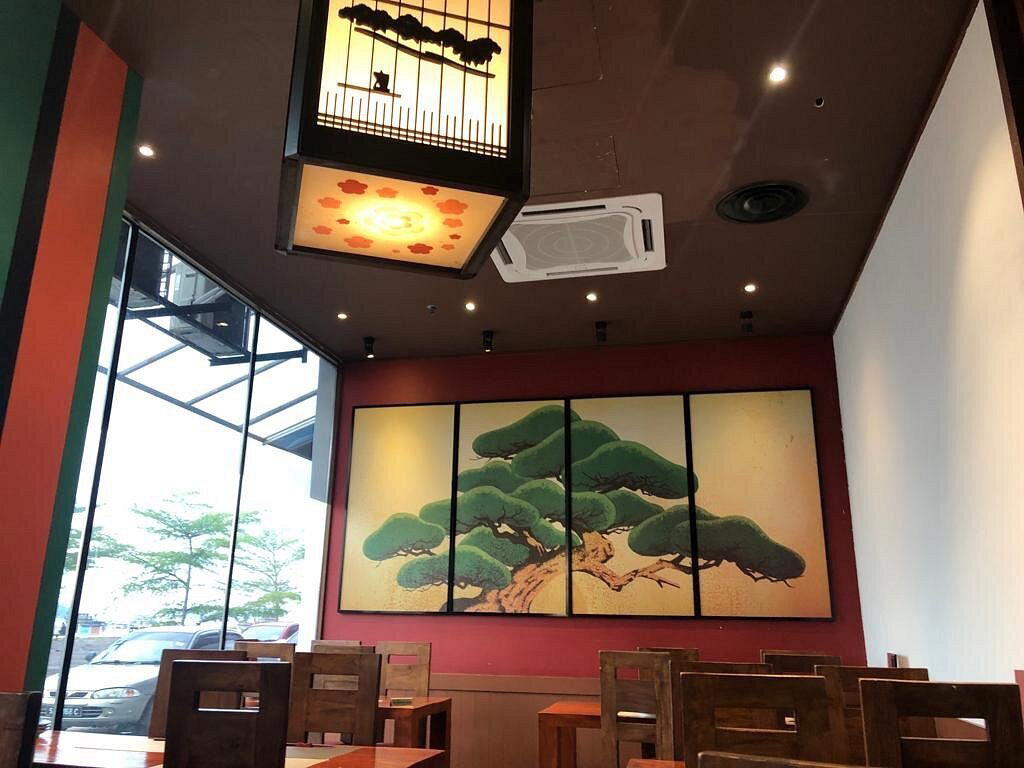
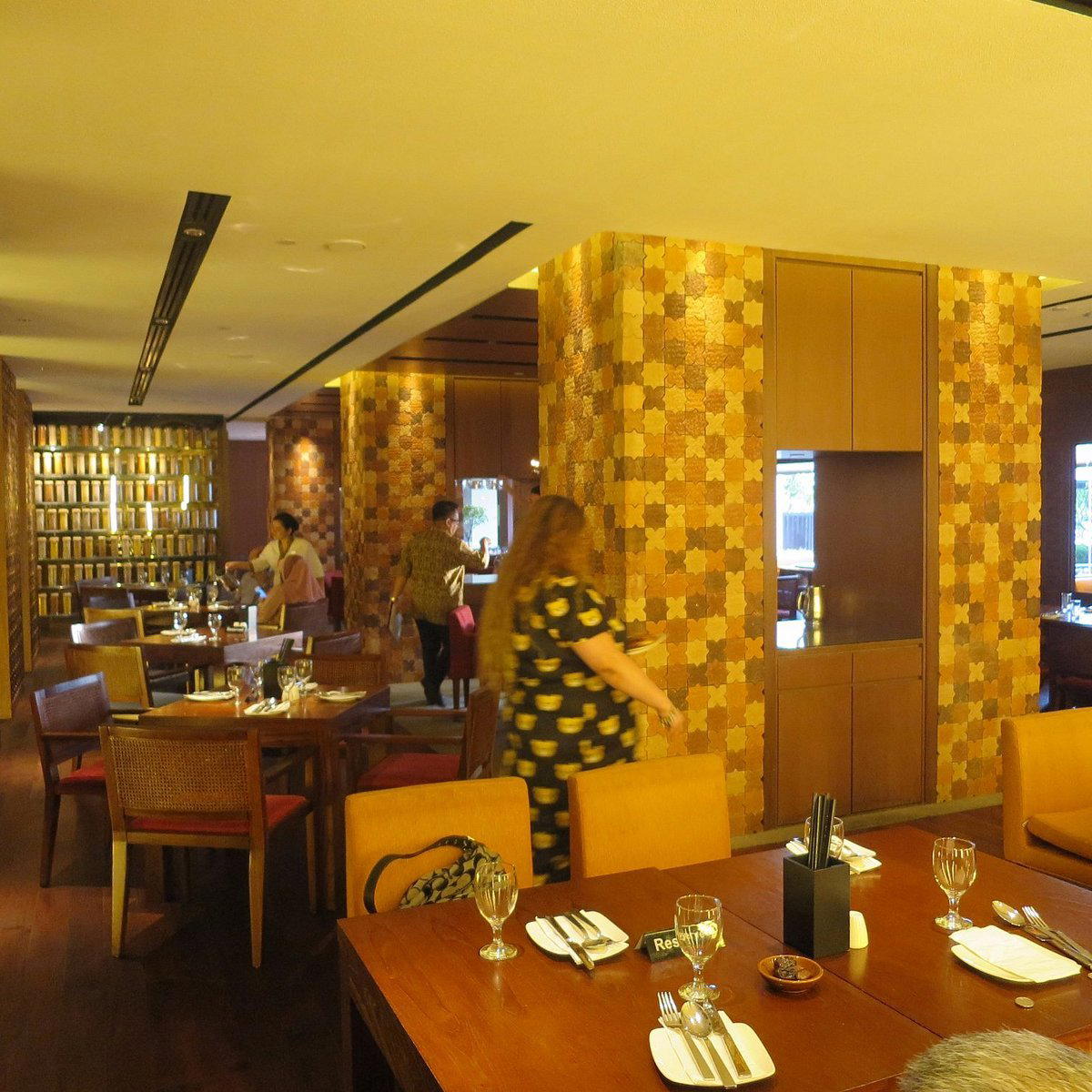
Serene and welcoming with jewel-toned lobby sofas, rotating local art, and Japanese-inspired guestrooms; plant-filled lobby lounge evokes nature-urban fusion.