Gayana Marine Resort


Michelin Selected · Preferred Hotels Member
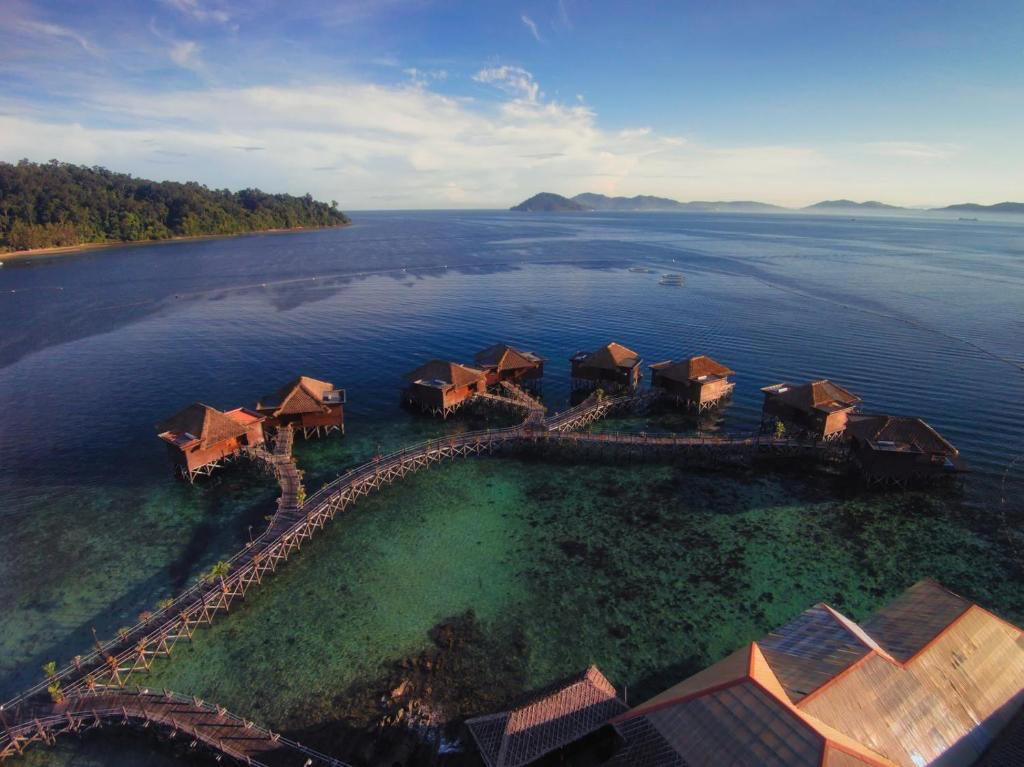
Gayana Marine Resort sits on Pulau Gaya in Malohom Bay, a short boat transfer from Kota Kinabalu, with 44 rooms set directly over the Coral Triangle waters of Sabah. The property belongs to a smaller tier of island retreats where physical remoteness and marine access define the guest experience. Conservation programming and over-water positioning place it in a distinct category from the mainland resort properties around Kota Kinabalu.

Pearl is the En Primeur Club membership app — saves, bookings, and concierge access live there. Same editors, same standards.
- Address
- Malohom Bay, Pulau Gaya, 88000 Kota Kinabalu, Sabah
- Phone
- +60 88-380 390
- Website
- echoresorts.com
- Directions
- Get directions
Arriving by Water, Leaving the City Behind
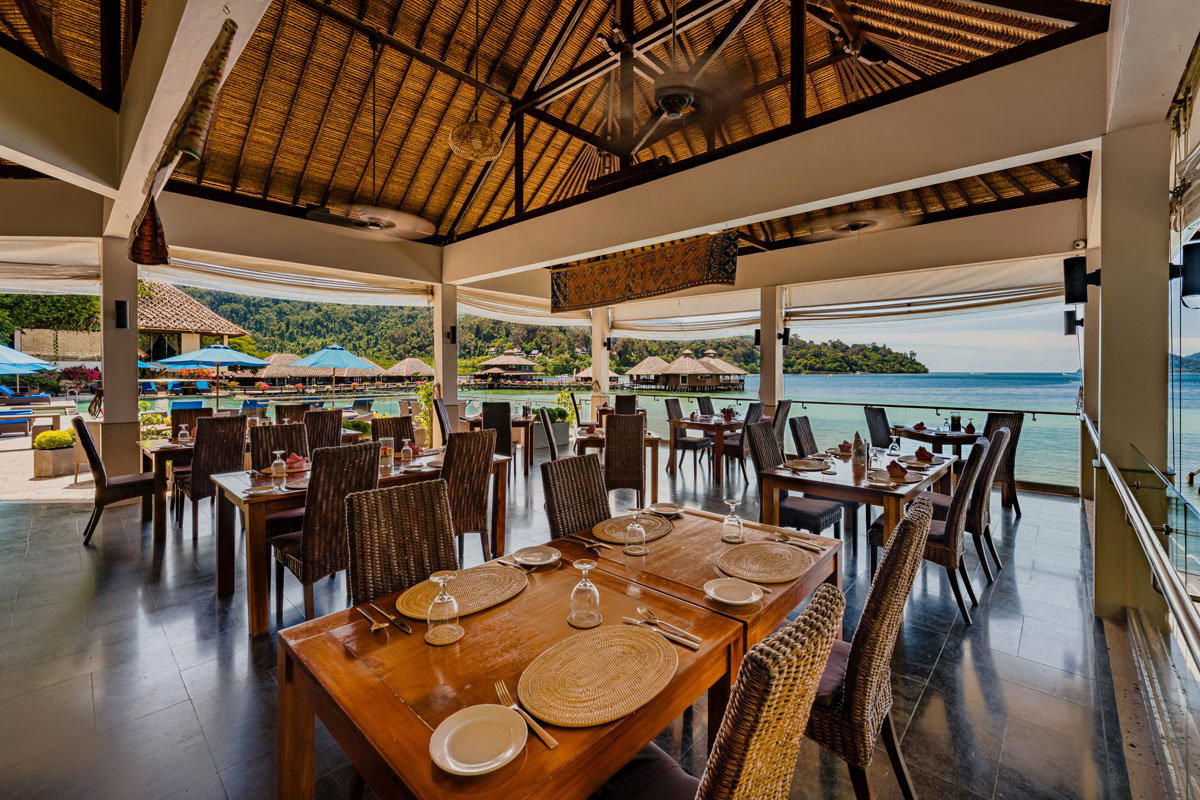
The approach to Gayana Marine Resort sets the terms of the stay before you reach reception. Pulau Gaya, the largest island in Tunku Abdul Rahman Marine Park, sits roughly 15 minutes by boat from Kota Kinabalu's waterfront. That crossing is not incidental — it marks a genuine shift in register. The Sulu Sea opens around the vessel, the city recedes, and by the time the stilted structures of Gayana Marine Resort come into view above Malohom Bay, the logistics of mainland Kota Kinabalu feel distant. This physical separation is the resort's defining structural feature, and it shapes every aspect of the service model that follows.
Malaysian island resorts in this category split broadly into two types: those that use island positioning as a backdrop for conventional hotel programming, and those that treat the marine environment as the primary subject of the stay. Gayana belongs to the second group. With 44 rooms distributed over the water, the property operates at a scale that keeps the guest-to-space ratio low and allows service to stay attentive rather than transactional. For comparison, the Rasa Ria, Kota Kinabalu operates at significantly larger volume on the mainland, positioned toward a different guest profile. Gayana's 44-room ceiling places it closer in spirit to properties like Bungaraya Island Resort, where the island setting and contained footprint are deliberate constraints rather than limitations.
The Over-Water Format and What It Demands of a Property
Over-water accommodation has become a familiar luxury signal across Southeast Asia, from the Maldives to parts of Thailand and Borneo. The format's promise is direct, unmediated access to the water — a room where the sea is not a view but a condition of the stay. In practice, the quality of that relationship depends entirely on what sits beneath the stilts. At Malohom Bay, the answer is the Coral Triangle, one of the planet's most biologically concentrated marine ecosystems, shared between Sabah, the Philippines, and Indonesia. The reef systems accessible from the resort's position give snorkelling and diving here a legitimacy that over-water properties built above degraded or shallow reef cannot match.
This context matters when evaluating what Gayana offers as a marine resort. The designation is not decorative. The property runs an Eco Marine Conservation Centre focused on coral and marine life research within the park, giving guests who want depth beyond sun and water a genuine programme to engage with. That conservation layer also functions as a trust signal for the property's long-term relationship with its environment, a factor that increasingly distinguishes serious island properties from those using marine branding purely for aesthetic effect.
Service at This Scale: What 44 Rooms Allows
The relationship between room count and service character is not accidental in the island resort segment. Properties at the 40-50 room level can sustain a guest-recognition model that larger resorts cannot replicate without significant investment in CRM systems and staff training. At Gayana, 44 rooms means staff-to-guest ratios that support anticipatory service rather than reactive service, the difference between a preference being noted once and acted on throughout a stay, versus a preference being noted and then lost in operational scale.
The island setting reinforces this. Guests cannot leave for dinner in the city without organising a boat transfer in advance, which means the resort's dining, activity, and guest experience teams are dealing with a captive but genuinely invested audience. That dynamic, when managed well, creates the conditions for a more coherent stay than mainland hotels can reliably deliver. The flip side is that any gap in service quality or programming is more exposed, there is no surrounding neighbourhood to absorb it.
For travellers comparing island resort options in the Kota Kinabalu area, Borneo Eagle Resort offers an alternative island configuration worth weighing against Gayana's marine-conservation emphasis. The two properties occupy similar geographic territory but differ in programmatic focus.
Situating Gayana Within Malaysian Island Hospitality
Malaysian island resort hospitality covers a wide spectrum, from the heritage seclusion of Pangkor Laut Resort on the west coast to the design-driven positioning of The Datai in Langkawi, which uses rainforest integration as its primary identity marker. Its frame of reference is marine access and conservation credibility, which puts it in a narrower category occupied by properties where the surrounding ecosystem is the programme, not just the scenery.
That positioning has parallels elsewhere in Malaysian hospitality. Sukau Rainforest Lodge in Kinabatangan operates on a comparable logic, small-footprint, ecologically engaged, where the wilderness context is the primary value proposition rather than hotel amenity stacking. Borneo Rainforest Lodge in Lahad Datu belongs to the same tradition, using Danum Valley access as its central argument. Gayana translates that philosophy to a marine context, with Tunku Abdul Rahman Marine Park playing the role that primary forest plays in the interior Borneo lodges.
Travellers whose priority is built environment and design over ecological programming might find properties like Soori in Penang Island or Macalister Mansion in George Town more directly aligned with their interests. Gayana asks guests to subordinate design-focused expectations to the marine environment, that is not a failing, it is the product logic.
Planning the Stay: Logistics and Timing
Kota Kinabalu International Airport serves as the primary entry point, with Gayana accessible via the resort's own boat transfer service departing from the mainland waterfront. The crossing time of approximately 15 minutes means the property is practically close to the city even if it feels remote. That proximity is useful for guests combining the island stay with other Sabah itineraries, Mount Kinabalu, the Kinabatangan river, or the diving around Semporna all sit within day-trip or extension range by road and domestic flight.
Sabah's climate follows a broadly consistent pattern, with the drier months between March and October generally preferred for marine activities. Sea visibility for diving and snorkelling tends to be strongest during this window. The northeast monsoon between November and February brings rougher conditions across parts of the South China Sea, though Malohom Bay's sheltered position on Pulau Gaya provides some mitigation. Guests planning the stay specifically around marine programming should weigh these seasonal factors when booking.
For travellers building a wider Malaysian itinerary, the EP Club has coverage of properties across the country, including Anantara Desaru Coast Resort and Villas in Johor, One&Only; Desaru Coast in Desaru, Cameron Highlands Resort in Pahang, and Bertam Wellness Spa and Villas in Penang, for those extending beyond Sabah. A full overview of dining and accommodation options in the region is available through our full Kota Kinabalu guide.
Cuisine Lens
Comparable venues nearby, for context on price, style, and recognition.
| Venue | Cuisine | Price | Awards | Notes |
|---|---|---|---|---|
| Gayana Marine ResortThis venue — the venue you are viewing | Luxury eco-resort with stilted overwater villas inspired by Borneo architecture and traditions, blending natural minimalism with modern sophistication. | Not listed | Michelin Selected · Preferred Hotels Member | Not listed |
| Bungaraya Island Resort | Secluded island hideaway with Borneo-style timber villas perched on stilts amid tropical vegetation. | $200–300 | Michelin Selected · Small Luxury Hotels of the World Member | Gaya Island |
| Shangri-La Rasa Ria, Kota Kinabalu | Luxury beachfront resort set in a nature reserve | $100–200 | La Liste Top Hotels | Tuaran |
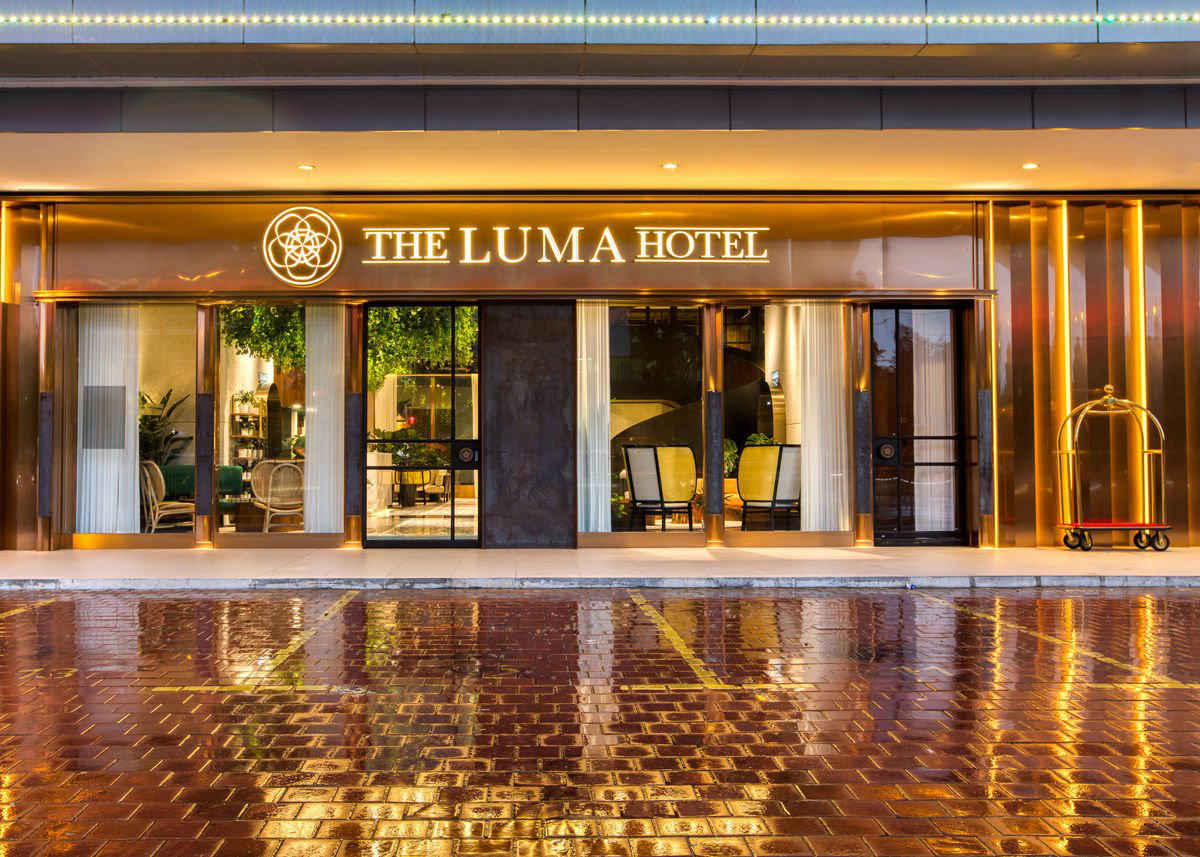
| The LUMA Hotel | Contemporary boutique design hotel blending creative architecture with local Sabahan cultural elements and sustainable practices. | Not listed | Michelin Selected · Design Hotels Member | Sembulan |
| Gayana Eco Resort | Contemporary tropical eco-resort with overwater villas | Not listed | Michelin Selected · Preferred Hotels Member | Gaya Island |
| Borneo Eagle Resort | Luxury boutique resort with rustic architecture designed around natural environment conservation principles. | $500–750 | Preferred Hotels L.V.X. Collection | Pulau Tiga |
Recognition history
Dated appearances from independent guides and award organizations, with the underlying list record or original source where available.
Michelin Selected
Michelin
Preferred Hotels Member
Preferred Hotels
Continue exploring
More in Kota Kinabalu
Hotels in Kota Kinabalu
Browse all →
Bars in Kota Kinabalu
Browse all →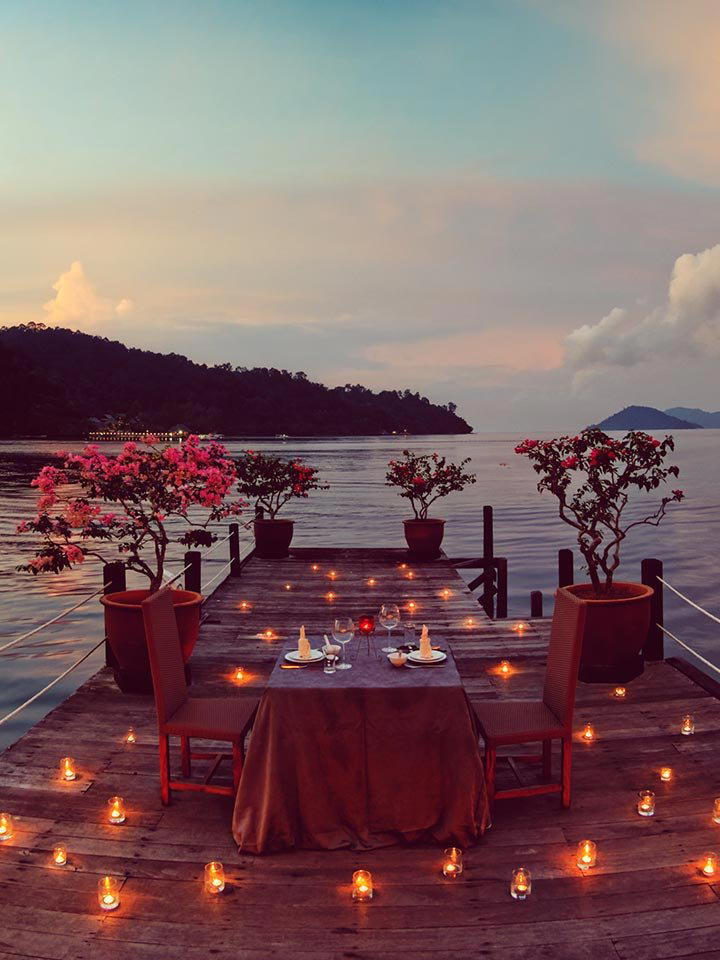
Details
- Romantic
- Scenic
- Quiet
- Elegant
- Honeymoon
- Romantic Getaway
- Family Vacation
- Wellness Retreat
- Anniversary
- Beachfront
- Private Villa
- Waterfront
- Panoramic View
- Destination Spa
- Wi Fi
- Pool
- Spa
- Room Service
- Concierge
- Kids Club
- Beach Access
- Restaurant
- Bar
- Hot Tub
- Sauna
- Waterfront
- Step Free Entrance
- Accessible Restroom
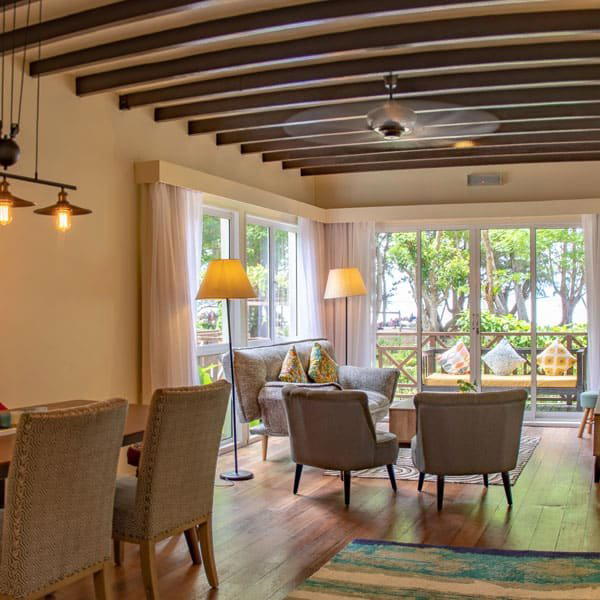
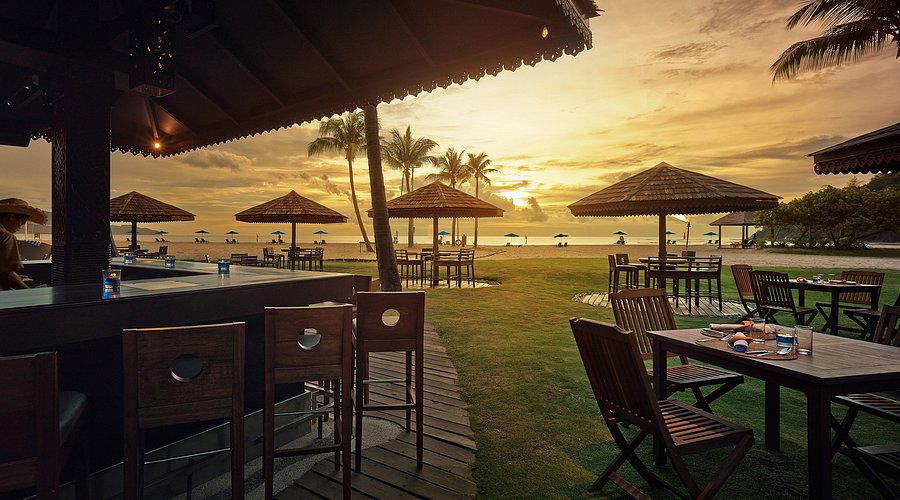
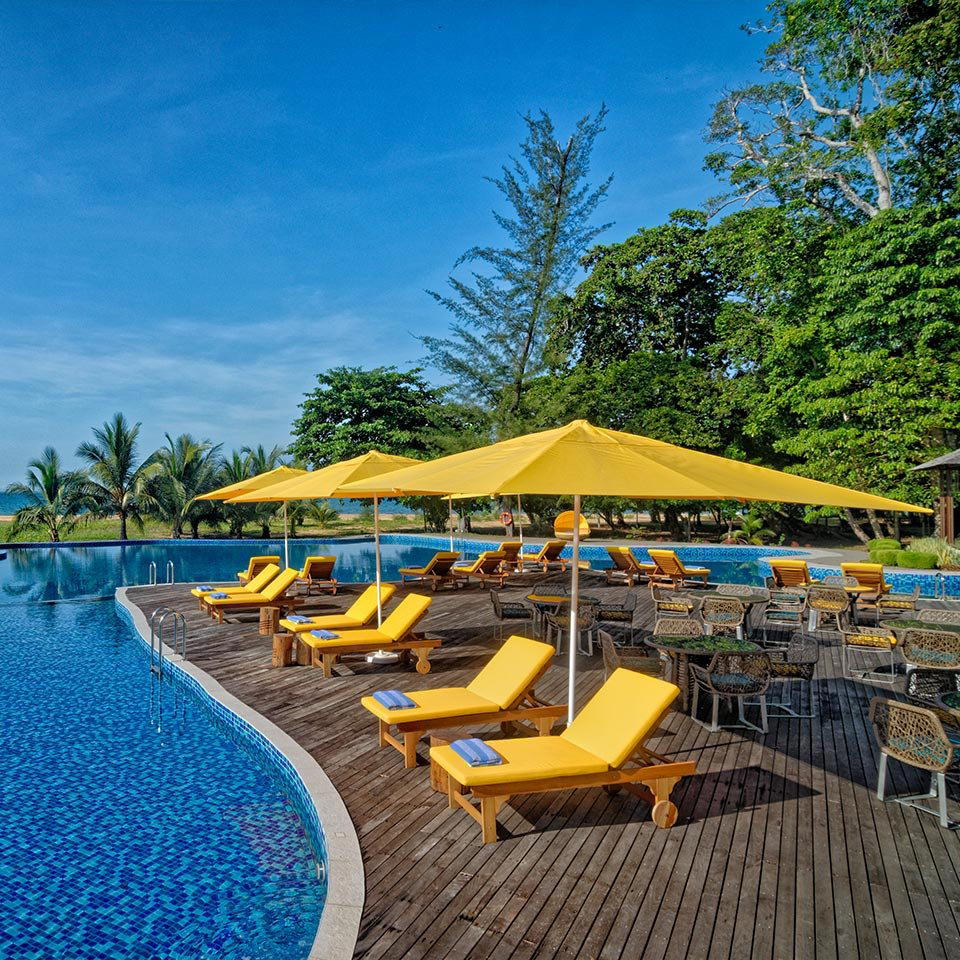
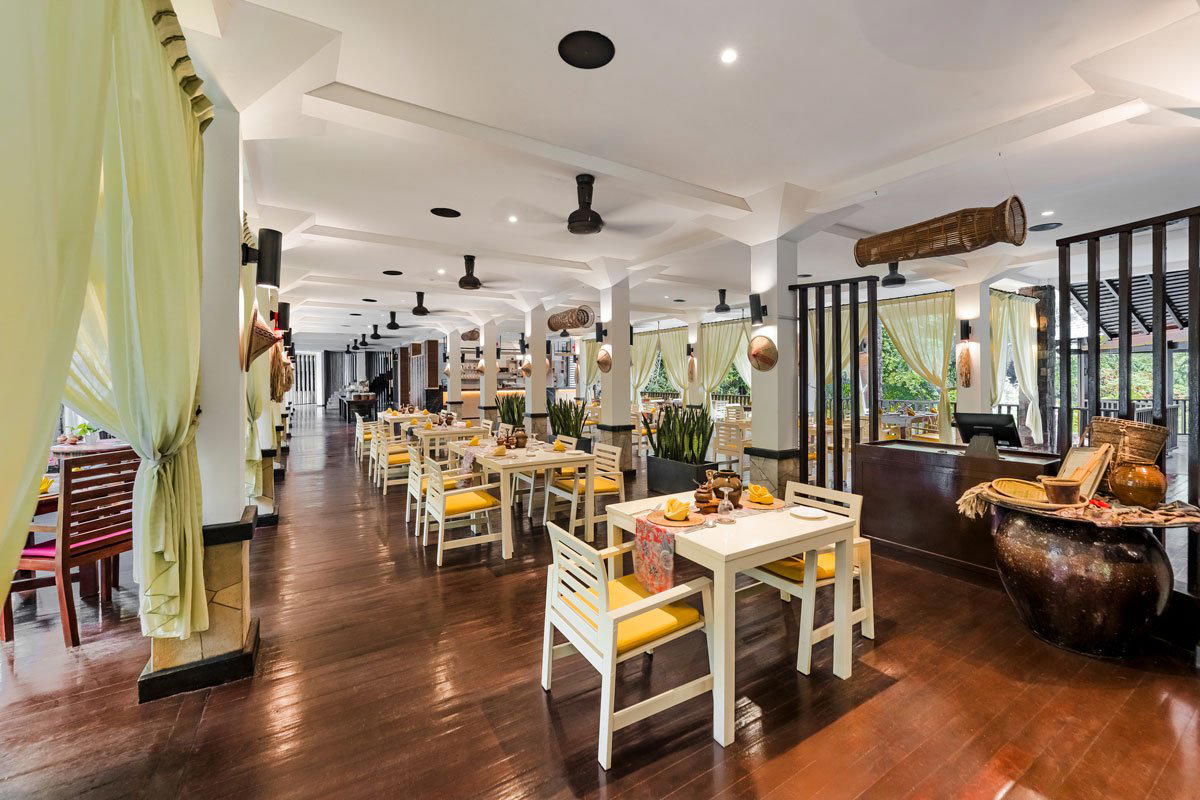
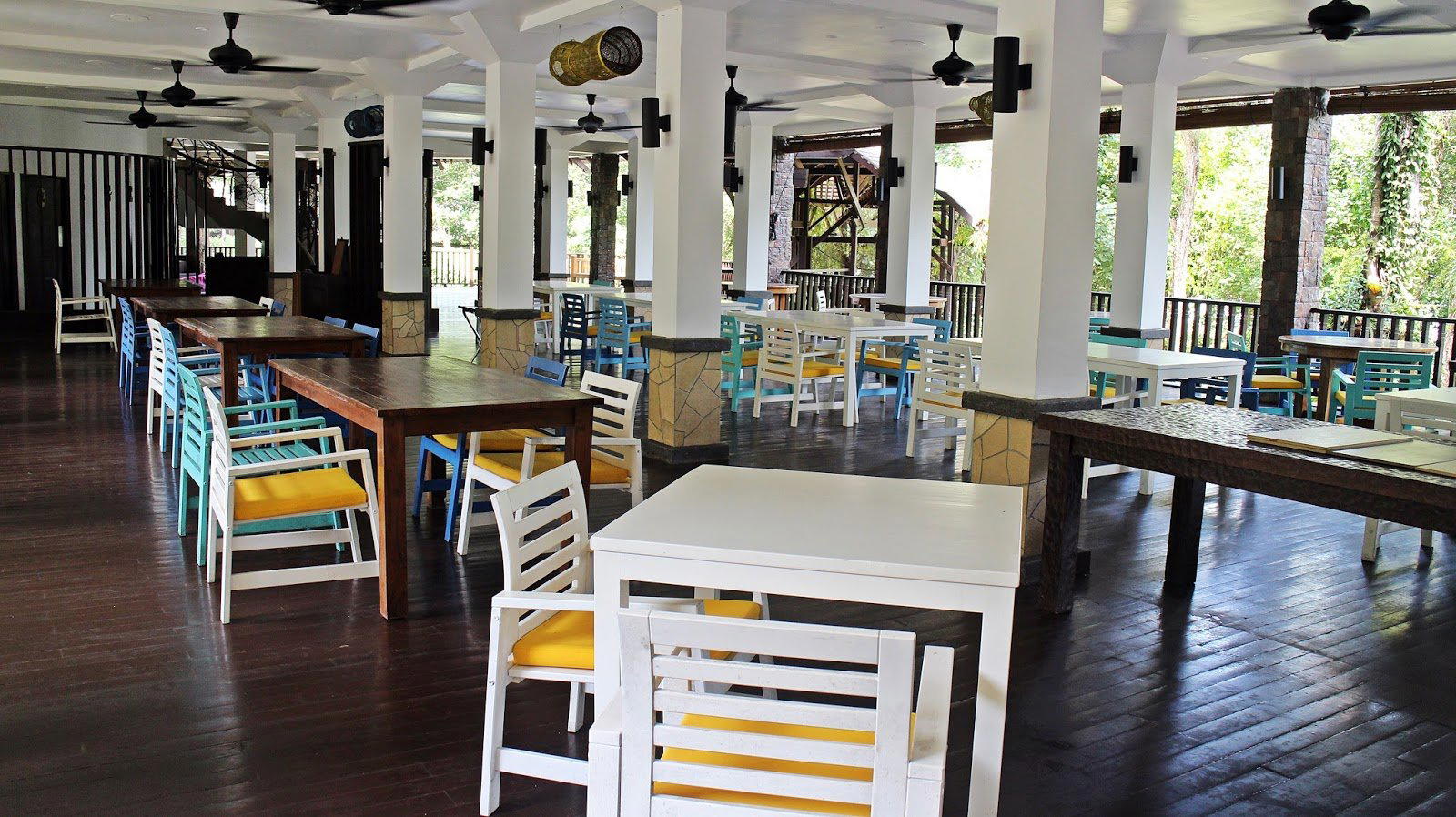
Serene and tranquil with natural tropical surroundings; mornings feature gentle waves lapping below villas while evenings showcase dramatic tropical sunsets from private terraces.