Sin Kee Bah Kut Teh (新記肉骨茶)
Pork Bone Broth and the Morning Ritual of Jalan Pantai Arrive early at Sin Kee Bah Kut Teh (新記肉骨茶) on Jalan Pantai and you walk into something that feels less like a restaurant opening and more like a neighbourhood convening. Plastic chairs...
Pearl is the En Primeur Club membership app — saves, bookings, and concierge access live there. Same editors, same standards.
- Address
- 26, Jalan Pantai, Pusat Bandar Kota Kinabalu, 88000 Kota Kinabalu, Sabah, Malaysia
- Phone
- +60 17-764 6667
- Website
- facebook.com
- Directions
- Get directions
 Saves & bookings on Pearl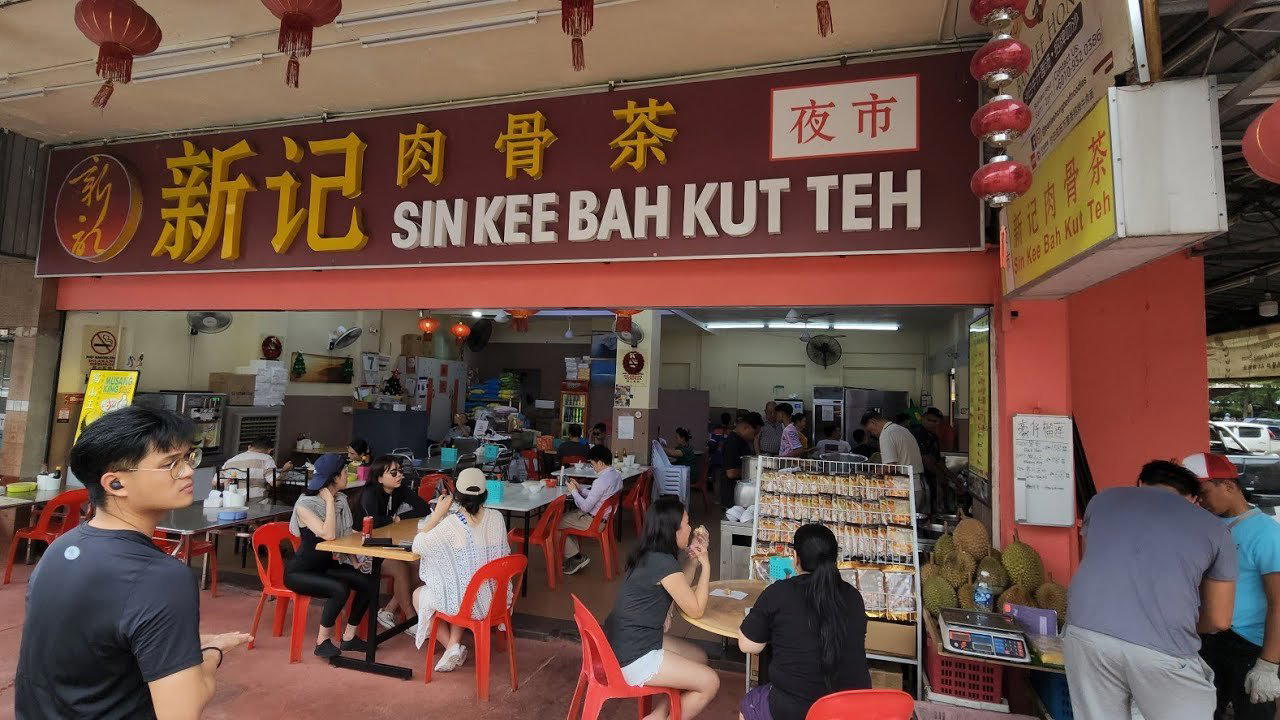
Pork Bone Broth and the Morning Ritual of Jalan Pantai
Arrive early at Sin Kee Bah Kut Teh (新記肉骨茶) on Jalan Pantai and you walk into something that feels less like a restaurant opening and more like a neighbourhood convening. Plastic chairs fill, tea gets poured without being asked, and the air carries the particular weight of a broth that has been building since before dawn. The address, 26, Jalan Pantai, in the commercial centre of Kota Kinabalu, is not a destination in the tourist-trail sense. It sits in the working fabric of the city, which is precisely the point.
What Bah Kut Teh Actually Is
Bah kut teh, which translates literally from Hokkien as "meat bone tea," occupies a specific and contested position in the story of Chinese Malaysian food culture. The dish is a slow-cooked pork rib soup built on a foundation of herbs and spices, garlic, pepper, star anise, cinnamon, cloves, and dried mushrooms in most iterations, and it arrived in the Malay peninsula through the Hokkien-speaking communities who settled along the Strait of Malacca in the nineteenth and early twentieth centuries. What began as fuel for dock labourers in Klang became, over generations, a morning institution observed by Chinese communities across Malaysia, from the heritage shophouses of Auntie Gaik Lean's Old School Eatery in George Town to the hawker corridors that line Malaysian coastal towns.
There is a meaningful division within bah kut teh itself. The Klang style, predominant in the peninsula, runs dark, dense, and medicinal, with a broth that leans heavily on soy and a battery of Chinese herbs. The Teochew variant favours a clear, pepper-forward soup where the pork's natural sweetness is less obscured. Sabah's Chinese communities, many of whom trace Hakka and Foochow roots, have developed their own inflections on both traditions, and Sin Kee sits within that local lineage, operating in a city where the cultural inheritance of the South China Sea informs nearly every bowl of soup on the table.
Kota Kinabalu's Bah Kut Teh Scene
Kota Kinabalu's Chinese Malaysian food culture does not operate in the same register as Penang or Ipoh, cities that carry the weight of formal culinary recognition. What KK offers instead is a less codified, less self-conscious version of these traditions. The bah kut teh houses here tend to be family-run, breakfast-anchored, and structurally unchanged over decades. Sin Kee shares that category with a small number of long-running operations in the city, including Da De Bah Kut Teh in Borneo, a peer-set counterpart that signals how committed the local Chinese community remains to the dish as a cultural anchor, not merely a meal format.
For context on how far this sits from the fine-dining tier of Malaysian food, consider that Kuala Lumpur's Dewakan operates at the $$$$ end of the national restaurant spectrum, treating Malaysian ingredients through a modernist lens. Sin Kee represents the opposite pole: no tasting notes, no reservation system, no chef narrative. The food is the tradition and the tradition is the food.
The Cultural Logic of a Morning Bowl
Bah kut teh is a breakfast food in most of the communities that preserved it, and that timing is not incidental. The broth's warming, restorative character is calibrated to the early hours; the slow heat of the pepper and the depth of the herbs function differently at 7am than they would at dinner. In Kota Kinabalu, as across Malaysian Chinese communities more broadly, the morning bah kut teh table is also a social ritual. The tea poured alongside (that is the "teh" of the name, or at minimum the explanation for it in one widely accepted etymology) is refilled continuously. You-tiao, the fried dough sticks, arrive for dipping. Rice is optional but common. The structure of the meal is informal but consistent, and regulars navigate it without menus.
This format places Sin Kee in the same broad category as the stall-based hawker operations that feature in Penang's Air Itam Asam Laksa, Chong Char Koay Teow, and 888 Hokkien Mee, places where heritage and locality matter more than format innovation. The culinary logic is preservation, not evolution.
Where Sin Kee Sits in Jalan Pantai's Commercial Strip
Jalan Pantai runs through the commercial core of central Kota Kinabalu, a part of the city that blends shophouses, office blocks, and the residual texture of a working Malaysian port town. It is not the waterfront promenade, nor the night market cluster that tourists typically seek. The area is functional rather than picturesque, which is another way of saying that Sin Kee is embedded in daily KK life rather than positioned for visitors. Other dining options in the broader area span a wide range, the Japanese counter at Sakagura operates in an entirely different register, but Sin Kee's audience is largely local, largely Chinese Malaysian, and largely returning.
That consistency of patronage is itself a trust signal. Bah kut teh houses that fail the morning test close quickly; those that persist for years do so because the broth is reliable and the price holds.
Planning Your Visit
Sin Kee Bah Kut Teh operates as a walk-in establishment in the Chinese Malaysian hawker tradition. Reservations are not part of the format, and the practical approach is to arrive early: bah kut teh houses in this category typically open at or before 7am and can run out of the day's broth by mid-morning. Jalan Pantai is accessible from the central city on foot or by short taxi or ride-hailing journey. If you arrive and find the tables full, the waiting time at a neighbourhood bah kut teh house is measured in minutes, not longer. Families with children are a routine presence; the format is casual, loud in the way that crowded morning tables are loud, and entirely without dress expectations. Bring cash as a default assumption, as card facilities are not standard in this category of establishment in Kota Kinabalu.
For Malaysian food at a different price point and register, Auntie Gaik Lean's Old School Eatery in George Town offers a useful reference for how heritage Chinese Malaysian traditions can be preserved at the $$ tier. Separately, Jia Yi Dao Vegetarian Restaurant in Taiping illustrates how Chinese Malaysian food culture accommodates traditions beyond pork-based cooking. And for those moving through the broader region, Kopi Ping Cafe in Tuaran represents the kopitiam tradition that frequently accompanies or overlaps with bah kut teh culture in Sabah's smaller towns.
Pricing, Compared
Comparable venues nearby, for context on price, style, and recognition.
| Venue | Cuisine | Price | Notes |
|---|---|---|---|
| Sin Kee Bah Kut Teh (新記肉骨茶)This venue — the venue you are viewing | Not listed | $ | Not listed |
| Da De Bah Kut Teh 大德古早味肉骨茶 | Gaya Street, Traditional Bak Kut Teh | $ | Not listed |
| Sakagura | Not listed | $$$ | Oceanus Waterfront Mall, Authentic Japanese Sushi and Sashimi |
| Air Itam Asam Laksa, Chong Char Koay Teow, and 888 Hokkien Mee | Not listed | $ | George Town, Traditional Penang Hokkien Noodles & Asam Laksa |
| Da De Bah Kut Teh | Not listed | $ | Gaya Street, Kota Kinabalu, Traditional Bak Kut Teh |
| Loong Fong Cafe | Not listed | $ | George Town, Pork-Free Traditional Penang Cafe |
Continue exploring
More in Kota Kinabalu
Restaurants in Kota Kinabalu
Browse all →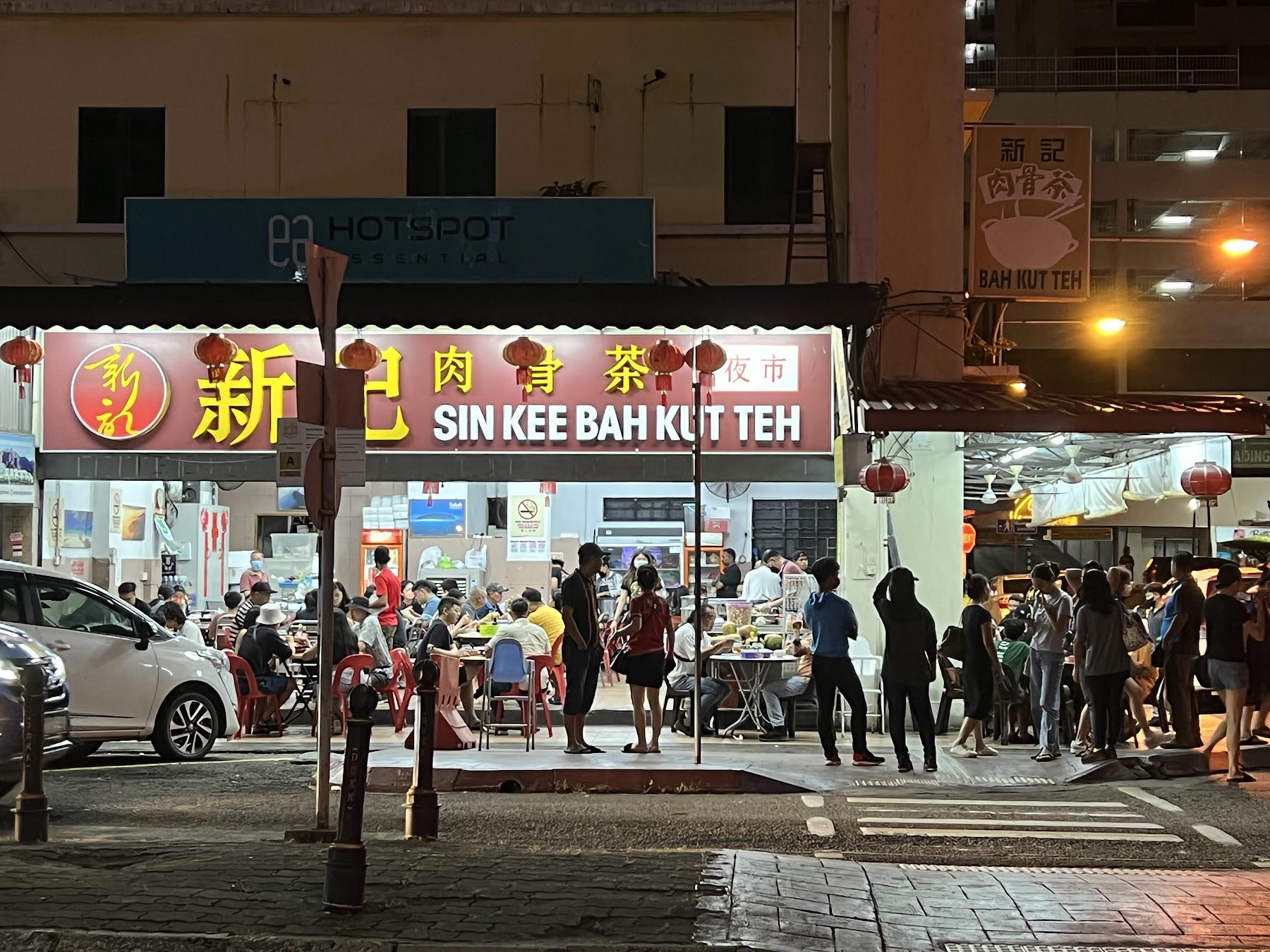
Bars in Kota Kinabalu
Browse all →

At a Glance
- Classic
- Cozy
- Casual Hangout
- Family
Current opening hours
- Monday
- 12–9:30 PM
- Tuesday
- 12–9:30 PM
- Wednesday
- 12–9:30 PM
- Thursday
- 12–9:30 PM
- Friday
- 12–9:30 PM
- Saturday
- 12–9:30 PM
- Sunday
- 12–9:30 PM
Hours can change for holidays and private events. Last verified .
Casual coffee shop atmosphere with no air-conditioning, seating both inside and outside.