
Michelin Plate
Our verdict
A cave à manger near La Madeleine where two Bloempot-trained chefs run surprise menus built around seasonal farm produce. Antoine Dacquin and Pierre Bleuzé split duties between floor and kitchen, producing dishes like roasted aubergine with bouillabaisse broth and confit cod with marjoram béarnaise. Informal in format, serious in sourcing.

Pearl is the En Primeur Club membership app, where members save venues, book tables and use the concierge.
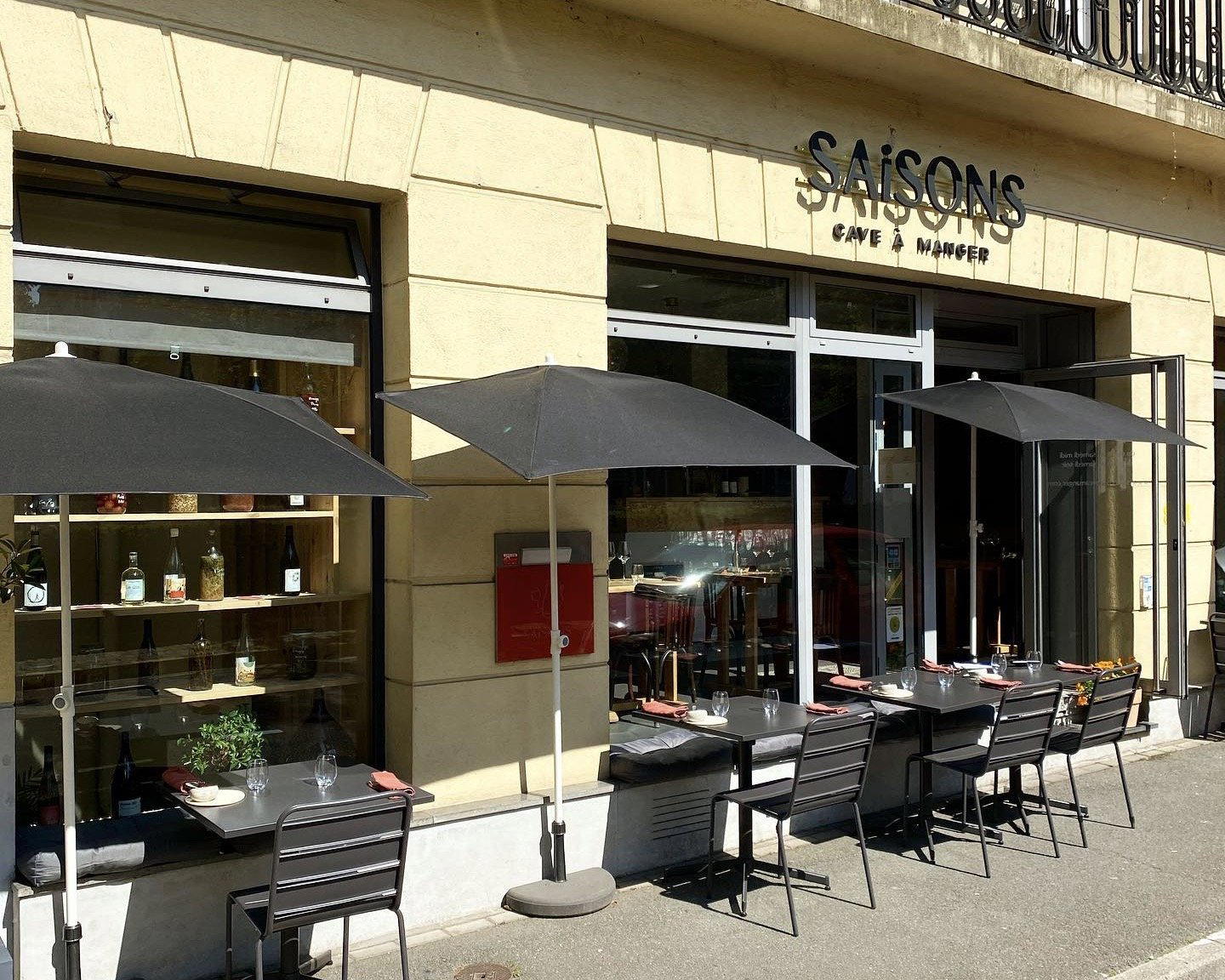
Where the Wine Cave Meets the Kitchen Counter
The cave à manger format has been gaining ground in northern France for a reason. It strips out the ceremonial weight of the gastronomic restaurant, the sommelier theatre, the tasting menu preamble, the reverent hush, and replaces it with something closer to the way wine professionals actually eat: standing at counters, passing plates, drinking bottles pulled from open shelving rather than a locked cellar. At Saisons - Cave à Manger, on the Place Massenet in La Madeleine, that format is applied with the kind of kitchen discipline that comes from serious apprenticeship rather than casual ambition.
The address sits just outside central Lille, in the residential neighbourhood of La Madeleine, which places it slightly apart from the cluster of destination restaurants that line the older quarters of the city. That physical distance is part of the proposition. This is not a room that relies on tourist footfall or a famous street address. The people eating here have made a deliberate choice to come.
The Bloempot Lineage and What It Means for Your Plate
Northern French cooking has its own distinct register, one that does not always receive the same international attention as the kitchens of Lyon, Paris, or the Basque borderlands. The region's larder, coastal fish, root vegetables, dairy from inland farms, foraged coastal plants like samphire, has historically fed a working population more than a travelling one. What has changed in Lille over the past decade is that a generation of chefs trained at serious addresses have chosen to stay and cook locally, rather than migrate south. Bloempot, Florent Layden's restaurant, sits at the centre of that shift. It is where Antoine Dacquin and Pierre Bleuzé met and cooked together before opening Saisons.
That connection matters editorially because Bloempot represents a specific approach to northern French produce: seasonal, direct from farm relationships, cooked with technique but without cosmetic excess. The two chefs who came out of that kitchen and opened Saisons did not abandon those principles when they moved into the cave à manger format. The surprise menus they run at lunch and dinner are built on the same sourcing logic, quality farm produce, seasonal sequencing, delivered in a register that is looser and more immediate than a tasting menu restaurant.
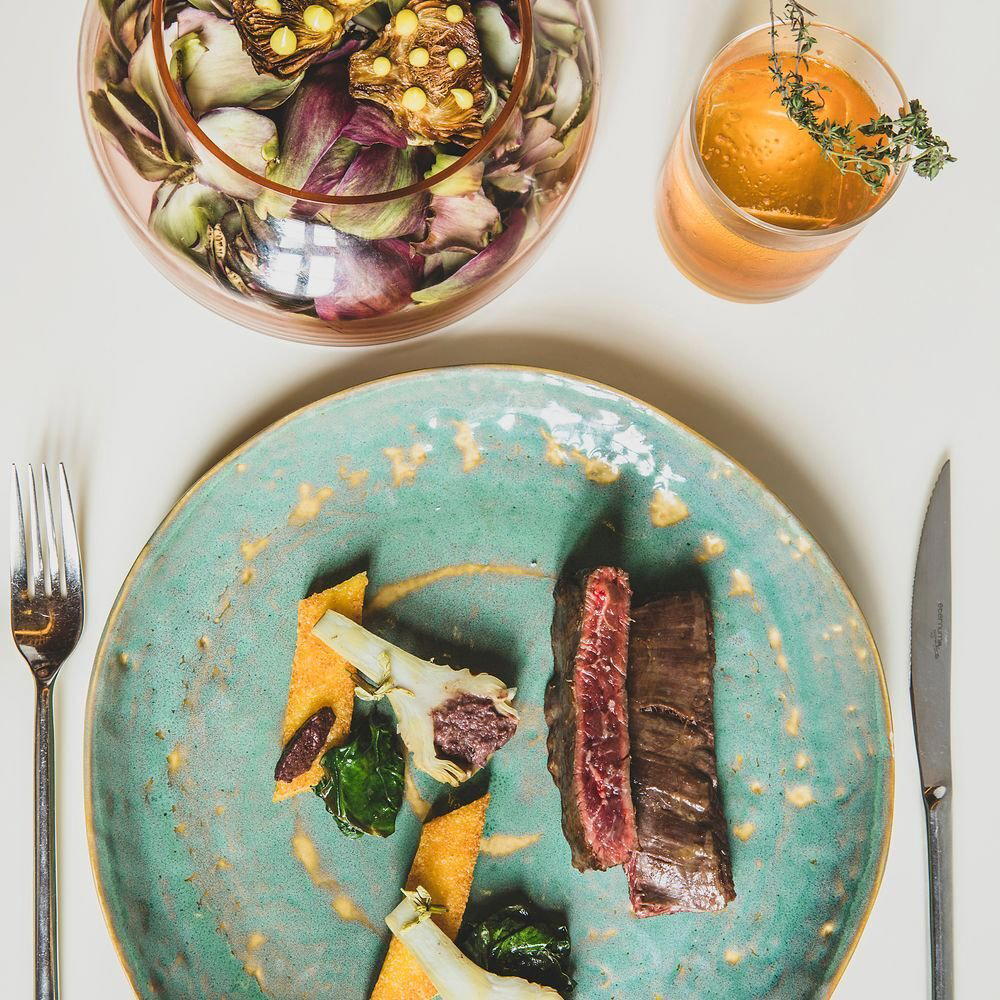
Among the dishes documented from their kitchen: roasted aubergine with rouille sauce, samphire, and bouillabaisse broth, a dish that pulls from the southern French coastal canon but plants it firmly in northern soil through the samphire; and confit cod with roasted leeks, Swiss chard, and a marjoram béarnaise. That second dish is a useful illustration of how the kitchen operates. A béarnaise is a classical French mother sauce derivative, but the substitution of marjoram for tarragon signals a willingness to reread familiar grammar through seasonal availability rather than convention.
For comparable modern cooking in Lille at different price tiers and formats, Ginko and Pureté both operate in the city's modern cuisine space, while La Table - Hôtel Clarance sits at the formal end of the spectrum. Coup de Main offers a creative alternative in a different format. Saisons occupies a different register from all of them: informal in setting, but structured around surprise menus rather than à la carte flexibility.
How the Room Actually Works
The operational model at Saisons divides responsibility cleanly: one of the two chef-partners runs the floor during service, the other cooks. That rotation means the person explaining your wine or describing the evening's course is not a career front-of-house professional working from a script, it is one of the people who built the restaurant and designed its menu logic. In smaller dining rooms across France, this kind of chef-present floor service has become a marker of a certain kind of ambition: the conviction that the meal is an argument worth making in person.
The surprise menu format, no written menu, courses chosen by the kitchen based on what the market and the farms have delivered, is a commitment that rewards trust and penalises control. Guests who arrive wanting to manage their experience in advance will find the format uncomfortable. Those who hand over that control tend to eat better than they planned. France's most celebrated kitchens have long understood this: from Mirazur in Menton to Bras in Laguiole, the argument for seasonal surprise menus is also an argument about who knows leading what is worth eating on a given Tuesday in November.
At Saisons, the scale is smaller and the price register is lower, but the underlying logic is the same. The kitchen cooks what is in season and what arrived from the farm that week. The room reflects that philosophy in format: a cave à manger is inherently a less fixed environment than a restaurant with a printed menu and a fixed sequence. Things change. That is the point.
Planning Your Visit
Saisons - Cave à Manger is at 2 Place Massenet in La Madeleine, the commune that borders Lille to the north. The cave à manger format operates at both lunch and dinner services, running surprise menus across both sittings. Given the kitchen's growing profile in Lille's dining conversation, two chefs with Bloempot credentials, a surprise-menu format that limits covers, and word-of-mouth momentum, booking ahead is advisable rather than optional. Walk-in availability is plausible at quieter lunch sittings, but for dinner, particularly later in the week, securing a reservation in advance is the sensible approach.
For those building a broader Lille itinerary around eating and drinking well, the EP Club guides to Lille restaurants, Lille bars, Lille hotels, Lille wineries, and Lille experiences cover the full city picture. The Eurostar connection from London St Pancras to Lille-Europe takes around 80 minutes, making northern France's most food-serious city one of the most accessible serious dining destinations from the UK. For reference on where French fine dining sits at its most formal end, the EP Club also covers Alléno Paris au Pavillon Ledoyen, Flocons de Sel in Megève, Troisgros in Ouches, and Auberge de l'Ill in Illhaeusern, all of which provide useful calibration for understanding where a room like Saisons sits in the wider French dining picture: closer to the ground, less decorated, but connected to the same sourcing and seasonal seriousness that defines the country's cooking at its most credible.
Frequently asked questions
Is Saisons - Cave à Manger okay with children?
The cave à manger format, with its surprise menus and wine-focused identity, is better suited to adults with an interest in seasonal French cooking. Nothing in the available information about Saisons explicitly excludes children, but the rotating tasting format, where dishes like confit cod with marjoram béarnaise or roasted aubergine with bouillabaisse broth appear without advance notice, assumes a fairly open palate.
What is the atmosphere like at Saisons - Cave à Manger?
Saisons operates on a split-role model: one of the two chef-partners, Antoine Dacquin or Pierre Bleuzé, runs the floor during service while the other cooks. That arrangement gives the room a hands-on quality you rarely get in restaurants where ownership stays behind the pass. The cave à manger format is informal by design, stripping back ceremony without sacrificing seriousness of produce.
What distinctions does Saisons - Cave à Manger have?
Saisons - Cave à Manger has received recognition including: Antoine Dacquin and Pierre Bleuzé, Lille-born chefs and partners here, first became friends in the kitchens at Bloempot, Florent Layden's restaurant. During service, one of the pair oversees the restaurant floor, the other cooks. Through th….
What do people recommend at Saisons - Cave à Manger?
Because Saisons runs surprise menus, there is no fixed dish to request. Documented preparations have included roasted aubergine with rouille sauce, samphire and bouillabaisse broth, and confit cod with roasted leeks, Swiss chard and marjoram béarnaise. The kitchen draws on quality farm produce and adjusts with the seasons, so the menu changes rather than repeating signature plates.
Where is Saisons - Cave à Manger in Lille?
Saisons - Cave à Manger is located at 2 place Massenet, à La Madeleine, Lille.
Do they take walk-ins at Saisons - Cave à Manger?
No walk-in policy is documented for Saisons. Given that the kitchen runs a surprise-menu format at both lunch and dinner, covers are likely planned in advance. Arriving without a reservation at a chef-driven cave à manger of this type carries real risk, particularly in the evenings.
What makes Saisons - Cave à Manger worth seeking out?
Dacquin and Bleuzé trained together at Bloempot, Florent Layden's restaurant in Lille, which established northern French cooking as a serious reference point in its own right. At Saisons, they have built a model where one partner is always on the floor and the other is always cooking, which keeps both the food and the service directly accountable. The surprise-menu format, anchored in seasonal farm produce, means the kitchen commits to what is actually good on a given day rather than maintaining a static list.
Booking and Cost Snapshot
Comparable venues nearby, for context on price, style, and recognition.
| Venue | Cuisine | Price | Awards | Notes |
|---|---|---|---|---|
| Saisons - Cave à MangerThis venue (the venue you are viewing) | Modern French Seasonal Bistro | $30–50 | Michelin Plate | Not listed |
| Rouge Barre | Modern French Gastronomy | $50–100 | Michelin Plate | Vieux Lille 5, Modern French Gastronomy |
| Coup de Main | Creative French Seasonal Cuisine | $30–50 | Michelin Plate | Vieux Lille 5, Creative French Seasonal Cuisine |
| Estaminet 'T Rijsel | Traditional Flemish Bistro | $30–50 | Not listed | Vieux Lille 2, Traditional Flemish Bistro |
| Bierbuik | Modern Flemish Brewpub | $20–30 | Not listed | Vieux Lille 6, Modern Flemish Brewpub |
| Bouillon De La Paix | Traditional French Brasserie | $30–50 | Not listed | Lille Centre 9, Traditional French Brasserie |
Recognition history
Dated appearances from independent guides and award organizations, with the underlying list record or original source where available.
Michelin Plate
Michelin
Continue exploring
More in Lille
Restaurants in Lille
All restaurants in Lille →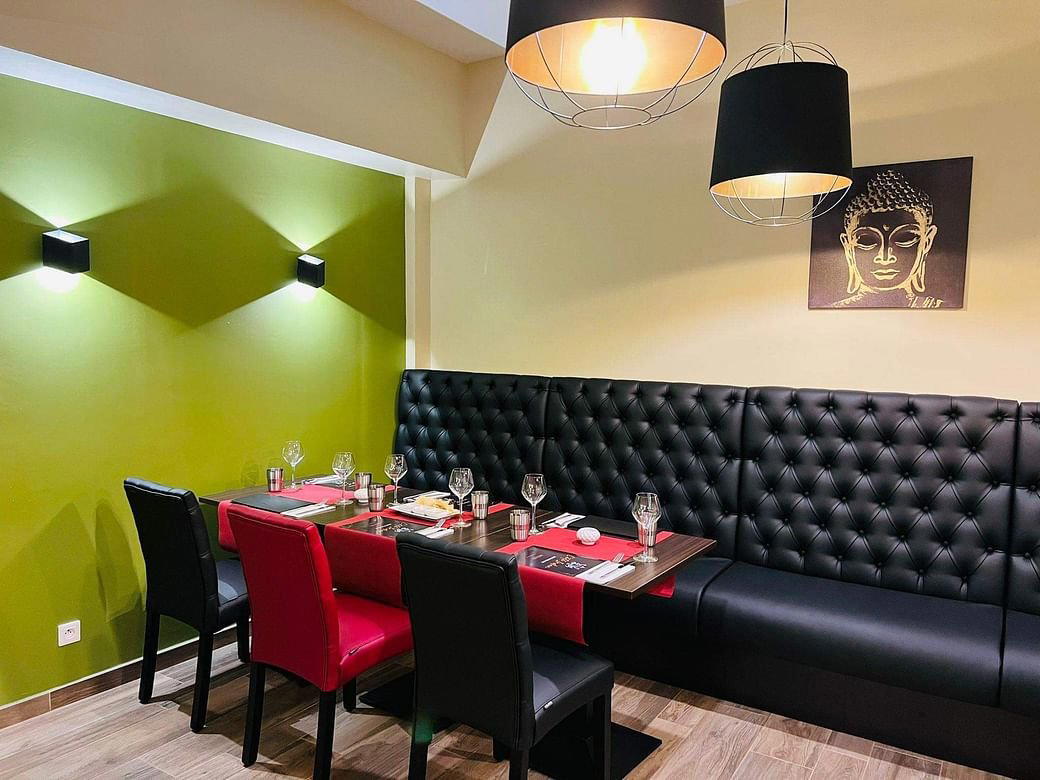
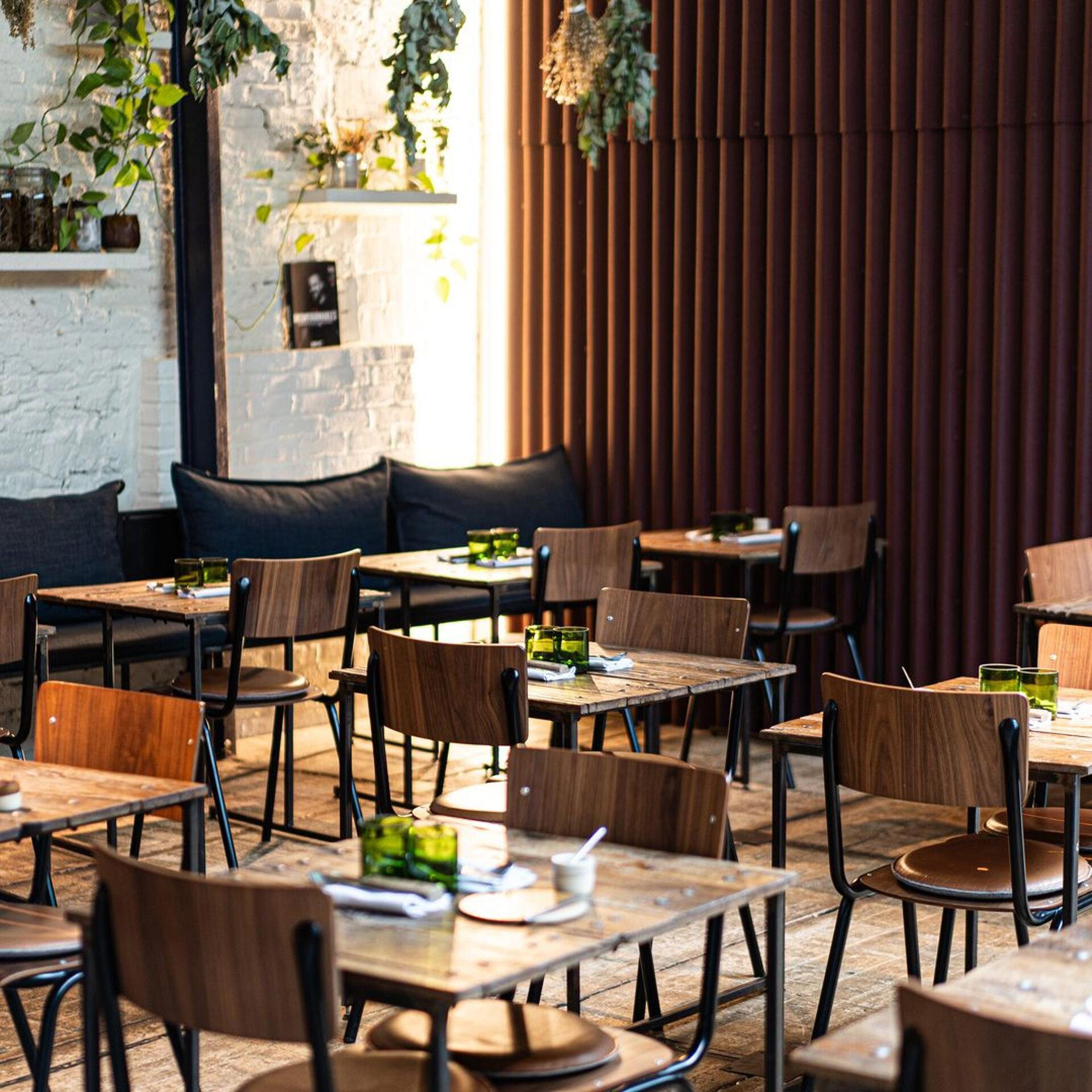
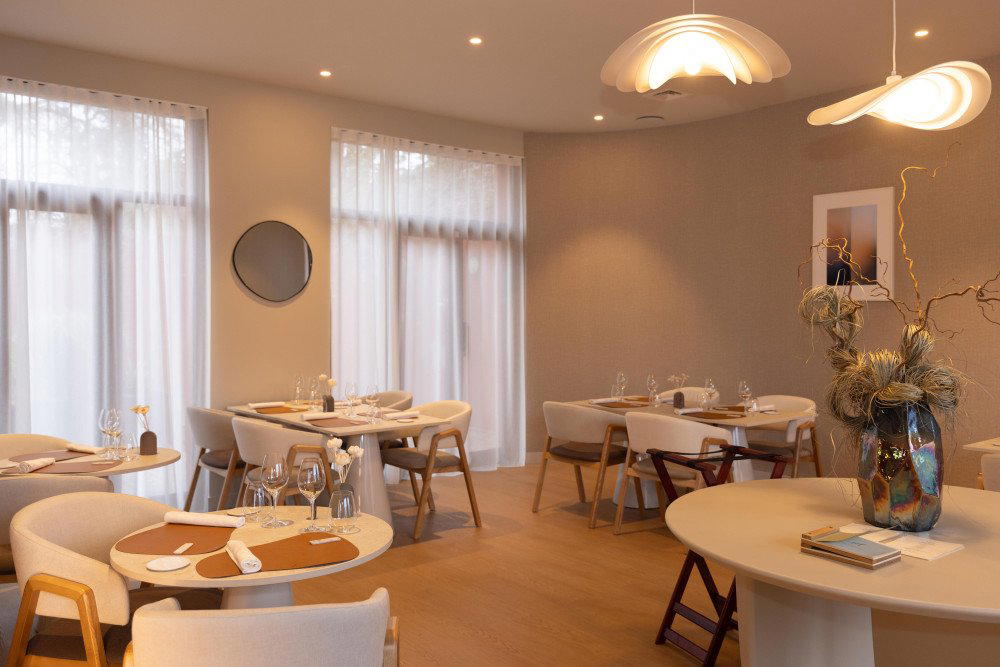
Bars in Lille
All bars in Lille →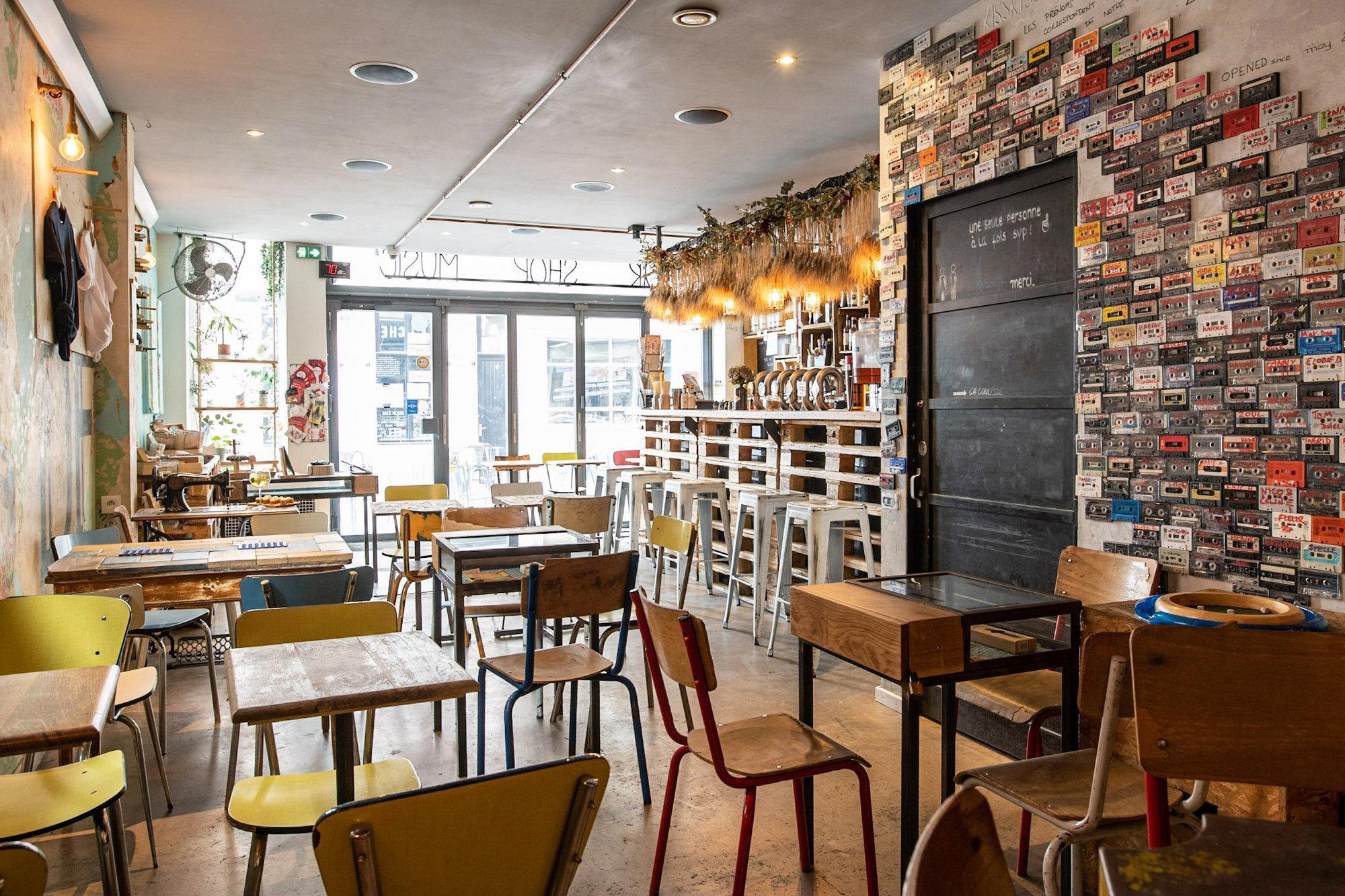
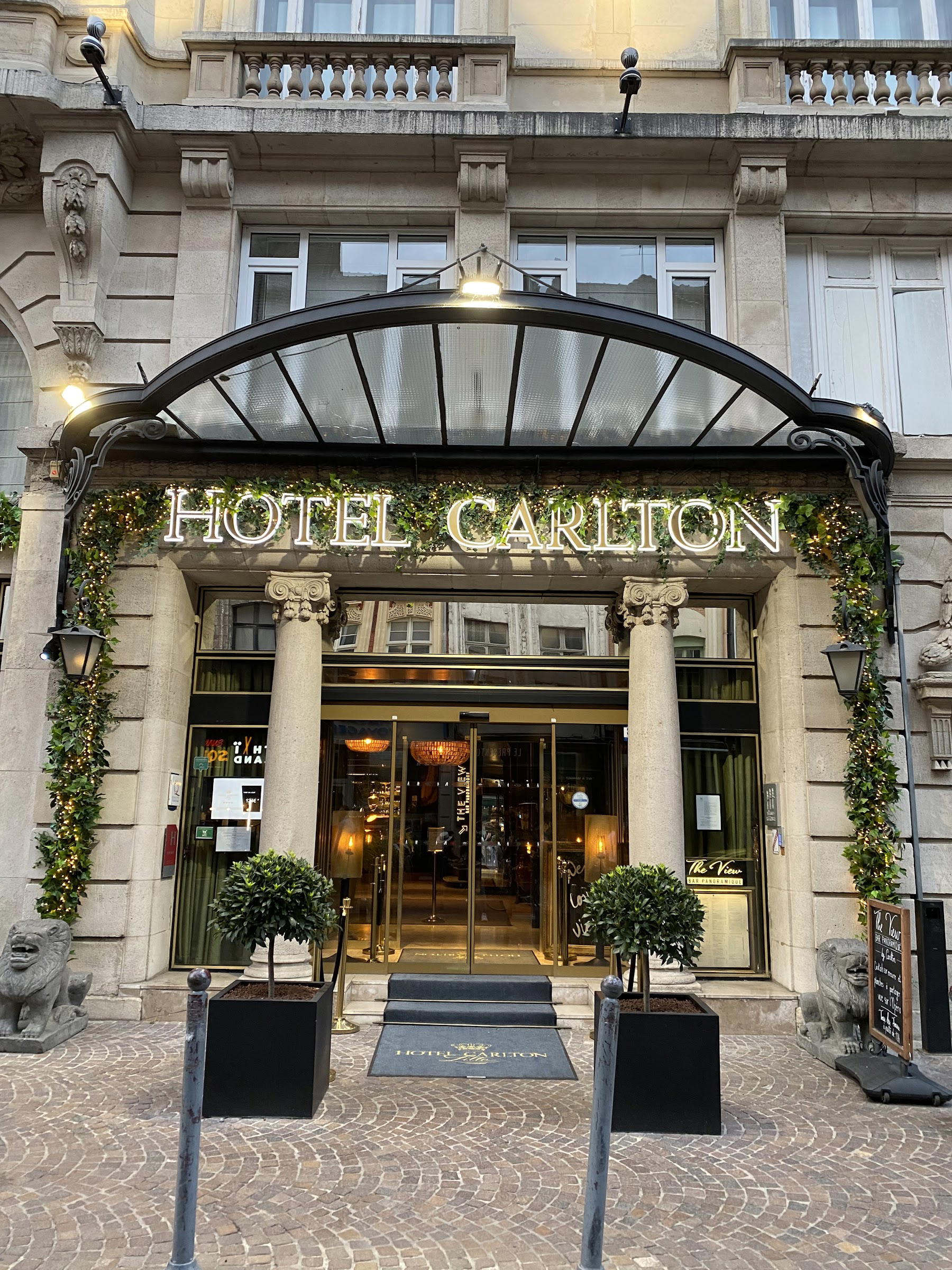
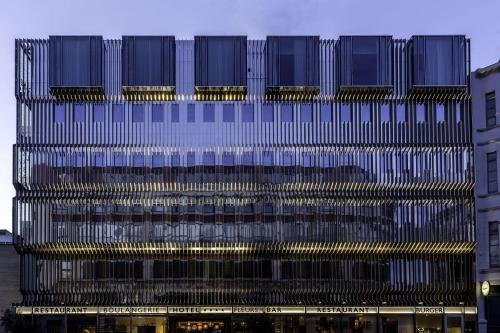
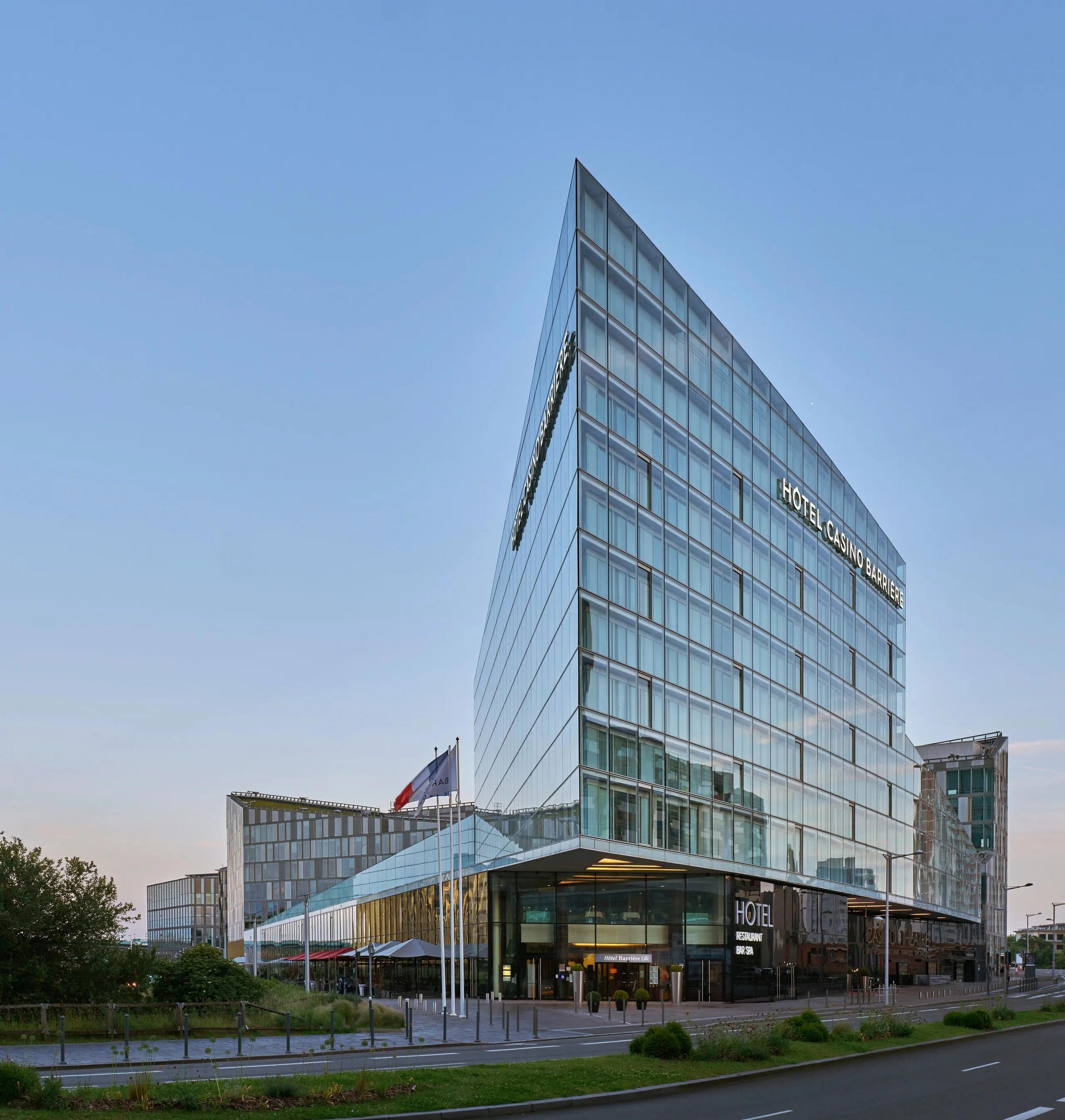
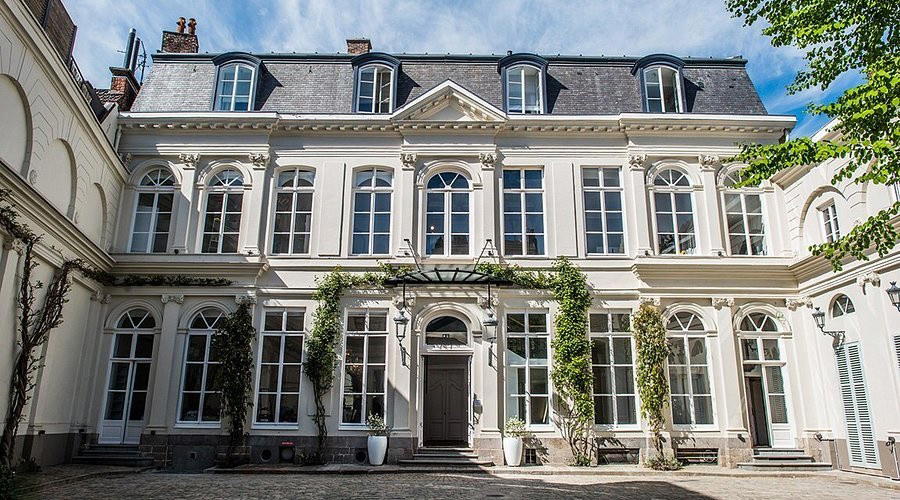
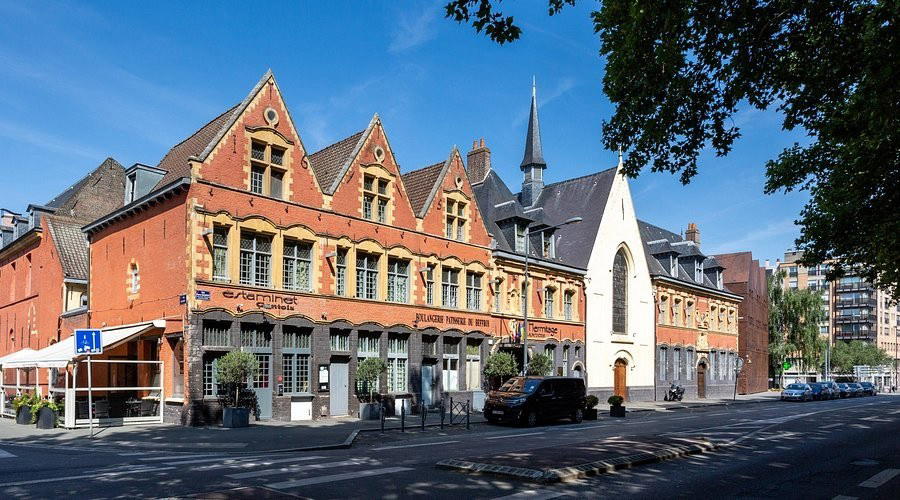
Hotels in Lille
All hotels in Lille →
Wineries in Lille
Browse all →
Details
- Cozy
- Intimate
- Elegant
- Modern
- Date Night
- Casual Hangout
- Family
- Open Kitchen
- Natural Wine
- Farm To Table
- Local Sourcing
- Garden
- A La Carte
- Small Plates
- Vegetarian Friendly
Current opening hours
- Monday
- Closed
- Tuesday
- 12–1:30 PM
- Wednesday
- 12–1:30 PM, 7:30–9:30 PM
- Thursday
- 12–1:30 PM, 7:30–9:30 PM
- Friday
- 12–1:30 PM, 7:30–9:30 PM
- Saturday
- 12–1:30 PM, 7:30–9:30 PM
- Sunday
- Closed
Hours can change for holidays and private events. Hours as of .
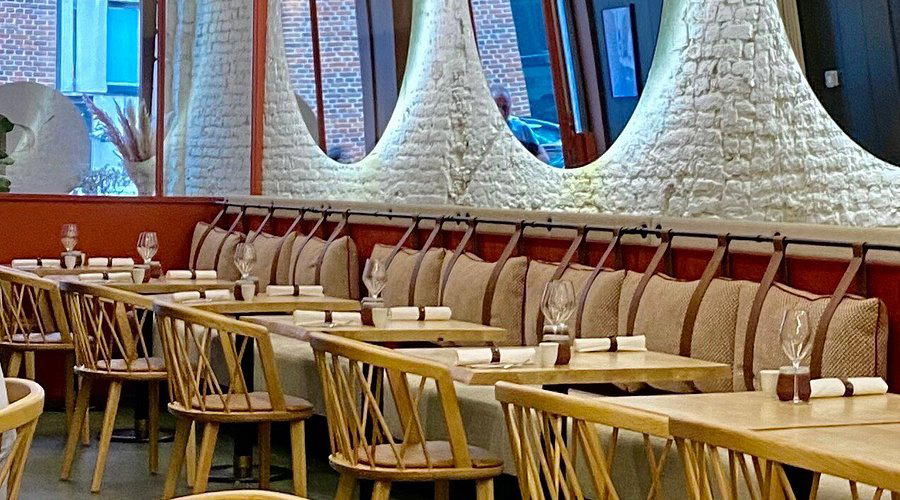
Épurée et chaleureuse with clean lines, fresh flowers, warm lighting, and handmade decor creating an elegant yet relaxed neighborhood feel.