


Bloempot sits on Rue des Bouchers in central Lille and makes a clear argument for northern French produce: local, organic, and seasonal, with vegetables at the centre of most plates. Florent Ladeyn, known from Top Chef France, runs the kitchen alongside Kevin Rolland with a Michelin Plate recognition in both 2024 and 2025. At the €€ price point, it holds a distinct position in Lille's modern dining scene.
Pearl is the En Primeur Club membership app — saves, bookings, and concierge access live there. Same editors, same standards.
- Address
- 22 Rue des Bouchers, 59800 Lille, France
- Website
- bloempot.fr
- Directions
- Get directions
 Saves & bookings on Pearl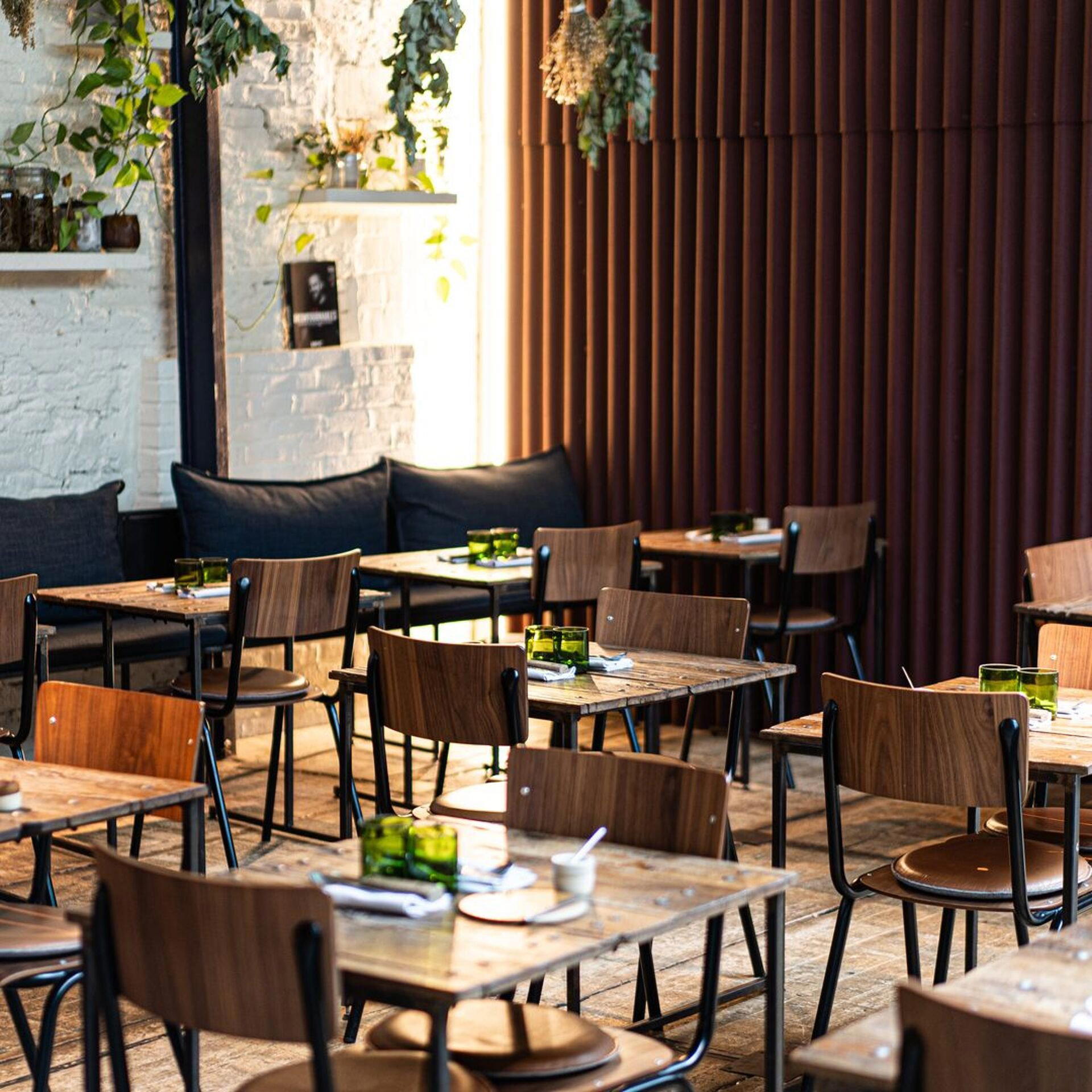
A Corner of Lille Where the North Speaks for Itself
Rue des Bouchers is one of Lille's older commercial streets, and 22 is not a conspicuous address. The room at Bloempot does not announce itself with grand design gestures. What it does instead is set a tone: unpretentious, focused, and grounded in something specific. That specificity is northern France, its soils, its farmers, its wild game and foraged produce, treated with a seriousness that the region's cuisine has historically been denied in fine-dining circles. This is not a restaurant trying to transpose a Parisian or Mediterranean sensibility onto Flemish ingredients. It is a room where the north is the point of departure and the destination.
The Ladeyn Framework: Television Credentials, Regional Conviction
French television and serious cooking rarely produce chefs who return to their home region and stay. Florent Ladeyn is the exception. His participation in Leading Chef gave him national visibility, and what he did with it was anchor himself more firmly in Nord-Pas-de-Calais rather than use that exposure for a Paris move. That choice has shaped Bloempot's identity at every level. The kitchen operates on a sourcing philosophy that excludes produce from outside the immediate northern French zone: local farmers, wild game from regional estates, and organic suppliers whose geography is part of the criteria. Ladeyn works alongside Kevin Rolland, and the collaboration has produced a consistent identity across consecutive Michelin Plate recognitions in 2024 and 2025.
The Michelin Plate is a signal worth reading carefully. It sits below star territory but above the noise of the general recommendation pool. For a restaurant at the €€ price tier, it positions Bloempot in a bracket where cooking quality is the primary criterion for recognition, not luxury input costs or elaborate service architecture. Among Lille's modern cuisine addresses, the pricing places it in a different tier from Ginko and Pureté, both operating at €€€, and well below the La Table - Hôtel Clarance bracket at €€€€. The argument Bloempot makes is that regional conviction, executed with care, does not require a premium cover charge to earn serious recognition.
Vegetables as the Structural Argument
In most northern European cuisines, the vegetable course has historically been a concession to balance rather than a point of emphasis. What distinguishes the cooking approach at Bloempot is that vegetables are positioned as structural, not supplementary. Seasonal broths built around what is available from local farms, shared plates designed for the table rather than the individual cover, and an absence of imported produce that might otherwise allow chefs to extend their seasonal window artificially: these are editorial choices in how a kitchen communicates what it values. The result, when the season is right, is a menu that reads as a precise document of what northern France produces in a given month.
This approach aligns Bloempot with a broader movement in French regional cooking that has gathered momentum over the past decade. From Bras in Laguiole, where the Aubrac plateau defines the kitchen's palette, to Flocons de Sel in Megève, where Alpine produce shapes the menu's identity, the strongest regional restaurants in France have consistently drawn their authority from the specificity of place rather than the sophistication of technique. Bloempot belongs to that tradition, even if it operates at a significantly lower price point and without the multi-star infrastructure those addresses carry.
Where Bloempot Sits in Lille's Dining Picture
Lille's modern cuisine scene is more varied than its reputation outside France suggests. The city has a tier of accessible, ingredient-led addresses that operate at the €€ level, alongside a smaller group of more formally structured restaurants reaching into the €€€ and €€€€ brackets. Bloempot occupies a particular niche within the accessible tier: it has the sourcing rigour and Michelin recognition of a more expensive address, but maintains a format and price structure that keeps it within reach of a wider dining public. The shared-plate format reinforces this: the table, rather than the individual cover, is the social unit, which tends to produce a different atmosphere from the more ceremonial structure of Lille's tasting-menu addresses.
For those building a Lille dining itinerary, the city's range extends from neighbourhood spots like Krevette and La Cantine Urbaine - Artchives to the more structured experience at La Table - Hôtel Clarance. Bloempot occupies the middle of that range in price terms but punches above it in terms of critical standing. [Our full Lille restaurants guide]() maps this spread in more detail, and the [Lille bars guide](), [hotels guide](), [wineries guide](), and experiences guide cover the rest of the city's offer for those spending more than a day.
Internationally, the profile of chefs who anchor themselves to a region and build a body of work there rather than pursuing urban prestige addresses is well established: Mirazur in Menton and Troisgros - Le Bois sans Feuilles in Ouches both demonstrate what deep regional commitment can produce at the highest level of recognition. Bloempot operates on a different scale and without the multi-decade institutional weight of those addresses, but the underlying orientation is recognisably similar. The contrast with the institutional gravity of Paul Bocuse - L'Auberge du Pont de Collonges in Collonges-au-Mont-d'Or or the technical ambition of Alléno Paris au Pavillon Ledoyen in Paris is instructive: those are restaurants built around a particular kind of French grandeur. Bloempot is doing something quieter and more local.
Planning a Visit
Bloempot is at 22 Rue des Bouchers, 59800 Lille. The €€ price range means this is a sensible entry point for first-time visitors to the Lille dining scene who want Michelin-recognised cooking without the financial commitment of the city's higher-bracket addresses. Booking ahead is advisable: the combination of recognition and accessible pricing tends to compress availability at addresses in this tier.
Frequently Asked Questions
- Is Bloempot good for families?
- At the €€ price point in central Lille, it is a reasonable option: the shared-plate format gives the table flexibility, and the room's tone is friendly rather than formal.
- What's the overall feel of Bloempot?
- If you come expecting the ceremonial architecture of Lille's more expensive tasting-menu addresses, adjust. Michelin Plate recognition at the €€ tier in a city like Lille generally signals an honest, ingredient-focused room rather than a performance-led one. The service is described as efficient, the atmosphere approachable. Those who value regional sourcing clarity over elaborate presentation will find the proposition coherent.
- What's the leading thing to order at Bloempot?
- The kitchen's stated emphasis is on seasonal vegetables and shared plates built from local, organic northern French produce, which aligns with what the Michelin Plate recognition recognises. Given Florent Ladeyn's publicly documented commitment to regional sourcing, anything built around what is in season from local farms is the more reliable ordering logic than seeking out a fixed signature.
Fast Comparison
A quick peer list to put this venue’s basics in context.
| Venue | Cuisine | Price | Awards |
|---|---|---|---|
| BloempotThis venue — the venue you are viewing | Modern Cuisine | €€ | Not listed |
| La Table - Hôtel Clarance | Modern Cuisine | €€€€ | Michelin 1 Star |
| Ginko | Modern Cuisine | €€€ | Michelin 1 Star |
| Le Restaurant du Cerisier | Creative | €€€€ | Not listed |
| SOlange | Modern Cuisine | €€ | Not listed |
| Pureté | Modern Cuisine | €€€ | Michelin 1 Star |
Recognition history
Dated appearances from independent guides and award organizations, with the underlying list record or original source where available.
Michelin Plate
Michelin
Gault & Millau Chef's Restaurant
Gault & Millau
Michelin Plate
Michelin
We're Smart World 3 Radishes
We're Smart World
Michelin Plate
Michelin
Continue exploring
More in Lille
Restaurants in Lille
Browse all →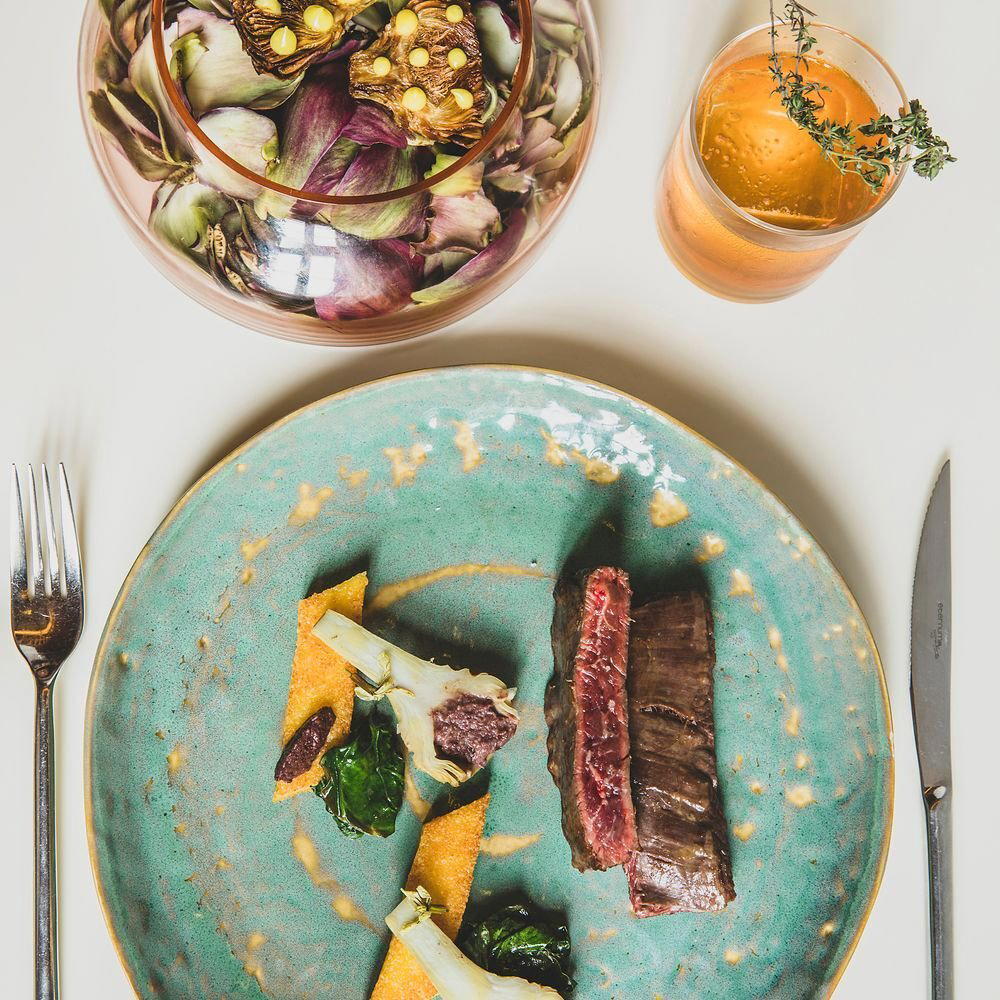
Hotels in Lille
Browse all →

Wineries in Lille
Browse all →
At a Glance
- Cozy
- Modern
- Industrial
- Intimate
- Date Night
- Special Occasion
- Open Kitchen
- Extensive Wine List
- Local Sourcing
Current opening hours
- Monday
- Closed
- Tuesday
- 12–1:30 PM, 7–9 PM
- Wednesday
- 12–1:30 PM, 7–9 PM
- Thursday
- 12–1:30 PM, 7–9 PM
- Friday
- 12–1:30 PM, 7–9 PM
- Saturday
- 12–1:30 PM, 7–9 PM
- Sunday
- Closed
Hours can change for holidays and private events. Last verified .
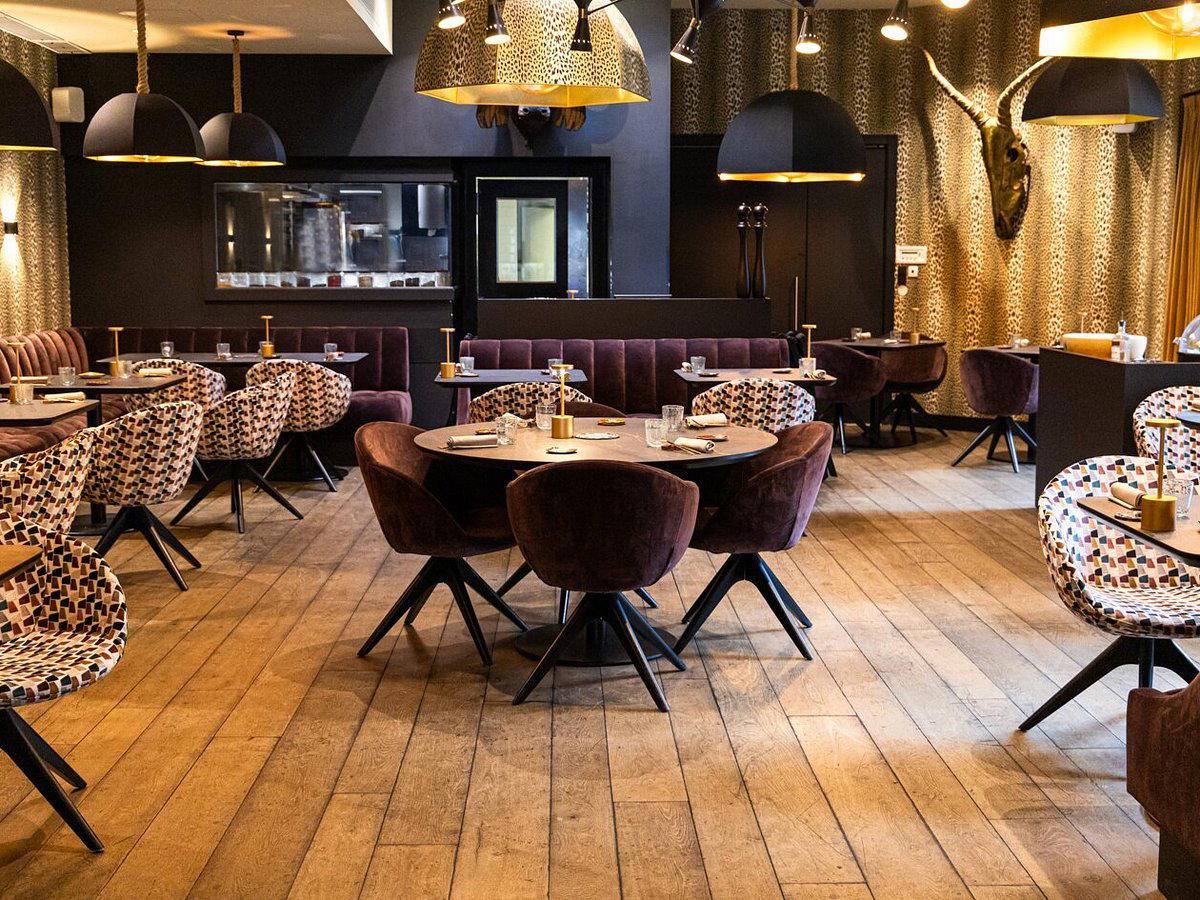
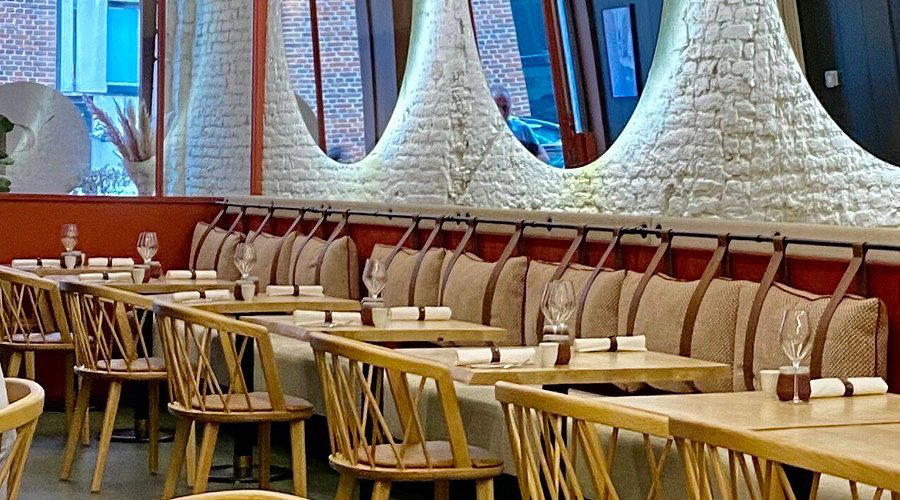
Cozy yet sophisticated industrial-style with raw brick walls, metal beams, and wooden tables in a hidden spot in Old Lille.
Know Before You Go
- Getting there
- 22 Rue des Bouchers, 59800 Lille, France