
Tabelog 100
Our verdict
Sabouru belongs to Tokyo’s old kissaten tradition, the coffee-shop culture that shaped neighbourhood dining before specialty cafés took over the city. In Jimbocho, where used-book shops and student traffic keep daytime eating casual, its Tabelog Kissaten 100 selection and low price bracket make it a useful reference point for classic Japanese café cooking rather than modern café design.

Pearl is the En Primeur Club membership app — saves, bookings, and concierge access live there. Same editors, same standards.
The menu
What to order
- Cream soda (multiple colors)
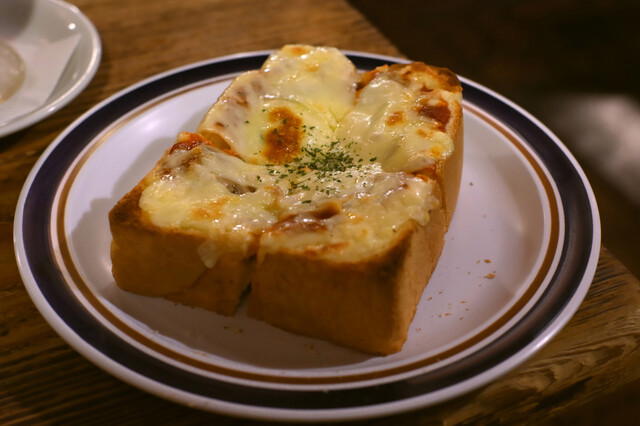
- Pizza toast
- Morning set (bread, salad, egg, coffee)
- Fresh strawberry juice with peanuts
- Napolitan pasta
Tokyo’s side streets shift quickly: everyday errands, office routines, casual meetings, then the older rhythm of a kissaten where coffee and lingering conversation matter equally. Sabouru belongs to that Tokyo tradition. Its point is continuity, not novelty, especially in a city where casual lunches and long afternoon seats have shaped local dining for decades.
Tokyo café culture now splits between design cafés built for photographs, roasters focused on origin and extraction, and kissaten that still treat the room as an everyday social utility. The last is harder to judge through a luxury-dining lens because value sits in repetition: familiar formats, accessible pricing, regular customers and service designed around sitting rather than spectacle. Sabouru’s selection for Tabelog Kissaten 100 in 2022 places it in that older, culturally specific bracket.
Tokyo kissaten cooking is about supply, habit and price discipline
The ingredient story is not the chef-driven sourcing language of Tokyo tasting-menu counters. Kissaten cooking depends on practical café pantry logic, familiar service patterns and drinks that support everyday use. That matters in Tokyo, where appetite is not built only around destination dining. A café has to serve routine customers without making every order a ceremony.
The listed category points to a kissa, or Japanese coffee shop, and café. Read this as a Japanese coffee shop, not a contemporary wellness restaurant. The tradition has long allowed café standards and everyday formats: orders that can be handled quickly or stretched across a longer seat. In a city where premium dining often prices scarcity, this scene values availability and familiarity.
That price discipline is central. Sabouru is listed in the under JPY 999 bracket, closer to neighbourhood routine than occasion dining. Among Tokyo comparison venues, Kamezawa Do, Kanda Brazil, Trois Bagues, Ishigama Bake Bread Sabo Tamutamu and Gavial help frame the broader casual landscape without turning Sabouru into a luxury stop. The comparison helps because Tokyo’s casual institutions are not all valued in the same way: some trade on nostalgia, some on specialty format, some on lunch volume. Sabouru’s appeal is the old kissaten equation of accessible cost, recognisable categories and a room made for repeat use.
The room carries Tokyo's everyday pace
Tokyo is full of areas shaped by commerce, study, offices and daily errands. In that setting, cafés are not decorative add-ons; they are waiting rooms, meeting rooms and informal counters. Kissaten culture feels coherent because coffee is part of the everyday meal infrastructure.
Sabouru fits that civic role. It is categorised as a kissa and café, a practical framing that explains its durability. A Tokyo café with this kind of public recognition has a different social function from a destination counter or dessert salon: it can belong to daily routines without asking every guest to perform reverence for the concept.
The appeal reaches beyond coffee-only connoisseurship. Japanese kissaten and café-restaurants often blur daytime coffee, simple café use and low-key lingering, and Sabouru is best understood within that flexible tradition. That adaptability helps older cafés remain relevant even as specialty coffee has claimed a separate audience.
For travellers, this corrects Tokyo’s reservation-heavy narrative. The capital’s dining reputation often centres on omakase counters, kaiseki rooms, yakitori specialists and technically ambitious bars. Those matter, but they can flatten the city into hard bookings. A Tokyo kissaten adds another register: low cost, everyday formats, inherited room culture and a city where coffee and casual food still share the same pedestrian map.
How to place it within a Tokyo itinerary
Sabouru works well within a Tokyo day, not only as a standalone pilgrimage. Pair it with browsing, walking, or using the city as a calmer midday counterpoint to busier dining plans. Readers comparing casual Tokyo addresses can also look generically at other everyday dining rooms with local staying power, or at more visually driven cafés for the opposite end of the café spectrum.
Tokyo rewards this contrast. A day can move from kissaten culture to other Tokyo dining rooms, casual meals, or more specialised evening venues. The café stop does not compete with those meals; it shows the city’s daily food grammar before more formal evening choices begin.
For wider planning, use broader Tokyo restaurant, hotel, bar, winery and experience guides alongside this kind of café stop. Travellers extending the casual-food thread outside Tokyo can compare formats with unnamed regional cafés and everyday dining rooms across Japan. For Japanese drinking and rice-based casual formats abroad, other cities show how familiar Japanese categories can be translated into new dining contexts.
The critical read is simple: this is a Tokyo café address for understanding a neighbourhood tradition, not chasing chef biography or menu theatre. Its awards history gives external validation, and its Tabelog score is listed as 3.69. The stronger argument is cultural: Tokyo’s kissaten scene preserves urban eating built on modest formats, repeatable pricing and rooms where time is part of the purchase.
Frequently asked questions
What part of town is Sabouru in?
Sabouru is located in Tokyo.
What price level is Sabouru?
Pricing at Sabouru is listed as - JPY 999.
Should I book Sabouru in advance?
Treat Sabouru as a Tokyo kissaten and check the venue's official channels for the latest visit information.
What makes Sabouru worth seeking out?
Sabouru was selected for Tabelog 100 Kissaten in 2022, which places it in a documented group of notable kissaten. The appeal is its Japanese coffee-shop category and a price band under JPY 999, which keeps it anchored to everyday Tokyo café culture.
Can Sabouru accommodate dietary restrictions?
The verified public category is kissa, or Japanese coffee shop, and café. Check the venue's official channels for the latest menu and dietary details.
Is Sabouru okay with children?
Check the venue's official channels for the latest details before visiting in Tokyo.
Side-by-Side Snapshot
Comparable venues side-by-side for orientation.
| Venue | Cuisine | Price | Awards | Notes |
|---|---|---|---|---|
| SabouruThis venue (the venue you are viewing) | Traditional Tokyo kissaten & light café fare | $10–20 | Tabelog 100 | Not listed |
| Kitchen Nankai (キッチン南海) | Japanese Yoshoku | $1–10 | Tabelog 100 #88 | Jimbocho |
| Menya Suzuharu | Ramen / Tsukemen | $10–20 | Tabelog 100 #40 | Bunkyō |
| Tokyo Style Noodle Hotate Biyori | Scallop-focused Tsukemen & Ramen | $10–20 | Tabelog 100 #96 | Chiyoda |
| Kanmi Okame Koutsuu kaikan ten | Traditional Japanese sweets café | $10–20 | Tabelog 100 #15 | Chiyoda |
| Mitsuru Akebonobashi honten | Japanese neighborhood bakery | $1–10 | Tabelog 100 #43 | Shinjuku |
Recognition history
Dated appearances from independent guides and award organizations, with the underlying list record or original source where available.
Tabelog 100
Tabelog · Tabelog 100 - Kissaten - 2026
Full recognition history (2 entries)
Tabelog 100 #23 · No. 23
Tabelog · Tabelog 100 - Kissaten - 2022
Continue exploring
More in Tokyo
Restaurants in Tokyo
All restaurants in Tokyo →


Bars in Tokyo
All bars in Tokyo →




Details
- Well Known
- Cozy
- Classic
- Rustic
- Intimate
- Solo
- Casual Hangout
- After Work
- Date Night
- Historic Building
- Standalone
- Design Destination
- Sake Program
- A La Carte
- Counter Dining
- Coffee
- Soft Drinks
- Tea
Dim, cozy, and slightly labyrinthine, with a retro Showa‑era atmosphere, cottage‑style façade, wood and brick details, walls covered in customer writings and doodles, and a pleasantly bustling, smoky kissaten feel.