
Tabelog 100 #96
Our verdict
Tokyo ramen culture rewards patience, repetition, and small-format precision. Tokyo Style Noodle Hotate Biyori sits in Akihabara’s serious noodle tier with an 8-seat counter, tsukemen and ramen focus, Tabelog 100 Ramen Tokyo selections in 2023, 2024, and 2025, and a low spend band that keeps the value equation unusually sharp for such a recognized shop.

Pearl is the En Primeur Club membership app, where members save venues, book tables and use the concierge.
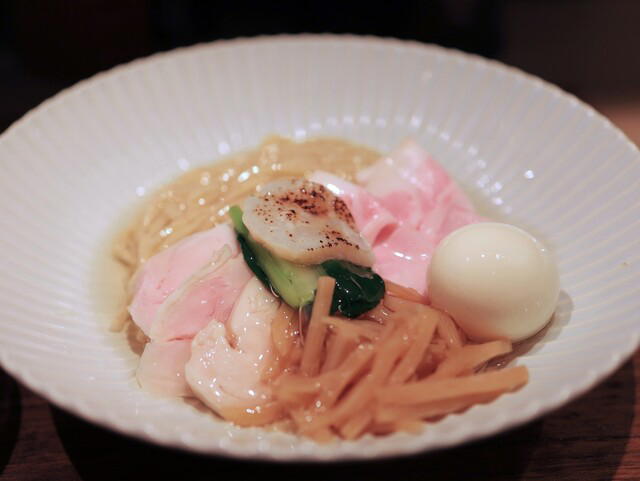
The menu
What to order
- Scallop Tsukemen (Shoyu)
- Scallop Tsukemen (Shio)
- Special Scallop Tsukemen in Kombu Broth
In Tokyo, the city noise gives way to office workers, shoppers, solo diners, and noodle regulars, where a focused noodle shop can define an evening. Here, the serious ramen or tsukemen stop is not necessarily for lingering. It runs on timing, demand, and diners who know the difference between a casual bowl and a meal planned around a recognized shop.
Tokyo Style Noodle Hotate Biyori is firmly in that second category. The format favors people willing to plan around a focused noodle operation rather than drift in casually. The listed draw is tsukemen and ramen, placing the shop inside Tokyo’s modern noodle conversation rather than the old shoyu-versus-tonkotsu binary. Regulars return because familiarity is rewarded: knowing the pace, checking current details, understanding the meal is brief by design, and treating the visit as a purposeful food stop rather than a loose social lounge.
Tokyo's serious noodle shop, viewed through regulars
Visitors often mistake Tokyo ramen culture for pure spontaneity, but respected noodle shops can operate closer to specialist dining than fast food. Capacity and rhythm are part of the clue. At a focused noodle shop, every turn matters, and regulars tend to absorb the house rhythm before tourists finish checking map apps. That rhythm is part of the appeal: the meal is compact, the price stakes are low, and the quality signals are high enough to make repeat visits rational rather than sentimental.
Recognition reinforces the point. The shop is listed in the 2025 Tabelog Hyakumeiten recognition data and carries a Tabelog score of 3.85. In Tokyo ramen terms, that combination matters because the category is crowded, price-sensitive, and intensely competitive. A noodle shop can charge a fraction of tasting-menu prices and still attract diners who behave with the seriousness usually reserved for more formal genres. The spending band, JPY 1,000 to JPY 1,999 for lunch and dinner, keeps the proposition grounded: not luxury dining disguised as noodles, but a focused ramen stop operating at a recognized level.
Tokyo also explains the repeat crowd. The city supports quick meals, destination eating, and specialist shops that benefit from urban density without needing a broad, formal format. Nearby listings such as . 鮪と炭火焼き うお炭 秋葉原店 and other Tokyo addresses show the breadth of the local food map, but ramen has a particular advantage: it fits city tempo without giving up craft. For a wider scan, Our full Tokyo restaurants guide places this shop in broader Tokyo context.
Tsukemen changes the tempo of the meal
Tsukemen is not simply ramen with broth on the side. It changes how a meal moves: the diner controls dipping, pacing, and heat loss differently from a standard bowl, making the format suited to repeat customers who return for calibration as much as comfort. In Tokyo, tsukemen also signals a willingness to compete in a technical subcategory where noodle texture, dipping concentration, and service cadence are judged closely. Hotate Biyori’s category listing covers both tsukemen and ramen, so the editorial point is not a single dish claim, but a format position: a noodle shop working in a more specialized lane than a generic station ramen stop.
That specialization fits the current city pattern. Tokyo casual dining has split into two confident directions: broad, high-throughput shops that solve dinner quickly, and focused places where a narrow identity gives regulars a reason to return. The second model depends less on décor than trust. A 2025 Tabelog Hyakumeiten listing is the public signal; the noodle-focused category listing is the operational signal. Together they describe a shop that has earned attention while remaining in the affordable ramen bracket.
Comparisons help only when they clarify the decision. In Tokyo, Mendokoro Honda Akihabara honten occupies a comparable casual noodle context, while Indian Restaurant Aarti and Teuchi Soba Kiri Takumi show the city’s wider casual-dining range. The choice here is not spending more for ceremony. It is accepting a more disciplined noodle format because ramen rewards that discipline. For travelers mapping several meals across the city, contrast it with broader Tokyo dining options and other unnamed casual shops rather than treating every meal as the same kind of stop.
How to fit it into a Tokyo itinerary
The practical read is simple: treat the shop as a focused noodle run, not a flexible group dinner. It is listed in Tokyo, and the rhythm suits solo diners and small-party planning especially well. The budget range is clear enough to make it an easy itinerary insertion: lunch and dinner are both listed at JPY 1,000 to JPY 1,999, keeping the meal accessible even when the shop itself draws serious attention.
Focused ramen shops can change schedules, pacing, and entry expectations, so check the latest same-day information before building an itinerary around a specific slot. The regulars’ perspective matters: the unwritten process is often part of the dining literacy. Visitors wanting a frictionless, open-ended meal may prefer another stop; diners who enjoy Tokyo’s compact noodle culture will understand why the format creates loyalty.
For a fuller Tokyo plan, the surrounding city categories matter. Pairing a noodle stop with hotels, bars, and cultural programming makes more sense than treating it as a long standalone evening, so consult Our full Tokyo hotels guide, Our full Tokyo bars guide, Our full Tokyo wineries guide, and Our full Tokyo experiences guide. Travelers extending the same food-led logic beyond Tokyo can compare compact specialist venues with other dining rooms in Japan and abroad, keeping the lesson broad: focused formats can carry serious intent without turning every meal into a formal occasion.
At-a-Glance Comparison
Comparable options at the same price tier.
| Venue | Cuisine | Price | Awards | Notes |
|---|---|---|---|---|
| Tokyo Style Noodle Hotate BiyoriThis venue (the venue you are viewing) | Scallop-focused Tsukemen & Ramen | $10–20 | Tabelog 100 #96 | Not listed |
| Kitchen Nankai (キッチン南海) | Japanese Yoshoku | $1–10 | Tabelog 100 #88 | Jimbocho |
| Nihonbashi Nishikihorin Karintou senmonten | Traditional Japanese Karintou Specialty Shop | $1–10 | Tabelog 100 #69 | Chiyoda |
| Tadokoro Foods Eat-in | Fish roe pasta & rice bowls eat-in counter | $10–20 | Tabelog 100 #5 | Chūō |
| Kitchen Taka | Japanese yoshoku (Western-style comfort food) counter | $10–20 | Tabelog 100 #19 | Shinjuku |
| Ichijoryu Ganko Sohonke Bunke Yotsuya Arakicho | Classic Japanese ramen counter | $10–20 | Tabelog 100 #11 | Shinjuku |
Recognition history
Dated appearances from independent guides and award organizations, with the underlying list record or original source where available.
Tabelog 100 #96 · No. 96
Tabelog · Tabelog 100 - Ramen - TOKYO - 2025
Continue exploring
More in Tokyo
Restaurants in Tokyo
All restaurants in Tokyo →






Details
- Trendy
- Intimate
- Cozy
- Solo
- After Work
- Casual Hangout
- Late Night
- Standalone
- Local Sourcing
- Sustainable Seafood
- A La Carte
- Counter Dining
- Pescatarian Friendly
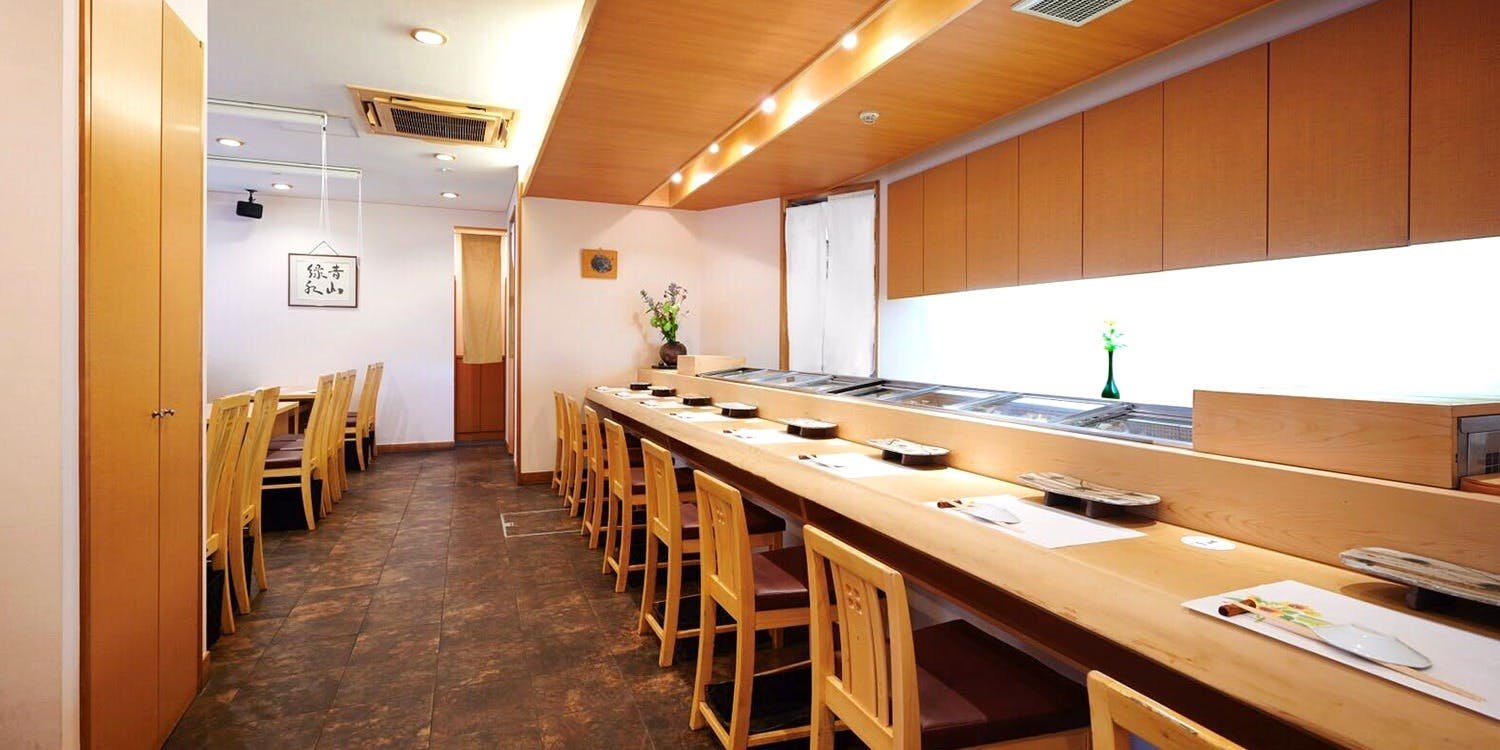
Bright, compact counter-only ramen bar with an efficient, high-turnover feel; the mood is energetic from the constant queue yet relaxed enough for solo diners focused on their bowls of scallop-forward tsukemen.