Google: 4.8 · 166 reviews
.png)
A Michelin Plate-recognised Norwegian restaurant on Pedersgata, Bravo sits in the accessible mid-range tier of Stavanger's dining scene. The cooking draws on wild and foraged ingredients rooted in the surrounding landscape, offering a grounded counterpoint to the city's fine-dining establishments. Google reviewers rate it 4.9 from 152 reviews, making it one of the more consistently praised addresses in the city.
 Discover on Pearl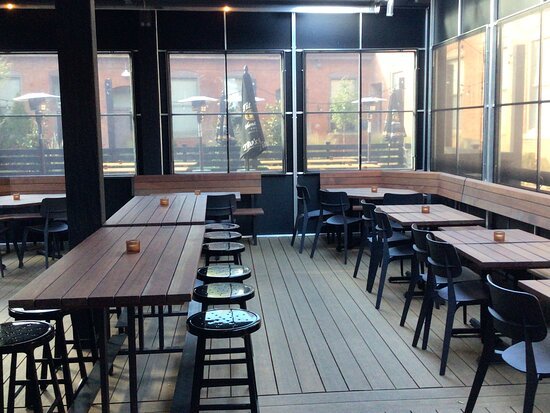
Pedersgata and the neighbourhood it feeds
Pedersgata has become one of Stavanger's more interesting dining streets, running through a residential quarter that sits at some remove from the oil-industry hotels and cruise-ship stops clustered near the waterfront. The street's restaurant density has grown steadily, drawing a local crowd rather than a tourist one — which tends to reward kitchens that cook with precision and without theatrical packaging. Bravo, at number 71, occupies that context comfortably. Its Michelin Plate recognition in 2025 confirms a level of kitchen discipline that Michelin inspectors consider worth signalling, even if no star has followed, and its Google score of 4.9 across 152 reviews suggests sustained consistency rather than a single viral moment.
Wild Norway on the plate
Norwegian cooking at this price tier has shifted considerably in the past decade. Where mid-range restaurants once defaulted to grilled salmon and boiled potatoes dressed up with cream sauces, a generation of cooks trained in or adjacent to the New Nordic movement has pushed wild and foraged ingredients into menus that do not carry fine-dining prices. Bravo sits inside that shift. The Norwegian cuisine classification is the starting point, but the more meaningful frame is the sourcing philosophy that underpins it: the forests, coastline, and moorland of southwestern Norway produce a specific larder — cloudberries, lingonberries, chanterelles and other wild mushrooms, ramson, sea buckthorn, dulse, and various coastal herbs , and kitchens that understand this material cook with a character that imported ingredients cannot replicate.
Stavanger's position matters here. The city sits at the edge of Rogaland, a county where farmland meets fjord and forest within a short radius. Foragers working this terrain in late summer and autumn bring in ingredients that have no direct commercial supply chain; they arrive at a kitchen door and go onto the menu the same week. At the €€ price point, that kind of ingredient handling is harder to sustain than at the three- and four-star tier, which is part of what makes Bravo's Michelin recognition meaningful as a signal. Comparable kitchens in the city, such as K2 at €€€ with a Michelin star, or RE-NAA at €€€€ with three stars, operate in a different economic register entirely. Bravo's proposition is specific: Norwegian wild-ingredient cooking at a price that does not require a special-occasion justification.
The foraged ingredient tradition in context
To understand what distinguishes kitchens serious about foraging from those that treat it as garnish, it helps to look at the broader Norwegian scene. Maaemo in Oslo built its three-star reputation on exactly this material, elevating Norwegian forest and coastal ingredients to a tasting menu format that placed the country's wild larder on a level with any European fine-dining tradition. FAGN in Trondheim and Iris in Rosendal work similar territory from different regional starting points. Under in Lindesnes, the submerged restaurant at Norway's southernmost tip, has made the coastline's marine foraging a central part of its identity.
What these addresses demonstrate is that the foraged-ingredient tradition in Norway is not a marketing posture , it is a culinary infrastructure, with specific seasonal windows, regional expertise, and ingredient knowledge that takes years to build. Bravo participates in that infrastructure at the accessible end of the pricing spectrum, alongside other Norwegian kitchens committed to the same sourcing discipline. For comparison, Gaptrast in Bergen and Boen Gård in Tveit represent the same regional approach from their own geographical footholds, while Stallen and Cru in Oslo show how the Norwegian cooking tradition translates into an urban capital context.
Bravo within Stavanger's broader restaurant tier
Stavanger punches above its population in dining terms, largely because oil industry money created a client base that sustained ambitious restaurants for years before fine dining became the tourist draw it is now. The result is a city with an unusually spread price tier: RE-NAA at the very leading of Norwegian fine dining, a cluster of one-star and Plate-level kitchens beneath it, and then a mid-range that has learned from proximity to serious technique. Bravo occupies the mid-range with Michelin-level acknowledgement, which separates it from the generic bistro tier. Hermetikken and BELLIES represent adjacent angles on the same accessible-but-serious positioning, while Sabi Omakase Stavanger occupies the highest-price tier with a completely different culinary logic. Bravo's 4.9 Google rating across 152 reviews, in a city with this level of dining competition, is not a soft signal.
Planning a visit
Bravo is at Pedersgata 71, 4013 Stavanger. The €€ pricing makes it viable for weeknight use rather than purely as a destination dinner, and the Michelin Plate recognition suggests booking ahead is prudent, particularly on weekends. Phone and booking platform details are not published in current records; checking directly with the restaurant for current reservation arrangements is advisable. For a fuller picture of what Stavanger offers across the dining and hospitality spectrum, see our full Stavanger restaurants guide, our full Stavanger hotels guide, our full Stavanger bars guide, our full Stavanger wineries guide, and our full Stavanger experiences guide.
What should I order at Bravo?
The kitchen's Norwegian cuisine positioning and the foraged-ingredient tradition it draws from point toward dishes built around seasonal wild materials: mushrooms in autumn, berries and coastal herbs in summer, preserved and fermented elements through winter. The 2025 Michelin Plate signals technical care rather than mere ambition, which suggests the kitchen handles its ingredients with precision rather than volume. Specific menu items are not published in available records, but the editorial logic of a Norwegian kitchen at this level is to follow whatever is most seasonal: ask what arrived that week and order accordingly. That approach rewards the sourcing discipline that the Michelin recognition implicitly endorses.
Budget and Context
A small comparison set for context, based on the venues we track.
Continue exploring
More in Stavanger
Restaurants in Stavanger
Browse all →

Bars in Stavanger
Browse all →

At a Glance
- Cozy
- Intimate
- Modern
- Date Night
- Special Occasion
- Open Kitchen
- Natural Wine
- Local Sourcing
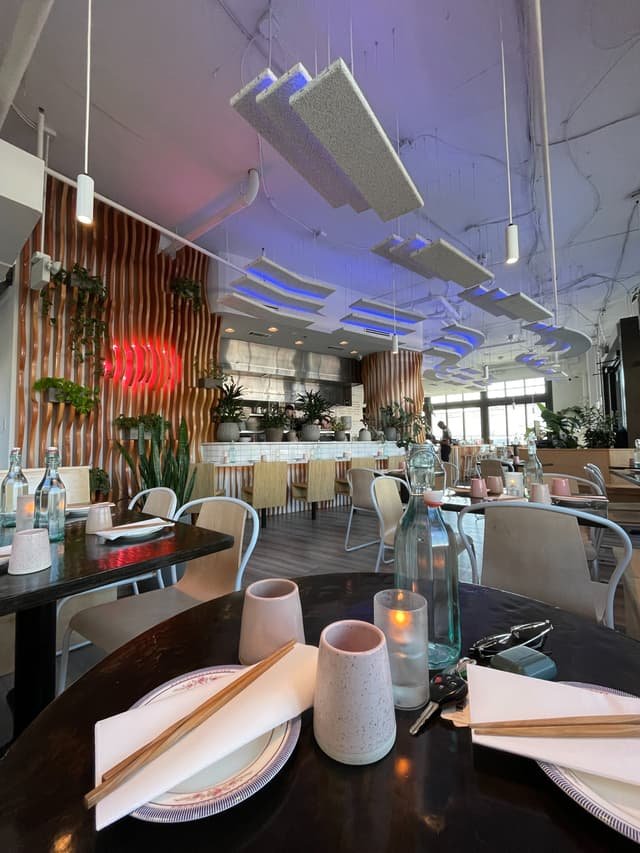
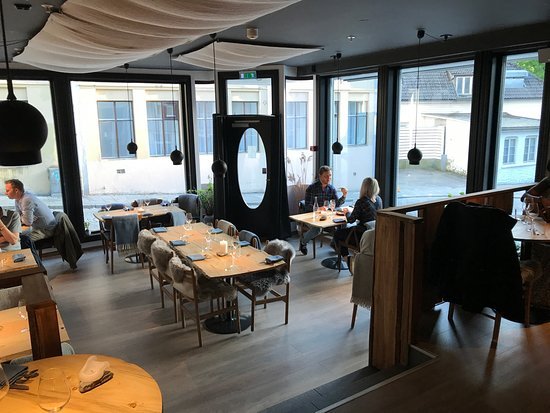
Cozy and intimate with warm decor, open kitchen, and friendly enthusiastic service.