
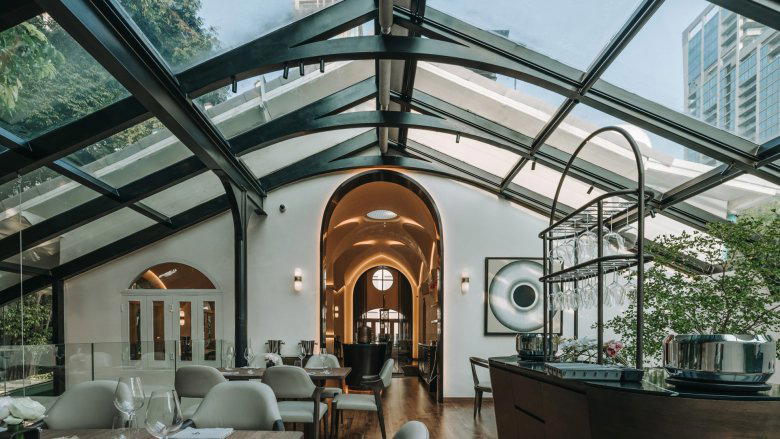
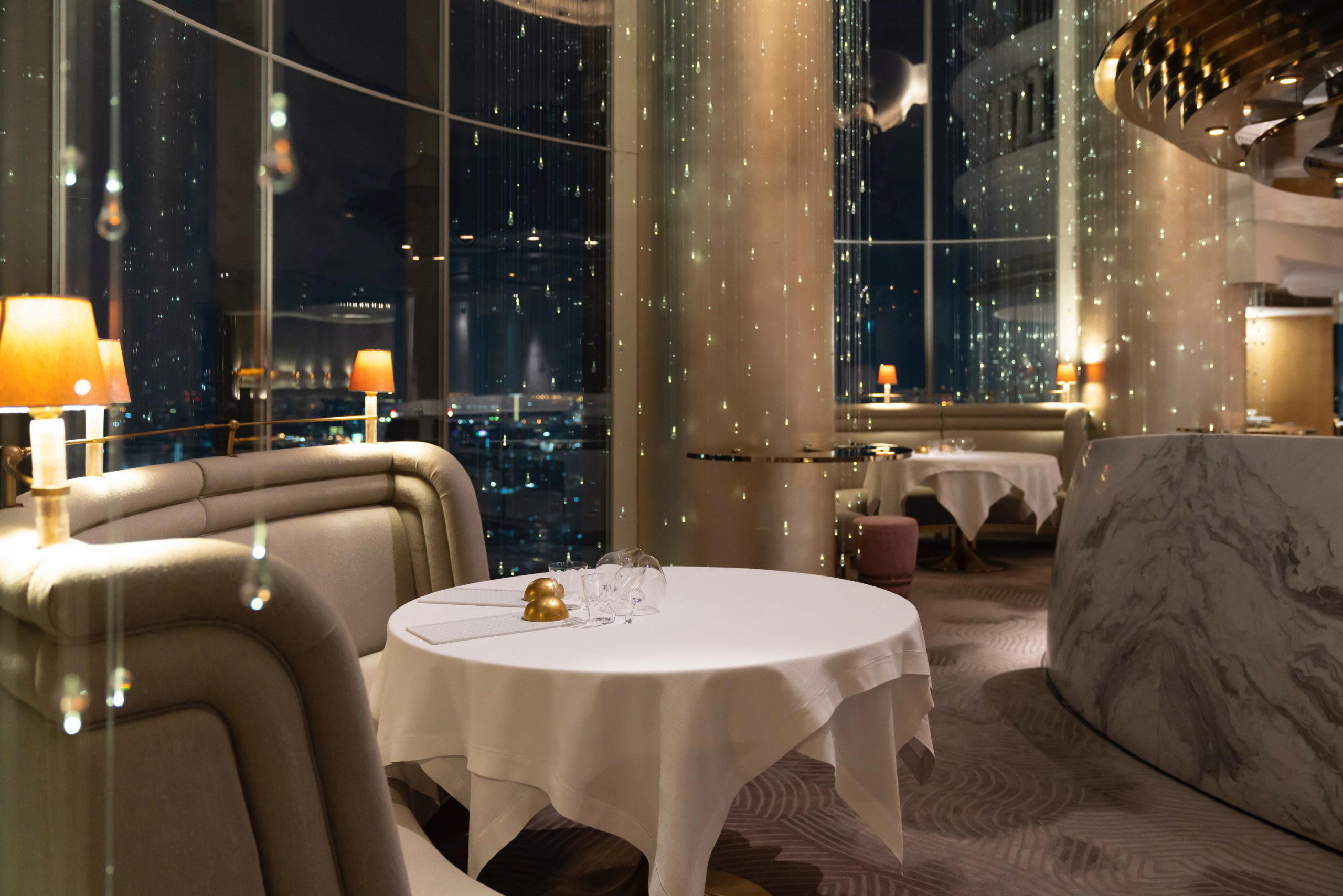
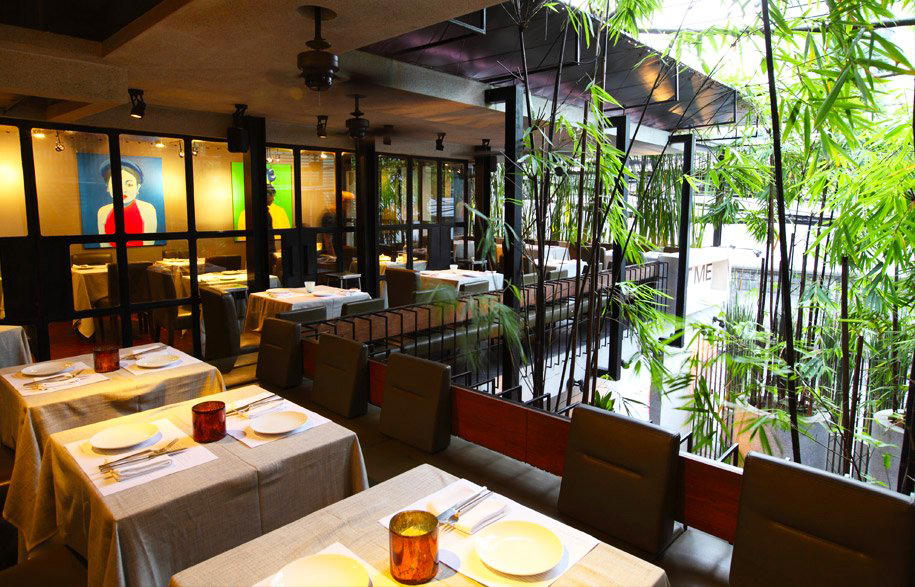
A Michelin Plate recipient in Bangkok's Sathon district, Saawaan applies fermentation, charcoal grilling, steaming, and boiling to a set menu that treats Thai flavour as a living tradition rather than a fixed archive. The format is tasting-length, the sourcing spans imported and local produce, and the price sits one tier below Bangkok's most celebrated contemporary Thai counters.
Pearl is the En Primeur Club membership app — saves, bookings, and concierge access live there. Same editors, same standards.
- Address
- 39, 19 Soi Suanplu, Thung Maha Mek, Sathon, Bangkok 10120, Thailand
- Phone
- +66 2 679 3775
- Website
- saawaan.com
- Directions
- Get directions
 Saves & bookings on Pearl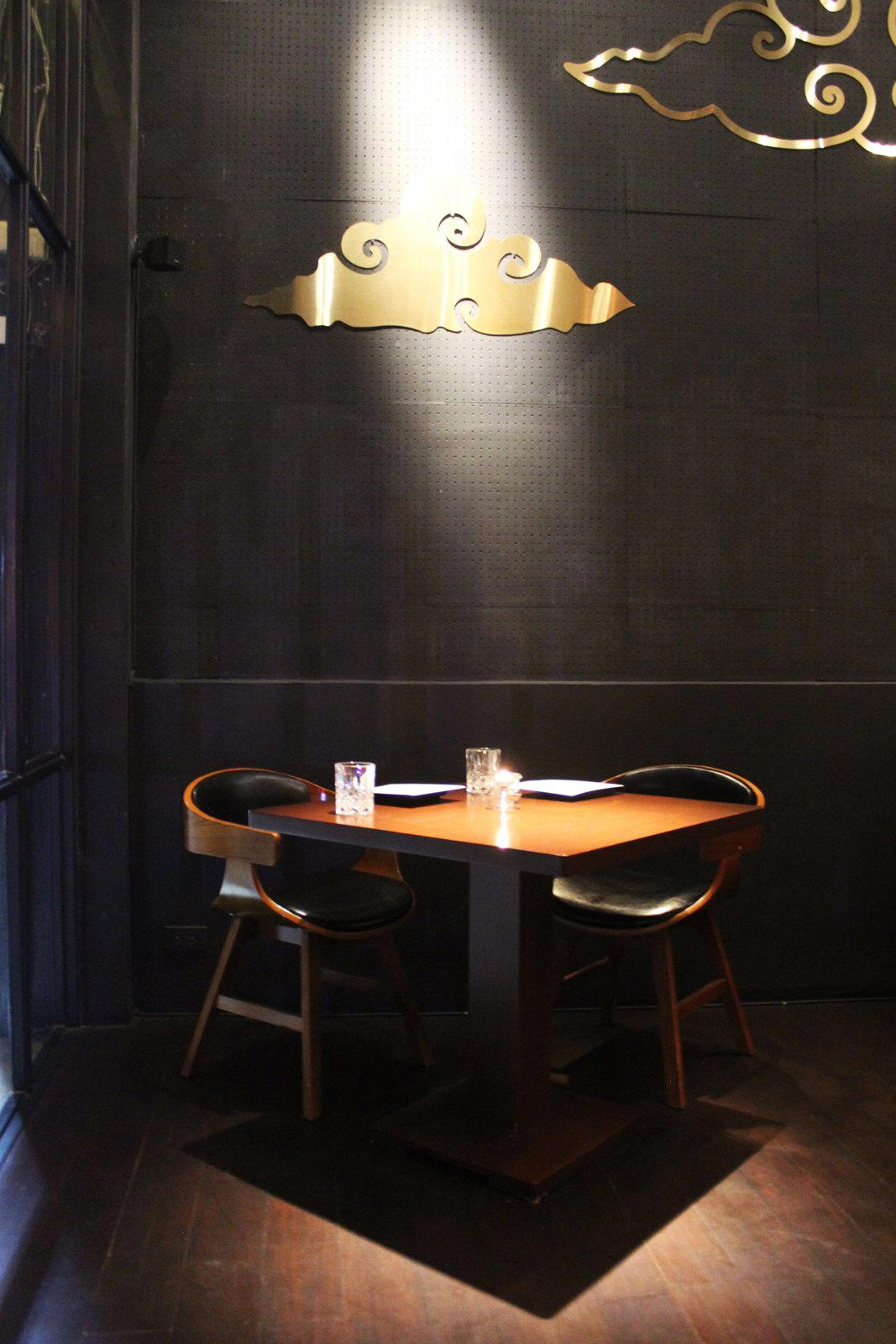
Where Sathon Meets the Set Menu
Bangkok's premium Thai dining scene has sorted itself into two recognisable tiers over the past decade. At the higher end sit the ฿฿฿฿ flagships, Sorn with its southern Thai orthodoxy, Baan Tepa with its garden-to-table formality, R-Haan with its royal Thai references, each carrying Michelin stars and price points to match. Below that, a smaller cohort of ฿฿฿ addresses has emerged, operating at tasting-menu seriousness without the upper-tier price commitment. Saawaan, on a quiet soi off Suanplu in Sathon, belongs squarely to that second tier, and it holds its position with Michelin Plate recognition in 2024 and 2025.
The approach along Soi Suanplu matters contextually. Sathon is not Bangkok's dining showroom, that distinction belongs to Silom or the riverside corridors further north. This part of the district is residential in character, defined by low-rise lanes and the kind of ambient quiet that makes an arriving diner recalibrate expectations before stepping inside. The address at 39/19 places Saawaan off the main thoroughfare, which reinforces the format: this is a destination rather than a walk-in, a restaurant that assumes the diner has booked deliberately and arrived with focus.
Rice, Ritual, and the Architecture of a Thai Menu
To understand what contemporary Thai tasting menus are doing, and what Saawaan is doing specifically, it helps to understand the structural role of rice in Thai cuisine. In the central Thai tradition, rice is not a side dish or a carb vehicle; it is the organisational centre of the meal, the grain around which all other flavours orbit. Jasmine rice in Bangkok's flatland heartland, sticky rice in the north and northeast: both serve as textural and flavour anchors, moderating heat, absorbing fermented fish sauces, and pacing the diner through a meal that is designed to accumulate rather than peak once.
The contemporary Thai tasting menu format introduced a tension with that tradition. A sequenced course structure borrowed from European fine dining implies a single diner journey with one protein at its apex. Thai communal eating implies something different: lateral abundance, shared rice, simultaneous contrasts of sour, sweet, salty, and bitter on the table at once. The more compelling contemporary Thai kitchens resolve this tension rather than ignoring it, finding ways to embed rice's rhythmic function into a coursed format. At Saawaan, the set menu's engagement with fermentation and grilling over charcoal points toward techniques that are fundamentally about transformation over time, the same patient chemistry that makes fermented rice and fish pastes central to Thai flavour identity.
Fermentation in particular connects the two worlds. The Thai pantry's foundational ingredients, nam pla, kapi, pla ra, are all fermented products, and their presence in a tasting menu context signals that the kitchen is not simply plating Thai flavours decoratively but working from their structural base. Kitchens at 80/20 and NAWA have made fermentation equally central to their identities, and Saawaan operates in that same tradition-literate register.
What Michelin Plate Recognition Actually Indicates
A Michelin Plate is awarded to restaurants producing food of sufficient quality to merit attention but not yet calibrated, or not yet consistent, at star level. In Bangkok's context, where the 2025 Michelin Guide covers a large and competitive field, two consecutive Plate listings across 2024 and 2025 indicate a kitchen that Michelin's inspectors have returned to and found reliable. That repetition matters more than the award tier. It positions Saawaan as a stable option in a city where restaurant attrition at the contemporary Thai tier has been meaningful.
For comparison, the starred contemporary Thai addresses in Bangkok, Baan Tepa, R-Haan, and others in the ฿฿฿฿ bracket, command price points that assume a particular occasion framing. Saawaan's ฿฿฿ positioning allows a different kind of visit: still deliberate, still set-menu in format, but accessible for a frequency that the top tier doesn't permit for most international visitors on a normal trip budget. Thai contemporary dining at this price level has a small but substantive comparable set in Bangkok, a category that also reaches beyond the capital to restaurants like Aeeen in Chiang Mai and AKKEE in Pak Kret, each working regional Thai traditions through a similar tasting-format lens.
Internationally, the Thai contemporary format has found traction in cities where the diaspora or chef migration has carried it: Manāo in Dubai and Chim by Chef Noom in Kuala Lumpur both operate in that space, though neither carries the accumulated craft context of Bangkok's domestic scene. Elsewhere in Thailand, PRU in Phuket and Angeum in Phra Nakhon Si Ayutthaya extend the national picture further, each applying similar tasting-format discipline to regional ingredient stories.
Sourcing and the Local-Import Balance
Saawaan's menu draws on both imported and local ingredients, a sourcing position that distinguishes it from the stricter hyper-local mandates of some Bangkok contemporaries. That balance is editorially honest: Thai fine dining at this tier often benefits from imported proteins or dairy that local supply chains don't yet replicate at consistent quality, while the aromatics, fermented bases, and produce that carry Thai flavour character, galangal, kaffir lime, fresh turmeric, wild herbs, are overwhelmingly local by both logic and conviction. The sourcing balance suggests a kitchen paying attention to supply provenance rather than defaulting to import lists by habit.
Planning Your Visit
Saawaan sits at 39/19 Soi Suanplu, Thung Maha Mek, Sathon, Bangkok 10120. The Sathon location is accessible from BTS Chong Nonsi or by metered taxi or ride-app from most central Bangkok hotels. As a set-menu restaurant with Michelin recognition, advance booking is essential.
Comparable Spots, Quickly
Comparable venues nearby, for context on price, style, and recognition.
| Venue | Cuisine | Price | Awards | Notes |
|---|---|---|---|---|
| SaawaanThis venue — the venue you are viewing | Modern Thai Fine Dining | $$$$ | Michelin Plate | Not listed |
| Small Dinner Club | Avant-Garde Thai Tasting Menu | $$$$ | Michelin Plate | Khanna Yao |
| Issaya Siamese Club | Modern Thai | $$$$ | Not listed | Thung Maha Mek |
| Ma Maison | Authentic Thai Home Cooking | $$$ | Michelin Plate | Makkasan |
| Lahnyai | Modern Royal Thai Tasting Menu | $$$$ | Michelin Plate | Si Lom |
| Si Sawat | Modern Thai | $$$ | Michelin Plate | Si Lom |
Recognition history
Dated appearances from independent guides and award organizations, with the underlying list record or original source where available.
Michelin Plate
Michelin
Michelin Plate
Michelin
Michelin Plate
Michelin
At a Glance
- Elegant
- Intimate
- Sophisticated
- Romantic
- Date Night
- Special Occasion
- Standalone
- Extensive Wine List
- Local Sourcing
Current opening hours
- Monday
- 5:30–11:30 PM
- Tuesday
- 5:30–11:30 PM
- Wednesday
- 5:30–11:30 PM
- Thursday
- 5:30–11:30 PM
- Friday
- 5:30–11:30 PM
- Saturday
- 5:30–11:30 PM
- Sunday
- 5:30–11:30 PM
Hours can change for holidays and private events. Last verified .
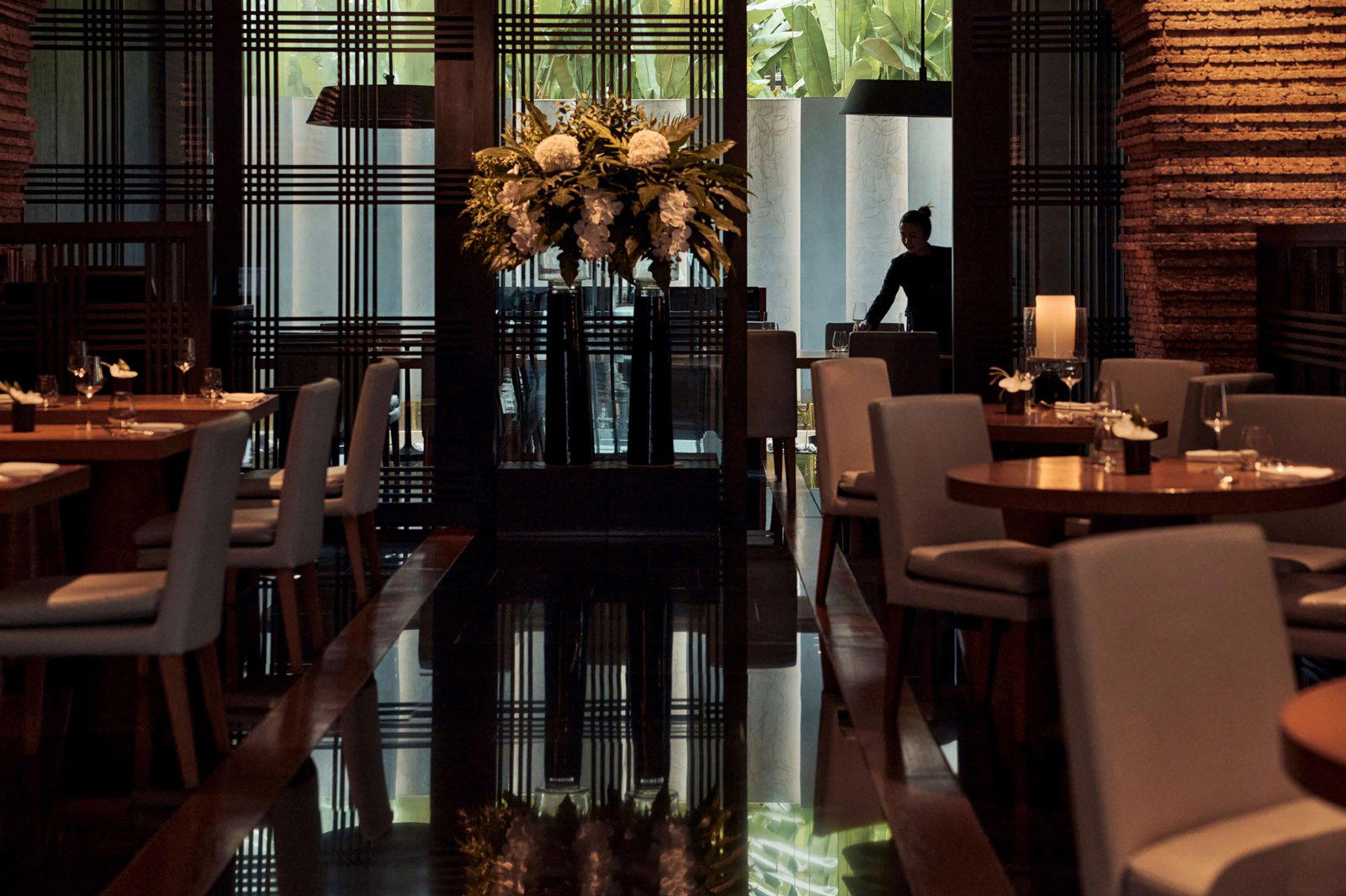
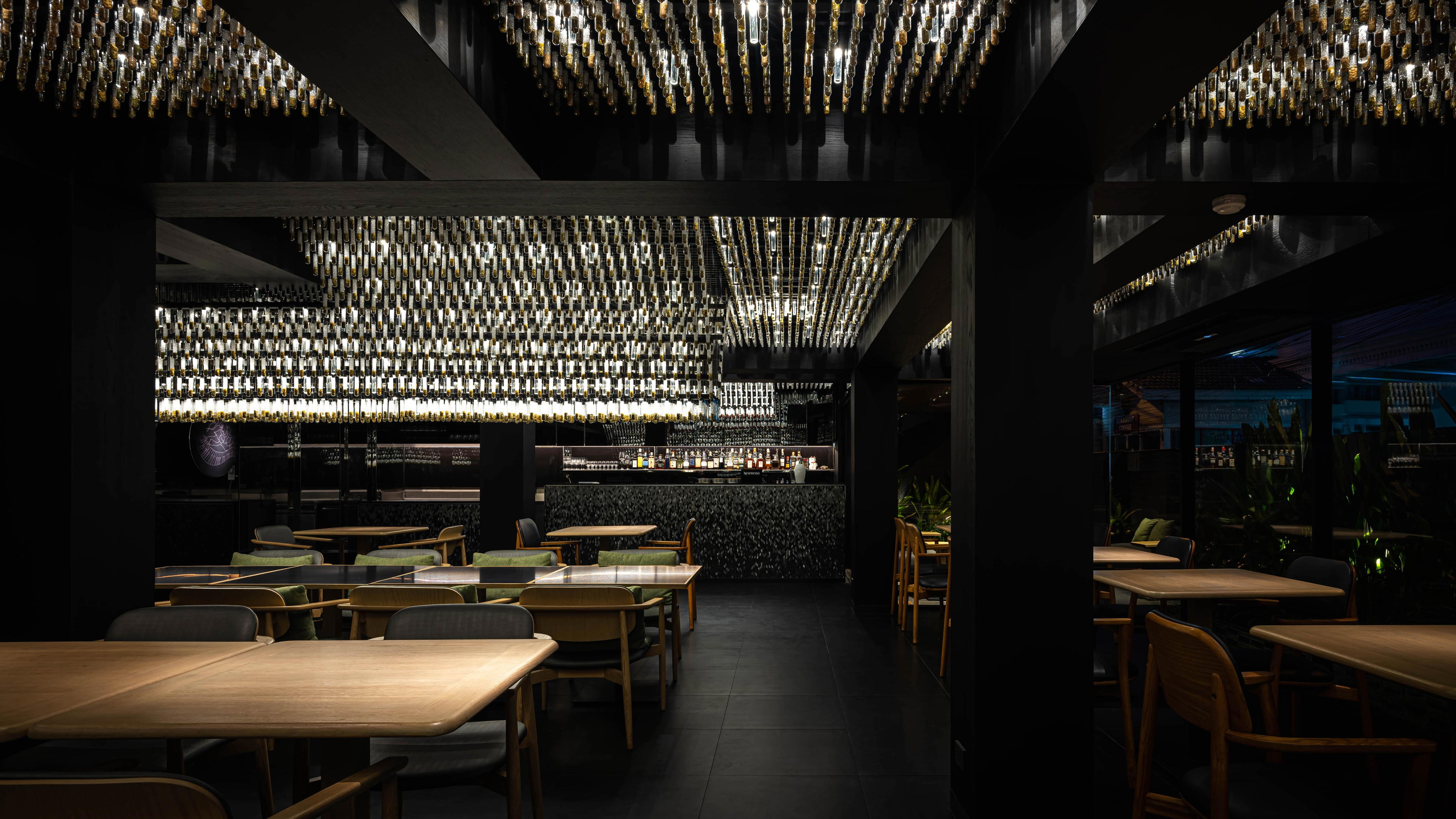
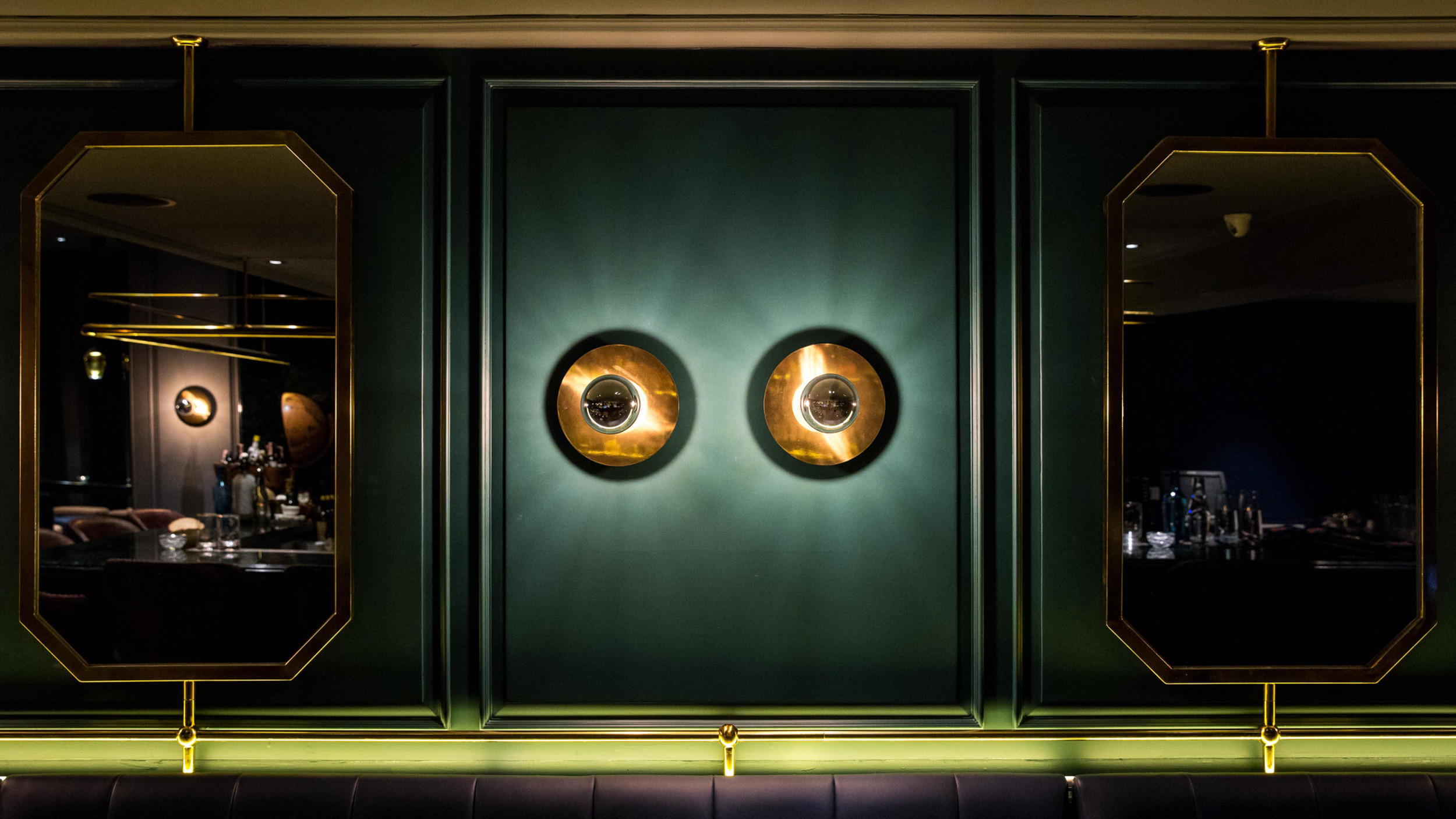
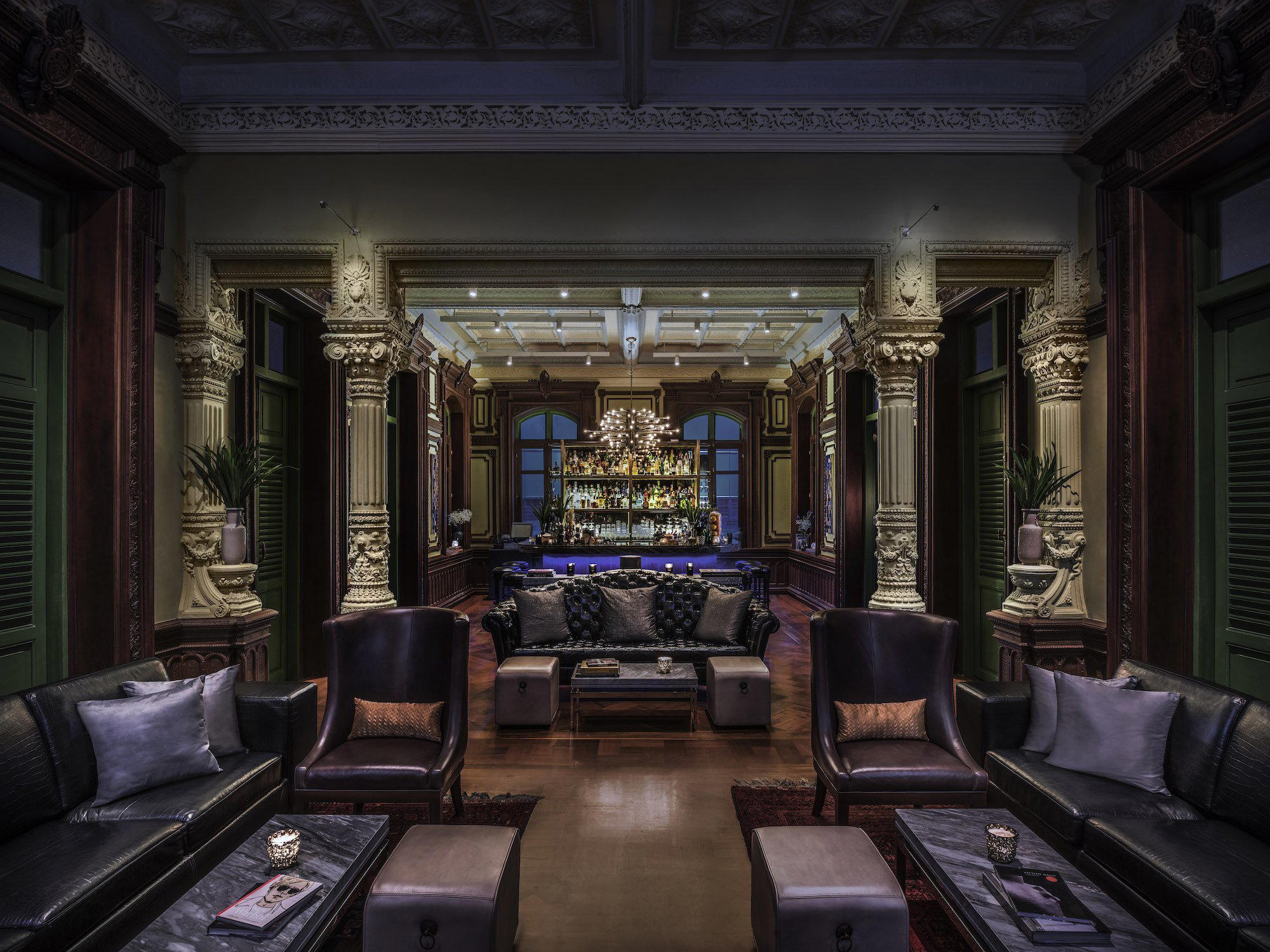
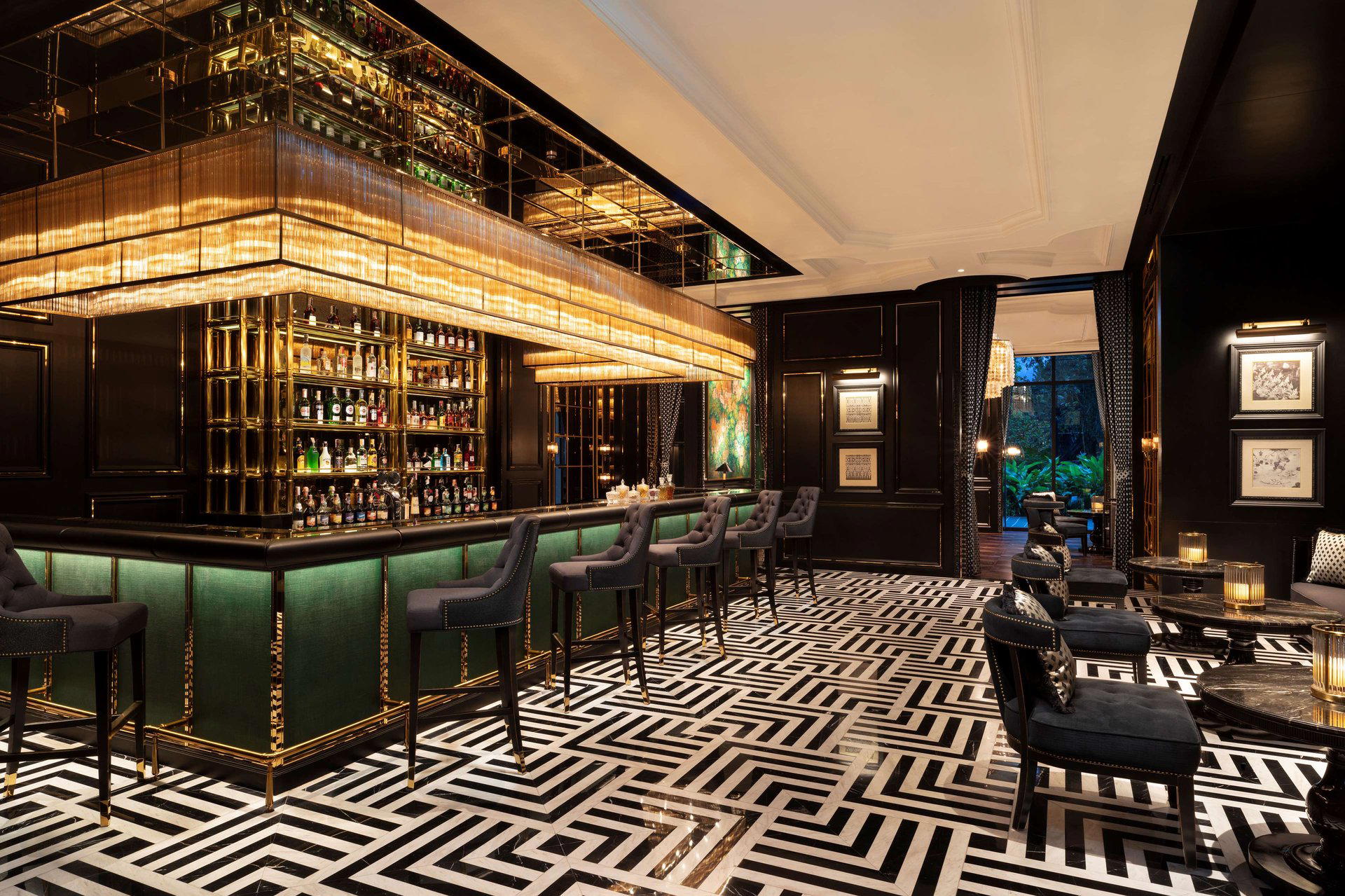
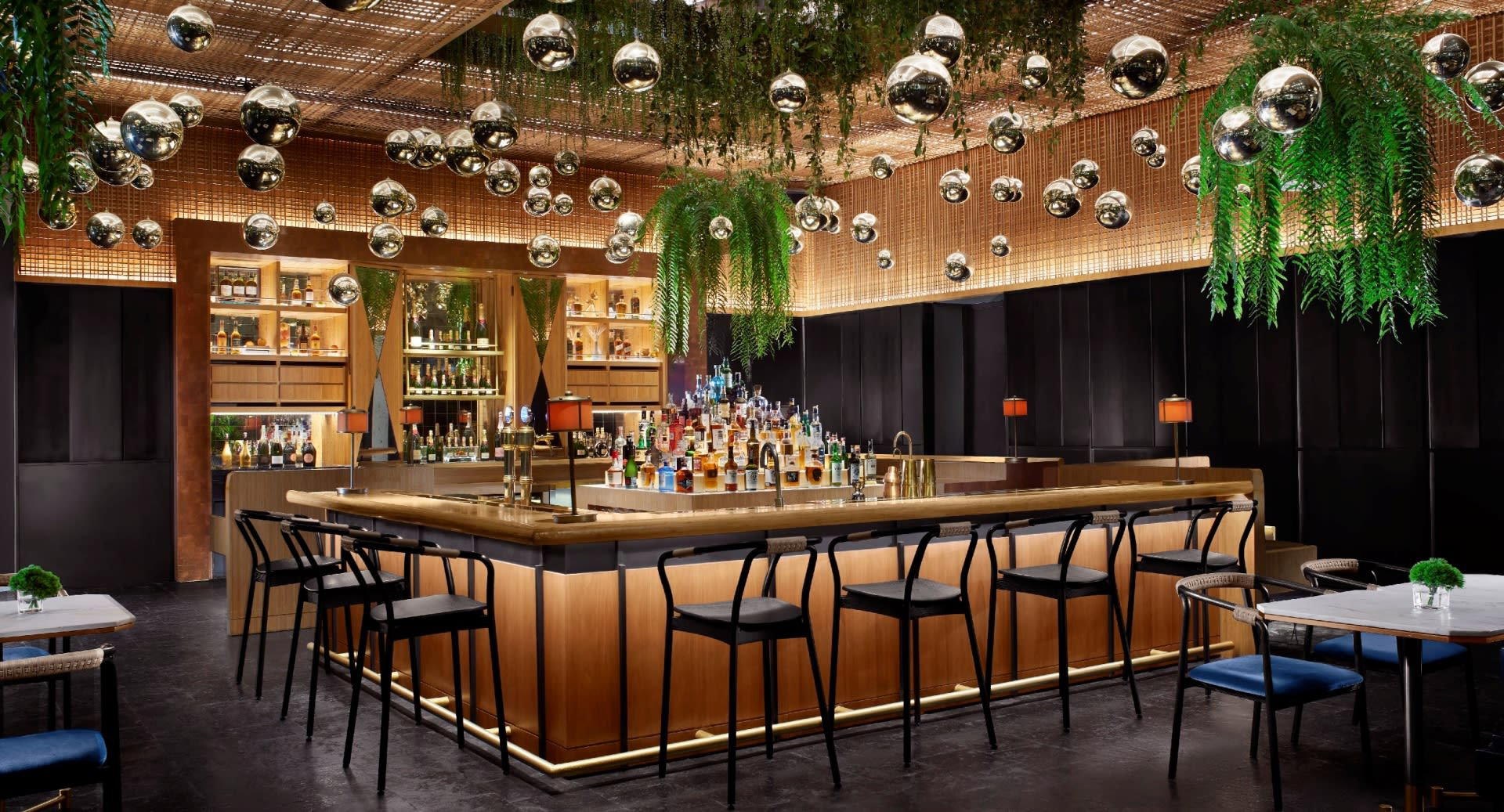
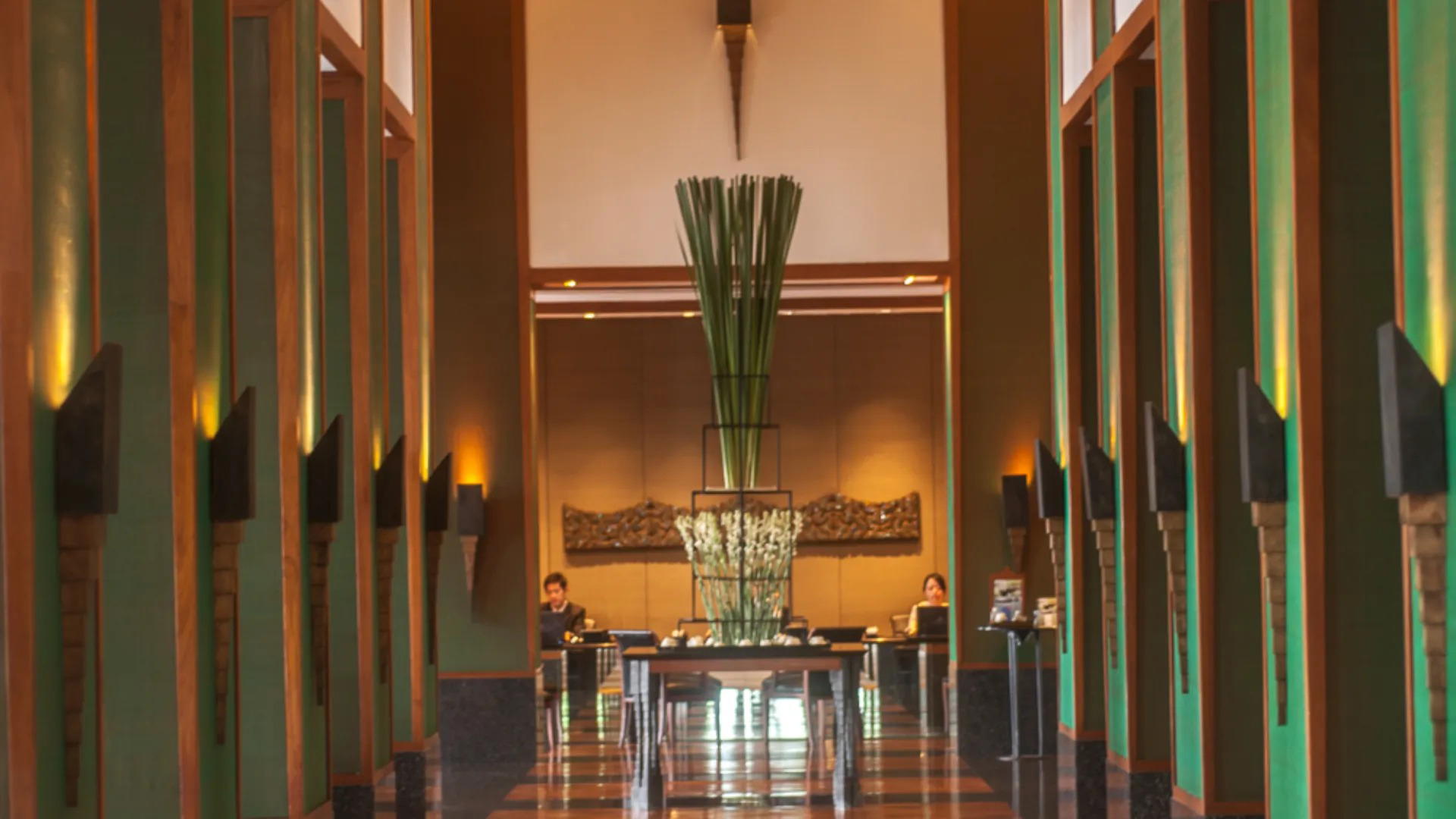
Dimly lit space with dark walls, colorful wallpaper, dark wooden floors, and warm lighting creating a cozy, dramatic, and romantic atmosphere.