

Michelin Plate · Tabelog 100 #46
Our verdict
In Nishiasakusa, Ryuen holds two consecutive Michelin Plates (2024–2025) for a menu that sits somewhere between kaiseki restraint and inventive counter cooking. Beef appears as a deliberate mid-course, a direct link to sister restaurant Oniku Karyu, while the philosophy of onko-chishin, finding the new through the old, shapes each dish. The price sits at ¥¥¥, placing it below the city's top-tier omakase brackets without sacrificing ambition.

Pearl is the En Primeur Club membership app, where members save venues, book tables and use the concierge.
The menu
What to order
- Soft-Shelled Turtle Spring Rolls
- Braised Shark Fin
Live Fire and Lineage in Nishiasakusa
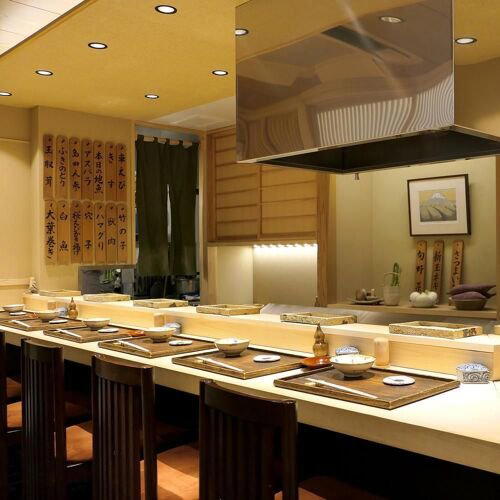
Tokyo's most discussed cooking formats tend to cluster in Ginza, Minami-Aoyama, or the station-adjacent corridors of Shinjuku. Nishiasakusa operates at a different register: quieter streets, a neighbourhood identity still shaped by craft workshops and old shitamachi commerce, and a restaurant scene that rewards attention over foot traffic. It is precisely that context which makes counter cooking here feel less performative and more deliberate. When preparation unfolds in front of diners at Ryuen, the theatre is incidental to the technique rather than the point of it.
Ryuen holds the Michelin Plate in both 2024 and 2025, a consecutive recognition that signals consistent kitchen discipline rather than a single strong year. The Plate designation in Tokyo's Guide sits below star level but above the broader field of listed restaurants, functioning as a shorthand for reliable quality at a defined price tier. At ¥¥¥, Ryuen prices below the ¥¥¥¥ counters that dominate the city's prestige conversation, venues like Azabu Kadowaki or Kagurazaka Ishikawa, which places it in a mid-premium bracket where the ratio of ambition to spend tends to be most interesting.
The Counter as Stage
Japanese counter dining has a long performance logic, whether in the sushi format, where the chef's hands are the entire show, or in the teppanyaki tradition, where heat, timing, and control of surface temperature become visible to every seated guest. Ryuen operates in the latter spirit. Preparation at the counter is not theatre staged for effect but a working demonstration of the kitchen's values: ingredient selection, waste reduction, and the precise moment a protein reaches its intended state.
The zero-waste approach built into the kitchen's training is not a contemporary sustainability talking point. It reflects a classical Japanese cooking ethic, mottainai, the reluctance to waste anything of value, that runs through multiple professional lineages and manifests differently depending on the chef's background. Here, it shapes how ingredients are broken down, what appears across the menu's arc, and how the beef mid-course is constructed. Watching that process from a counter position gives the meal a coherence that reading a menu cannot convey.
Where Beef Enters the Sequence
In classical kaiseki structure, the protein courses follow a logic of gradual intensity, with beef appearing rarely and late, if at all. What Ryuen does, introducing beef as a deliberate middle course, drawing on the direct relationship with sister restaurant Oniku Karyu, reflects a different sequencing philosophy. It positions meat neither as a finale nor as a minor note but as a structural pivot. The result is a menu architecture that reads more freely than strict kaiseki while retaining the course-by-course intentionality of that tradition.
This kind of cross-pollination between a beef-specialist house and a broader Japanese menu is not common in Tokyo's mid-tier. Most restaurants either commit fully to a single protein identity or treat beef as an optional supplement. Ryuen's explicit sister-restaurant link makes the beef course feel authored rather than appended, and that distinction comes through in the counter experience, where the preparation is visible and the sequencing logic becomes legible.
Onko-Chishin and the Inventive Traditional
The concept behind the menu draws on the Confucian idea of onko-chishin: studying the past as a method for discovering the new. In practice, this means the kitchen works within classical Japanese technique while applying it to combinations or presentations that do not have a direct historical precedent. The dish is recognisably Japanese in its structure and restraint; what changes is the flavour logic or the ingredient pairing.
This approach sits in a broader Tokyo pattern. Chefs trained in traditional Japanese formats, kaiseki, kappo, washoku, increasingly treat those foundations as compositional grammar rather than fixed vocabulary. You see it at venues like Jingumae Higuchi and Ginza Fukuju, each approaching the same tension between tradition and invention from a different price tier or format. Ryuen's version of that tension is grounded in the name itself: swallows returning to willows, repetition that carries memory forward.
Nishiasakusa and the Neighbourhood Argument
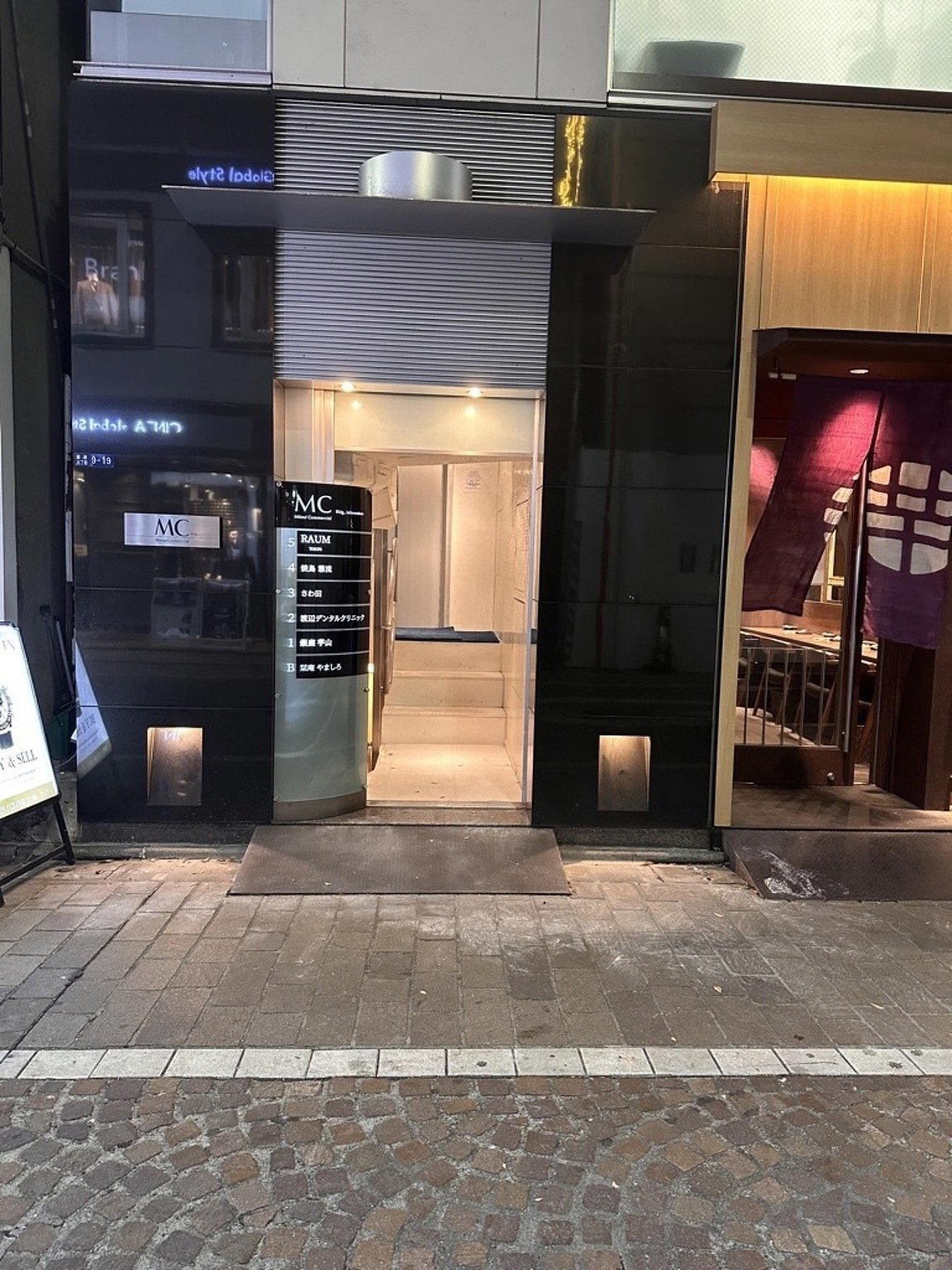
The address, 3 Chome-1-9 Nishiasakusa, Taito City, places Ryuen in a district that receives fewer international visitors than Asakusa proper, which is three minutes east. That gap in foot traffic is the neighbourhood's defining quality for restaurants. Tables are booked by people who sought the place out, which shapes the room's atmosphere in ways that prime-location venues in Ginza or Roppongi cannot replicate.
For context on how Tokyo's broader dining geography distributes across neighbourhoods and price tiers, our full Tokyo restaurants guide maps the scene from entry-level to multi-Michelin. For those building a longer Japan itinerary, comparable inventive Japanese cooking at different city registers can be found at Gion Sasaki in Kyoto, Kashiwaya Osaka Senriyama in Osaka, and Isshisoden Nakamura in Kyoto. Further afield, HAJIME in Osaka, Goh in Fukuoka, akordu in Nara, 1000 in Yokohama, and 6 in Okinawa represent the range of what inventive Japanese cooking looks like across the archipelago.
Planning Your Visit
| Venue | Cuisine | Price Tier | Michelin Recognition | Area |
|---|---|---|---|---|
| Ryuen | Japanese (counter, inventive) | ¥¥¥ | Plate 2024, 2025 | Nishiasakusa, Taito |
| Myojaku | Japanese | ¥¥¥ | Listed | Tokyo |
| Azabu Kadowaki | Japanese | ¥¥¥¥ | Starred | Azabu |
| Kagurazaka Ishikawa | Japanese | ¥¥¥¥ | Starred | Kagurazaka |
The Nishiasakusa address is accessible from Tawaramachi Station on the Ginza Line. For the wider Tokyo picture, our Tokyo hotels guide, bars guide, wineries guide, and experiences guide cover the full city in the same editorial format.
What Do People Recommend at Ryuen?
Based on the restaurant's documented approach and Michelin recognition, the meal at Ryuen is most discussed in relation to two elements: the beef mid-course and the visible counter preparation. The beef course carries specific weight because of the direct link to Oniku Karyu, giving it a provenance that a standard protein course at a comparable venue would not have. The inventive dishes built on classical Japanese technique, the onko-chishin principle applied in practice, draw attention for combining recognisable tradition with unexpected flavour directions. The zero-waste kitchen philosophy, visible in how ingredients are handled at the counter, is also noted as a defining quality. No specific dish names are confirmed in available data, but the structural arc of the menu (inventive Japanese courses with a deliberate beef pivot in the middle) is the clearest frame for what to anticipate.
Comparison Snapshot
| Venue | Cuisine | Price | Awards | Notes |
|---|---|---|---|---|
| RyuenThis venue (the venue you are viewing) | Creative Modern Chinese | $150–200 | Michelin Plate · Tabelog 100 #46 | Not listed |
| Harutaka | Edo-Style Omakase Sushi | $200–300 | 3 Michelin Stars · World's 50 Best #76 | Sushi |
| RyuGin | Modern Kaiseki | $500+ | 3 Michelin Stars · World's 50 Best #41 | Kaiseki, Japanese |
| L'Effervescence | Modern French with Japanese Influences | $200–300 | 3 Michelin Stars · World's 50 Best #69 | French |
| HOMMAGE | Modern French with Japanese Influences | $150–200 | 2 Michelin Stars · World's 50 Best #78 | Innovtive French, French |
| MAZ | Innovative Peruvian-Japanese Fusion | $150–200 | 2 Michelin Stars · World's 50 Best #28 | Innovative |
Recognition history
Dated appearances from independent guides and award organizations, with the underlying list record or original source where available.
Michelin Plate
Michelin
Tabelog 100 #46 · No. 46
Tabelog · Tabelog 100 - Chinese cuisine - TOKYO - 2026
Full recognition history (4 entries)
Michelin Plate
Michelin
Michelin Plate
Michelin
Continue exploring
More in Tokyo
Restaurants in Tokyo
All restaurants in Tokyo →

Bars in Tokyo
All bars in Tokyo →





Details
- Elegant
- Sophisticated
- Intimate
- Special Occasion
- Business Dinner
- Private Dining
- Sake Program
- Omakase
- Tasting Menu
Current opening hours
- Monday
- Closed
- Tuesday
- Closed
- Wednesday
- 12–1:30 PM, 6–8:30 PM
- Thursday
- 12–1:30 PM, 6–8:30 PM
- Friday
- 12–1:30 PM, 6–8:30 PM
- Saturday
- 12–1:30 PM, 6–8:30 PM
- Sunday
- 12–1:30 PM, 6–8:30 PM
Hours can change for holidays and private events. Hours as of .
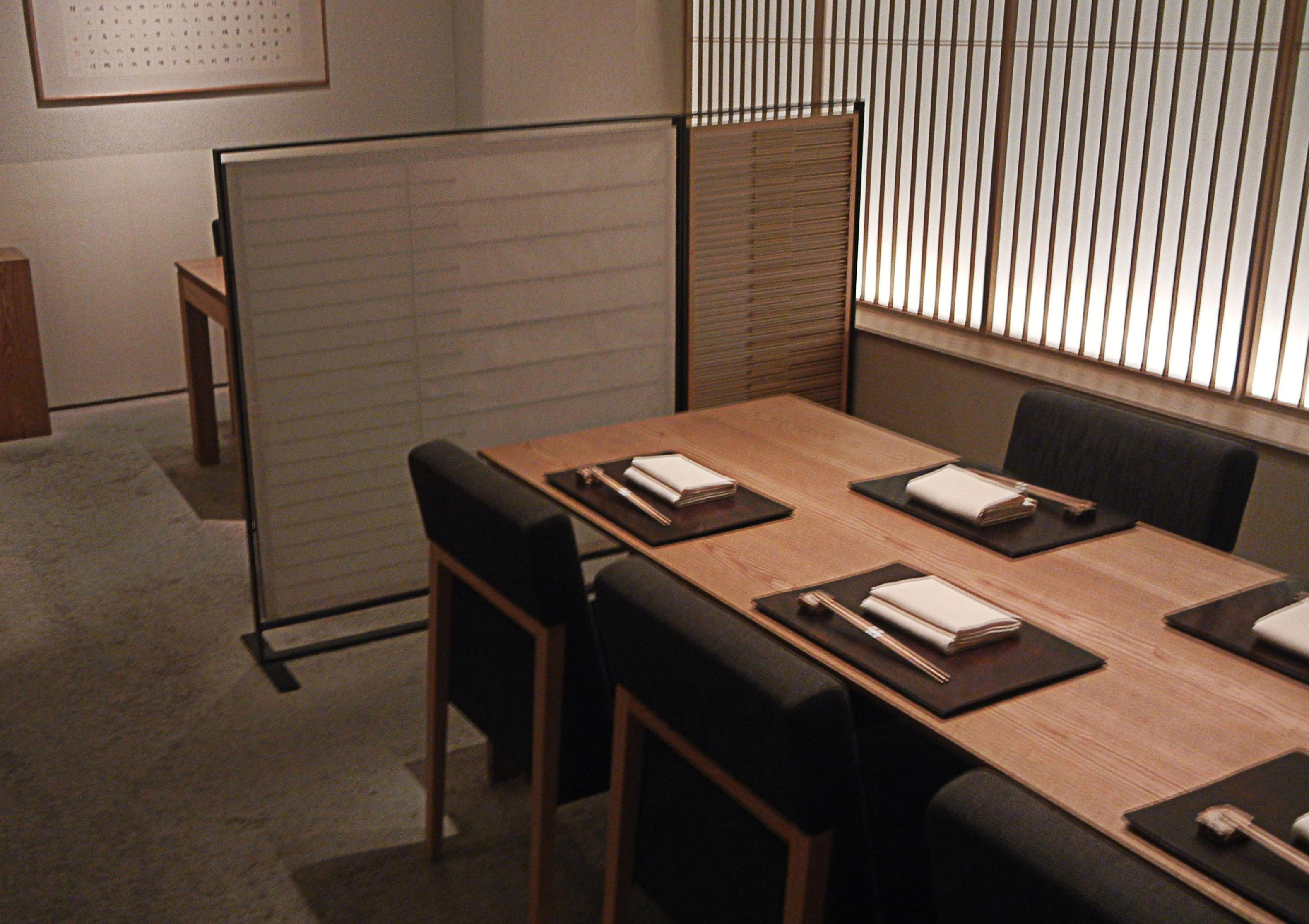
Refined simple space with white theme, relaxing atmosphere, and hospitable service.