Google: 4.8 · 292 reviews
Ruda

Ruda in Villacarriedo, Cantabria, operates as a plant-forward restaurant where Mexican and Asian influences shape a menu rooted in the region's natural environment. Recognized by the Michelin Green Guide for its commitment to sustainable, ingredient-led cooking, it offers a fully plant-based experience alongside broader options. The setting in the Cantabrian countryside is as deliberate as the sourcing.
 Discover on Pearl
Pearl is the En Primeur Club membership app — saves, bookings, and concierge access live there. Same editors, same standards.
Where Cantabria's Green Interior Meets the Plant-Forward Table
The road into Villacarriedo threads through one of the most quietly agricultural stretches of Cantabria — a province better known internationally for its coastline and the prehistoric caves at Altamira than for its inland restaurant scene. The valley here is green in a way that feels geological rather than seasonal, fed by Atlantic rainfall and framed by the foothills of the Cantabrian mountains. Arriving at Ruda, at Avenida de los Escolapios 44 in the Barrio de Camino district, the surroundings do not feel incidental to the cooking. They feel like the premise for it.
Spain's progressive restaurant circuit tends to concentrate in the Basque Country and Catalonia. Houses like Arzak in San Sebastián, Azurmendi in Larrabetzu, and El Celler de Can Roca in Girona have defined what high-end Spanish cooking looks like for two decades. Ruda operates in a different register entirely — not defined by tasting-menu formalism or urban prestige, but by the logic of its location and the ingredients that the surrounding land and its wider sourcing network can actually provide. That is a meaningful editorial distinction, not a consolation prize.
The Green Guide Recognition and What It Signals
Michelin's Green Guide recognition, which Ruda holds, is awarded to restaurants that demonstrate a genuine, auditable commitment to sustainable gastronomy , not restaurants that describe themselves in sustainable terms. The guide's criteria cover sourcing transparency, waste reduction, supplier relationships, and overall environmental footprint. For a small restaurant in a provincial Cantabrian town to receive that recognition places it in a specific and meaningful peer group within Spain: alongside operations like Azurmendi, which has held three Michelin stars alongside Green Star status, the bar for what counts as genuine environmental commitment is set high. Ruda's inclusion signals that its approach to sourcing and sustainability has been evaluated against those standards, not just declared.
That recognition also positions Ruda within a broader European shift toward ingredient-provenance cooking, where the editorial interest lies not in technique for its own sake but in traceability , knowing where a carrot was grown, how a supplier relationship was built, and why a particular ingredient appears on the plate at all. For a plant-forward kitchen, that logic runs deeper than it does in meat-centric restaurants, because the range of ingredients is narrower and the skill required to make them compelling is correspondingly greater.
The Sourcing Logic Behind a Plant-Forward Kitchen
Ruda does not describe itself as a strictly vegan restaurant. The framing , a plant restaurant, with options for a fully plant-based experience , is a meaningful distinction. It signals that the kitchen is built around vegetables, legumes, grains, and botanicals as primary ingredients rather than as accompaniments or substitutes, while retaining enough flexibility to serve guests across a range of dietary positions. That structure reflects a broader movement in Spanish progressive cooking, where the commitment to sustainability increasingly requires rethinking the centrality of animal protein without making that rethinking the entire identity of the restaurant.
The Mexican and Asian influences that run through Ruda's menu are not stylistic gestures. Both culinary traditions have long histories of making plant-based ingredients central rather than peripheral , Mexican cuisine through its corn, bean, and chile-based foundations; Japanese and broader East Asian cooking through fermentation, umami-rich condiments, and the precision application of heat and texture to vegetables and tofu. When those influences appear in a Cantabrian kitchen shaped by the surrounding landscape, the result is a kitchen grammar that borrows fermentation logic, seasoning depth, and textural contrast from outside the region while remaining grounded in what the local environment actually produces. For further context on how Spain's leading kitchens are working with Asian influences, DiverXO in Madrid represents the maximalist end of that conversation.
Cantabria's agricultural character is distinctive. The province produces dairy at volume , Cantabrian butter and cheese carry regional denomination status , and its coastal fishing tradition is well-documented. But the inland valleys support a quieter agriculture: market gardens, small-scale herb cultivation, foraged botanicals from the mountain slopes. For a kitchen committed to plant-forward cooking with strong sourcing ethics, that local supply picture is both a constraint and a creative framework. The discipline of working with what is genuinely available, rather than sourcing aspirationally from outside the region, produces menus that shift with the season and reflect the actual rhythms of the surrounding land.
Context Among Spain's Sustainable and Plant-Led Kitchens
Spain's most recognized sustainable restaurants tend to operate at the high-tasting-menu end of the market. Azurmendi has its own kitchen garden and beehives on site. Aponiente in El Puerto de Santa María has built an entire creative program around marine ingredients that the wider industry treats as waste. Mugaritz in Errenteria has pushed the conceptual edge of what ingredients can be asked to do. Ruda operates at a different scale and price point, without the infrastructure of a large kitchen team or the visibility of a major urban location. Its significance is of a different kind: it demonstrates that the sourcing-and-sustainability framework that animates Spain's most recognized kitchens can be applied at a community level, in a provincial setting, without the tasting-menu price structure that makes those larger operations accessible only to a narrow demographic.
For travelers moving through northern Spain and already familiar with the Basque circuit , Martin Berasategui in Lasarte-Oria, Arzak, Casa Marcial in Arriondas , Ruda represents a contrast in register rather than a step down in seriousness. The cooking at Ruda is measured against different criteria: not the elaboration of technique or the scale of the tasting menu, but the coherence of its sourcing philosophy and the quality of its plant-centered execution.
Planning a Visit to Ruda
Villacarriedo sits roughly 35 kilometers south of Santander, the provincial capital and the main transport hub for the region. Santander is accessible by road from Bilbao in around 90 minutes and has rail connections to Madrid. The drive into the valley is direct and, particularly in spring and autumn when the landscape is at its most saturated, worth timing with the visit in mind. Given the restaurant's scale and profile, booking in advance is advisable , smaller operations with Green Guide recognition and a defined philosophical identity tend to draw a specific and loyal audience. Specific booking details and current hours are leading confirmed directly with the restaurant before travel.
For anyone building a broader Cantabrian itinerary, our full Villacarriedo restaurants guide covers the local context in more depth. We also maintain guides to hotels in Villacarriedo, bars in Villacarriedo, wineries in Villacarriedo, and experiences in Villacarriedo for those spending more than a day in the area.
Peer Set Snapshot
These are the closest comparables we have in our database for quick context.
| Venue | Cuisine | Price | Awards | Notes |
|---|---|---|---|---|
| Ruda | Ruda is a pure plant restaurant – not 100%, but with plenty of options to enjoy… | This venue | ||
| Aponiente | Progressive - Seafood, Creative | €€€€ | Michelin 3 Star | Progressive - Seafood, Creative, €€€€ |
| Arzak | Modern Basque, Creative | €€€€ | Michelin 3 Star | Modern Basque, Creative, €€€€ |
| Azurmendi | Progressive, Creative | €€€€ | Michelin 3 Star | Progressive, Creative, €€€€ |
| Cocina Hermanos Torres | Creative | €€€€ | Michelin 3 Star | Creative, €€€€ |
| DiverXO | Progressive - Asian, Creative | €€€€ | Michelin 3 Star | Progressive - Asian, Creative, €€€€ |
Continue exploring
More in Villacarriedo
Restaurants in Villacarriedo
Browse all →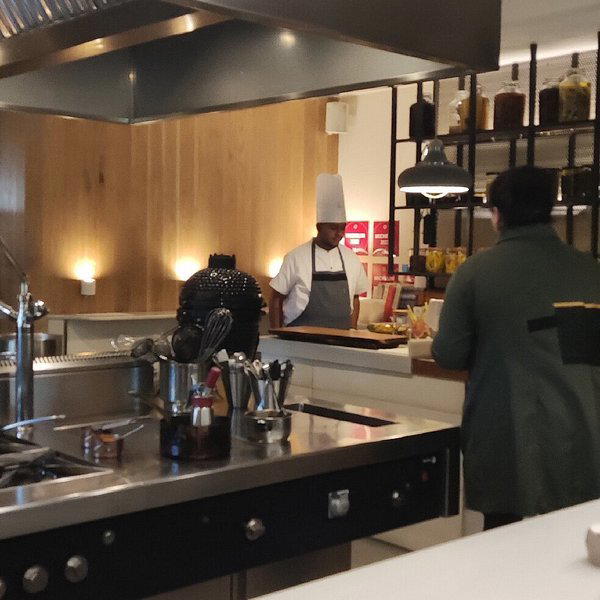
Hotels in Villacarriedo
Browse all →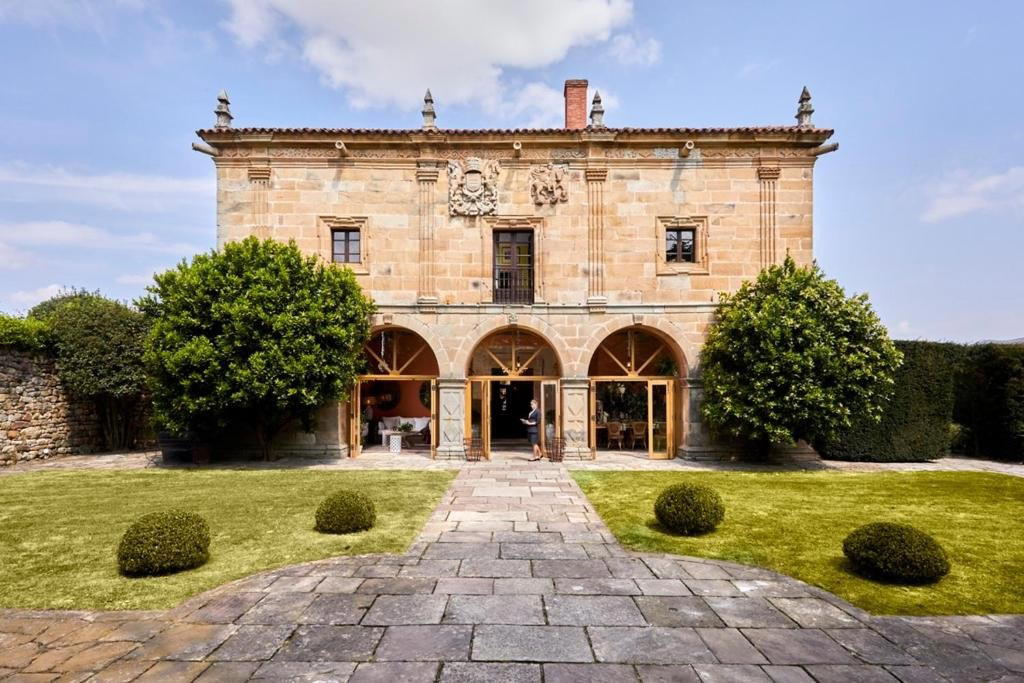
At a Glance
- Cozy
- Elegant
- Modern
- Intimate
- Rustic
- Date Night
- Special Occasion
- Casual Hangout
- Open Kitchen
- Natural Wine
- Local Sourcing
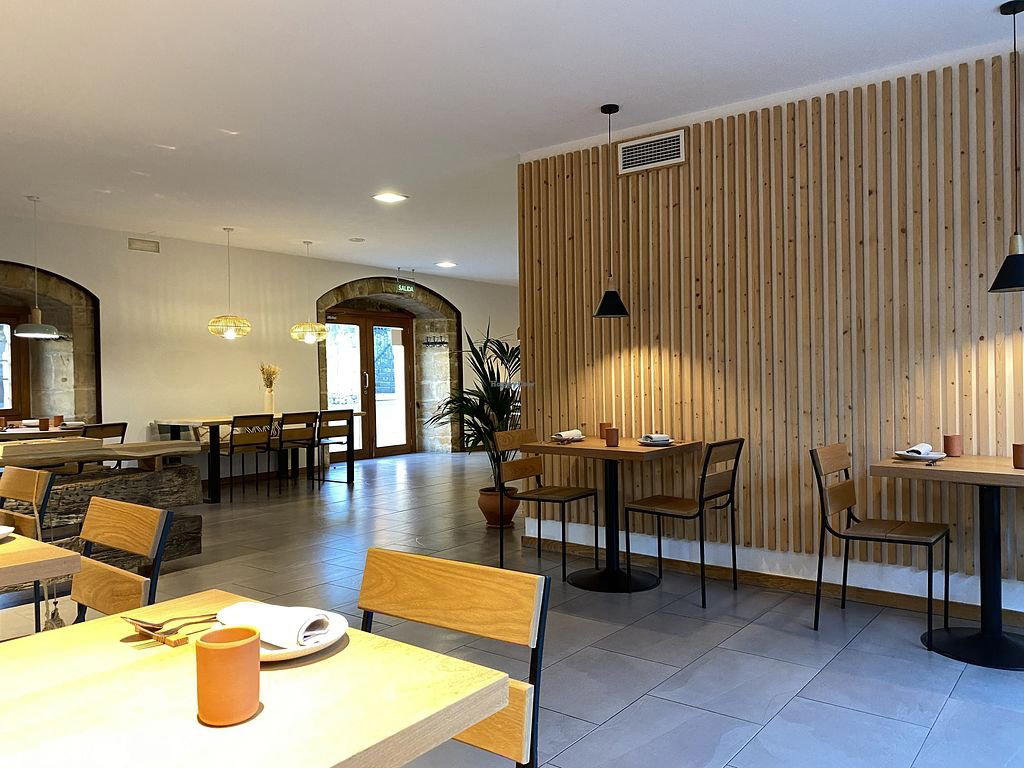
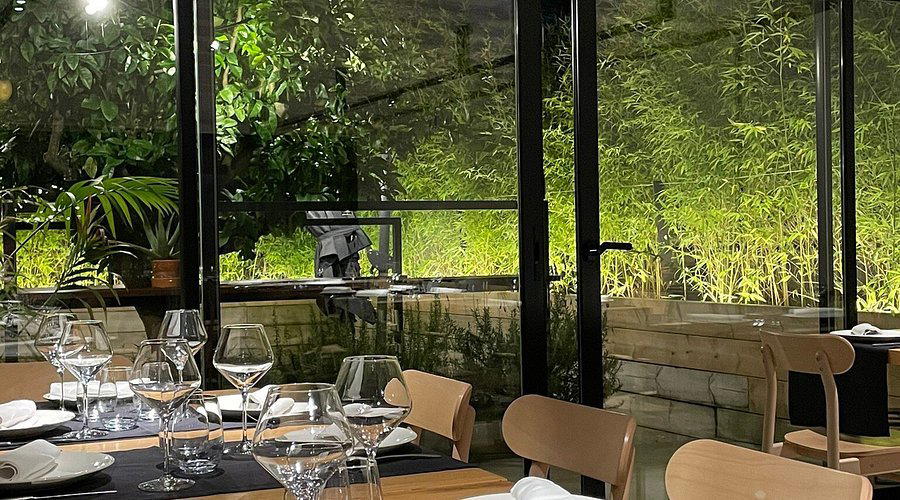
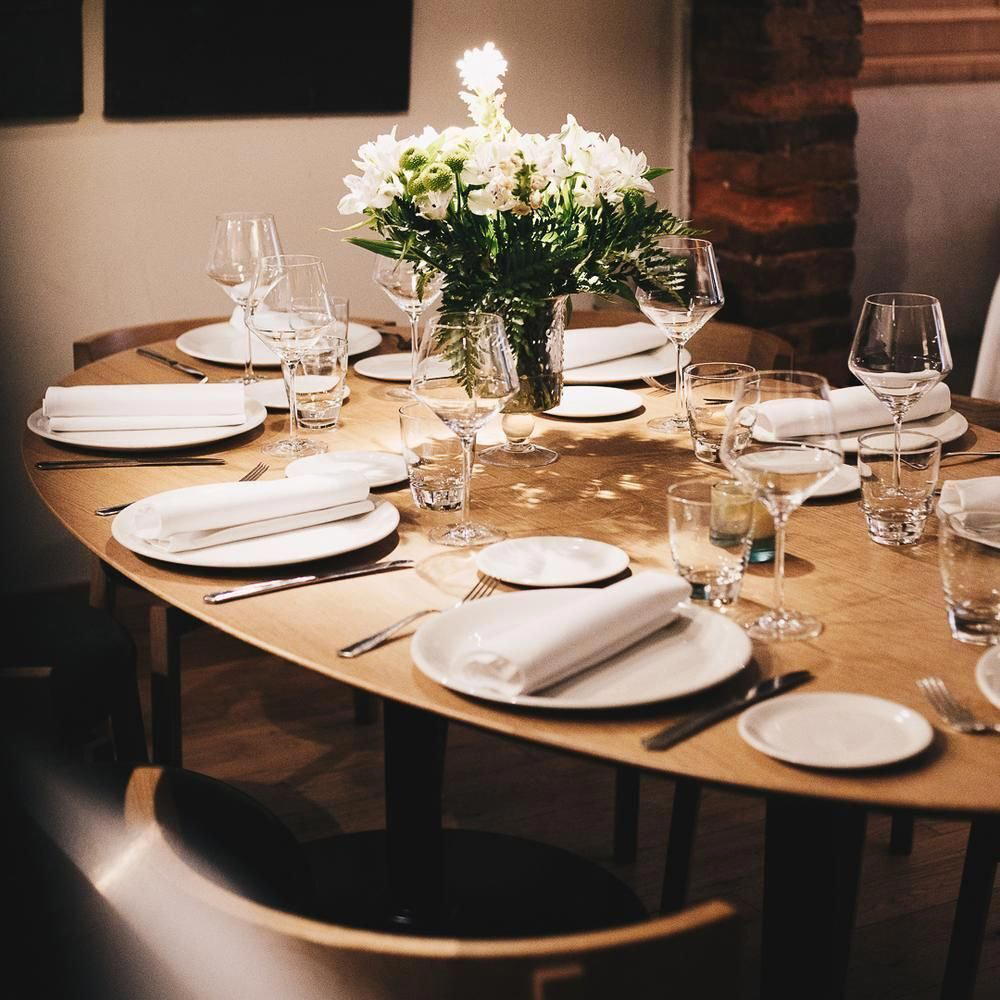
Cálida, minimalist with Nordic aesthetics, cozy atmosphere featuring oak and stone elements, serene and noiseless for a relaxed dining experience.