

Michelin Bib Gourmand · Macarfi 7.7 Food Rating
Our verdict
A Michelin Bib Gourmand recipient for 2024 and 2025, Pan de Cuco sits on the main road through Suesa in Cantabria, delivering seasonal farm-to-table cooking rooted in the region's produce. The format spans a gastro-bar for tapas through to a contemporary dining room, with local fish, Pedrosa chicken stews, and a house Russian salad that references Santander's dining heritage.

Pearl is the En Primeur Club membership app, where members save venues, book tables and use the concierge.
The menu
What to order
- Pasiego bite
- Russian salad
- Chocolate with oil and salt
- Croquettes
A Roadside Address That Earns Its Place on the Cantabrian Table
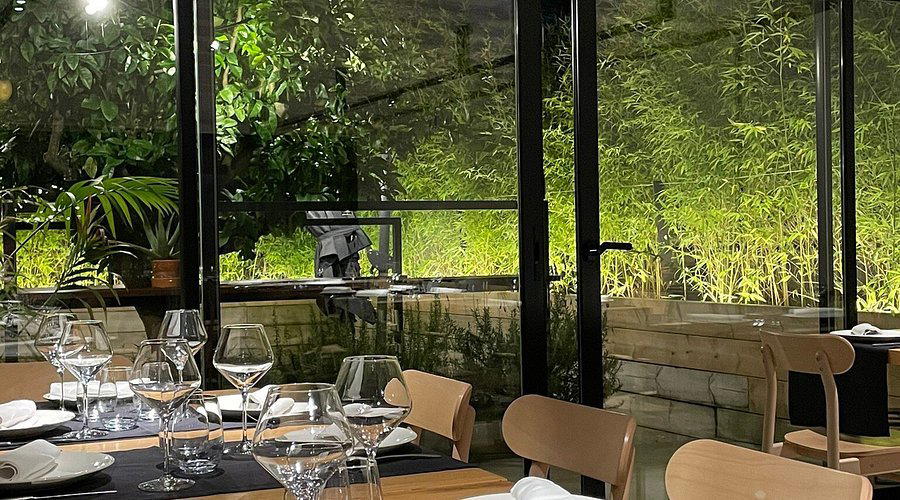
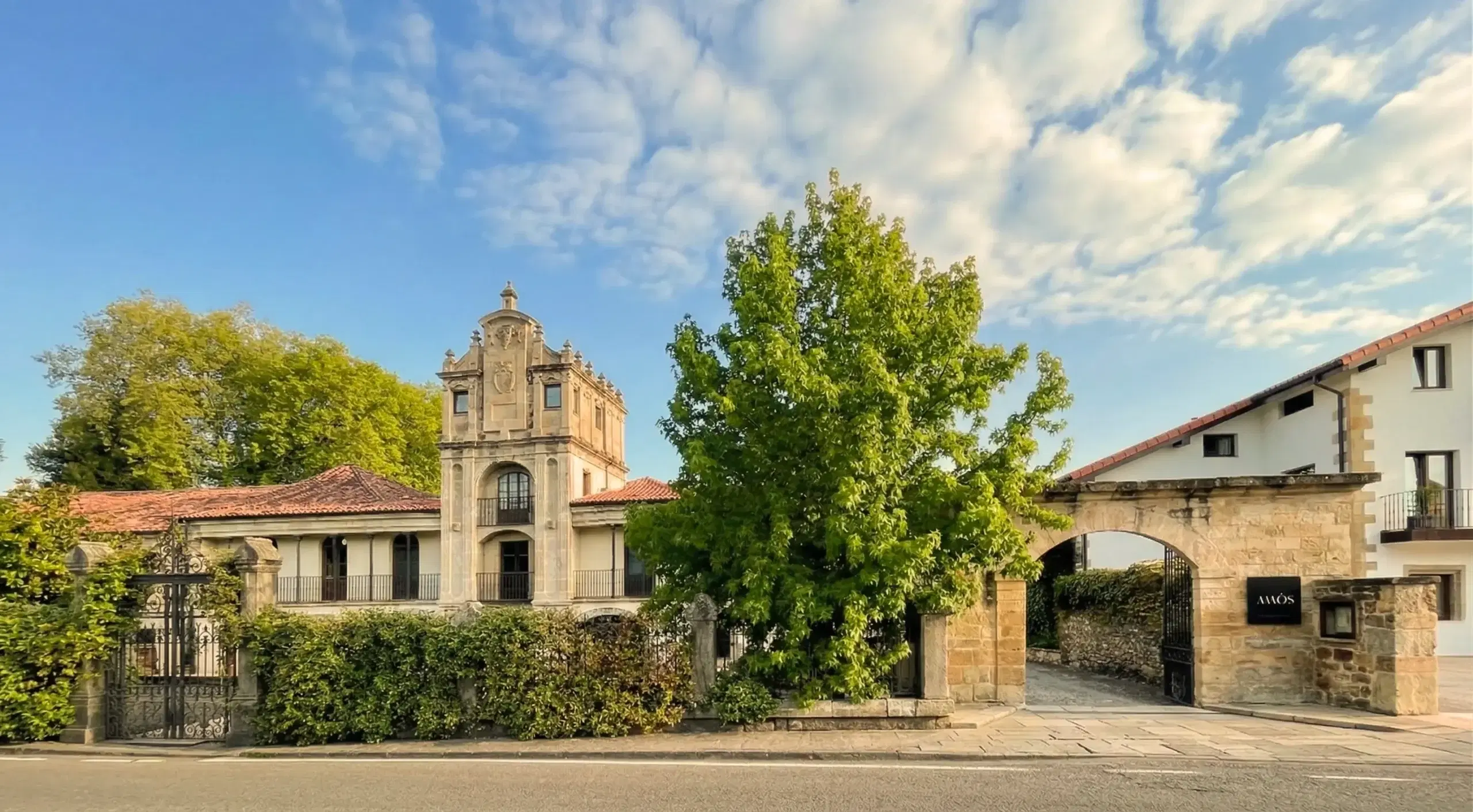
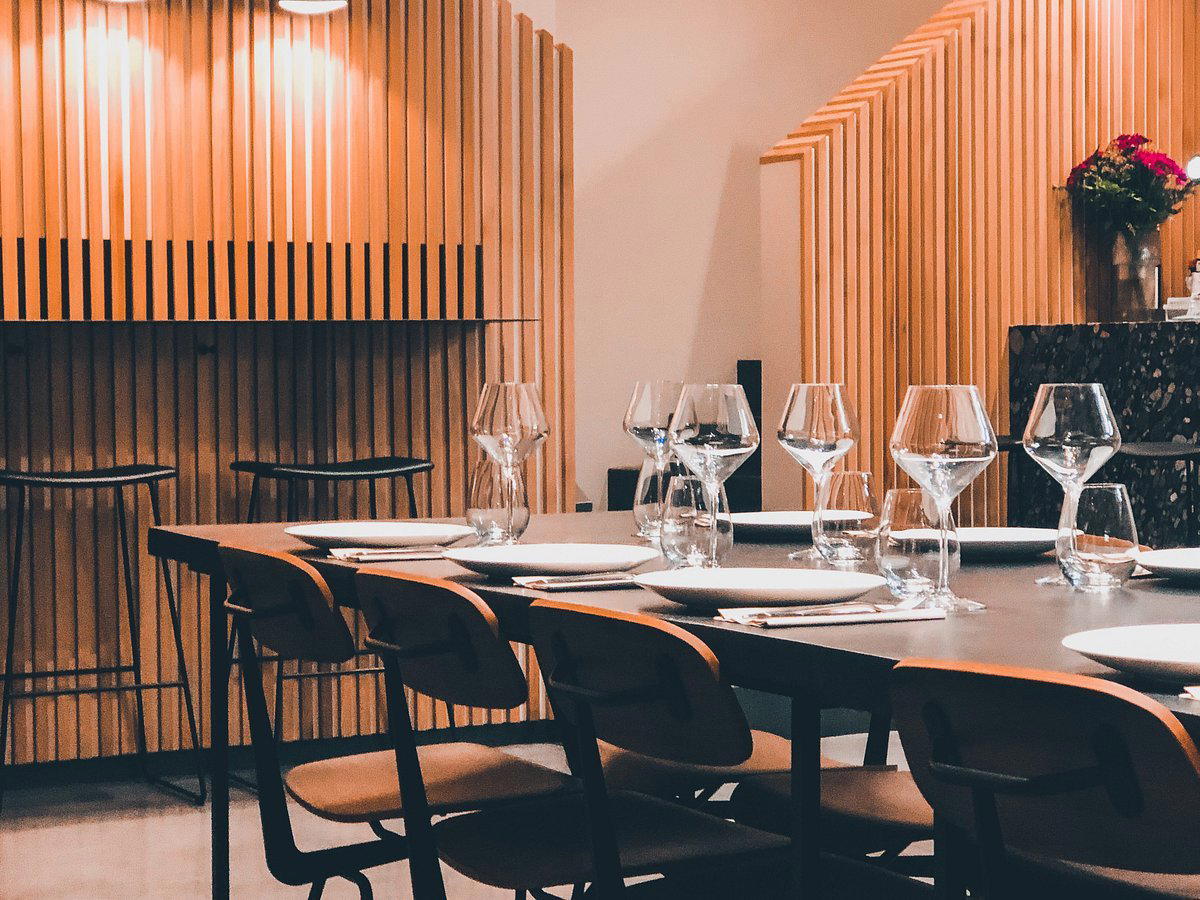
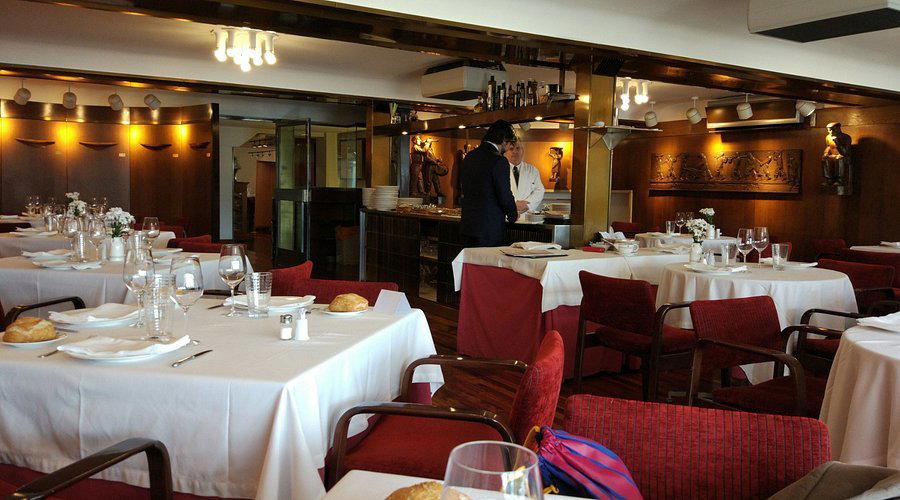
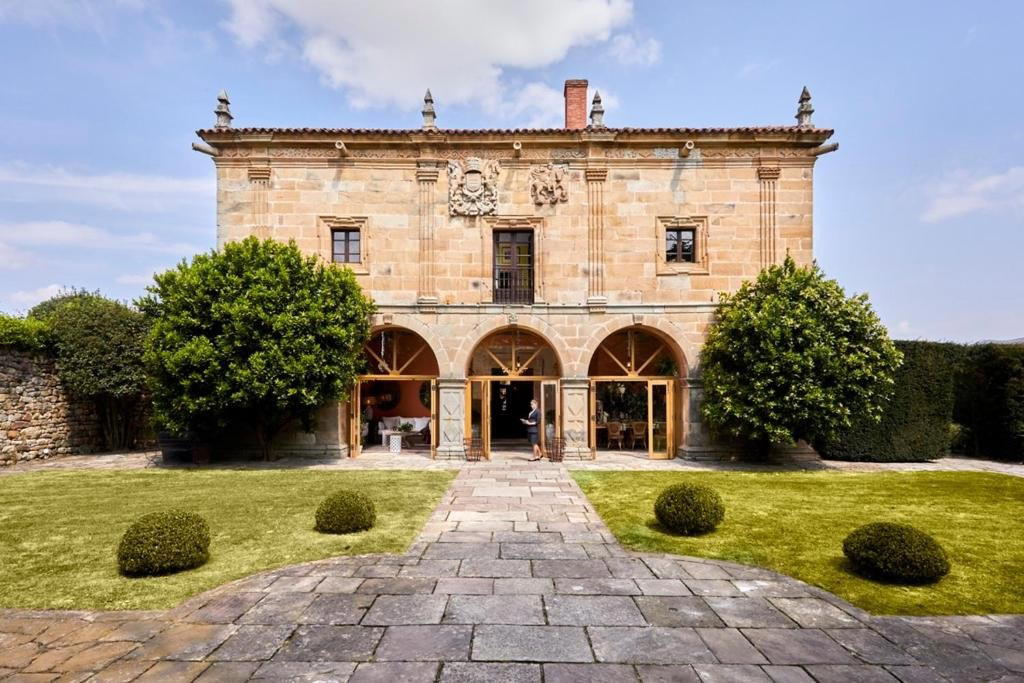
Drive through the small village of Suesa on the Cantabrian coast and the large stone house at Barrio Calabazas catches your eye before you have any reason to stop. The building sits directly on the main road, its terrace open to the mild northern air, the kind of setting that announces itself through architecture rather than signage. Step inside and the space divides into distinct registers: high tables in the gastro-bar for tapas and raciones, and a contemporary dining room where rustic materials, exposed wood, traditional stonework, have been handled with enough restraint to avoid the trap of forced rusticity. The name itself, Pan de Cuco, refers to a type of sorrel that grows in Cantabrian maize fields, a detail that signals the kitchen's relationship with the land around it before you have read a single dish.
Farm-to-Table in a Region That Has Always Cooked That Way
Cantabria's food culture has never required a trend to justify cooking with local ingredients. The region's short coastline, mountain pastures, and inland farms have sustained a kitchen vocabulary built on proximity for generations. What farm-to-table means in a place like Suesa is not a marketing position but a practical reality: the fish are from nearby waters, the chicken breeds are local, and the stews follow what the season allows rather than what the calendar demands.
Pan de Cuco operates inside that tradition. The kitchen draws on top-quality local fish from the Cantabrian Sea, alongside land-based ingredients that speak to the region's interior. Pedresa chicken, a breed known locally as picasuelo, appears in stews that belong to a slow-cooked lineage common across northern Spain. That lineage connects Cantabrian cooking to the broader canon of Spanish regional food, a canon that includes technically dazzling operations like Arzak in San Sebastián, Azurmendi in Larrabetzu, and Mugaritz in Errenteria, but Pan de Cuco occupies a very different position in that ecosystem. Where those restaurants operate at €€€€ price points and compress seasonal ingredients through avant-garde technique, Pan de Cuco prices at €€ and lets the produce carry the plate in a more direct register.
That difference matters for what the Bib Gourmand recognition actually signals. Michelin awards the Bib to kitchens delivering quality above the price point rather than to those matching the ambition of three-star neighbours. Earning it in consecutive years, 2024 and 2025, indicates a kitchen operating with consistency rather than flash, which is the harder standard to meet in daily practice. Across a wider European farm-to-table tier, the same principle holds: consistency of sourcing and execution is what separates award-level Bib cooking from its peers, as seen in venues like BOK Restaurant Brust oder Keule in Münster and Clostermanns Le Gourmet in Niederkassel, which occupy similar critical ground in Germany.
The Format: Gastro-Bar First, Dining Room Second
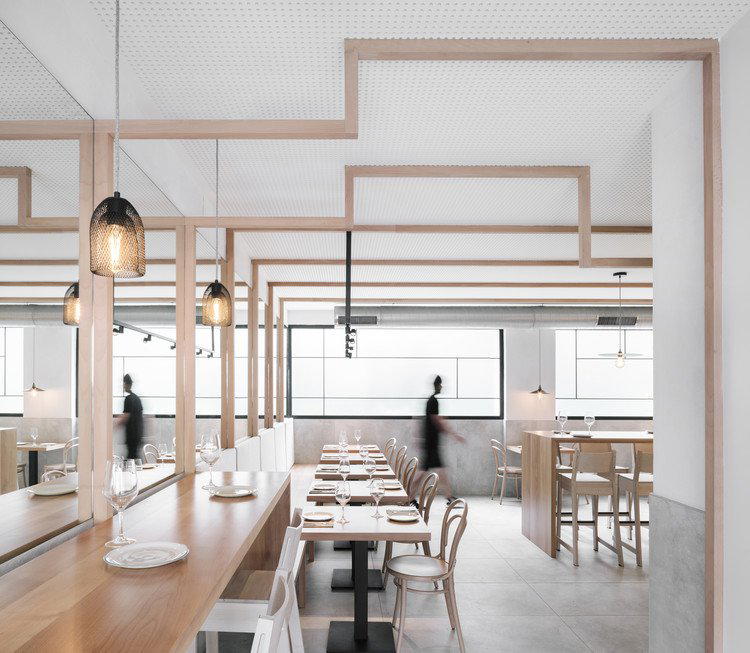
The two-format structure at Pan de Cuco is worth understanding before you visit, because it changes how you use the space. The gastro-bar, with its high tables, is built for grazing: tapas and raciones at a pace you control, a glass of wine from the Cantabrian or broader Spanish list, no obligation to settle into a full menu. This is the format that suits a long afternoon, or a late arrival after a drive along the Cantabrian coast. The contemporary dining room operates on a different rhythm, suited to a longer, more deliberate meal where stews and main courses can be properly sequenced.
The terrace functions as a third register in good weather, the most relaxed setting of the three, and a reminder that Cantabria's climate, cooler and greener than the Mediterranean coast, rewards outdoor eating in a different register entirely. Whether you arrive for a single plate at the bar or a full sitting in the dining room, the entry point is low enough at €€ that the decision is primarily about time rather than budget.
What to Order: The House Russian Salad and What It Tells You About the Kitchen
Steak tartare and the Pedresa chicken stews are the dishes most directly connected to the kitchen's regional sourcing. But the most instructive order is the house Russian salad, and the reason involves context. The recipe is described as a homage to the Russian salad served at the Bodega del Riojano in Santander, one of Cantabria's most celebrated traditional dining rooms. To reference that dish deliberately is to place Pan de Cuco inside a local culinary conversation, claiming lineage from a Santander institution rather than looking toward the progressive Spanish cooking exemplified by El Celler de Can Roca in Girona, Disfrutar in Barcelona, or DiverXO in Madrid. That is a considered choice, and it shapes the whole experience: this kitchen is interested in depth of place, not display of technique.
Local fish dishes follow the same logic. Cantabrian Sea fish, which can include anchovy, bonito, and merluza depending on the season, have an existing culinary grammar in this part of Spain, and the kitchen works within it rather than against it. For comparison, the approach sits closer to the produce-led coastal focus of Ricard Camarena in València or the ingredient clarity of Quique Dacosta in Dénia than to the theatrical reimagining of seafood at Aponiente in El Puerto de Santa María, though at a fraction of the price and without the tasting-menu structure.
Where Pan de Cuco Sits in the Suesa and Cantabrian Dining Picture
Suesa is a small municipality in the municipality of Ribamontán al Mar, east of Santander along the coast. It is not a dining destination in the way that San Sebastián or Bilbao commands a purpose trip, but Pan de Cuco gives the village a legitimate reason to appear on a regional itinerary. For travellers moving along the Cantabrian coast or using Santander as a base, it represents the kind of stop that a Bib Gourmand listing signals: better than you would expect at this price, in a place you might otherwise pass through.
At that volume, the score reflects a broad cross-section of experience rather than a small cohort of enthusiastic regulars. Combined with two consecutive Bib Gourmand awards, it confirms Pan de Cuco as the reference address in its immediate area.
For travellers building a wider Cantabrian or northern Spain itinerary, the EP Club guides to Suesa restaurants, Suesa hotels, Suesa bars, Suesa wineries, and Suesa experiences provide the broader context for planning time in the area. Northern Spain's dining map extends further south and east to venues like Martin Berasategui in Lasarte-Oria and Atrio in Cáceres, but the Cantabrian coast holds its own distinct culinary identity, and Pan de Cuco is a genuine expression of it.
Planning Your Visit
Pan de Cuco is located at Barrio Calabazas, 17, in Suesa, Cantabria, reachable by car from Santander in under thirty minutes along the coastal road. The €€ price point makes it accessible for most budgets, and the gastro-bar format means you can visit lightly without committing to a full meal. Specific hours and booking contacts are best confirmed directly with the venue before travel.
Frequently asked questions
Is Pan de Cuco child-friendly?
The €€ price point and gastro-bar format make Pan de Cuco accessible for families. High tables suited to tapas and raciones allow for flexible, informal eating rather than a structured sit-down meal, which suits younger diners well.
Is Pan de Cuco formal or casual?
Casual throughout. The gastro-bar operates with high tables for tapas and raciones at your own pace, while the dining room carries a rustic decor despite its contemporary layout. Michelin awarded a Bib Gourmand here, a designation that specifically recognises good cooking at moderate prices rather than formal fine dining.
Has Pan de Cuco won any awards?
Pan de Cuco has received recognition including: This attractive large house by the main road boasts an unusual name (a type of sorrel that is found in fields of maize) and cuisine that comes as a pleasant surprise. It features a pleasant terrace, a gastro-bar with high tables perfect for….
What dish is Pan de Cuco famous for?
The house Russian salad is the most referenced dish, framed by the kitchen as a direct homage to the version served at the Bodega del Riojano in Santander. Beyond that, the Pedresa chicken stews and steak tartare are the dishes most closely tied to the kitchen's regional sourcing programme.
In Context: Similar Options
| Venue | Cuisine | Price | Awards | Notes |
|---|---|---|---|---|
| Pan de CucoThis venue (the venue you are viewing) | Modern Spanish Cantabrian | Not listed | Michelin Bib Gourmand · Macarfi 7.7 Food Rating | Not listed |
| Aponiente | Avant-Garde Marine Seafood | $200–300 | 3 Michelin Stars · World's 50 Best #84 | Progressive - Seafood, Creative |
| Arzak | Contemporary Basque Fine Dining | $300–500 | 3 Michelin Stars · World's 50 Best #31 | Modern Basque, Creative |
| DiverXO | Avant-Garde Spanish Tasting Menu | $300–500 | 3 Michelin Stars · World's 50 Best #4 | Progressive - Asian, Creative |
| El Celler de Can Roca | Creative Catalan Fine Dining | $300–500 | 3 Michelin Stars · World's 50 Best #2 | Progressive Spanish, Creative |
| Quique Dacosta | Avant-Garde Spanish Fine Dining | $300–500 | 3 Michelin Stars · World's 50 Best #65 | Creative |
Recognition history
Dated appearances from independent guides and award organizations, with the underlying list record or original source where available.
Michelin Bib Gourmand
Michelin
Macarfi 7.7 Food Rating
Macarfi
Full recognition history (4 entries)
Michelin Bib Gourmand
Michelin
Michelin Bib Gourmand
Michelin
Continue exploring
More in Suesa
Details
- Rustic
- Cozy
- Intimate
- Family
- Casual Hangout
- Terrace
- Extensive Wine List
- Local Sourcing
- A La Carte
- Small Plates
- Vegetarian Friendly
- Gluten Free Options
Current opening hours
- Monday
- Closed
- Tuesday
- Closed
- Wednesday
- 1:30–3:30 PM
- Thursday
- 1:30–3:30 PM, 8:30–10 PM
- Friday
- 1:30–3 PM, 8:30–10 PM
- Saturday
- 1:30–3 PM, 8:30–10 PM
- Sunday
- 1:30–3 PM
Hours can change for holidays and private events. Hours as of .
Contemporary dining room with rustic decor, pleasant terrace, and intimate welcoming atmosphere.