Röschenzerhof
Our verdict
Röschenzerhof sits in the village of Roschenz in the Basel-Landschaft canton, where Switzerland's rural dining tradition meets proximity to the cross-border influences of the Upper Rhine region. With its address on Oberdorfstrasse in a compact Swiss village, it occupies the kind of setting where agricultural roots and regional identity tend to shape a kitchen more than international trends. See our full Roschenz context for how it fits the local scene.

Pearl is the En Primeur Club membership app — saves, bookings, and concierge access live there. Same editors, same standards.
- Address
- Oberdorfstrasse 8, 4244 Röschenz, Switzerland
- Phone
- +41617651010
- Website
- roeschenzerhof.ch
- Directions
- Get directions
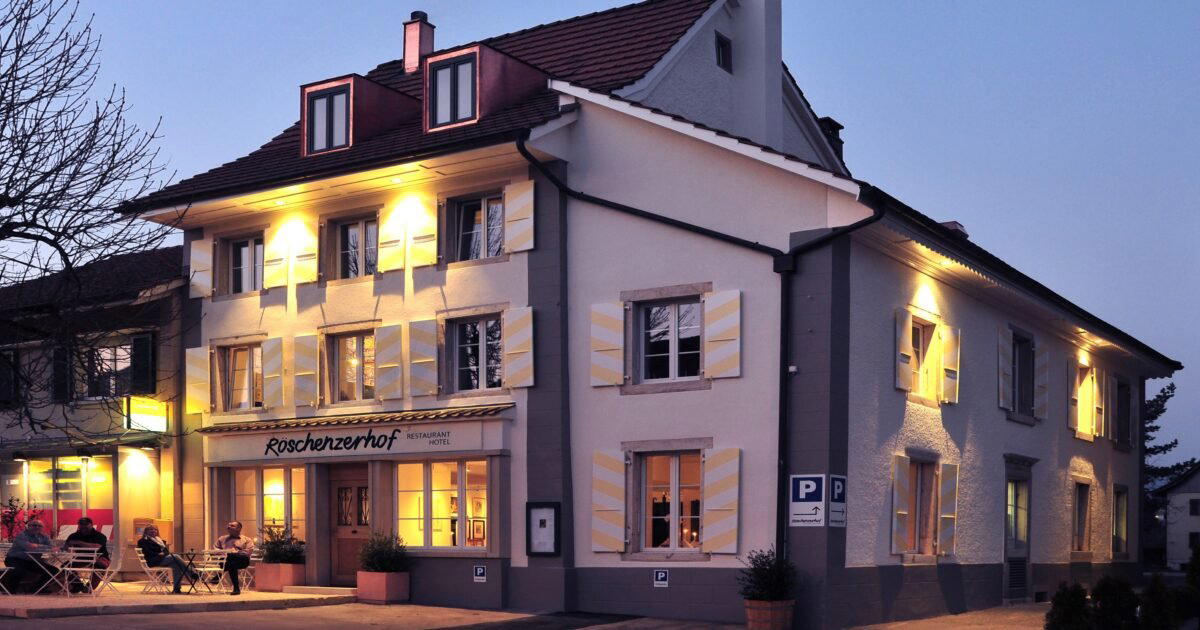
Where the Jura Foothills Shape What Arrives on the Plate
The village of Roschenz sits in the far northwest of Switzerland, in the canton of Basel-Landschaft, at the edge of the Jura foothills where the agricultural rhythms of the region have historically defined what local kitchens cook. This is not a dining corridor with a cluster of Michelin-starred addresses — it is farming country, and that distinction matters when reading what a place like Röschenzerhof represents. In Switzerland's northwest, the most compelling kitchens tend to draw their identity from the land around them: the pastures of the Jura plateau, the proximity to Alsatian produce networks across the border, and the vegetable-growing tradition of the Rhine valley below. Röschenzerhof, at Oberdorfstrasse 8 in the upper part of the village, occupies a setting where that agricultural logic has room to breathe. For broader context on how Roschenz sits within the Swiss dining scene, see our full Roschenz restaurants guide.
The Sourcing Context: Northwest Switzerland's Larder
Understanding what appears on a table in this part of Switzerland requires understanding the supply geography. The Basel-Landschaft canton borders both the French Alsace and the German Baden region, which means kitchens here have historically had access to one of the most agriculturally productive cross-border zones in Central Europe. Alsatian charcuterie traditions, Baden market gardens, and Swiss dairy production all converge within a short radius. The Jura itself is riesling and Pinot Noir country on the French side, and the Swiss Jura produces some of the country's least-exported but most characterful wines. For a kitchen rooted in this geography, the sourcing story is not incidental — it is the primary creative constraint.
This stands in contrast to Switzerland's more internationally oriented fine dining addresses. At the far end of that spectrum, venues like Schloss Schauenstein in Fürstenau or Memories in Bad Ragaz operate at a level where produce networks extend well beyond cantonal borders. The northwest corner of Switzerland, by contrast, rewards a different kind of attention: one tuned to seasonal cycles in a specific valley, rather than to the global luxury ingredient calendar.
Village Scale and What It Implies
Roschenz has a population measured in the hundreds rather than thousands. A restaurant operating at this address is by definition embedded in its community rather than positioned to capture destination-dining traffic at scale. That village scale produces a particular dining register across Switzerland: formats that prioritize regulars over tourists, menus that shift with the week's market rather than with international press cycles, and a pace that resists the kind of theatrics that larger urban venues increasingly deploy to justify premium price points.
This is the cohort that Switzerland's smaller Jura and Basel-Landschaft restaurants occupy, a tier below the headline addresses but often more instructive about regional culinary character. It sits in a different register from Basel's international fine dining, where Cheval Blanc by Peter Knogl operates with three Michelin stars and a kitchen shaped by classical French technique. Both traditions are authentically Swiss, but they answer different questions about what Swiss cooking is and where it comes from.
The Cross-Border Culinary Logic
Northwest Switzerland's food culture has never been hermetically Swiss. The Dreiländereck, the three-country corner where Switzerland, France, and Germany converge near Basel, is one of Europe's most interesting culinary fault lines. Produce, techniques, and dining habits move fluidly across those borders in both directions. Alsatian influences appear in the charcuterie and fermented preparations of the region; Baden's wine and bread culture bleeds across; and Swiss precision in dairy and butchery anchors the local character. A kitchen in Roschenz is, by geography, the inheritor of all three traditions rather than the product of a single national culinary lineage.
That triangular influence distinguishes the northwest from Switzerland's other major regional dining identities. The Graubünden tradition that informs focus ATELIER in Vitznau draws from Alpine self-sufficiency and mountain produce. The Ticino character visible at La Brezza in Ascona reflects Italian Mediterranean logic. The northwest is something else entirely: a lowland, cross-border, three-nation larder with a strong Protestant bourgeois dining tradition that values substance over ornament.
Planning a Visit to Roschenz
Roschenz is accessible from Basel, approximately 25 kilometres to the north, which remains the most practical base for visitors combining fine dining with the city's museum infrastructure. The drive through the Basel-Landschaft countryside is direct, following routes through Laufen and the Lüssel valley. For those travelling from Zurich, the journey is roughly 90 minutes by car; by rail, Laufen is the nearest station with connections to Basel. Given the village setting, driving is the most practical approach for an evening visit. Visitors planning a broader sweep of Swiss fine dining in the region should consider pairing Roschenz with Basel's Michelin-recognised addresses before heading further into the Swiss interior toward Magdalena in Schwyz or Maison Wenger in Le Noirmont, the latter of which sits in the Jura mountains and shares some of the same regional agricultural logic as the northwest Basel-Landschaft corridor.
For those building a longer Swiss itinerary, the country's premium dining geography extends south toward Einstein Gourmet in Sankt Gallen, east to Da Vittorio in St. Moritz, and west toward Hotel de Ville Crissier outside Lausanne, one of the country's most historically significant fine dining addresses. Urban bases in Geneva and Zurich offer further anchors, with L'Atelier Robuchon in Geneva, IGNIV Zürich by Andreas Caminada, and La Table du Lausanne Palace each representing distinct chapters in the Swiss fine dining story. For international comparison on sourcing-driven dining at high technical levels, Le Bernardin in New York City and Atomix in New York City illustrate how ingredient provenance shapes kitchen identity in very different cultural contexts. The 7132 Silver in Vals and Colonnade in Lucerne round out the Swiss picture for visitors with time to range across the country's distinct regional dining cultures.
Frequently asked questions
Is Röschenzerhof a family-friendly restaurant?
Village restaurants in the Basel-Landschaft tradition typically serve a community function that urban venues do not, which often means accommodating a broad age range across tables. Röschenzerhof sits at Oberdorfstrasse 8 in Roschenz, a settlement of a few hundred residents, and that village-scale context tends to favour inclusive, unhurried dining rather than a strictly adult-only format. Confirmed seating or children's menu details are not available, so contacting the venue directly before visiting with young children is the practical step.
Is Röschenzerhof better for a quiet night or a lively one?
The address in Roschenz, a small village in the Basel-Landschaft canton, points toward the former. At this scale of community, a restaurant functions as a local anchor rather than a destination event venue, which generally means measured noise levels and an unhurried pace. Those travelling from Basel, roughly 25 kilometres to the north, should factor in that the drive itself sets a slower register for the evening.
How far is Röschenzerhof from Basel, and is it worth the trip from the city?
Roschenz sits approximately 25 kilometres south of Basel, making Röschenzerhof a realistic standalone dinner excursion from the city rather than a full travel commitment. The drive passes through the northwest corner of Basel-Landschaft, where the terrain shifts from suburban Basel into Jura foothill agricultural country, giving the journey its own contextual shift. Visitors already spending time in Basel for its arts, museum, or fine dining calendar will find Roschenz a logical extension into the canton's rural side.
What should I order at Röschenzerhof?
What the regional context reliably suggests is that kitchens in Basel-Landschaft draw on supply lines running into both Alsace and Baden as well as the Swiss Jura plateau, meaning the larder tends toward seasonal produce, freshwater fish, and cured or aged proteins common to the Dreiländereck food culture. Checking the current menu directly with the restaurant before visiting is the straightforward way to plan.
Comparable Venues
Comparable venues nearby, for context on price, style, and recognition.
| Venue | Cuisine | Price | Notes |
|---|---|---|---|
| RöschenzerhofThis venue — the venue you are viewing | Regional Swiss Terroir | Not listed | Not listed |
| Safran Zunft | Traditional Swiss with Modern Accents | $50–100 | Messe |
| Hallers brasserie tout le monde | Swiss Brasserie | Not listed | Länggasse |
| Brasserie zur Simme - chez Marco | Swiss Contemporary Brasserie | Not listed | Zweisimmen |
| Das Taggenberg | Swiss Fine Dining with Vegetarian Focus | $100–150 | Taggenberg |
| Schäferstube | Traditional Valais Swiss with Lamb Specialties | $50–100 | village center |
Continue exploring
More in Roschenz
Restaurants in Roschenz
Browse all →
Bars in Roschenz
Browse all →


Hotels in Roschenz
Browse all →

Details
- Rustic
- Cozy
- Elegant
- Family
- Special Occasion
- Terrace
- Private Dining
- Local Sourcing
- Organic
- A La Carte
- Vegetarian Friendly
- Gluten Free Options
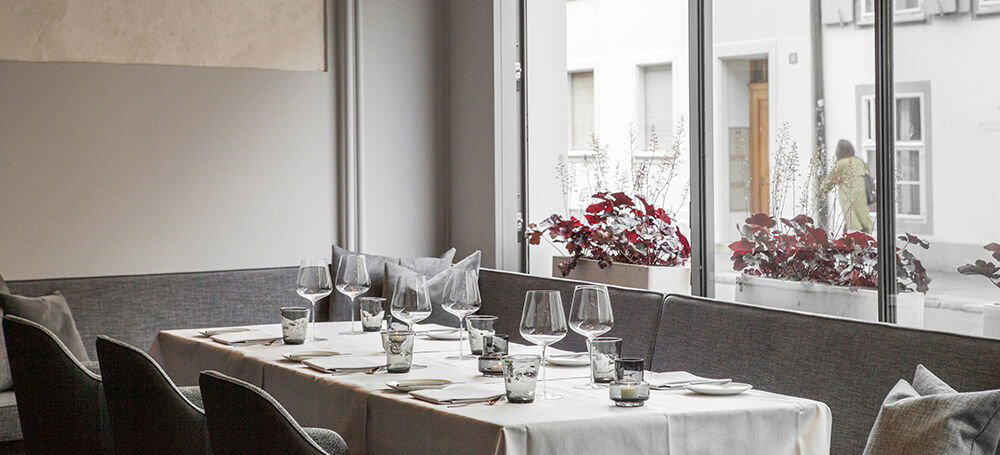
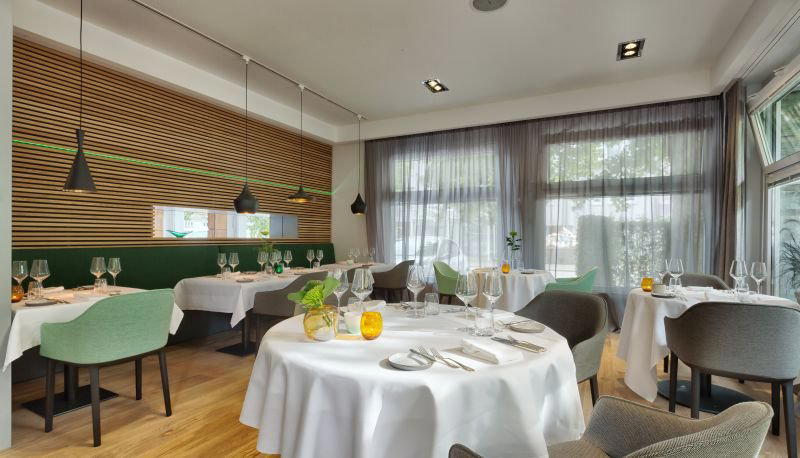
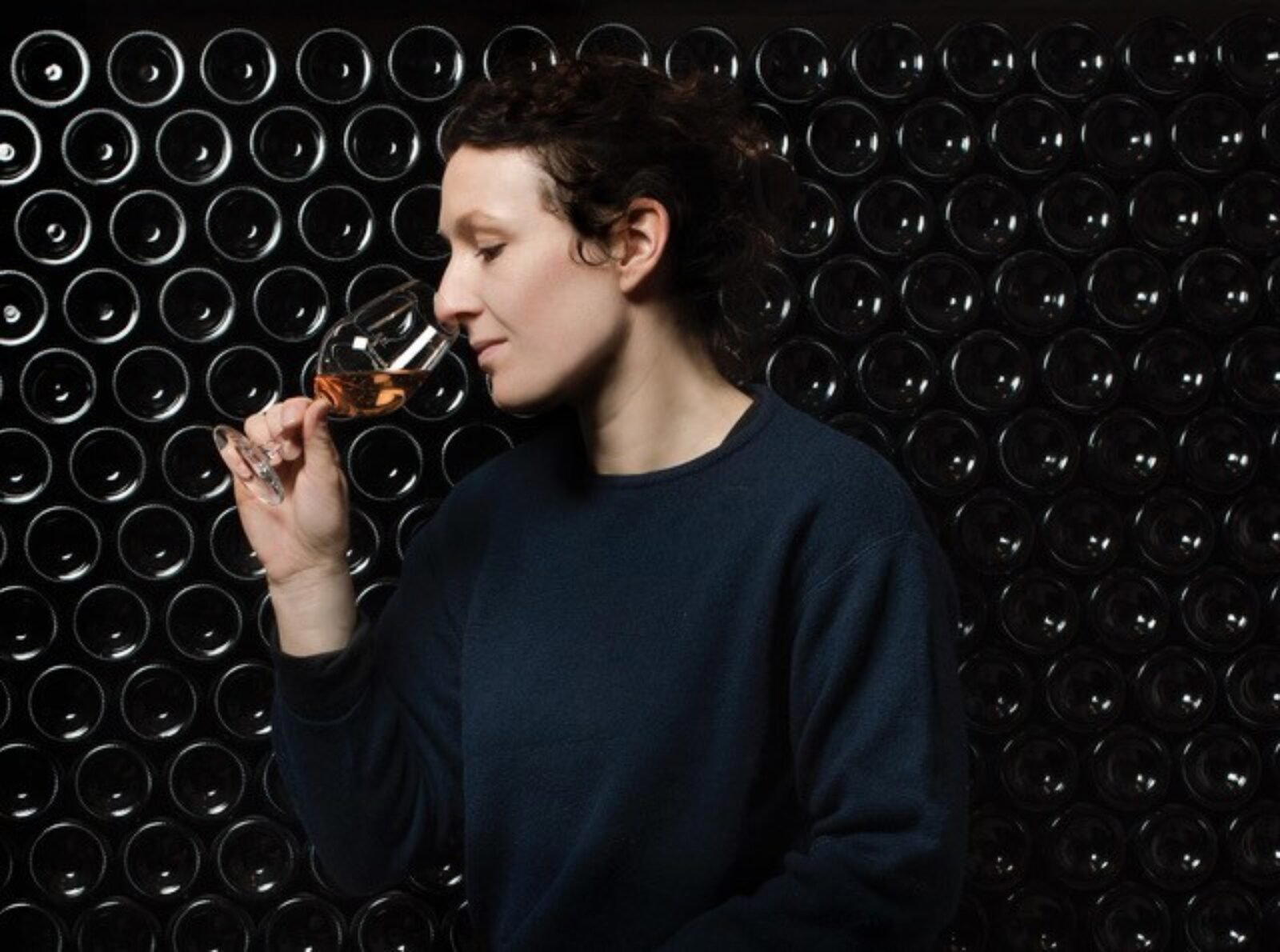
Elegant and friendly atmosphere with beautiful plating in a cozy, rustic setting.